
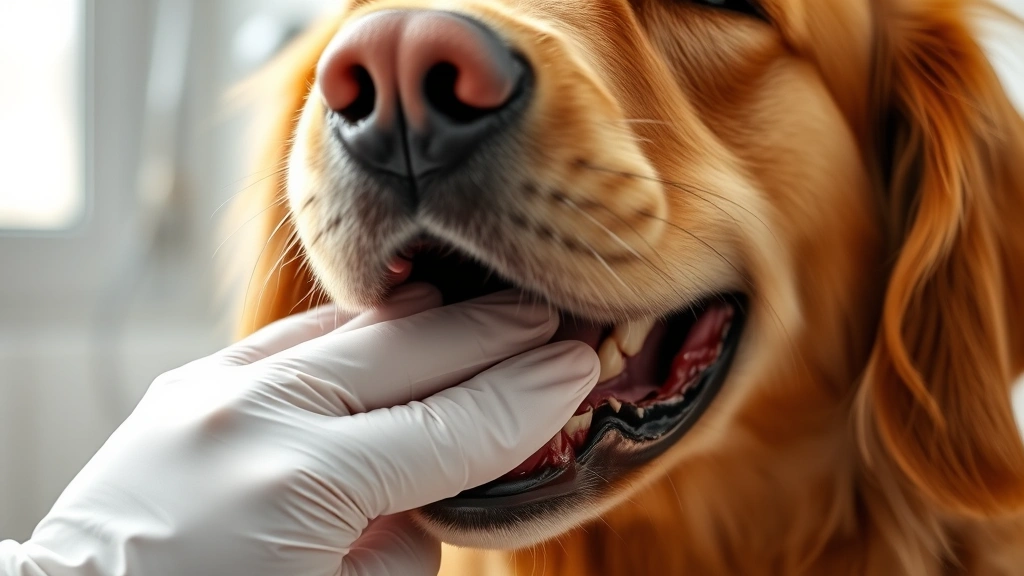
What causes anemia in dogs is one of those questions that keeps veterinarians busy and dog parents frantically Googling at 2 AM. Your pup’s energy levels have tanked, their gums look pale, and suddenly they’re acting like they’ve run a marathon after a five-minute walk. Sound familiar? Anemia in dogs is more common than you’d think, and it’s definitely not something to brush off as just a bad day.
Table of Contents
- Understanding Canine Anemia: The Basics
- Blood Loss: The Most Obvious Culprit
- Parasites: The Tiny Blood Thieves
- Bone Marrow Disorders: When Production Stops
- Hemolytic Anemia: When Red Blood Cells Self-Destruct
- Nutritional Deficiencies: You Are What You Eat
- Chronic Diseases and Infections
- Bleeding Disorders and Toxins
- Cancer and Chemotherapy
- 5 Critical Warning Signs Your Dog Might Have Anemia
- Diagnosis and Next Steps
- Treatment Options Depend on the Cause
- Prevention: The Best Medicine
- Frequently Asked Questions
- The Bottom Line
Think of anemia as your dog’s red blood cells throwing in the towel. These little oxygen-carrying warriors are either depleted in numbers or not functioning properly, leaving your furry friend exhausted and struggling. The good news? Understanding what causes anemia in dogs puts you in the driver’s seat to catch it early and get your pup the help they need.
Understanding Canine Anemia: The Basics
Before we dive into the causes, let’s break down what’s actually happening in your dog’s body. Anemia occurs when your dog doesn’t have enough healthy red blood cells or hemoglobin to carry oxygen throughout their system. It’s like trying to run a marathon with half your usual oxygen supply—everything feels harder, slower, and way more exhausting.
Your dog’s bone marrow is basically the factory that produces these red blood cells. When something disrupts this factory—whether it’s disease, nutrition issues, or blood loss—production slows down or stops. The result? Your dog feels tired, weak, and generally miserable.
Blood Loss: The Most Obvious Culprit
Acute blood loss is probably the most straightforward cause of anemia in dogs. We’re talking about visible bleeding from injuries, accidents, or internal bleeding that you can’t see. A serious wound, a car accident, or even a fall can cause significant blood loss quickly.
But here’s where it gets sneaky: chronic blood loss is the real troublemaker. Your dog might be slowly bleeding internally, and you won’t notice until they’re already anemic. This is where parasites come into play. Fleas, ticks, and intestinal parasites are basically tiny vampires, feeding on your dog’s blood over time. That’s why keeping up with heartworm prevention and understanding heartworm transmission is crucial—heartworms can cause significant blood loss and anemia if left untreated.
Parasites: The Tiny Blood Thieves
Let’s talk about parasites because they’re one of the most common causes of anemia in dogs, especially in younger pups and those in warmer climates. Fleas are notorious for this—a heavy flea infestation can literally drain a small dog dry. Intestinal parasites like hookworms and whipworms attach to your dog’s intestinal walls and feed on blood. Over weeks and months, this adds up.
The CDC and veterinary research confirm that parasitic infections are a leading preventable cause of anemia in dogs. This is why your vet harps on you about regular parasite prevention. It’s not just about comfort; it’s about preventing serious health complications. If your dog has been experiencing mucus in their stool, parasites might be the culprit.
Bone Marrow Disorders: When Production Stops
Sometimes the problem isn’t blood loss—it’s that your dog’s bone marrow has decided to go on strike. Bone marrow disorders are serious business and can cause what’s called regenerative anemia, where your dog’s body simply can’t produce enough red blood cells.
Conditions like aplastic anemia, where the bone marrow stops producing blood cells entirely, are rare but devastating. Certain breeds are predisposed to these conditions, and some medications can trigger bone marrow suppression. Chemotherapy drugs, some antibiotics, and even certain pain medications can affect bone marrow function. If your dog is on long-term medication and showing signs of anemia, this is definitely worth discussing with your vet.
Hemolytic Anemia: When Red Blood Cells Self-Destruct
Here’s a particularly frustrating type of anemia: hemolytic anemia occurs when your dog’s own immune system attacks and destroys their red blood cells. It’s like your dog’s body got the wires crossed and started a civil war against itself. This is called immune-mediated hemolytic anemia (IMHA), and it’s one of the more serious forms.
IMHA can develop suddenly, and it’s an emergency situation. Your dog’s gums might look yellowed (jaundiced), they’ll be weak and lethargic, and their urine might appear dark or reddish. This condition requires immediate veterinary attention and aggressive treatment, often including immunosuppressive medications to tell your dog’s immune system to chill out.
Nutritional Deficiencies: You Are What You Eat
Your dog’s diet plays a massive role in preventing anemia. Iron deficiency is the most common nutritional cause of anemia in dogs, though it’s usually secondary to chronic blood loss. Without enough iron, your dog can’t make hemoglobin, and without hemoglobin, oxygen can’t hitch a ride through the bloodstream.
Vitamin B12 and folate deficiencies can also cause anemia. Dogs need these nutrients for red blood cell production and function. If your dog has digestive issues or malabsorption problems, they might not be absorbing these critical nutrients even if they’re eating a quality diet. Feeding your dog nutrient-rich foods is essential—salmon is an excellent source of omega-3s and nutrients that support overall health, including red blood cell function.
Chronic Diseases and Infections
Chronic kidney disease is one of the most common causes of anemia in older dogs. The kidneys produce erythropoietin (EPO), a hormone that tells the bone marrow to produce red blood cells. When kidneys fail, EPO production drops, and so does red blood cell production.

Infections can also trigger anemia. Bacterial infections, fungal infections, and tick-borne diseases (like Lyme disease and ehrlichiosis) can all cause anemia. This is another reason why tick prevention is non-negotiable. Some of these diseases are serious enough to cause life-threatening anemia if left untreated.
Bleeding Disorders and Toxins
Some dogs are born with bleeding disorders like hemophilia or von Willebrand disease, which prevent their blood from clotting properly. These dogs lose blood more easily from minor injuries and can develop anemia more quickly than other dogs.
Toxins are another serious consideration. Rat poison (rodenticide) causes internal bleeding by preventing blood clotting. Even if your dog doesn’t eat the poison directly, they might eat a poisoned rodent and ingest the toxin secondhand. This is a genuine emergency that requires immediate veterinary intervention and treatment with vitamin K.
Cancer and Chemotherapy
Cancer itself can cause anemia through various mechanisms—bleeding tumors, bone marrow infiltration, or the cancer affecting your dog’s ability to produce red blood cells. Additionally, chemotherapy and radiation therapy used to treat cancer are notorious for suppressing bone marrow function.
If your dog has been diagnosed with cancer and is undergoing treatment, monitoring for anemia becomes part of your regular care routine. Your vet will likely do periodic blood work to catch anemia early.
5 Critical Warning Signs Your Dog Might Have Anemia
1. Pale or Whitish Gums: This is the classic sign. Your dog’s gums should be a healthy pink color. If they look pale, washed out, or almost white, that’s a red flag. Press your thumb on the gum and release—the color should return immediately. If it takes more than a second or two, your dog needs a vet visit.
2. Extreme Lethargy and Weakness: Your energetic pup suddenly doesn’t want to play fetch or go for walks? They’re sleeping way more than usual and seem generally exhausted? That’s textbook anemia. Your dog’s tissues aren’t getting enough oxygen, so everything feels like a monumental effort.
3. Rapid or Labored Breathing: Your dog’s body compensates for low oxygen by breathing faster. You might notice they’re panting heavily even when they’re resting or in a cool environment.
4. Yellow-Tinged Skin or Eyes (Jaundice): This suggests hemolytic anemia where red blood cells are being destroyed. The hemoglobin breakdown product bilirubin builds up and causes this yellowing. This is an emergency sign.
5. Dark or Reddish Urine: If your dog’s urine looks darker than usual or has a reddish tint, it could indicate hemolysis (red blood cell destruction) or other serious conditions. Get to your vet immediately.
Diagnosis and Next Steps
Your vet will start with a complete blood count (CBC) to measure your dog’s red blood cell levels and hemoglobin. They’ll also look at the appearance of the red blood cells themselves under a microscope. Depending on what they find, they might recommend additional tests like a reticulocyte count, blood smear, or bone marrow biopsy.
According to the American Animal Hospital Association (AAHA), thorough diagnostics are essential because the treatment depends entirely on the underlying cause. Treating the symptom (anemia) without addressing the root cause is like putting a band-aid on a broken leg.
Your vet might also recommend imaging like ultrasound or X-rays to check for internal bleeding, or they might test for tick-borne diseases and other infections. This is detective work, and it requires patience and sometimes multiple visits.
Treatment Options Depend on the Cause
Once your vet identifies the cause, treatment becomes straightforward—in theory, anyway. If it’s parasites, antiparasitic medication and flea prevention will solve it. If it’s nutritional deficiency, dietary adjustments and supplementation will help. If it’s a bleeding disorder or toxin exposure, treatment becomes more intensive and might require hospitalization.

For IMHA, your vet will likely prescribe immunosuppressive drugs like prednisone or other medications to calm down your dog’s overactive immune system. In severe cases, blood transfusions might be necessary to buy time while treatment takes effect.
If your dog has chronic kidney disease causing anemia, your vet might recommend EPO injections or other medications to stimulate red blood cell production. This requires ongoing monitoring and management.
Prevention: The Best Medicine
Here’s the thing about anemia in dogs: much of it is preventable. Keep your dog on year-round parasite prevention—this is non-negotiable. Regular veterinary check-ups catch problems early before they become critical. Feed your dog a high-quality, balanced diet with adequate iron, B vitamins, and other nutrients. Avoid toxins and keep your dog away from rat poison and other dangerous substances.
If your dog has a chronic condition like kidney disease, work closely with your vet to manage it and monitor for anemia through regular blood work. Vaccinations, including leptospirosis vaccine, protect against infections that can cause anemia.
And here’s a fun fact: proper nutrition isn’t just about preventing anemia. Understanding what foods support your dog’s health helps you make informed dietary choices that support overall wellness and red blood cell production.
Frequently Asked Questions
Can anemia in dogs be cured?
It depends on the cause. Parasitic anemia resolves once you eliminate the parasites. Nutritional anemia improves with dietary changes and supplementation. IMHA requires ongoing management but can go into remission with proper treatment. Anemia from chronic kidney disease is manageable but not curable, as the underlying kidney disease is permanent. The prognosis really depends on what’s causing the anemia and how quickly you catch it.
Is anemia in dogs painful?
Anemia itself isn’t painful, but the underlying condition causing it might be. Your dog will feel weak, tired, and generally unwell, which is miserable enough. Some causes like IMHA or internal bleeding can be quite serious and uncomfortable. Your vet can address pain management as part of the overall treatment plan.
How long does it take to treat anemia in dogs?
Recovery time varies dramatically. Parasitic anemia might improve within weeks of starting treatment. Nutritional anemia can take several weeks to months as your dog’s body rebuilds red blood cell stores. IMHA requires weeks to months of immunosuppressive treatment and careful monitoring. Chronic conditions like kidney disease-related anemia require lifelong management. Your vet will give you a more specific timeline based on your dog’s particular situation.
Can I give my dog iron supplements?
Only under veterinary guidance. While iron deficiency does cause anemia, giving iron supplements without knowing if your dog actually has iron deficiency can cause problems. Too much iron is toxic and can damage organs. Let your vet determine if iron supplementation is appropriate for your dog’s specific situation.
Is anemia contagious between dogs?
Most causes of anemia aren’t contagious. However, if the anemia is caused by an infectious disease like ehrlichiosis (transmitted by ticks), the disease itself is transmissible through ticks, not directly from dog to dog. Keep your dog on tick prevention to avoid tick-borne diseases.
The Bottom Line
What causes anemia in dogs ranges from simple parasites to complex immune system disorders, and everything in between. The key is recognizing the warning signs—pale gums, lethargy, rapid breathing, and unusual urine or eye color—and getting your dog to a vet promptly. Anemia is almost always a symptom of something else, so thorough diagnostics are essential to identify and treat the underlying cause.
Your dog depends on you to notice when something’s off. Trust your instincts, stay on top of parasite prevention and regular vet visits, and feed your pup a nutritious diet. Most cases of anemia are highly treatable when caught early, so don’t delay if you suspect your dog might be anemic. Your vet is your partner in keeping your furry friend healthy, happy, and full of energy.





