
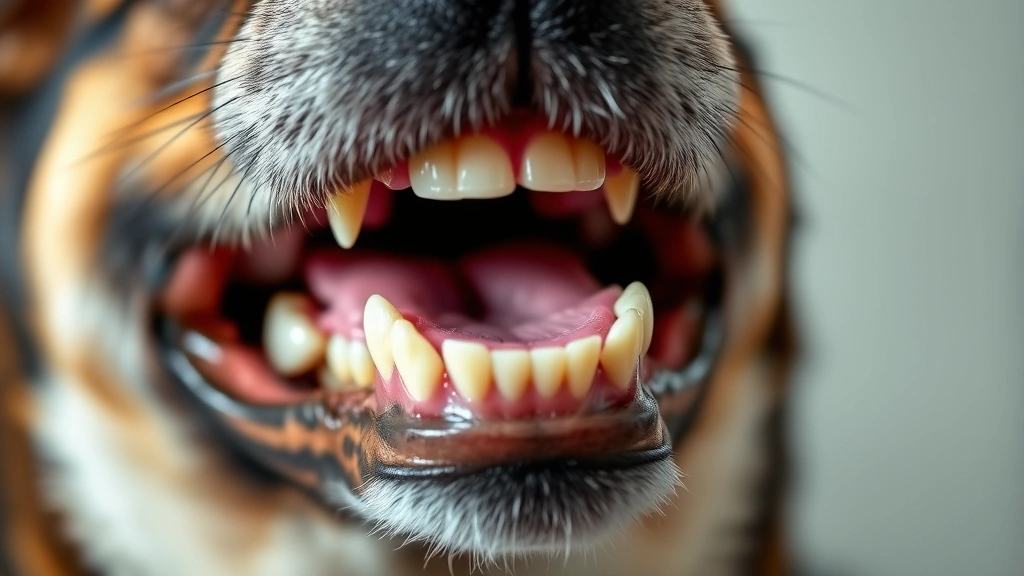
What color should a dog’s gums be? If you’re asking yourself this question, you’re already on your way to being a more observant and responsible pet parent. Your dog’s gums are like a window into their overall health, and knowing what to look for can help you catch potential problems before they become serious issues.
Table of Contents
- The Healthy Gum Color You’re Looking For
- Why Gum Color Matters for Canine Health
- Red or Inflamed Gums: Signs of Dental Disease
- Pale or White Gums: A Serious Red Flag
- Yellow or Brown Gums and Tartar Buildup
- Blue or Purple Gums: Oxygen and Circulation Issues
- The Capillary Refill Time Test: Your DIY Gum Check
- Breed-Specific Gum Variations and Pigmentation
- Gum Health and Overall Wellness Connection
- When to Schedule a Vet Visit for Gum Concerns
- Preventive Care: Keeping Those Gums Pink and Healthy
- Common Misconceptions About Dog Gum Color
- Frequently Asked Questions
- Summary: Your Dog’s Gum Health Matters
The Healthy Gum Color You’re Looking For
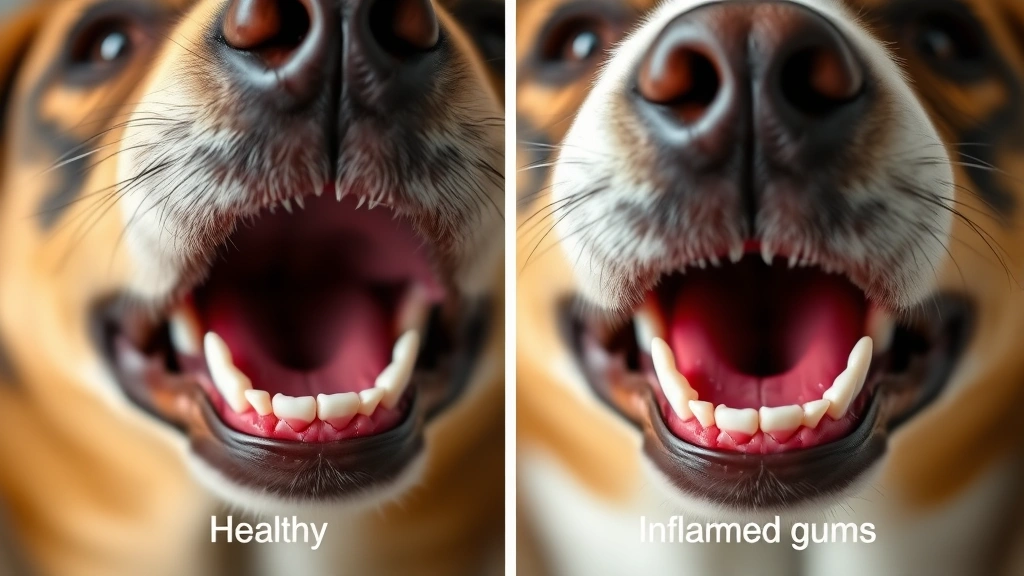
A healthy dog’s gums should be pink—think of the color of a salmon fillet or a ballet dancer’s pointe shoe. This nice, bubblegum pink color indicates good blood circulation and oxygen flow to the tissues in your pup’s mouth. The shade can vary slightly depending on your dog’s breed, age, and pigmentation, but that salmon-pink hue is your golden standard for canine oral health.
Some dogs, particularly those with darker skin pigmentation or certain breeds, may have naturally darker or mottled gums with black patches. That’s completely normal! What matters is consistency—if your dog’s gums have always looked that way, there’s nothing to worry about. The key is knowing what’s normal for YOUR dog specifically.
Why Gum Color Matters for Canine Health
Your dog’s gums are packed with blood vessels, making them an excellent indicator of circulation and overall health. When something goes wrong internally, the gums often show it first. This is why vets always check gum color during routine examinations. It’s one of the quickest ways to assess whether your furry friend is getting adequate oxygen and blood flow throughout their body.
The gum color can reveal issues ranging from mild dental problems to serious systemic diseases. Think of it as your dog’s personal health dashboard—and it’s free to check whenever you want!
Red or Inflamed Gums: Signs of Dental Disease
If your dog’s gums look bright red, swollen, or inflamed, you’re likely dealing with gingivitis or periodontal disease. This is actually one of the most common health issues in dogs, affecting up to 80% of dogs over the age of three. Yikes! The redness indicates inflammation, usually caused by plaque and tartar buildup.
Early signs include bad breath (worse than typical dog breath), red gum lines, and reluctance to chew toys. Your pup might also drool more than usual or have trouble eating. The good news? Caught early, dental disease is manageable. Regular brushing, professional cleanings, and proper chew toys can work wonders. If you notice these signs, schedule a vet visit—your dog will thank you with fresher kisses.
Pale or White Gums: A Serious Red Flag
Pale or whitish gums are a major concern and warrant an immediate veterinary visit. This discoloration typically indicates poor circulation, anemia, or shock. When gums lose their pink color and become pale, it means blood isn’t flowing properly to those tissues.
Causes can range from internal bleeding and severe infections to heart problems and blood disorders. Some dogs experiencing lethargy in dogs may also show pale gums as a symptom. This is genuinely a situation where time matters—don’t wait for an appointment if you notice this change. Call your emergency vet clinic if it’s after hours.
Yellow or Brown Gums and Tartar Buildup
Yellow or brownish discoloration on the gums, especially along the gum line, usually indicates tartar and plaque accumulation. While not as immediately alarming as pale gums, this still requires attention. Tartar buildup can lead to tooth decay, gum disease, and eventually tooth loss.
The longer tartar sits on your dog’s teeth, the more it hardens and the more damage it causes. Professional dental cleaning under anesthesia might be necessary to remove heavy buildup. Prevention is always easier than treatment, so daily tooth brushing is your best defense against this particular gum issue.
Blue or Purple Gums: Oxygen and Circulation Issues
When gums take on a bluish or purplish hue, you’re looking at a serious problem with oxygen circulation. This condition, called cyanosis, means your dog’s tissues aren’t getting enough oxygen. This can indicate heart disease, severe respiratory problems, or other life-threatening conditions.
Blue gums are a veterinary emergency. If you notice this color change, get your dog to an emergency clinic immediately. Don’t delay for any reason. This is one of those situations where every minute counts, and professional intervention could be lifesaving.
The Capillary Refill Time Test: Your DIY Gum Check
Want to do a quick health assessment at home? Try the capillary refill time (CRT) test. Press your finger firmly on your dog’s gum for a couple of seconds, then release. The gum should return to its normal pink color within 1-2 seconds. If it takes longer than 2 seconds for the color to return, it suggests poor circulation and warrants a vet visit.
This simple test can help you catch circulation problems early. It’s something you can do during cuddle sessions or while your pup is relaxed, making it an easy way to stay on top of their health. Think of it as your secret weapon for preventive care.
Breed-Specific Gum Variations and Pigmentation
Some dog breeds naturally have more pigmentation in their gums than others. Chow Chows, for example, are famous for their blue-black tongues and often have darker gum pigmentation too. Shar-Peis and several other breeds also commonly have mottled or darker gums as part of their normal appearance.
The key is understanding what’s normal for your dog’s breed. If your Chow’s gums have always been dark, that’s perfectly healthy. If your Golden Retriever’s gums suddenly become darker or change color, that’s worth investigating. Consistency and sudden changes are what matter most.
Gum Health and Overall Wellness Connection
Your dog’s oral health is directly connected to their overall wellness. Poor dental health doesn’t just affect the mouth—bacteria from infected gums can travel through the bloodstream and affect the heart, kidneys, and liver. This is why regular dental care is so important for your pup’s longevity and quality of life.
Maintaining healthy gums means brushing teeth regularly, providing appropriate chew toys, and scheduling professional cleanings as recommended by your vet. It’s an investment in your dog’s future health and happiness. Plus, knowing your dog is happy includes knowing their mouth is healthy and pain-free.
When to Schedule a Vet Visit for Gum Concerns
Schedule a regular vet appointment if you notice any of these changes: persistent redness or swelling, changes in gum color, bad breath that’s worse than usual, or if your dog seems reluctant to eat. Don’t assume it will go away on its own—gum problems typically get worse without intervention.
For emergency situations, head straight to an emergency clinic if you see pale, blue, or purple gums, or if your dog shows signs of pain, difficulty eating, or excessive drooling combined with gum changes. Trust your instincts—you know your dog better than anyone.
Preventive Care: Keeping Those Gums Pink and Healthy
Prevention is always better than treatment when it comes to gum health. Start with daily tooth brushing if possible—even 3-4 times per week makes a huge difference. Use dog-specific toothpaste (never human toothpaste, which can be toxic) and make it a positive experience.
Provide appropriate chew toys that help clean teeth naturally. Avoid hard objects like bones that can crack teeth. Schedule professional dental cleanings with your vet as recommended—usually annually for adult dogs, more frequently for seniors or breeds prone to dental issues. Some dogs may also benefit from dental treats or water additives designed to support oral health.
Common Misconceptions About Dog Gum Color
Many people think all dogs should have bright pink gums, but as we’ve discussed, that’s not always true. Another myth is that bad breath is just “dog breath” and nothing to worry about—actually, it’s often a sign of dental disease. Some folks also believe that gum problems are cosmetic issues, when really they can indicate serious systemic health problems.
Understanding the truth about gum health helps you be a better advocate for your dog’s wellbeing. Don’t fall for these myths—stay informed and stay vigilant about your pup’s oral health.
Frequently Asked Questions
What should healthy dog gums look like?
Healthy dog gums should be pink (salmon or bubblegum pink), firm, and moist. They should have no swelling, redness, or discharge. Some dogs naturally have darker or mottled gums due to breed or pigmentation, which is normal if it’s consistent with their baseline appearance.
Why are my dog’s gums pale?
Pale gums indicate poor circulation and can signal serious conditions like anemia, internal bleeding, shock, or heart disease. This requires immediate veterinary attention. Don’t wait—contact your vet or emergency clinic right away if you notice this change.
Can I check my dog’s gum color at home?
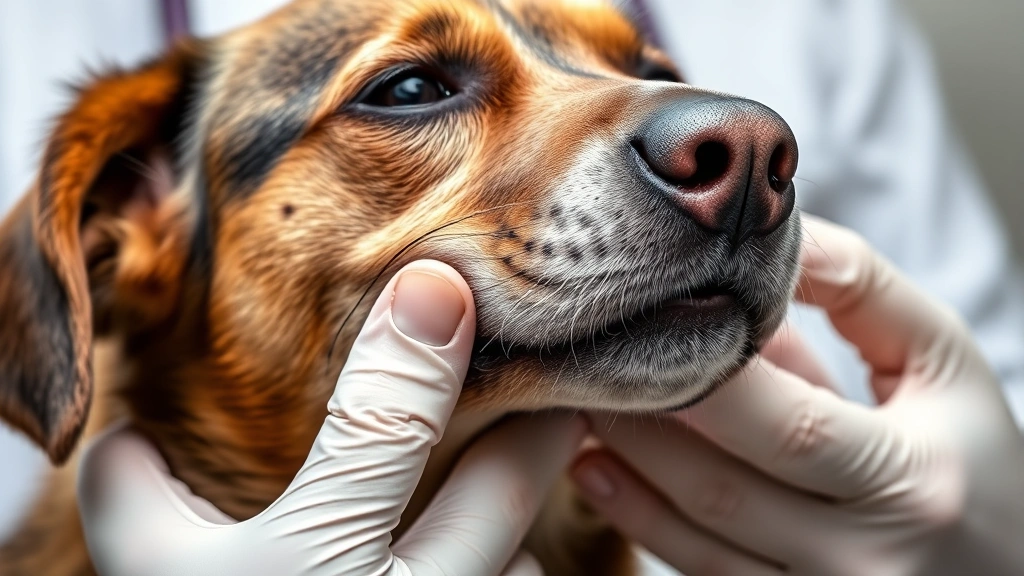
Absolutely! Regularly checking your dog’s gum color is a great preventive habit. Gently lift your dog’s lip and look at the gums. You can also perform the capillary refill time test by pressing on the gum and timing how long it takes to return to normal color (should be 1-2 seconds).
How often should my dog have professional dental cleanings?
Most adult dogs benefit from professional dental cleaning annually, though some breeds or individual dogs may need more frequent cleanings. Senior dogs and those with existing dental disease should be evaluated more frequently. Your vet can recommend the best schedule for your dog based on their age, breed, and oral health status.
Is bad breath in dogs normal?
While dogs don’t have minty-fresh breath, truly bad or foul-smelling breath often indicates dental disease or other health issues. It’s not something to ignore. If your dog’s breath has suddenly become noticeably worse, schedule a vet visit to rule out oral or systemic problems.
What foods help keep dog gums healthy?
High-quality dog food supports overall health, including oral health. Some dogs benefit from dental-specific diets formulated to reduce plaque and tartar. Avoid sugary treats and foods that stick to teeth. Always consult your vet before making major dietary changes.
Can gum disease in dogs be reversed?
Early-stage gum disease (gingivitis) can often be reversed with professional cleaning and improved home care. Advanced periodontal disease causes permanent damage to tooth structure and bone, but professional treatment can prevent further deterioration and tooth loss. Early intervention is key.
Summary: Your Dog’s Gum Health Matters
Your dog’s gums are a vital health indicator that deserves regular attention. Knowing what color should a dog’s gums be—primarily a healthy pink—helps you catch problems early and keep your furry friend healthy and happy. Regular checks at home combined with annual vet exams create a solid preventive care routine.
Remember: pale, blue, or purple gums are emergencies requiring immediate veterinary care. Red, swollen, or discolored gums need prompt attention. And if you ever notice changes in your dog’s gum color or appearance, don’t hesitate to contact your veterinarian. Your dog depends on you to notice these details, and catching problems early can mean the difference between a simple fix and a serious health crisis.
For more information about maintaining your dog’s overall health, check out our comprehensive blog for additional pet health resources. And if you’re concerned about other health indicators, learn more about lipoma in dogs and other common conditions.
Keep those gums pink, those teeth clean, and your pup smiling!





