

Ever wondered what do dogs dream about when they cry during their afternoon nap? That twitching tail, those little whimpers, and those occasional tears might have you convinced your pup is reliving their worst nightmare—or maybe their best adventure. The truth is way more fascinating (and less heartbreaking) than you think.
Table of Contents
- Do Dogs Actually Dream Like Humans?
- Why Do Dogs Cry During Sleep?
- Common Dream Scenarios for Dogs
- Understanding REM Sleep in Dogs
- Is Your Dog Having a Nightmare?
- How Much Sleep Do Dogs Need?
- Factors That Influence Dog Dreams
- Should You Wake Your Dreaming Dog?
- The Connection Between Dreams and Emotional Health
- What Vets Say About Dog Dreams
- Frequently Asked Questions
- Final Thoughts: Your Dog’s Dream World
Do Dogs Actually Dream Like Humans?
Yes, dogs absolutely dream, and science backs this up. During REM (Rapid Eye Movement) sleep, both humans and dogs experience vivid dreams. Your dog’s brain goes through similar sleep cycles as yours does, which means they’re not just lying there in a vegetative state. They’re processing memories, emotions, and experiences from their day. When you notice your pup twitching or making those adorable running motions with their paws, they’re likely deep in dreamland.
Researchers have found that mammals share similar brain structures responsible for dreaming. Dogs have a hippocampus and cortex, just like humans, which are crucial for memory formation and processing. So when your dog is snoozing away, their brain is actively working through the day’s events.
Why Do Dogs Cry During Sleep?
Those little whimpers and occasional tears aren’t necessarily signs of distress. Dogs cry during sleep for several reasons. First, their nervous system might be firing in ways that trigger vocal responses—kind of like how humans sometimes talk in their sleep. Second, emotional processing during dreams can cause physical reactions. If your dog is dreaming about something exciting or mildly stressful, their body might respond with whimpers or yelps.
The good news? Most of the time, your dog isn’t having a nightmare. They’re probably just experiencing the natural neurological activity that comes with dreaming. It’s similar to how you might jerk awake suddenly or mumble in your sleep without actually being in distress.
Common Dream Scenarios for Dogs
So what do dogs dream about? Based on behavioral research and what we know about canine cognition, dogs likely dream about:
- Play and fetch: That squirrel chase that never quite ended
- Their humans: The people they love and depend on
- Food: Because, let’s be honest, dogs think about food constantly
- Other dogs: Doggy playdates and social interactions
- Exploring: That interesting smell they found on the morning walk
Dogs dream about experiences that matter to them. If your dog had an exciting day at the park, there’s a solid chance they’re reliving it in their dreams. This is actually a sign of a healthy, stimulated dog. Boredom and lack of mental enrichment can affect sleep quality and dream patterns.
Understanding REM Sleep in Dogs
Dogs spend about 10-12% of their sleep time in REM sleep, compared to humans who spend about 20-25%. This means their dreams are shorter but potentially more intense. When your dog enters REM sleep, their muscles become temporarily paralyzed (except for the diaphragm), which is why you might see twitching—their brain is telling their muscles to move, but they’re locked in place during this sleep stage.
This muscle atonia is actually protective. It prevents your dog from acting out their dreams and potentially hurting themselves or you. Imagine if your dog could fully run during a dream—your bedroom would become a demolition zone!
Is Your Dog Having a Nightmare?
While most dog dreams are probably pleasant or neutral, dogs can experience nightmares. Signs of a nightmare include intense thrashing, loud yelping, or sudden waking with visible distress. If your dog seems genuinely upset, you might gently wake them. However, be cautious—a startled dog might snap reflexively, even if they’re normally sweet.
A dog that’s happy and well-adjusted is more likely to have pleasant dreams. Dogs that experience anxiety, trauma, or chronic stress may have more disturbing dreams. If your dog frequently has what appear to be nightmares, consider whether they’re getting enough mental stimulation and whether they might benefit from addressing behavioral or emotional issues.
How Much Sleep Do Dogs Need?
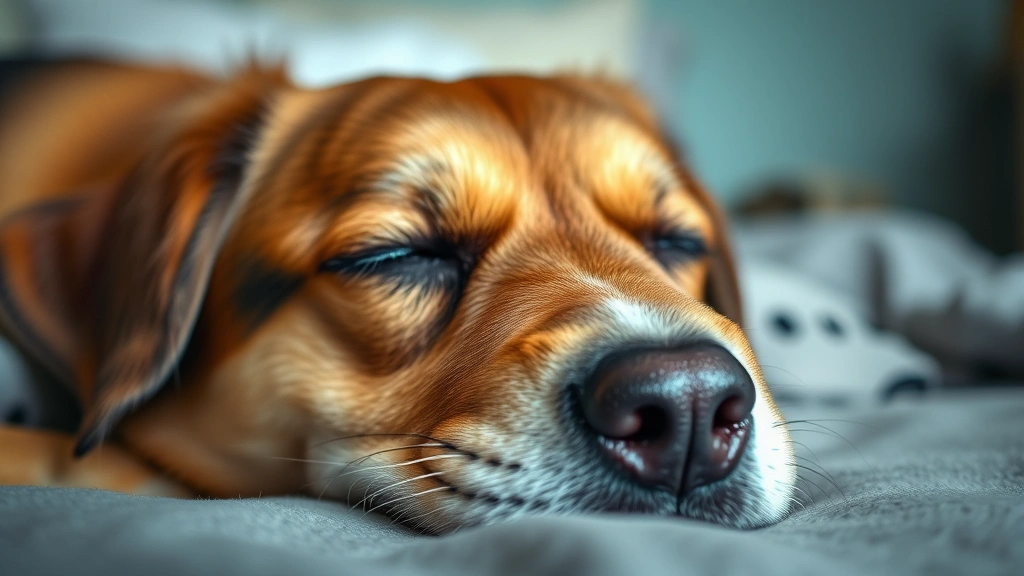
Dogs need 12-14 hours of sleep per day on average, with older dogs sometimes needing up to 18 hours. This extensive sleep time is crucial for their physical health, emotional regulation, and memory consolidation. During this time, they’re cycling through different sleep stages, including REM sleep where dreaming occurs.
Puppies and senior dogs tend to sleep more than adult dogs. If you notice your dog is unusually lethargic or sleeping excessively beyond their normal patterns, it might be worth mentioning to your vet, as it could indicate an underlying health issue.
Factors That Influence Dog Dreams
Several things can affect what and how intensely your dog dreams:
- Daily activities: More stimulation means more material for dreams
- Diet and nutrition: Proper nutrition supports healthy brain function
- Age: Puppies and seniors have different sleep needs and patterns
- Health status: Pain or illness can disrupt sleep quality
- Stress levels: Anxious dogs may experience more turbulent sleep
- Exercise: A tired dog is a dog with good sleep quality
If your dog isn’t getting enough physical activity, they might not be sleeping as deeply or dreaming as vividly. Regular exercise is essential for not just physical health but also mental well-being. Dogs that get adequate exercise tend to have better sleep patterns and more restorative rest.
Should You Wake Your Dreaming Dog?
Generally, it’s best to let sleeping dogs lie—literally. Even if your dog seems to be having a rough dream, waking them suddenly can be startling and might cause them to snap defensively. The exception is if your dog is in actual danger (thrashing near furniture they could hit, for example) or if the distress seems severe and prolonged.
If you do need to wake your dog, do it gently. Call their name softly or gently touch them rather than startling them awake. This helps them transition from sleep to wakefulness more smoothly.
The Connection Between Dreams and Emotional Health
Dreaming is actually a sign of emotional processing and psychological health. Dogs that dream regularly are likely processing their experiences and emotions in a healthy way. This is why enriched environments and varied daily experiences are so important for dogs—they provide material for healthy dreaming and memory consolidation.
If your dog seems anxious or stressed during waking hours, they might experience more disturbing dreams. Creating a calm, safe sleep environment can help. A comfortable bed, a quiet space, and a consistent sleep schedule all contribute to better sleep quality and more peaceful dreams.
What Vets Say About Dog Dreams
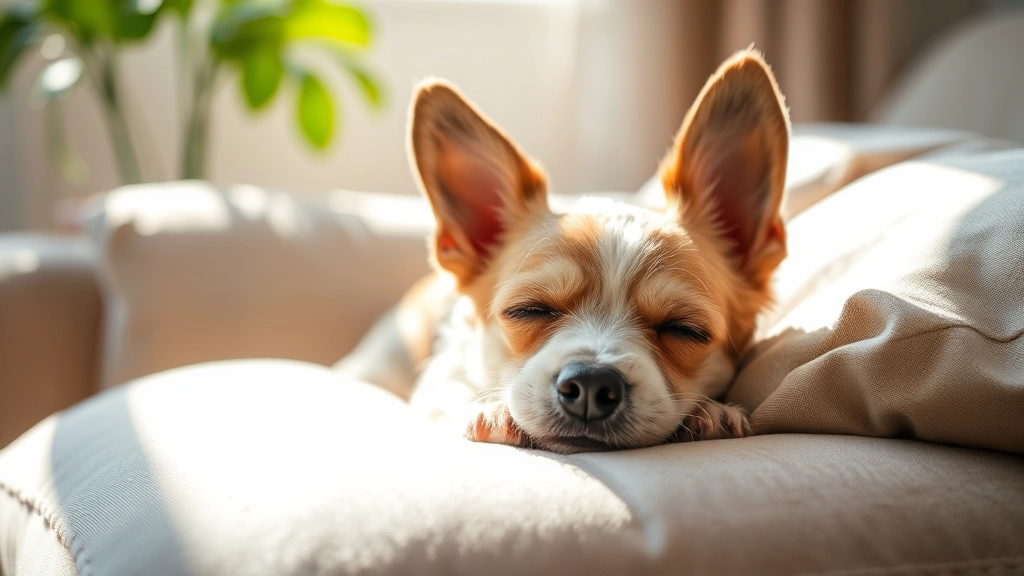
According to veterinary behaviorists and sleep researchers, dog dreaming is completely normal and healthy. The American Veterinary Medical Association acknowledges that dogs experience REM sleep and dream just like humans do. There’s no need to worry about your dog’s occasional whimpers or twitches during sleep—it’s all part of normal canine physiology.
If you’re concerned about your dog’s sleep patterns or notice significant changes in their behavior or sleep habits, consult your veterinarian. They can rule out any underlying health issues and provide recommendations for optimizing your dog’s sleep quality.
Frequently Asked Questions
Can dogs have nightmares?
Yes, dogs can experience nightmares, though it’s probably less common than pleasant dreams. Signs include intense thrashing, loud yelping, or sudden waking with visible distress. Dogs with anxiety or past trauma may be more prone to disturbing dreams.
Why does my dog cry in their sleep?
Crying during sleep is usually just normal neurological activity. Your dog’s brain is firing signals, processing emotions, and experiencing dreams. It’s rarely a sign of actual distress, though occasionally it could indicate they’re reliving a stressful experience.
Is it bad if my dog twitches while sleeping?
Not at all! Twitching, paddling motions, and muscle jerks during sleep are completely normal. This happens because your dog’s brain is active during REM sleep while their muscles are temporarily paralyzed. It’s actually a healthy sign of normal sleep architecture.
How can I help my dog sleep better?
Ensure your dog gets adequate daily exercise, maintain a consistent sleep schedule, provide a comfortable sleeping area, minimize noise and disruptions, and keep their environment at a comfortable temperature. A healthy diet and appropriate supplements can also support better sleep quality.
Do all dogs dream?
Yes, all mammals with REM sleep cycles dream, and all dogs experience REM sleep. However, the intensity and vividness of dreams may vary based on age, health, stress levels, and daily experiences.
Final Thoughts: Your Dog’s Dream World
The next time you see your dog twitching, whimpering, or making running motions in their sleep, you can rest assured they’re probably having a perfectly normal dream. Whether they’re chasing that squirrel, playing with their favorite toy, or reliving a fun day at the park, your pup’s dream world is a natural and healthy part of their sleep cycle.
What your dog dreams about when they cry during sleep is likely something pleasant or emotionally significant to them. By ensuring your dog gets plenty of exercise, mental stimulation, a comfortable sleep environment, and proper nutrition, you’re setting the stage for healthy, restorative sleep and pleasant dreams.
Remember, if you ever notice dramatic changes in your dog’s sleep patterns, excessive vocalization during sleep, or signs of pain or distress, reach out to your veterinarian. They can help ensure your furry friend is in perfect health and sleeping soundly. Sweet dreams to your pup!





