
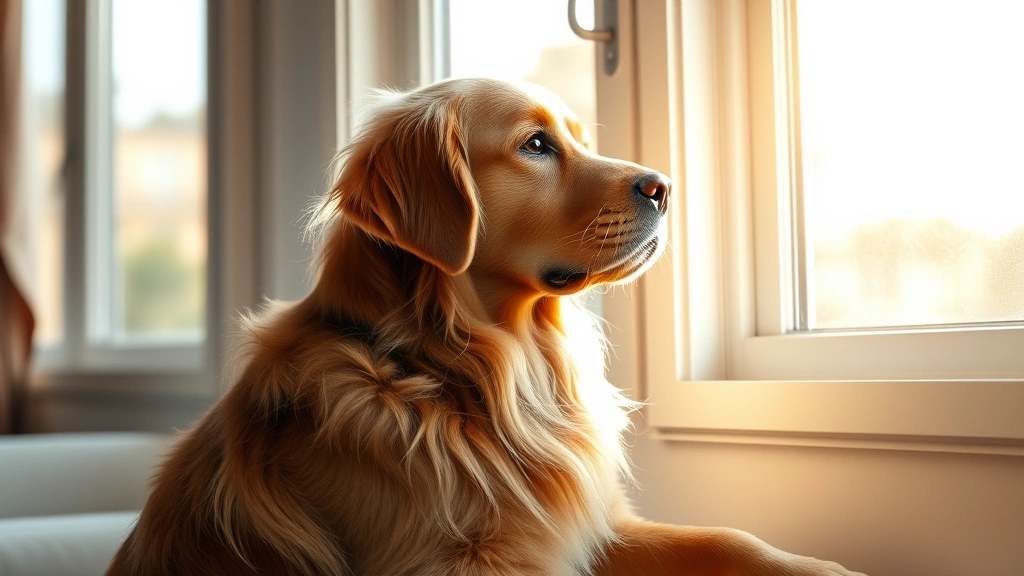
Ever wondered what do dogs think about all day long? Your pup isn’t just staring into space—their brain is constantly working, processing the world around them in ways that might surprise you. Dogs think about way more than just food and fetch, though those definitely make the highlight reel. Let’s dig into the fascinating canine mind and uncover what’s really going on in that adorable furry head.
Table of Contents
- Dogs Are Constantly Thinking About You
- Memory and Past Events Shape Canine Thoughts
- The Scent-Driven Mind: What Dogs Really Focus On
- Anticipation and Planning Occupy Their Brain
- Social Hierarchy and Pack Dynamics
- Emotional Processing and Feelings
- Food Is Always on the Menu (Literally)
- Sensory Experiences and Environmental Awareness
- Play and Entertainment Strategies
- The Mystery of Dreams and Sleep Thoughts
- Health and Physical Sensations
- Frequently Asked Questions
- Conclusion: Understanding the Canine Mind
Dogs Are Constantly Thinking About You
Your dog thinks about you way more than you probably realize. Research shows that dogs form strong emotional bonds with their owners, similar to how human parents bond with their children. When you leave for work, your pup isn’t just napping—they’re actually thinking about when you’ll come home. Studies have demonstrated that dogs can recognize their owner’s scent, voice, and even their car sound from blocks away. Your dog’s brain is literally wired to keep tabs on you throughout the day, making you the star of their internal monologue.
Memory and Past Events Shape Canine Thoughts
Dogs have impressive memories, especially when it comes to events that matter to them. If you’ve ever taken your dog to the vet and they start acting anxious the moment you grab your car keys, you’ve witnessed their memory in action. Dogs think about past experiences constantly—good ones like trips to the dog park or Kong Extreme Dog Toy Fetch sessions, and not-so-good ones like bath time or nail trimming. Their brains create associations between actions and outcomes, which is why your dog might hide when they see the leash if they’ve had a bad experience at the groomer.
The Scent-Driven Mind: What Dogs Really Focus On
When asking what do dogs think about, you can’t ignore the role scent plays in their consciousness. Dogs experience the world primarily through their nose, not their eyes like humans do. Their sense of smell is 10,000 to 100,000 times more sensitive than ours. This means your dog’s thoughts are heavily dominated by scent information—they’re constantly analyzing the chemical composition of their environment. That interesting smell on the sidewalk? Your dog is thinking about where that dog came from, how long ago they passed by, and whether they’re a friend or foe. Scent is basically the dog equivalent of reading a detailed biography.
Anticipation and Planning Occupy Their Brain
Dogs are surprisingly good at anticipating what comes next. If you always feed your dog at 6 PM, they’ll start thinking about dinner around 5:45 PM. This demonstrates that dogs engage in temporal thinking—they understand sequences and can predict outcomes. Your pup thinks about the chain of events: owner comes home, door opens, leash appears, walk happens, treats happen. Dogs also think about problem-solving, especially when they want something they can’t reach. They’ll strategize how to get that toy stuck under the couch or figure out how to open the cabinet where you keep the rotisserie chicken.
Social Hierarchy and Pack Dynamics
Even though modern dogs aren’t living in strict packs like wolves, they still think about social structure and where they fit in the household hierarchy. Dogs constantly assess their relationships with other pets and family members. They think about who’s the “leader” and who they can play with. If you have multiple dogs, they’re thinking about their ranking, who gets to eat first, and who gets the best spot on the couch. These thoughts influence their behavior and interactions throughout the day. Dogs also think about fairness—if one dog gets a treat and another doesn’t, the untreated dog will definitely be thinking about that injustice.
Emotional Processing and Feelings
Dogs experience genuine emotions, and they spend time processing these feelings. When your dog seems guilty after chewing your shoe, they’re thinking about your emotional reaction more than the act itself. Dogs are incredibly attuned to human emotions and will think about whether you seem happy, sad, stressed, or angry. If you come home upset, your dog will likely try to comfort you because they’re thinking about your emotional state. They also experience fear, joy, excitement, and even boredom. A bored dog isn’t just sitting around—they’re actively thinking about how unstimulated they are, which is why chewing on sticks and other destructive behaviors emerge.
Food Is Always on the Menu (Literally)
Let’s be honest: dogs think about food constantly. This isn’t a character flaw—it’s evolutionary biology. Dogs are hardwired to think about their next meal because in the wild, food sources were unpredictable. Your dog’s brain is constantly monitoring for food-related cues: the sound of the pantry door, the smell of cooking, or the sight of you picking up their food bowl. They think about what they ate yesterday and whether today’s meal might be better. They also think about food they’ve seen other dogs eat, which is why your pup will suddenly become interested in salmon good for dogs after watching a neighbor’s pup enjoy it.
Sensory Experiences and Environmental Awareness
Dogs think about their sensory environment in ways we can barely comprehend. They hear frequencies we can’t, see in different color spectrums, and smell things we’d never detect. So what do dogs think about sensorially? They’re thinking about that high-pitched sound only they can hear, the slight movement in the bushes, or the interesting smell drifting from three blocks away. They’re constantly processing and cataloging sensory information, which is why your dog might suddenly perk up and bark at seemingly nothing—they’re responding to sensory input you’re completely unaware of.
Play and Entertainment Strategies
Dogs actively think about play and how to entertain themselves. They strategize games, remember which toys are the most fun, and even think about how to get you to play with them. Your dog might bring you a toy and drop it at your feet, wait for your reaction, and if you ignore them, try a different toy. This is problem-solving and planning in action. Dogs also think about the rules of play—they understand that a certain type of growl means “this is fun” versus a different growl that means “I’m genuinely upset.” They’re constantly evaluating play scenarios and adjusting their behavior based on feedback.
The Mystery of Dreams and Sleep Thoughts
When your dog is twitching and paddling their paws while sleeping, they’re likely dreaming and thinking about something. Research suggests that dogs dream about their daily experiences, similar to humans. Your dog might be reliving that amazing squirrel chase from earlier or replaying the moment you came home from work. Scientists believe dogs probably dream about the people and other animals in their lives. Those little barks and whimpers during sleep? Your pup is actively thinking and processing information in their dreams, consolidating memories and experiences.
Health and Physical Sensations
Dogs think about their bodies and physical sensations, though not in a hypochondriac way like some humans do. When your dog is itching, limping, or acting uncomfortable, they’re thinking about that sensation. They might think about medicine for motion sickness for dogs if they’ve had bad car experiences. Dogs also think about their comfort—whether they’re too hot, too cold, or need to use the bathroom. They’ll communicate these thoughts through behavior, which is why understanding your dog’s physical needs is crucial to their happiness.
Frequently Asked Questions
Do dogs think in words or images?
Dogs likely think in images, scents, and emotions rather than words. Their brains are wired differently from humans. They process information through sensory experiences and emotional associations. When you say “walk,” your dog doesn’t think the word “walk”—they think about the sensory experience of going outside, the smells they’ll encounter, and the excitement of the activity.
How long can dogs focus their thoughts?
Dogs can focus for about 5-30 seconds depending on the breed, age, and training. Working breeds and younger dogs tend to have longer attention spans. However, this doesn’t mean they’re not thinking—they’re just processing multiple thoughts rapidly and moving between them quickly. This is why training sessions work best in short bursts.
Can dogs think about the future?
Dogs can think about the near future, especially regarding predictable events. They understand sequences and can anticipate what comes next based on patterns. However, dogs don’t seem to have the same long-term future planning abilities that humans do. They live much more in the present moment, though they do remember past events vividly.
Do all dogs think the same way?
No, different breeds and individual dogs have different thinking patterns. Herding dogs might think more about movement and control, while hunting dogs might be more scent-focused. Age, training, and individual personality also affect how dogs think. A senior dog will have different thought patterns than a young puppy.
What do dogs think about when they stare at you?
When your dog stares at you, they’re likely thinking about you, reading your emotional state, or anticipating something (like a treat or a walk). Dogs use eye contact to communicate and bond with their owners. That intense stare is your dog’s way of thinking about you and your relationship together.
Conclusion: Understanding the Canine Mind
So what do dogs think about? The answer is complex and fascinating. Dogs think about you, their memories, scents, food, emotions, play, and their place in your household. They’re constantly processing sensory information and anticipating future events. While we’ll never fully understand exactly what goes on in a dog’s mind, we know it’s far more sophisticated and emotional than many people realize. Your dog isn’t just a simple creature living moment to moment—they’re a thinking, feeling being with memories, preferences, and genuine affection for you. The next time you catch your pup staring into space, remember they’re probably thinking about something pretty interesting from their perspective. Understanding these thought patterns helps us be better dog owners and can deepen the bond we share with our furry best friends.





