

When your beloved dog passes away, you’re facing one of life’s most painful moments—and honestly, what do I do when my dog died is probably the first question racing through your head right now. This guide walks you through the immediate steps, emotional processing, and meaningful ways to honor your furry best friend.
Table of Contents
- The Immediate Aftermath: What Happens Right Now
- Choosing a Final Resting Place: Burial vs. Cremation
- The Emotional Tsunami: Grief Is Real and Valid
- Managing Household Changes: The Quiet House
- Creating Meaningful Memorials and Tributes
- When to Consider Another Dog: The Guilt Question
- Understanding Pet Loss Resources and Support
- Special Circumstances: When Euthanasia Was the Right Choice
- The Long Road: Grief Doesn’t Follow a Timeline
- Frequently Asked Questions
- Summary: Honoring Your Dog’s Legacy
The Immediate Aftermath: What Happens Right Now
The first few hours after your dog’s death are surreal. Your brain might feel foggy, your chest tight. Before you can think about memorials or grief counseling, you need to handle some practical matters. If your dog died at home, you’ll need to decide whether to contact your veterinarian, a pet cremation service, or an animal hospital. Don’t rush this decision—take a breath first.
Call your vet’s office immediately. They can guide you through next steps and may offer to pick up your pet’s body if that feels overwhelming. Many vets have established relationships with cremation services and can facilitate the process smoothly. This isn’t something you need to figure out alone.
Choosing a Final Resting Place: Burial vs. Cremation
You have several options for what happens to your dog’s body, and there’s no universally “right” choice—only what feels right for your family.
Home Burial: Some pet owners choose to bury their dogs in the backyard. Check local regulations first; some areas prohibit pet burials. If permitted, choose a deep spot (at least 3 feet) away from water sources. This creates a physical place to visit and remember.
Pet Cremation: This is the most common choice. Individual cremation means your dog is cremated alone, and you receive their ashes in an urn. Communal cremation is more affordable but you won’t receive specific ashes back. Many pet owners find cremation gives them flexibility—some scatter ashes in meaningful locations, while others keep the urn at home.
Pet Cemeteries: Dedicated pet cemeteries offer headstones and maintained grounds. It’s a formal option that provides a specific place for remembrance, similar to human cemeteries.
The Emotional Tsunami: Grief Is Real and Valid
Here’s something nobody tells you: pet grief is legitimate grief. Your dog wasn’t “just a pet.” That animal was your daily companion, your emotional support, your reason to get outside. Losing a dog means losing routines, comfort, and unconditional love. Don’t let anyone minimize what you’re experiencing.
You might cycle through denial, anger, bargaining, depression, and acceptance—sometimes all in one day. You might cry at random moments. You might feel guilty about things you wish you’d done differently. All of this is normal. The American Veterinary Medical Association recognizes pet loss as a significant life event worthy of genuine grief work.
Consider reaching out to pet loss support hotlines like the University of California’s Pet Loss Support Hotline (they’re free and staffed by trained volunteers) or the ASPCA’s pet loss resources. Talking to someone who understands helps immensely.
Managing Household Changes: The Quiet House
The silence is what gets you first. No jingling collar when you come home. No paws on the kitchen tile. No snoring from the dog bed you can’t bring yourself to put away yet. These absences hit harder than you’d expect. That memory foam dog bed suddenly feels like a monument to loss.
Don’t rush to remove your dog’s belongings. Some people need a few days; others need weeks. There’s no timeline. When you’re ready, you can donate items to shelters, keep a collar as a keepsake, or store things away for later reflection. Some owners find comfort in creating a small memorial corner with photos and a candle.
Your other pets might also grieve. Dogs who lose a companion may experience lethargy in dogs or behavioral changes. Maintain their routines, offer extra attention, and consider whether they might benefit from a new companion eventually (but not immediately—give everyone time to adjust).
Creating Meaningful Memorials and Tributes
Honoring your dog’s memory helps process grief and celebrate their life. Here are meaningful ways to remember:
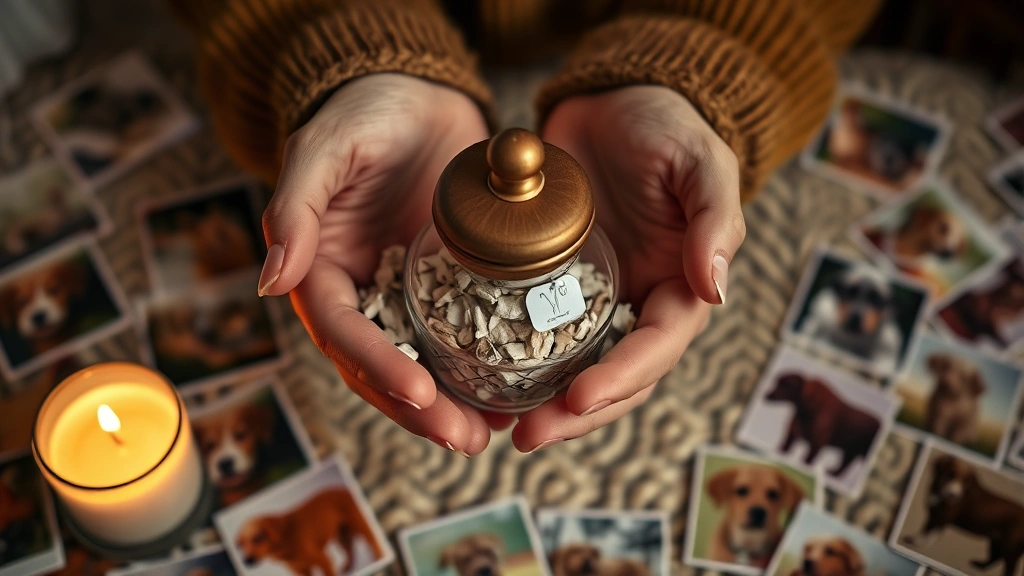
Photo Albums or Digital Galleries: Compile your favorite photos and videos. Many people create digital memorial pages or photo books they can revisit without pain—eventually, these become sources of joy rather than sadness.
Charitable Donations: Donate to animal shelters, breed-specific rescues, or veterinary schools in your dog’s name. This transforms grief into action that helps other animals.
Planting a Tree or Garden: Some families plant a tree or create a garden space in their yard as a living memorial. Every spring, it grows and flourishes—a beautiful metaphor for how your dog’s impact continues.
Commissioning Pet Art: Professional pet portraits, custom illustrations, or even sculptures can capture your dog’s unique personality and provide a beautiful focal point for remembrance.
Writing Their Story: Journaling about your dog—their quirks, favorite activities, funny moments—preserves their memory in detail. You might write letters, poems, or just stream-of-consciousness reflections.
When to Consider Another Dog: The Guilt Question
Eventually, you might wonder if getting another dog is betrayal or healing. Here’s the truth: there’s no timeline, and only you can decide. Some people need months; others need years. Some people never want another dog, and that’s equally valid.
When you do feel ready, understand that a new dog isn’t a replacement—it’s a new chapter. Your previous dog’s memory doesn’t diminish because you’ve welcomed another companion. Is my dog happy becomes a new question with a new answer, and that’s okay. Many people find that adopting a rescue dog channels their grief into something constructive.
Understanding Pet Loss Resources and Support
You’re not alone in this experience. Millions of people grieve their pets annually, and professional resources exist specifically for this.
The American Kennel Club (AKC) offers resources on pet loss and grief support. PetMD has comprehensive articles about coping with pet death. Many veterinary schools, including Cornell University’s College of Veterinary Medicine, maintain pet loss support hotlines staffed by compassionate professionals.
Online communities dedicated to pet loss can be invaluable. Facebook groups, Reddit communities (r/petloss), and forums connect people experiencing similar grief. Reading others’ stories—their memories, their pain, their eventual healing—normalizes what you’re going through.
Special Circumstances: When Euthanasia Was the Right Choice
If you made the decision to euthanize your dog due to illness or suffering, guilt often accompanies grief. This is especially true for conditions like is it cruel to keep a blind dog—situations where you had to weigh quality of life against quantity of time.
Let’s be clear: choosing euthanasia to end suffering is an act of love, not cruelty. Your dog trusted you to make that decision, and you chose compassion over prolonging pain. Veterinarians perform thousands of euthanasias annually, and they understand the weight of this choice. If guilt is consuming you, talking to your vet about the decision-making process can help reframe it as the merciful choice it was.
The Long Road: Grief Doesn’t Follow a Timeline
People often expect grief to follow predictable stages, but pet loss grief is messier than that. You might feel fine for weeks, then suddenly fall apart seeing a dog that looks similar. You might reach for the leash out of habit. You might set a place at the table before remembering.

These moments aren’t setbacks—they’re evidence of how deeply your dog mattered. Grief isn’t something to “get over”; it’s something to integrate. Eventually, sadness transforms into bittersweet nostalgia. You’ll smile more than cry when remembering your dog. The sharp pain dulls into a gentle ache that surfaces occasionally but doesn’t consume you.
Most people find that within 6-12 months, they can think about their dog without acute pain. Some take longer. Some never fully stop missing their companion, and that’s beautiful—it means your dog was truly special.
Frequently Asked Questions
How long does pet grief last?
Pet grief typically peaks within the first few weeks to months, then gradually softens over 6-12 months. However, grief is individual—some people process loss faster, others need more time. Anniversaries, holidays, or seeing similar dogs can trigger grief waves even years later. This doesn’t mean you’re not healing; it means your dog mattered deeply.
Is it normal to feel guilty after my dog dies?
Absolutely. Guilt is one of the most common emotions after pet loss. People feel guilty about vet bills they couldn’t afford, time they didn’t spend, or choices they made. These feelings are normal but often irrational—you likely did the best you could with the resources and knowledge you had. Consider speaking with a grief counselor or pet loss support group to process these feelings.
Should I get another dog right away?
No. Most grief experts recommend waiting at least a few months before getting another pet. This gives you time to fully process your loss and ensures you’re adopting for the right reasons—not as a replacement, but as a new companion. However, some people find that volunteering at shelters helps them heal faster than waiting alone.
How do I explain my dog’s death to my children?
Be honest, age-appropriate, and allow space for their emotions. Use clear language (“died” rather than “went to sleep”) to avoid confusion. Let them ask questions, cry, and express feelings. Consider creating a memorial together—a photo album, planting a tree, or writing letters to their pet. Children grieve differently than adults, and their questions might seem random or repetitive; answer them patiently.
Can I get my dog’s ashes back after cremation?
Yes, if you choose individual cremation. Ask your vet or cremation service about this option before proceeding. Individual cremation costs more than communal cremation but ensures you receive your specific dog’s ashes. You can then keep the urn, scatter the ashes in a meaningful location, or create jewelry with some of the ashes.
Summary: Honoring Your Dog’s Legacy
When your dog dies, you’re navigating practical decisions, emotional devastation, and the strange silence of a home that no longer contains their presence. There’s no single right way to handle this—only what feels right for you and your family.
What do I do when my dog died? You grieve. You remember. You allow yourself to feel the full weight of loss because it reflects the full weight of love. You make practical decisions about their body. You honor their memory through photos, donations, or memorials. You lean on support systems. And eventually, you learn to carry their memory forward without the acute pain that defines early grief.
Your dog’s impact doesn’t end with their death. The lessons they taught you about unconditional love, loyalty, and living in the moment continue. That’s their true legacy—not just in photos or urns, but in who you’ve become because they were in your life.
Take the time you need. Grieve fully. And know that millions of people understand exactly what you’re going through.





