
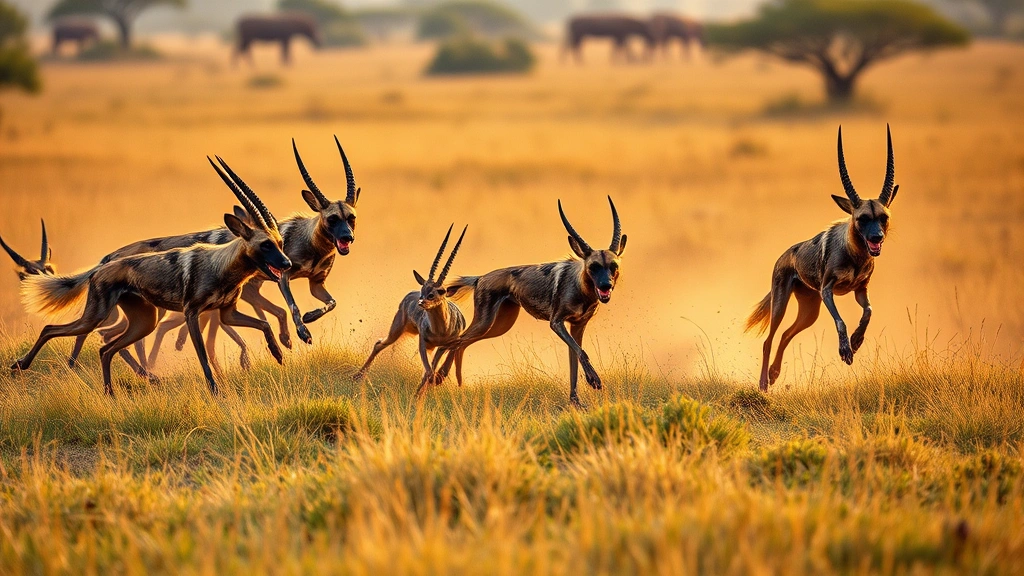
So you’re wondering what do wild dogs eat? Well, buckle up, because these furry survivors are way more resourceful than your couch potato pooch at home. Wild dogs aren’t exactly picky eaters—they’re opportunistic hunters and scavengers who’ll eat just about anything that doesn’t eat them first.
Table of Contents
- The Carnivore Reality: What Wild Dogs Hunt
- Small Game and Rodent Hunting Strategies
- The Scavenging Side: Finding Easy Meals
- Seasonal Eating Patterns and Prey Availability
- Vegetation and Plant Matter: The Surprising Supplement
- Pack Hunting Advantages and Meal Distribution
- Comparing Wild Dogs to Other Canine Species
- Geographic Variations in Wild Dog Diets
- Nutritional Needs and Caloric Requirements
- Human Food and Urban Wild Dogs
- Comparison to Domesticated Dog Nutrition
- Health Implications and Parasite Risks
- Frequently Asked Questions
- Conclusion: The Wild Dog Survival Strategy
The Carnivore Reality: What Wild Dogs Hunt
Let’s get real: wild dogs are carnivores at heart. Unlike domesticated dogs who’ve evolved alongside humans for thousands of years, wild dogs maintain their predatory instincts in full force. They hunt medium-sized prey like gazelles, impalas, and antelopes in Africa, while wild dogs in other regions target rabbits, deer, and smaller mammals. These packs are incredibly efficient hunters, with success rates that would make your pet jealous. When they bring down prey, every pack member gets a share—it’s nature’s version of a family dinner, minus the table manners.
Small Game and Rodent Hunting Strategies
Wild dogs don’t just go after the big game. They’re equally skilled at hunting smaller prey like rodents, hares, and ground-dwelling birds. This flexibility in diet is actually what makes them such successful survivors. When larger prey is scarce, they can pivot to smaller targets without missing a beat. Young pups learn these hunting techniques from older pack members through play and observation—it’s like a canine apprenticeship program that lasts months.
The Scavenging Side: Finding Easy Meals
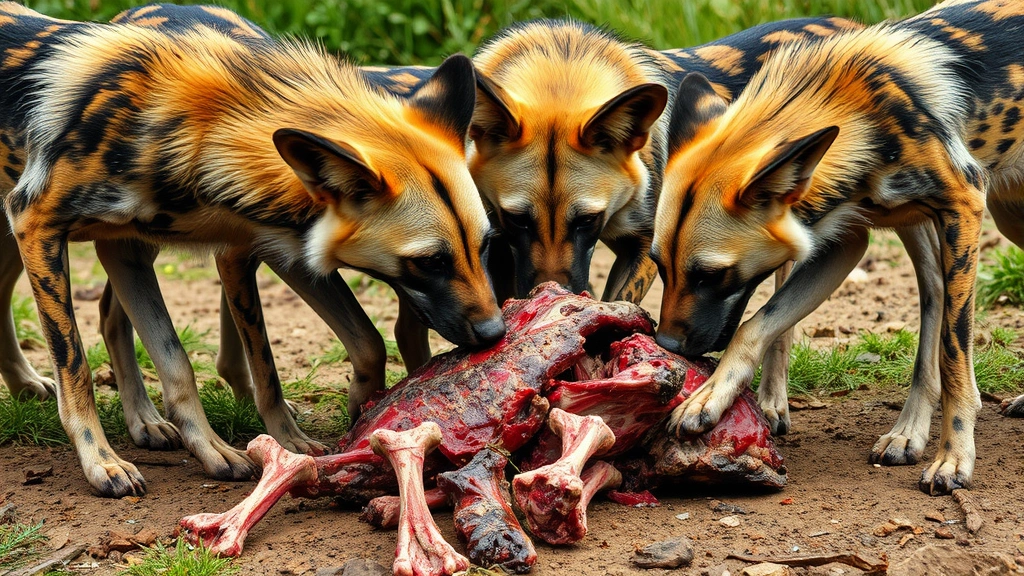
Here’s where wild dogs show their practical side: they’re shameless scavengers. If there’s leftover kill from a lion or leopard, wild dogs will absolutely move in and claim what they can. They’ll also raid garbage heaps, eat carrion, and consume any food scraps humans leave behind. This scavenging behavior is crucial for survival, especially during lean seasons when hunting is less productive. It’s not glamorous, but it keeps them alive.
Seasonal Eating Patterns and Prey Availability
What wild dogs eat varies dramatically by season. During wet seasons when prey is abundant, they feast like kings. During dry seasons, their options become more limited, and they rely more heavily on scavenging and hunting whatever they can find. This seasonal variation teaches us that wild dog diets aren’t static—they’re constantly adapting to environmental changes. Pack members who are stronger or faster might eat first, while younger or weaker members get the leftovers. It’s survival of the fittest in its purest form.
Vegetation and Plant Matter: The Surprising Supplement
While wild dogs are primarily carnivorous, they occasionally eat plant matter. They might consume berries, fruits, or vegetation found in their prey’s stomach. This isn’t because they’re suddenly going vegetarian—it’s incidental consumption that happens during eating. Some researchers believe this provides additional nutrients and fiber that aid digestion. Think of it as an accidental salad that comes with the main course.
Pack Hunting Advantages and Meal Distribution
One of the biggest advantages wild dogs have is their pack structure. Unlike solitary wild canines, wild dogs hunt in coordinated groups that can take down prey much larger than any individual could manage alone. A pack might consist of 6-20 members, and during a successful hunt, that’s 6-20 mouths to feed. The distribution of meat follows a social hierarchy, with dominant animals eating first, but interestingly, wild dog packs are more egalitarian than many other predators. Pups and nursing mothers often get priority access to food, ensuring pack continuity.
Comparing Wild Dogs to Other Canine Species
It’s worth noting that what wild dogs eat differs from other wild canines. Wolves, for instance, hunt larger prey and can go longer between meals. Coyotes are more omnivorous and adaptable to human environments. Jackals are smaller and hunt proportionally smaller prey. Wild African painted dogs (also called African wild dogs) are the most specialized hunters among canines, with diets almost exclusively focused on medium-sized ungulates. Each species has evolved eating strategies suited to their environment and pack structure.
Geographic Variations in Wild Dog Diets
Geography dramatically influences what wild dogs eat. In Africa, painted dogs hunt antelopes and gazelles. In Asia, wild dogs (dholes) hunt deer and wild boar. In the Americas, feral dog packs adapt to whatever prey is available, from rabbits to larger mammals. This geographic variation shows just how adaptable these animals are. A wild dog pack in one region might have a completely different diet than a pack 500 miles away, based entirely on local prey availability and ecosystem structure.
Nutritional Needs and Caloric Requirements
Wild dogs require significant caloric intake to maintain their active lifestyles. An average wild dog might need 1,500-2,500 calories daily, depending on size, activity level, and environmental conditions. A successful hunt might provide 3,000-5,000 calories for the entire pack, meaning individual dogs might eat heavily one day and go hungry the next. This feast-or-famine cycle is completely normal for wild populations. Their digestive systems have evolved to handle large meals followed by periods of scarcity, unlike domesticated dogs who expect consistent daily meals.
Human Food and Urban Wild Dogs
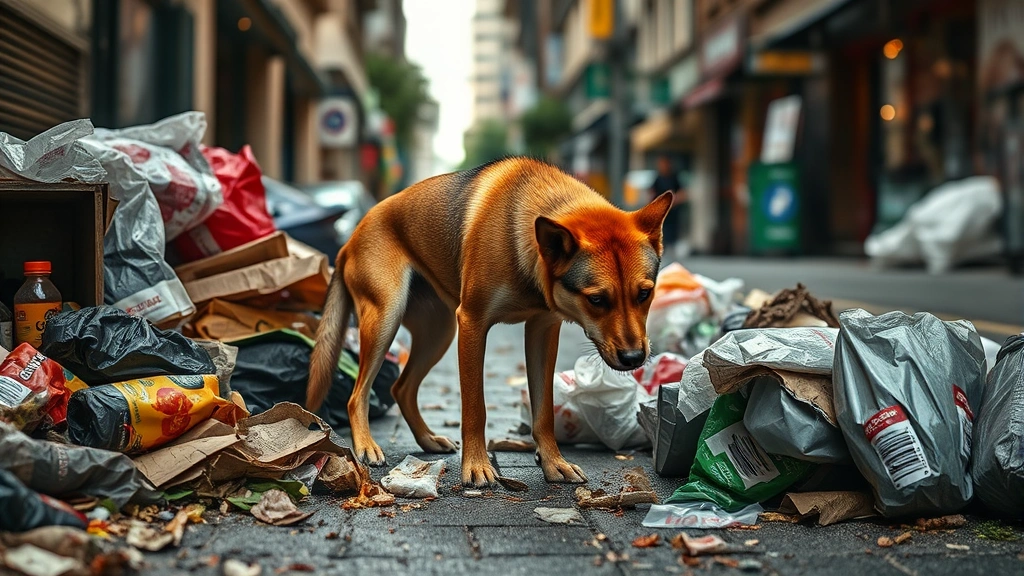
In urban and suburban areas, wild dogs increasingly supplement their diet with human food sources. Garbage, pet food left outside, and restaurant waste become primary food sources. While this allows wild dog populations to thrive near human settlements, it’s not ideal nutrition and often leads to malnutrition or obesity. Urban wild dogs face a different dietary reality than their rural cousins, one that’s heavily influenced by human activity and waste management practices. This adaptation shows remarkable behavioral flexibility but also highlights the challenges wild dogs face in human-dominated landscapes.
Comparison to Domesticated Dog Nutrition
Understanding what wild dogs eat helps us appreciate how much domestication has changed our pets. Your dog at home might enjoy rotisserie chicken, but wild dogs need the whole animal—bones, organs, and all. The large breed dog food you buy at the pet store bears little resemblance to what wild dogs actually consume. Even something as simple as rice for dogs everyday would be foreign to wild populations. Domestication has fundamentally altered canine nutritional needs and digestive capabilities over millennia.
Health Implications and Parasite Risks
Eating raw meat and organs exposes wild dogs to parasites and diseases that domesticated dogs rarely encounter. They might consume tapeworms, roundworms, and bacteria that would make your vet cringe. However, their immune systems have evolved to handle these challenges in ways domestic dogs haven’t. Wild dogs also face risks from consuming spoiled meat or toxic substances in garbage, leading to illness or death. The survival strategy of eating whatever’s available comes with serious health trade-offs.
Frequently Asked Questions
How often do wild dogs eat?
Wild dogs eat whenever they successfully hunt or find food. This might be daily during abundant seasons or every few days during lean times. They’re adapted to feast-or-famine cycles, so irregular eating patterns are completely normal for them.
Can wild dogs survive on vegetation alone?
No, wild dogs are obligate carnivores and cannot survive long-term on plant matter alone. While they might consume vegetation incidentally, they require meat to meet their nutritional needs and maintain health.
What’s the difference between wild dogs and feral dogs?
Wild dogs are born in the wild and have never been domesticated, while feral dogs are descended from domesticated dogs. This means feral dogs might have different dietary adaptations and preferences than true wild dogs.
Do wild dogs hunt at night or during the day?
Wild dogs are primarily diurnal (day-active) hunters, unlike many other predators. They hunt during daylight hours when visibility is good for their coordinated pack strategies. This is one of their unique characteristics among wild canines.
How much meat does a wild dog eat per day?
A wild dog might consume 2-3 pounds of meat daily when food is available, though this varies based on prey size and availability. During a successful large kill, they might consume much more in a single feeding.
What happens to wild dogs when prey is scarce?
When prey is scarce, wild dogs rely on scavenging, hunting smaller animals, and eating whatever vegetation or carrion they find. Pack members might also fast for extended periods until the next successful hunt.
Conclusion: The Wild Dog Survival Strategy
So what do wild dogs eat? Everything they can catch, kill, or find—and they’re remarkably good at it. Their diet is a testament to adaptability and survival instinct, shaped by millennia of evolution and refined by pack cooperation. Unlike your domesticated pup who waits patiently for kibble, wild dogs are sophisticated hunters and opportunistic scavengers who’ve mastered the art of survival in some of Earth’s harshest environments. Whether hunting gazelles across African savannas, tracking deer through Asian forests, or raiding garbage in urban areas, wild dogs demonstrate that flexibility in diet is one of nature’s greatest survival tools. Understanding their eating habits gives us insight into how far domestication has taken our beloved pets from their wild ancestors. For more information on proper nutrition, check out resources from the Association of American Feed Control Officials, PetMD’s nutrition guide, and Cornell University’s College of Veterinary Medicine. And if you’re curious about what human foods work for domestic dogs, you might also want to explore whether Gravy Train is good for dogs.





