
Losing a beloved dog is one of life’s toughest moments, and figuring out what do you do with your dog when it dies is probably the last thing you want to think about—but it’s an important conversation to have. Whether you’re facing this heartbreaking situation right now or planning ahead, this guide walks you through every option available, from burial and cremation to memorial services and grief support.
Table of Contents
- Understanding Your Options: Pet Aftercare Basics
- Home Burial: Creating a Personal Memorial Space
- Pet Cremation: Flexibility and Memorialization
- Pet Cemeteries: Dignified Resting Places
- Veterinary Disposal Services: Practical and Affordable
- Taxidermy and Preservation: Keeping Your Dog Close
- Handling the Practical Details After Your Dog Dies
- Pet Loss Grief Support and Coping Resources
- Creating Lasting Memorials and Honoring Your Dog’s Memory
- Planning Ahead: Pre-Arrangement Considerations
- Financial Assistance and Resources for Pet Loss
- Frequently Asked Questions
- Summary: Honoring Your Dog’s Life and Legacy
Understanding Your Options: Pet Aftercare Basics
When your furry best friend passes away, you have several legitimate choices for handling their remains. The most common options include home burial, professional cremation, pet cemetery burial, and veterinary disposal services. Each option has different costs, legal considerations, and emotional significance. The choice ultimately depends on your personal beliefs, local regulations, budget, and what feels right for your family. Some pet owners find comfort in a tangible memorial, while others prefer a more symbolic approach.
Home Burial: Creating a Personal Memorial Space
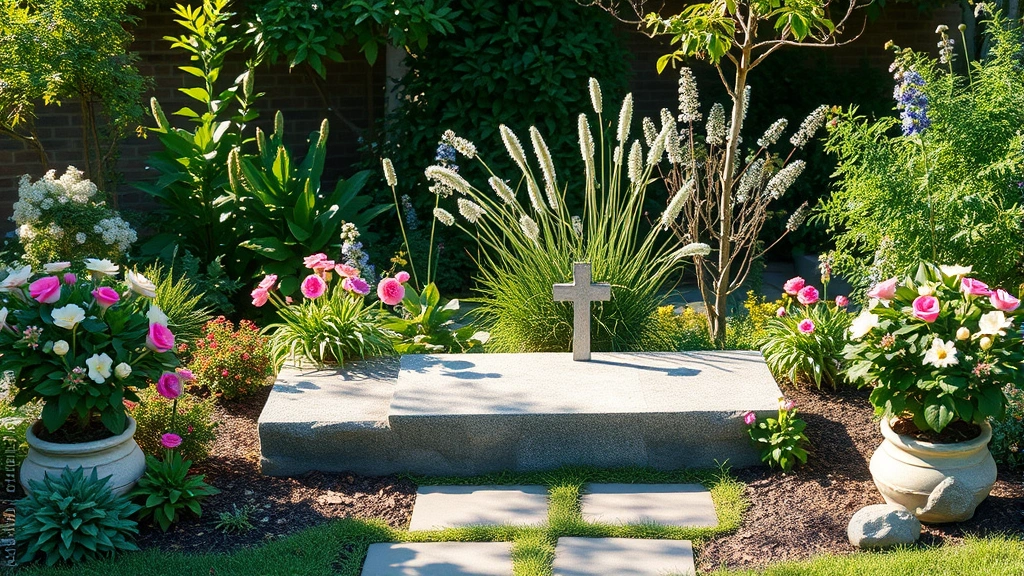
Many dog owners choose to bury their pets in their backyard, creating a permanent resting place they can visit anytime. Before going this route, check your local laws—some municipalities prohibit pet burial in residential areas due to health codes and groundwater concerns. If it’s legal in your area, choose a spot that’s at least 2-3 feet deep, away from water sources and vegetable gardens. A biodegradable casket or simple wooden box works well, and you can mark the grave with a stone, plaque, or flowering plant. This option provides closure and a physical space for remembrance, though moving away from the home means leaving your dog behind.
Pet Cremation: Flexibility and Memorialization
Cremation has become increasingly popular because it offers flexibility and allows you to keep your dog’s remains with you. There are two types: individual cremation (your dog is cremated alone, ensuring their ashes are purely theirs) and communal cremation (multiple pets cremated together, ashes not returned). Individual cremation costs between $150-$400 depending on your dog’s size and your location. You’ll receive your dog’s ashes in an urn, which you can keep at home, scatter in a meaningful location, or even have made into jewelry or art. Many pet owners find this option provides ongoing comfort and flexibility for memorialization.
Pet Cemeteries: Dignified Resting Places
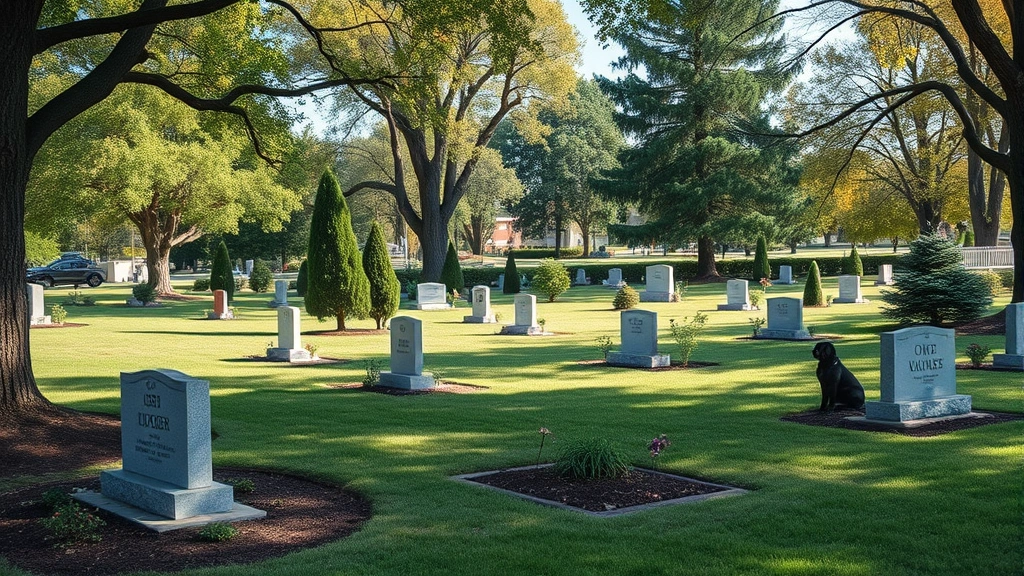
Dedicated pet cemeteries offer a respectful, dignified alternative to home burial. These facilities handle everything professionally and provide beautiful grounds specifically designed for pet memorials. Your dog receives a marked grave, and you can visit regularly to pay respects. Pet cemetery costs vary widely ($500-$3,000+) depending on location and services. Some cemeteries offer additional services like headstones, flowers, and even virtual memorials. This option works particularly well if you want professional care and a permanent, maintained resting place that doesn’t depend on your home ownership.
Veterinary Disposal Services: Practical and Affordable
If you’re facing financial constraints or prefer not to handle arrangements yourself, many veterinary clinics offer disposal services. When your vet euthanizes your dog or you bring them in after natural death, the clinic can arrange cremation through a third-party service. This is often the most affordable option, though you won’t receive your dog’s ashes back (they’re typically part of a communal cremation). It’s straightforward and removes the burden of making arrangements during an emotional time, though it lacks the personalization of other options.
Taxidermy and Preservation: Keeping Your Dog Close
Some pet owners choose taxidermy or other preservation methods to keep their dogs physically present. While this isn’t for everyone, it can provide comfort for those who want their beloved companion preserved as they were in life. Quality taxidermy is expensive ($2,000-$5,000+) and requires finding a skilled professional experienced with pets. Other preservation options include having your dog’s ashes mixed into a memorial diamond, pressed into resin jewelry, or even cloned (though cloning is experimental and expensive). These unique options work for people seeking unconventional ways to memorialize their pets.

Handling the Practical Details After Your Dog Dies
Beyond deciding what to do with your dog’s remains, there are several practical matters to address. Contact your veterinarian immediately if your dog dies at home—they can advise on safe handling and next steps. If your dog was microchipped, update the registry to reflect their passing. Consider notifying pet insurance companies if you had coverage. Some pet owners find it helpful to write an obituary or create a memory book. If your dog had medical conditions, you might want to research whether their case could contribute to veterinary science through donation programs. These steps provide structure during a chaotic emotional time and honor your dog’s life in meaningful ways.
Pet Loss Grief Support and Coping Resources
Losing a dog isn’t “just” losing a pet—it’s losing a family member, daily routine, and source of unconditional love. Your grief is completely valid, even if others don’t understand. Many resources exist to help you cope, including pet loss hotlines, grief counseling, and online support communities. The Association of Animal Behavior Professionals and various veterinary schools offer pet loss support services. Some therapists specialize in pet grief. Memorial services, whether formal or informal, help many people process their loss. Don’t minimize your grief or let anyone make you feel silly for mourning deeply—your dog was irreplaceable.
Creating Lasting Memorials and Honoring Your Dog’s Memory
Beyond the physical remains, creating memorials helps keep your dog’s spirit alive. Plant a tree or garden in their honor, commission a portrait or sculpture, or create a photo album or digital memorial. Some people donate to animal shelters or breed-specific rescues in their dog’s name. Others establish scholarship funds or sponsorships for shelter animals. PetMD has resources about pet memorialization ideas. You might frame your dog’s collar, paw print, or favorite toy. Write down favorite memories and funny stories before you forget the small details that made them unique. These memorials transform grief into something meaningful and keep your dog’s legacy alive for years to come.
Planning Ahead: Pre-Arrangement Considerations
If your dog is aging or facing serious illness, discussing end-of-life plans ahead of time removes stress during crisis moments. Talk with your veterinarian about options and costs. Some pet owners pre-pay for cremation services or cemetery plots, locking in prices and ensuring their wishes are carried out. Create a written record of your preferences and share it with family members. If you have young children, discuss your dog’s mortality age-appropriately so they understand what’s coming. Pre-planning doesn’t mean giving up hope—it means being prepared and honoring the relationship you’ve built with your dog by ensuring they’re treated with the dignity and respect they deserve after they’re gone.
Financial Assistance and Resources for Pet Loss
Pet aftercare can be expensive, and financial stress shouldn’t force you into uncomfortable choices. Some animal shelters and rescue organizations offer low-cost cremation services. The American Kennel Club provides resources and referrals for pet loss services. If cost is a barrier, ask your veterinarian about payment plans or community resources. Some nonprofits specifically help with pet burial or cremation costs for families in need. Don’t be embarrassed to ask about financial assistance—many vets understand and want to help you give your dog a dignified farewell regardless of your budget.
Frequently Asked Questions
How long can you keep a dog’s body before burial or cremation?
You should arrange for burial or cremation within 24-48 hours of your dog’s death, especially in warm weather. If you need more time, keep the body in a cool place (refrigerator or freezer if possible) to prevent decomposition. Contact your veterinarian or cremation service immediately for guidance on safe storage and timing.
Can you scatter your dog’s ashes anywhere?
Scattering ashes is legal in most places, but check local regulations first. Many people scatter ashes in meaningful locations like favorite parks, beaches, or hiking trails. Some public lands require permission, so call ahead. Scattering in private property you own is typically unrestricted, and some families scatter ashes in multiple meaningful locations.
Is pet cremation environmentally friendly?
Traditional cremation uses fuel and produces emissions, so it’s not the most eco-friendly option. However, aquamation (water-based cremation) is increasingly available and more environmentally sustainable. If environmental impact matters to you, ask your cremation service about aquamation or choose home burial with biodegradable materials.
What should I do if my dog dies unexpectedly at home?
Stay calm and call your veterinarian immediately, even if it’s after hours—most have emergency services. They’ll advise on safe handling and next steps. Don’t move the body unnecessarily. Your vet can arrange cremation or burial services and help you understand what happened if you want answers.
How do I help my other pets grieve their companion?
Surviving pets do experience grief and confusion. Maintain their routine as much as possible, spend extra quality time with them, and don’t rush to get a new pet. Some pets benefit from extra exercise, mental stimulation, or even professional behavioral support. Let them grieve naturally while providing comfort and stability.
Is it okay to feel this sad about losing a dog?
Absolutely. Your dog was a family member, source of daily joy, and unconditional companion. The bond you shared was real and deep. Your grief is proportional to that love. Don’t let anyone minimize your feelings or rush your mourning process—healing takes time.
Summary: Honoring Your Dog’s Life and Legacy
Figuring out what do you do with your dog when it dies is deeply personal, and there’s no universally “right” answer. Whether you choose burial, cremation, cemetery placement, or another option, what matters most is that your choice feels respectful and meaningful to you. Your dog gave you years of unconditional love, loyalty, and joy—they deserve a farewell that honors that relationship. Take time to grieve, lean on support systems, and create memorials that keep their spirit alive. The pain of loss will eventually soften into cherished memories, and you’ll find comfort knowing you gave your beloved companion a dignified and loving goodbye. Your dog’s impact on your life was profound and lasting—that’s a legacy worth celebrating.





