
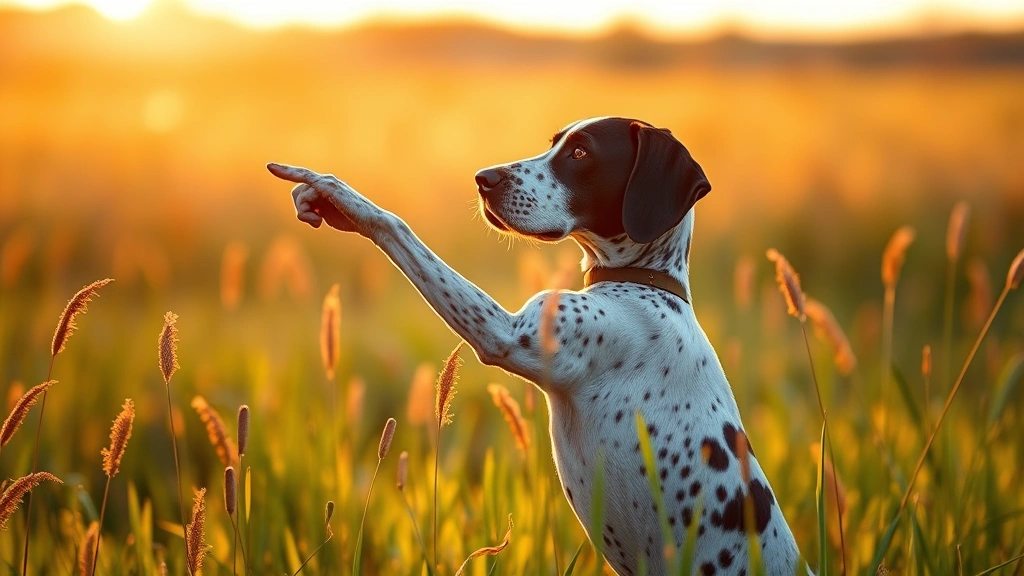
So you’ve heard someone mention “bird dogging” at the dog park and wondered what the heck they’re talking about—no actual birds required, we promise. What does bird dogging mean? It’s a foundational dog training technique where your pup learns to locate, point at, and track game birds (or simulated birds during training) without actually catching or retrieving them. Think of it as teaching your dog to be a bird-finding machine with impeccable manners. This skill has roots in hunting dog traditions and has evolved into a valuable training methodology for various dog breeds and purposes.
Table of Contents
- The Origins of Bird Dogging: Where It All Started
- Understanding the Bird Dogging Definition in Modern Training
- Why Bird Dogging Matters: Benefits Beyond the Field
- Bird Dogging vs. Retrieving: What’s the Difference?
- Bird Dogging Training Methods: Getting Started
- Breeds That Excel at Bird Dogging
- Common Bird Dogging Mistakes to Avoid
- Bird Dogging Equipment and Tools
- Bird Dogging for Non-Hunting Purposes
- Professional Bird Dogging Training: When to Call an Expert
- Safety Considerations in Bird Dogging
- Frequently Asked Questions
- Conclusion: Mastering Bird Dogging for Your Dog
The Origins of Bird Dogging: Where It All Started
Bird dogging didn’t just pop up yesterday—this technique traces back centuries to hunting culture. Hunters needed dogs that could locate birds in fields and brush without spooking them or breaking their training. The term “bird dog” became synonymous with pointer and setter breeds that excelled at this work. Today, bird dogging has transcended its hunting origins and become a legitimate training approach used by professional trainers, hunters, and pet owners alike. It’s basically the OG version of “stay focused, buddy.”
Understanding the Bird Dogging Definition in Modern Training
In contemporary dog training, bird dogging means teaching your dog to:
- Locate birds or bird scent in their environment
- Point or indicate the bird’s location without chasing
- Maintain composure and impulse control
- Follow handler commands consistently
- Work at a distance from the handler
This isn’t about aggression or prey drive gone wild—it’s about channeling your dog’s natural instincts into controlled, purposeful behavior. Dogs like McNab dogs and other working breeds take to this training like ducks to water (pun intended). The bird dogging technique teaches mental discipline and strengthens the bond between handler and dog through focused teamwork.
Why Bird Dogging Matters: Benefits Beyond the Field
You might think bird dogging is only for hunters, but you’d be missing out on some serious training gold. Here’s why this technique matters:
Impulse Control Development: Bird dogging teaches your dog that seeing something interesting doesn’t mean immediately chasing it. This translates to better leash manners, fewer squirrel incidents, and a dog that actually listens when you say “leave it.”
Mental Stimulation: Your dog’s brain gets a serious workout when bird dogging. They’re problem-solving, using their nose, and focusing on your commands simultaneously. A mentally tired dog is a well-behaved dog.
Strengthened Handler-Dog Bond: Training sessions create communication channels between you and your pup. Bird dogging requires teamwork and trust, deepening your relationship in ways casual walks never could.
Channeling Natural Instincts: Instead of suppressing your dog’s prey drive, bird dogging gives it a productive outlet. It’s like giving your dog permission to do what they’re genetically wired for—but with rules and boundaries.
Bird Dogging vs. Retrieving: What’s the Difference?
People often confuse bird dogging with retrieval training, but they’re distinct skills. Bird dogging stops at the point—your dog finds and indicates the bird but doesn’t retrieve it. Retrieving, on the other hand, involves your dog actually bringing the bird back to you. Think of bird dogging as the “finding” phase and retrieving as the “bringing back” phase. Both are valuable, but bird dogging is often taught first because it requires more restraint and control. It’s the difference between being excited about finding treasure and actually bringing it home.
Bird Dogging Training Methods: Getting Started
Ready to teach your dog this skill? Here’s how professionals typically approach it:
Phase 1: Foundation Work Start with basic obedience. Your dog needs solid “sit,” “stay,” and “come” commands before adding bird dogging complexity. This is non-negotiable—it’s the foundation everything else builds on.
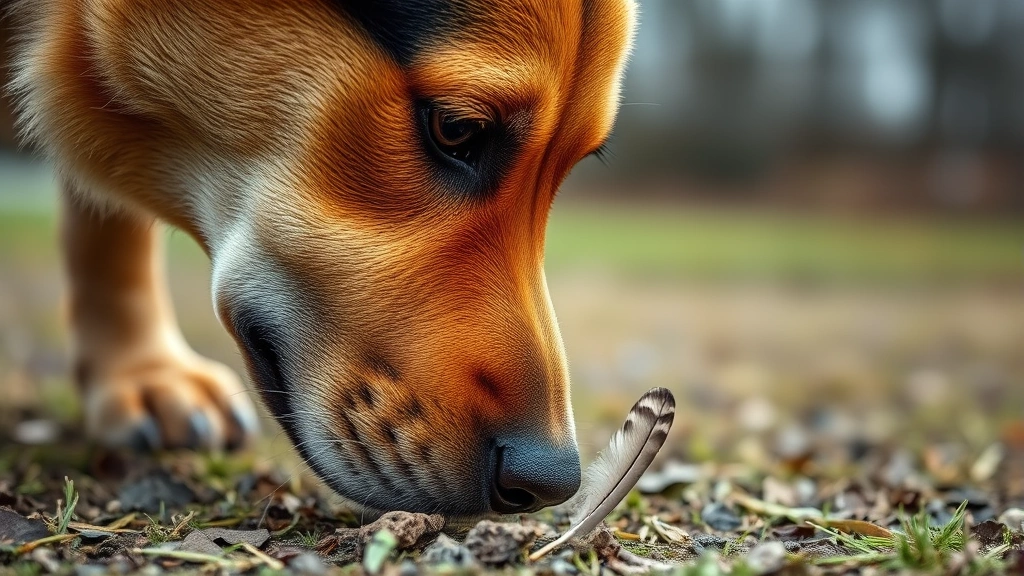
Phase 2: Scent Introduction Introduce your dog to bird scent in controlled environments. Some trainers use bird wings, feathers, or canned bird scent. Your dog learns to associate the smell with positive rewards. Tools like a Kong Extreme Dog Toy Fetch can be modified to hold scent materials during initial training phases.
Phase 3: Pointing Development As your dog catches the scent, they’ll naturally start to point or freeze. Reward this behavior heavily. This is the critical moment where instinct meets training. Your dog learns that indicating the bird’s location earns praise and treats.
Phase 4: Distance and Duration Gradually increase the distance between you and your dog during training. Extend the time they maintain their point. This builds stamina and focus.
Phase 5: Live Bird Introduction Eventually (and only after previous phases are solid), introduce actual birds in controlled settings. Professional trainers often use bird pens or training facilities for this phase. Safety for both dog and bird is paramount.
Breeds That Excel at Bird Dogging
While any dog can learn bird dogging basics, certain breeds have it in their DNA. Pointers, setters, spaniels, and retrievers are natural bird dogs. But don’t count out mixed breeds—a mongrel dog with hunting heritage can absolutely learn these skills. Even a mut dog can surprise you with their natural abilities when given proper training and opportunity.
According to the American Kennel Club (AKC), sporting breeds were specifically developed for bird hunting and excel at bird dogging. However, the AKC also recognizes that training and individual temperament matter more than breed alone.
Common Bird Dogging Mistakes to Avoid
Even with good intentions, trainers sometimes derail bird dogging progress:
Rushing the Process: Skipping foundational obedience or moving too fast through phases creates confusion and reinforces bad habits. Patience is your best friend here.
Inconsistent Rewards: Your dog won’t understand what behavior you’re rewarding if you’re inconsistent. Mark the exact moment they point with a “yes!” or clicker, then reward immediately.
Allowing Chase Behavior: If your dog chases the bird, you’ve lost the plot. Bird dogging is about restraint, not pursuit. Go back to earlier phases if this happens.
Ignoring Safety: Never force your dog to engage with birds or use punishment-based methods. This creates fear and anxiety, not skilled bird dogging.
Overtraining: Short, focused sessions beat marathon training sessions. Your dog’s attention span is finite, and mental fatigue is real.
Bird Dogging Equipment and Tools
You don’t need fancy gear to start bird dogging, but a few items help:
- Long training lead (20-30 feet) for distance work
- Bird wings or feathers for scent training
- High-value treats for rewards
- Clicker for marking correct behavior
- Whistle for distance commands
- Training dummy or bird pen for advanced work
Professional trainers often invest in bird pens and live birds for advanced training, but beginners can start with much simpler equipment. PetMD recommends consulting with professional trainers before introducing live birds to ensure both dog and bird safety.
Bird Dogging for Non-Hunting Purposes
Here’s the thing—you don’t need to hunt to benefit from bird dogging training. Urban dog owners, competition handlers, and pet parents use these techniques for:
Scent Work Competitions: AKC Scent Work titles require bird dogging skills. Dogs learn to locate hidden bird scent in various environments (vehicles, interiors, exteriors).
Search and Rescue: Bird dogging principles apply to SAR training where dogs must locate and indicate human scent.
Behavioral Management: For dogs with high prey drive, bird dogging provides a controlled outlet that prevents destructive behavior and improves focus.
Enrichment and Bonding: Even if you never hunt, training bird dogging strengthens your relationship and provides mental stimulation your dog craves.
Professional Bird Dogging Training: When to Call an Expert
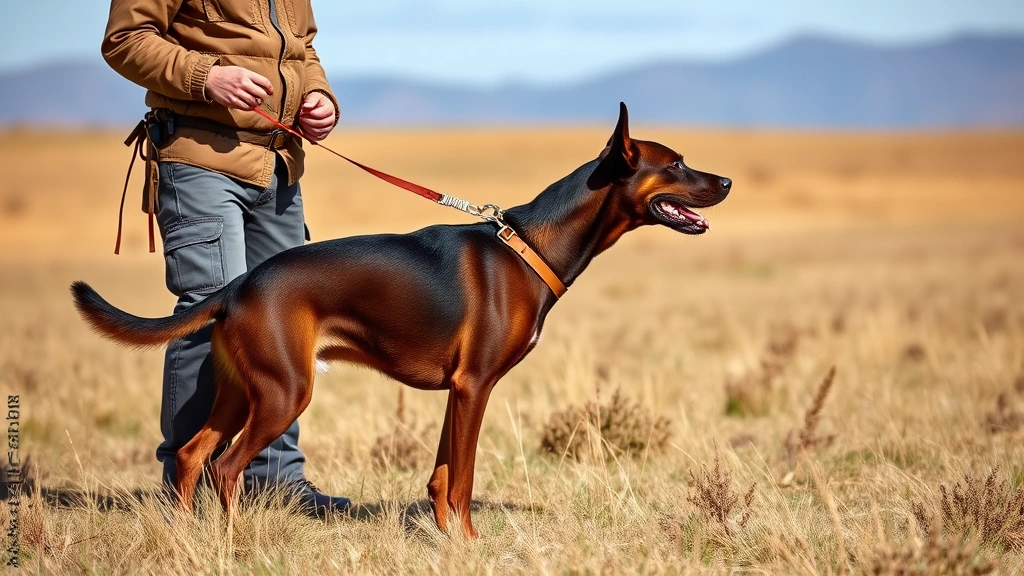
While basic bird dogging can be taught at home, professional trainers offer advantages:
- Structured progression and proven methods
- Access to live birds and training facilities
- Troubleshooting for problem behaviors
- Certification and competitive preparation
- Safety expertise for dog-bird interactions
A certified bird dog trainer has seen hundreds of dogs and knows how to adapt training for individual personalities. They’re worth the investment if you’re serious about developing this skill. Many trainers offer board-and-train programs or weekly lessons depending on your needs and budget.
Safety Considerations in Bird Dogging
Safety matters—for your dog, the birds, and yourself. Cornell University’s College of Veterinary Medicine emphasizes that any training involving wildlife should prioritize animal welfare. Never use punishment, force, or fear-based methods. Your dog should want to participate because it’s rewarding and fun.
Ensure your training environment is secure and free from hazards. If using live birds, verify they’re humanely treated and properly cared for. Some trainers use pigeons or quail; others use actual game birds. All should be handled with respect and proper husbandry.
Frequently Asked Questions
Is bird dogging the same as bird hunting?
Not exactly. Bird hunting involves actually catching or retrieving birds. Bird dogging is locating and indicating birds without catching them. It’s a component of hunting but can be practiced independently for training and competition purposes.
Can I teach bird dogging to my pet dog without hunting?
Absolutely! Bird dogging develops impulse control, focus, and mental stimulation regardless of hunting intentions. Many pet owners teach these skills purely for enrichment and behavioral management.
What age should I start bird dogging training?
Start with foundational obedience at 8-12 weeks. Most trainers wait until dogs are 6-12 months old before introducing bird-specific training, depending on maturity and training readiness.
How long does it take to train bird dogging?
Basic bird dogging takes 4-8 weeks with consistent training. Advanced skills requiring live birds might take several months. Individual dogs progress at different rates based on breed, age, and prior training.
What if my dog has never shown interest in birds?
Some dogs are naturally less prey-driven, and that’s okay. You can still teach bird dogging basics through scent work and training games. Not every dog will become a championship bird dog, and that’s perfectly fine.
Is bird dogging cruel to birds?
Proper bird dogging training doesn’t harm birds. Dogs learn to locate and point without catching or injuring. Reputable trainers prioritize bird welfare and use humane practices throughout training.
Conclusion: Mastering Bird Dogging for Your Dog
So, what does bird dogging mean? It’s a time-honored training technique that teaches dogs to locate, point at, and indicate birds while maintaining impulse control and focus. Whether you’re a hunter, competition enthusiast, or pet owner seeking mental enrichment, bird dogging offers real value. This skill channels your dog’s natural instincts productively, strengthens your bond, and creates a well-trained, focused companion.
Starting with solid obedience, progressing through scent introduction, and building to live bird work requires patience, consistency, and often professional guidance. The journey is rewarding for both dog and handler. From mut dogs to purebred pointers, any dog can learn these skills with proper training methods and positive reinforcement.
Bird dogging isn’t just about hunting—it’s about unlocking your dog’s potential, providing meaningful work, and deepening the bond you share. If you’re considering this training path, start with basic obedience, find a qualified trainer, and approach the process with patience and positivity. Your dog will thank you with focused attention, better behavior, and a sense of purpose.





