

What does chocolate do to dogs is one of the most important questions every pet owner should be able to answer, because the truth is: chocolate can seriously harm or even kill your furry best friend. Unlike humans who can enjoy a chocolate bar without consequence, dogs have a completely different metabolism that makes chocolate toxic to them. If you’ve ever wondered why your vet gets all serious when you mention your pup got into the Halloween candy bowl, this article will explain everything you need to know about chocolate toxicity in dogs.
Table of Contents
- The Science Behind Chocolate Toxicity in Dogs
- Types of Chocolate and Their Danger Levels
- Symptoms of Chocolate Poisoning in Dogs
- Calculating the Toxic Dose for Your Dog
- Why Dogs Can’t Handle What Humans Can
- Common Household Items That Contain Hidden Chocolate
- What to Do If Your Dog Eats Chocolate
- Prevention: The Best Medicine
- Related Toxins to Watch Out For
- When to Call the Emergency Vet
- Frequently Asked Questions
- Final Thoughts: Keeping Your Dog Safe
The Science Behind Chocolate Toxicity in Dogs
So here’s the deal: chocolate contains two dangerous compounds called theobromine and caffeine. Both of these are stimulants that affect the central nervous system and heart. While humans metabolize these compounds relatively quickly and efficiently, dogs process them much more slowly. This means that even small amounts of chocolate can accumulate to toxic levels in your dog’s system, causing serious health problems.
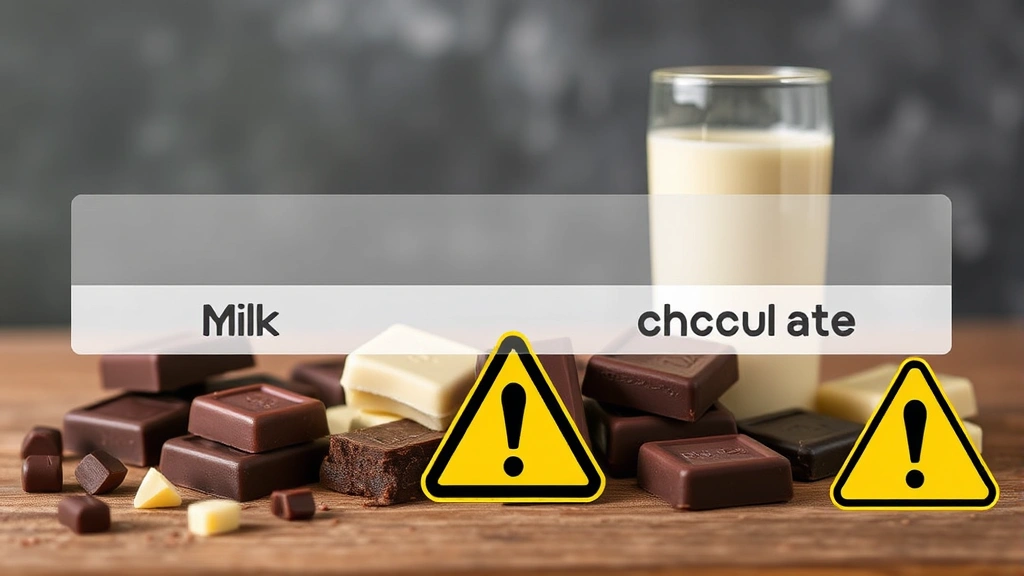
The darker the chocolate, the more theobromine it contains. This is why dark chocolate and baking chocolate are far more dangerous than milk chocolate or white chocolate. A tiny square of dark chocolate might not seem like much to us, but it could spell trouble for your pup.
Types of Chocolate and Their Danger Levels
Not all chocolate poses the same level of risk. Understanding the different types helps you assess the danger if your dog accidentally ingests some. Let’s break down the chocolate hierarchy from most to least dangerous:
Baking Chocolate and Cocoa Powder: These are the villains of the chocolate world. They contain the highest concentration of theobromine—sometimes up to 12-26 mg per gram. Even a small amount can be lethal.
Dark Chocolate: The darker the chocolate, the more dangerous it is. Dark chocolate bars typically contain 5-10 mg of theobromine per gram, making them seriously hazardous.
Milk Chocolate: This is less toxic than dark chocolate, containing only 1-3 mg of theobromine per gram. However, it’s still dangerous, especially for small dogs.
White Chocolate: Technically, white chocolate isn’t really chocolate because it contains no cocoa solids—just cocoa butter. It’s the least toxic option, though it’s still not recommended for dogs due to high sugar and fat content.
Symptoms of Chocolate Poisoning in Dogs
If your dog has eaten chocolate, knowing the warning signs could literally save their life. Symptoms of chocolate toxicity typically appear within 6-12 hours of ingestion, though sometimes they can show up within just 30 minutes in severe cases.
Mild to Moderate Symptoms:
- Vomiting and diarrhea
- Increased thirst
- Restlessness and agitation
- Rapid breathing
- Muscle tremors
- Increased heart rate
Severe Symptoms:
- Seizures
- Irregular heartbeat (arrhythmia)
- Heart attack
- Collapse and loss of consciousness
- Death
The severity depends on three factors: the type of chocolate, the amount consumed, and your dog’s weight. A 10-pound Chihuahua who eats a dark chocolate bar is in much more danger than a 90-pound Labrador eating the same amount.
Calculating the Toxic Dose for Your Dog
Here’s where it gets technical, but it’s crucial information. The toxic dose of theobromine for dogs is approximately 20 mg per kilogram of body weight. However, symptoms can appear at lower doses, and severe symptoms typically occur at 40-50 mg per kilogram.
Let’s do some math with an example: If you have a 50-pound dog (about 23 kg), they would need to consume roughly 460 mg of theobromine to reach the toxic threshold. One ounce of dark chocolate contains about 160 mg of theobromine, so just three ounces could be dangerous.
This is why it’s absolutely critical to know your dog’s weight and to keep detailed records of what they’ve eaten if an accident happens. Call your vet or the ASPCA Animal Poison Control Center (888-426-4435) immediately if you suspect chocolate ingestion—they can help you determine if your dog needs emergency treatment.
Why Dogs Can’t Handle What Humans Can
The fundamental difference comes down to metabolism. Dogs lack certain liver enzymes that humans have in abundance, making them unable to break down theobromine and caffeine efficiently. What takes a human body a few hours to process can take a dog 15-20 hours or longer.

This slow metabolism means that if a dog eats chocolate multiple times over a short period, the toxins accumulate in their system. Even if each individual incident wouldn’t be dangerous on its own, the combined effect could be lethal. This is why you should never assume “just a little bit” is safe.
Common Household Items That Contain Hidden Chocolate
Most dog owners know to keep chocolate bars away from their pups, but chocolate hides in surprising places. Here are some sneaky culprits you might not have considered:
- Chocolate chips in cookies, brownies, and muffins
- Chocolate-covered raisins and nuts
- Cocoa-based energy bars and protein bars
- Chocolate ice cream and frozen desserts
- Chocolate pudding and mousse
- Chocolate cake frosting
- Chocolate in trail mix
- Hot chocolate mix (especially dangerous because of concentration)
- Some breakfast cereals
- Chocolate-flavored medications (rare, but possible)
The sneakiest culprit? Halloween and Valentine’s Day candy bowls left within reach. Keep these out of your dog’s access during holiday seasons.
What to Do If Your Dog Eats Chocolate
Stay calm—panicking won’t help your dog. Here’s your action plan:
Step 1: Gather Information Know exactly what your dog ate: the type of chocolate, the amount, and when it happened. Check the packaging for cocoa content percentage if possible.
Step 2: Calculate the Risk Use online chocolate toxicity calculators (available through veterinary websites) or do the math yourself using the information above.
Step 3: Contact Your Vet Immediately Don’t wait to see if symptoms develop. Call your veterinarian right away with the details. They may recommend bringing your dog in for observation or treatment.
Step 4: Consider Activated Charcoal If caught within 4-6 hours of ingestion, your vet might induce vomiting or administer activated charcoal to prevent absorption of the toxins.
Step 5: Monitor Closely Even if your vet says your dog will be fine, watch for symptoms over the next 24-48 hours. Some symptoms appear gradually.
Never try home remedies or “wait and see” approaches with chocolate poisoning. This is a medical emergency that requires professional evaluation.
Prevention: The Best Medicine
The absolute best way to handle chocolate toxicity is to prevent it from happening in the first place. Here are practical prevention strategies:
Store Smart: Keep all chocolate in high cabinets or locked containers that your dog can’t access. Don’t leave chocolate on counters, coffee tables, or desks.
Educate Your Family: Make sure everyone in your household—especially kids—understands that chocolate is dangerous for dogs. No sneaking treats to the puppy, no matter how cute they look.
Secure Your Trash: Use dog-proof trash cans or keep trash in a closed cabinet. Dogs are resourceful scavengers.
Be Holiday-Aware: During holidays when chocolate is abundant, be extra vigilant. Don’t leave Halloween candy, Easter baskets, or Christmas stockings within reach.
Check Other Foods: If you’re concerned about hidden chocolate in other foods, check our guide on whether other common human foods are safe for dogs, and always read ingredient lists on packaged foods before giving them to your pup.
Related Toxins to Watch Out For
While we’re on the subject of dangerous foods and substances, your dog can be poisoned by more than just chocolate. Other common household items pose serious risks. For instance, peppermint oil can cause gastrointestinal upset in dogs, and certain plants like Monstera are toxic to dogs if ingested.
Additionally, some cooking ingredients that seem harmless can be dangerous. Palm oil in certain foods can cause pancreatitis in dogs, and xylitol (an artificial sweetener) is extremely toxic.
When to Call the Emergency Vet
Don’t wait for business hours if your dog eats chocolate. Call an emergency vet clinic immediately if:
- Your dog ate a large amount of dark chocolate or baking chocolate
- Your small dog ate any amount of chocolate
- Symptoms have already appeared (vomiting, tremors, rapid heartbeat)
- You’re unsure about the amount or type of chocolate consumed
- Your dog has pre-existing heart conditions
Emergency veterinary clinics are equipped to handle chocolate toxicity cases and can provide IV fluids, medications to manage symptoms, and monitoring to prevent complications.
Frequently Asked Questions
Can a small amount of chocolate kill a dog?
It depends on the dog’s size and the chocolate type. A small amount of milk chocolate probably won’t kill a large dog, but even a small amount of dark chocolate or baking chocolate could be fatal for a small dog. Never assume any amount is safe without consulting your vet.
How much chocolate is toxic to dogs?
The toxic threshold is approximately 20 mg of theobromine per kilogram of body weight, but symptoms can appear at lower doses. For a 50-pound dog, as little as 3 ounces of dark chocolate could be dangerous.
What should I do if my dog eats chocolate?
Contact your veterinarian or emergency vet clinic immediately. Have information ready about the type and amount of chocolate consumed and your dog’s weight. Don’t wait for symptoms to appear.
Is white chocolate safe for dogs?
White chocolate contains no cocoa solids, so it’s not toxic from a theobromine perspective. However, it’s still high in sugar and fat, which can cause other health issues. It’s best avoided.
How long does it take for chocolate to affect a dog?
Symptoms typically appear within 6-12 hours, but can show up as quickly as 30 minutes in severe cases. This is why immediate veterinary attention is crucial.
Can dogs recover from chocolate poisoning?
Yes, if treated promptly. Many dogs recover fully with proper veterinary care, especially if treatment begins before severe symptoms develop. However, severe cases can result in death.
Is chocolate poisoning painful for dogs?
Chocolate poisoning causes significant discomfort and distress, including tremors, rapid heartbeat, and in severe cases, seizures and organ damage. This is another reason prevention is so important.
Final Thoughts: Keeping Your Dog Safe
Understanding what chocolate does to dogs isn’t just trivia—it’s essential knowledge for responsible pet ownership. Chocolate contains theobromine and caffeine, which dogs metabolize slowly, making even small amounts potentially dangerous. The type of chocolate matters enormously, with dark chocolate and baking chocolate being the most hazardous.
Your best defense is prevention: store chocolate securely, educate your family, and remain vigilant during holidays. If an accident happens, don’t panic—gather information and contact your vet immediately. With prompt professional care, most dogs recover from chocolate ingestion, but the best outcome is preventing the incident altogether.
Your dog depends on you to keep them safe from household hazards they can’t understand. By staying informed and proactive, you’re giving your furry friend the best chance at a long, healthy, chocolate-free life.





