
So you’ve just discovered that what does it mean when a dog poops blood—and yeah, it’s pretty terrifying. One moment you’re scooping the yard, the next you’re staring at something that looks like a crime scene in your dog’s poop. Before you panic and assume the worst, let’s break down what’s actually happening in your pup’s digestive system and when you should genuinely freak out versus when it’s manageable.
Table of Contents
- Understanding Bloody Poop in Dogs: The Basics
- Cause #1: Dietary Indiscretion and Food Sensitivity
- Cause #2: Parasites and Intestinal Worms
- Cause #3: Inflammatory Bowel Disease (IBD) and Colitis
- Cause #4: Anal Fissures and Internal Hemorrhoids
- Cause #5: Serious Conditions Requiring Immediate Attention
- When to Call the Vet Immediately
- What Your Vet Will Do
- Home Care While You Wait for Your Appointment
- Prevention: Keeping Your Dog’s Gut Healthy
- The Bottom Line: Trust Your Gut (And Your Vet)
- Frequently Asked Questions
Bloody stools in dogs aren’t always a sign of imminent doom, but they’re definitely your dog’s way of saying something isn’t right. The good news? Most cases are treatable. The better news? You’re here, reading this, which means you care enough to figure it out.
Understanding Bloody Poop in Dogs: The Basics
When your dog’s poop contains blood, it’s called hematochezia (bright red blood) or melena (dark, tarry stools indicating digested blood). Think of it as your dog’s digestive system waving a red flag. The location of the bleeding matters—blood from the lower digestive tract (colon, rectum) appears bright red and fresh, while blood from higher up (stomach, small intestine) looks dark and digested.
Your dog’s digestive system is basically a 30-foot tube, and bleeding can happen anywhere along that journey. Sometimes it’s something minor like a small tear. Sometimes it’s more serious. The key is figuring out which one you’re dealing with.
Cause #1: Dietary Indiscretion and Food Sensitivity
Your dog ate something they shouldn’t have. We’ve all been there. Whether it’s that mysterious thing they found in the yard, table scraps, or a sudden diet change, dietary indiscretion is the most common culprit behind bloody stools. Dogs have sensitive guts, and sometimes their intestines get inflamed from irritating foods.
Common offenders include:
- Fatty foods (especially human food)
- Dairy products
- Sudden diet switches
- Spoiled food
- Foreign objects
If your dog is otherwise acting normal and eating well, this is likely your villain. My Dog Has Diarrhea But Is Acting Fine covers this scenario in detail. The good news? These cases usually resolve within a few days with bland food and time.
Cause #2: Parasites and Intestinal Worms
Parasites are basically tiny vampires living in your dog’s gut, and they can absolutely cause bloody stools. Hookworms, whipworms, and roundworms are common culprits, especially in puppies or dogs with compromised immune systems. These parasites attach to the intestinal wall and feed on blood, which is exactly as gross as it sounds.
Signs of parasitic infection include:
- Bloody or mucus-filled stools
- Weight loss despite normal eating
- Lethargy and weakness
- Pale gums
- Visible worms in poop
The silver lining? Parasites are treatable with deworming medications from your vet. Prevention is even better—keep your dog on year-round parasite prevention, especially if they spend time outdoors.
Cause #3: Inflammatory Bowel Disease (IBD) and Colitis
Colitis is inflammation of the colon, and it’s surprisingly common in dogs. It causes bloody, mucus-covered stools and an urgent need to poop frequently. Your dog might strain, seem uncomfortable, or have multiple bathroom trips in a short period. IBD is similar but more chronic and can be triggered by food allergies, stress, or infections.
Dogs with colitis often have:
- Bright red blood and mucus in stool
- Frequent small bowel movements
- Straining and discomfort
- Normal appetite despite symptoms
These conditions require veterinary diagnosis and often management with dietary changes or medications. Mashed Pumpkin for Dogs is actually a helpful home remedy for colitis, as fiber can soothe inflamed intestines.
Cause #4: Anal Fissures and Internal Hemorrhoids
Sometimes the blood isn’t from disease—it’s from physical injury. Anal fissures (small tears in the tissue) or internal hemorrhoids can cause bright red blood, especially if your dog has been straining from constipation. This is painful but usually not serious.
You might notice:
- Bright red blood on the stool surface
- Scooting or licking the rear end
- Difficulty or straining during bowel movements
- Your dog seeming uncomfortable
Increasing fiber intake, keeping stools soft, and addressing constipation can help. If straining continues, your vet might recommend stool softeners.
Cause #5: Serious Conditions Requiring Immediate Attention
Now for the scary stuff. While less common, bloody stools can indicate serious conditions like:
- Gastrointestinal bleeding from ulcers or tumors – Often accompanied by lethargy, loss of appetite, and dark tarry stools
- Infectious diseases – Parvovirus, coronavirus, or bacterial infections like salmonella
- Coagulopathy – Blood clotting disorders that cause bleeding throughout the body
- Trauma or foreign objects – Perforations or blockages requiring emergency surgery
These conditions typically come with additional symptoms like vomiting, severe lethargy, loss of appetite, or abdominal pain. This is when you don’t wait—you get your dog to the vet immediately.
When to Call the Vet Immediately
Don’t wait for an appointment if your dog shows:
- Bloody diarrhea with vomiting
- Lethargy or collapse
- Loss of appetite
- Pale gums or weakness
- Signs of severe abdominal pain
- Blood that won’t stop appearing in multiple stools
- Puppies or elderly dogs with bloody stools
Your vet will likely perform a physical exam, fecal test, and possibly blood work or imaging to determine the cause. Don’t try to diagnose this yourself—professional help matters here.
What Your Vet Will Do
When you bring your dog in, your vet will ask about:
- When the bloody stools started
- What your dog has eaten recently
- Other symptoms (vomiting, lethargy, appetite changes)
- Vaccination and parasite prevention status
- Any recent diet changes
Then they’ll perform a physical exam and likely recommend tests like:
- Fecal exam (to check for parasites)
- Complete blood count (CBC)
- Blood chemistry panel
- Abdominal ultrasound (if serious conditions are suspected)
Treatment depends entirely on the cause, ranging from dietary changes and probiotics to antibiotics, deworming medications, or surgery in severe cases.
Home Care While You Wait for Your Appointment
If your dog seems otherwise healthy and you’re waiting for a vet appointment, you can:
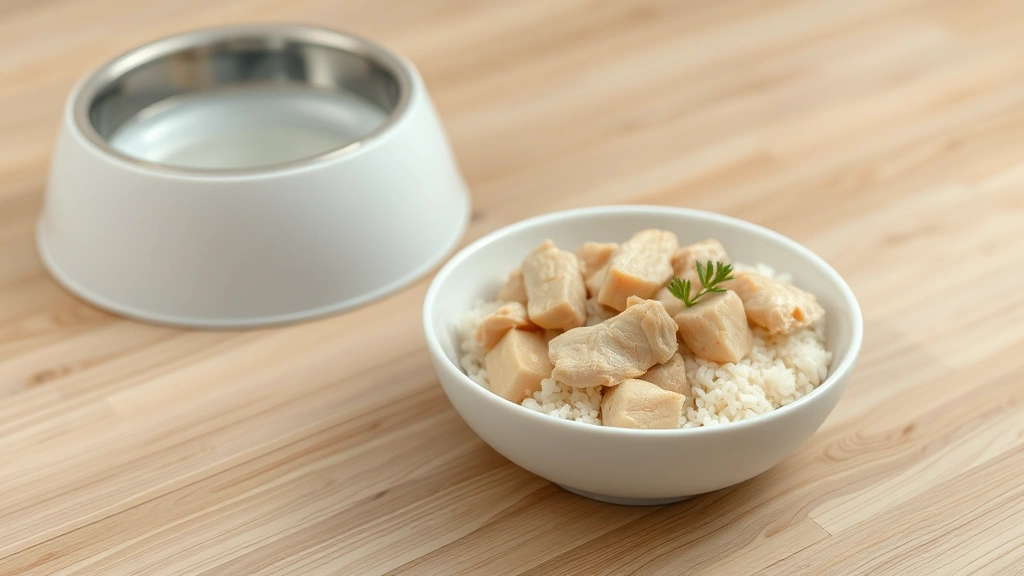
- Switch to bland food – Boiled chicken and rice for a few days
- Add fiber – Mashed pumpkin is genuinely helpful
- Keep them hydrated – Bloody stools can cause dehydration
- Monitor symptoms – Track frequency, appearance, and any other changes
- Avoid medications – Is Imodium Safe for Dogs explains why you shouldn’t give anti-diarrheal meds without vet approval
Don’t give supplements or home remedies without checking with your vet first. Some things that seem helpful can actually make things worse.
Prevention: Keeping Your Dog’s Gut Healthy
The best defense against bloody stools is prevention:
- Consistent parasite prevention – Year-round, no exceptions
- Quality diet – Feed high-quality dog food appropriate for your dog’s age and size
- Slow diet transitions – Change foods gradually over 7-10 days
- Avoid table scraps – Your leftovers aren’t worth a vet visit
- Keep foreign objects away – No sticks, rocks, or mystery yard items
- Manage stress – Is Ginger Ok for Dogs discusses natural calming options
- Regular vet checkups – Catch problems early
Probiotics and digestive enzymes can also support gut health, but talk to your vet about what’s right for your specific dog.
The Bottom Line: Trust Your Gut (And Your Vet)
Finding blood in your dog’s poop is genuinely alarming, but it’s not always a disaster. Most cases are manageable, and many resolve quickly with proper care. The key is paying attention to your dog’s overall behavior—if they’re acting normal, eating well, and playful, you’ve probably got a dietary or minor issue. If they’re lethargic, vomiting, or showing signs of illness, get them to the vet immediately.
Don’t google yourself into a panic spiral (okay, you can, but then call your vet). Your veterinarian is your best resource for figuring out what’s actually happening in your dog’s digestive system. In the meantime, keep things bland, stay hydrated, and monitor for changes.
Your dog is counting on you to be their advocate, and you’re already doing that by seeking answers. Now just get them checked out and figure out what’s going on. Most dogs bounce back just fine.
Frequently Asked Questions
Is bloody poop in dogs always an emergency?
Not always. If your dog is acting normal, eating well, and playful, it’s usually not an immediate emergency. However, if they’re showing signs of illness (lethargy, vomiting, loss of appetite, pale gums), get them to the vet right away. When in doubt, call your vet for guidance.
Can stress cause bloody stools in dogs?
Yes, stress can trigger colitis and inflammatory bowel disease in dogs, leading to bloody stools. Changes in environment, new pets, or travel can all stress your dog’s system. Managing stress through routine, exercise, and calm environments can help prevent episodes.
How long does it take for bloody stools to resolve?
It depends on the cause. Dietary indiscretion might resolve in 2-3 days with bland food. Parasitic infections need treatment and might take a week or two to clear. Chronic conditions like IBD require ongoing management. Your vet can give you a timeline based on diagnosis.
Should I change my dog’s diet if they have bloody stools?
Yes, switching to a bland diet (boiled chicken and rice) for a few days is usually recommended while you figure out the cause. However, don’t make permanent diet changes without vet guidance. Some dogs need prescription diets for digestive issues, while others just need a temporary reset.
Can probiotics help with bloody stools?
Probiotics can support gut health and might help with some cases of colitis or dietary sensitivity, but they’re not a cure-all. Talk to your vet about whether probiotics are appropriate for your dog’s specific situation.
What’s the difference between bright red blood and dark tarry stools?
Bright red blood usually means the bleeding is in the lower digestive tract (colon or rectum). Dark, tarry stools (melena) indicate bleeding higher up in the digestive system (stomach or small intestine) where blood gets digested. Both warrant vet attention, but the location helps determine the cause.





