
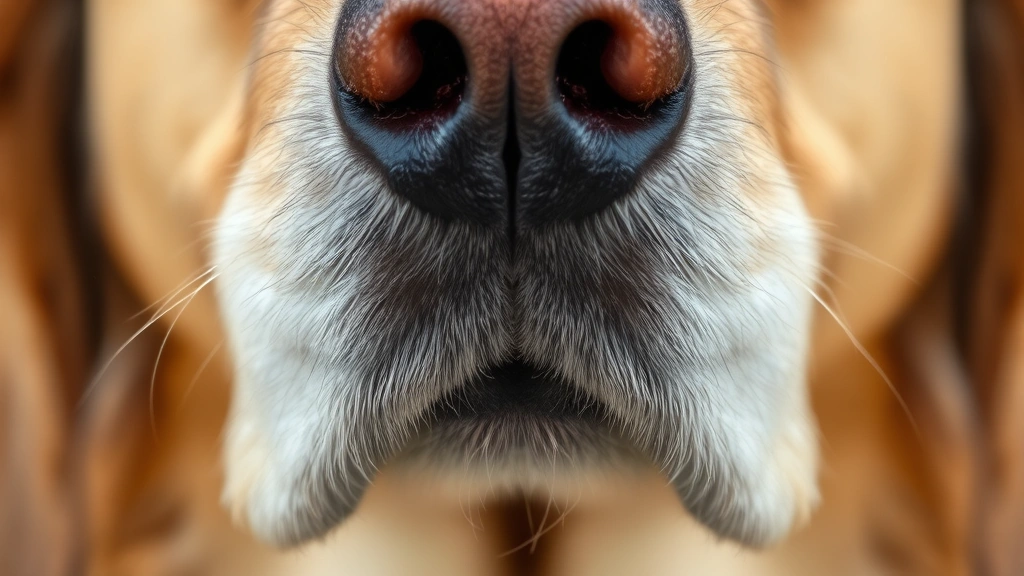
So your pup’s nose feels like a raisin instead of that classic wet button you’re used to—what does it mean when a dog’s nose is dry? Before you panic and schedule an emergency vet visit, let’s talk about what’s actually going on in that adorable snout of yours. The truth is, a dry dog nose isn’t always a red flag, but it’s definitely worth understanding because sometimes it genuinely is.
Table of Contents
- The Myth of the Wet Nose: Separating Fact from Fiction
- Common Reasons Your Dog’s Nose Might Be Dry
- When a Dry Nose Actually Signals a Health Problem
- Red Flags: When to Worry About Your Dog’s Dry Nose
- Hydration and Your Dog’s Nasal Health
- Seasonal Changes and Nose Dryness Patterns
- Topical Care: What Actually Helps a Dry Dog Nose
- When to Schedule a Vet Visit for Nasal Dryness
- Breed-Specific Considerations for Nasal Health
- Frequently Asked Questions
The Myth of the Wet Nose: Separating Fact from Fiction
Here’s where we bust the biggest myth: a wet nose doesn’t automatically mean your dog is healthy, and a dry nose doesn’t automatically mean they’re sick. Shocking, right? For decades, pet owners have relied on the wet nose as a health indicator, but veterinarians will tell you it’s way more complicated than that. A dog’s nose moisture levels fluctuate throughout the day based on humidity, activity level, and even how much they’ve been licking their own snout (which, let’s be honest, they do constantly).
The moisture on a dog’s nose comes from mucus secretions and tears that drain into the nasal passages. This isn’t some magical health indicator—it’s just biology. Some dogs naturally have drier noses than others, and that’s totally normal. Think of it like how some people have naturally oily skin while others are perpetually dry; it’s just how they’re built.
Common Reasons Your Dog’s Nose Might Be Dry
Let’s dive into the everyday culprits behind that crusty canine schnoz. The most common reason? Your dog’s been sleeping. When dogs nap, they’re not licking their noses (obviously), so the moisture evaporates. Wake your pup up from a solid snooze and check their nose—it’ll probably be drier than a popcorn kernel. Similarly, if your dog has been lounging by a heating vent or sitting in direct sunlight, dehydration and evaporation can dry things out faster than a desert wind.
Environmental factors play a massive role too. During winter months when heaters blast dry air through your home, or in naturally arid climates, dog noses dry out more frequently. Allergies—whether environmental or food-related—can also cause nasal dryness and crusty buildup. If your pup has been scratching their face or showing other allergy symptoms, that might explain the dry nose situation.
Another sneaky culprit? Certain dog breeds are just prone to drier noses naturally. Some breeds have less active tear duct systems or different nasal anatomy, making dry noses their baseline normal. If you’ve got a breed like a Bulldog or Pug, you might just be dealing with their particular nose personality.
When a Dry Nose Actually Signals a Health Problem
Now for the serious stuff. While most dry noses are totally benign, there are legitimate health conditions that can cause persistent nasal dryness. Autoimmune diseases like pemphigus or lupus can affect the nose tissue and cause chronic dryness, crusting, and sometimes even depigmentation (loss of color). These conditions require veterinary attention and ongoing management.
Hyperkeratosis—a fancy term for excessive keratin buildup on the nose—can make your dog’s nose look crusty, cracked, and perpetually dry. This can be idiopathic (just happens for no clear reason) or secondary to other conditions. Systemic illnesses like kidney disease, diabetes, or fever can also contribute to dehydration and nasal dryness as part of a broader health picture.
Infections, whether fungal (like nasal aspergillosis) or bacterial, can cause nasal discharge, crusting, and dryness. If your dog’s dry nose is accompanied by nasal discharge, sneezing fits, or difficulty breathing, that’s your cue to call the vet. Don’t mess around with respiratory infections.
Red Flags: When to Worry About Your Dog’s Dry Nose
So when should you actually be concerned? Here’s your red flag checklist. If the dryness is accompanied by other symptoms—lethargy, loss of appetite, excessive thirst, frequent urination, or behavioral changes—something systemic might be going on. If your dog’s nose is not just dry but also cracked, bleeding, or has discharge, get them checked out. If the dryness persists despite humidity and hydration changes, or if it’s getting progressively worse, that warrants a vet visit.
Also pay attention to whether this is a sudden change. If your dog’s nose has always been moist and suddenly became dry over a few days, that’s more concerning than a dog who’s always had a naturally drier nose. Sudden changes in body condition are what vets care about—they’re looking for departures from your individual dog’s normal baseline.
Hydration and Your Dog’s Nasal Health
One of the simplest ways to support healthy nasal moisture is ensuring your dog stays properly hydrated. This seems obvious, but many dog owners don’t realize their pups aren’t drinking enough water. Make sure fresh water is always available, and monitor your dog’s water intake—they should be drinking enough that they need regular bathroom breaks.
If your dog seems to avoid their water bowl, try different approaches: some dogs prefer running water from a fountain, others like their water at room temperature rather than cold, and some respond better to wet food that increases overall fluid intake. During hot months or after exercise, your dog needs even more water than usual. Dehydration dries everything out—skin, mucous membranes, and yes, noses.
You might also consider a humidifier in your home, especially during dry winter months. Running a humidifier while your dog sleeps can help maintain ambient moisture and prevent that post-nap nose dryness. It’s a simple, non-invasive way to support their overall comfort.
Seasonal Changes and Nose Dryness Patterns
Notice your dog’s nose gets drier in winter? You’re not imagining things. Seasonal changes significantly impact nasal moisture. Winter heating systems create arid indoor environments that dry out everything—including your dog’s nose, skin, and mucous membranes. Summer heat and sun exposure can also cause dryness through increased evaporation and dehydration.
Spring and fall allergies can trigger inflammatory responses that affect nasal tissue health and moisture balance. If you notice your dog’s nose dryness follows seasonal patterns—worse in winter, better in summer, or flaring up during specific allergy seasons—you’re seeing environmental factors at work. Tracking these patterns helps you anticipate when your dog might need extra hydration support or environmental adjustments.
Topical Care: What Actually Helps a Dry Dog Nose
If your vet has ruled out serious conditions and you’re dealing with simple dryness, there are safe topical options. Dog-specific nose balms can provide moisture and protection; avoid human lip balms or moisturizers since dogs will lick them off and some ingredients aren’t safe for ingestion. Look for products with natural ingredients like coconut oil, shea butter, or beeswax.
You can also use plain coconut oil in a pinch—it’s safe if your dog licks it off and provides genuine moisturizing benefits. Apply a tiny amount to the nose a few times daily. Some vets recommend petroleum jelly (like Vaseline) for temporary moisture, though it’s less ideal than dog-specific products since it’s not meant for ingestion.
If your dog has skin conditions requiring medicated care, discuss nasal care options with your vet. Certain medicated treatments can address both skin and nasal issues simultaneously. Never apply human medications or treatments without veterinary approval—some can be toxic to dogs.
When to Schedule a Vet Visit for Nasal Dryness
Your vet should evaluate your dog’s dry nose if it’s accompanied by other symptoms, if it’s a sudden change from their normal baseline, if it’s progressively worsening, or if it’s persisting despite your home care efforts. Also schedule a visit if the dryness is accompanied by crusting, bleeding, discharge, or if your dog seems uncomfortable (excessive licking, pawing at their face, or behavioral changes).
During the exam, your vet will assess overall health, check for signs of infection or autoimmune conditions, and help you determine whether this is a benign variation or something requiring treatment. They might recommend bloodwork if they suspect systemic illness, or they might simply reassure you that your dog’s nose is perfectly normal for them.
Breed-Specific Considerations for Nasal Health
Different breeds have different nasal characteristics. Brachycephalic breeds (flat-faced dogs like Bulldogs, Pugs, and Boston Terriers) naturally have different nasal anatomy and often experience dryness more frequently. Their shortened muzzles mean less surface area for moisture distribution and potentially different tear duct drainage patterns.
Long-snouted breeds might have different moisture patterns too. Giant breeds sometimes experience different hydration patterns than small breeds simply due to body size and metabolic differences. If you know your breed tends toward drier noses, you can be proactive with hydration and environmental support rather than waiting for problems to develop.
Frequently Asked Questions
Is a dry nose always a sign my dog is sick?
Absolutely not. A dry nose is only concerning when accompanied by other symptoms or when it represents a sudden change from your dog’s normal baseline. Many healthy dogs have naturally drier noses, especially after sleeping or in dry climates.
Should I be worried if my dog’s nose is dry in the morning?
Morning nose dryness is completely normal. During sleep, dogs aren’t licking their noses, so moisture evaporates. Your dog’s nose will typically become moist again once they’re awake and active. This is not a health concern.
Can I use human lip balm on my dog’s nose?
No, avoid human lip balms on your dog’s nose. Many contain ingredients unsafe for ingestion, and since dogs lick their noses constantly, anything you apply will end up in their mouth. Stick to dog-specific nose balms or plain coconut oil.
What does a healthy dog nose look like?
A healthy dog nose can be wet or dry—there’s no single “correct” appearance. Healthy noses should be free of discharge, bleeding, or excessive crusting. The skin should be intact without cracks or sores. Color can vary by breed from black to pink to spotted.
Does a dry nose mean my dog has a fever?
Not necessarily. While fever can contribute to dehydration and nasal dryness, a dry nose alone doesn’t indicate fever. If you suspect fever, take your dog’s temperature rectally (normal is 101-102.5°F) rather than relying on nose moisture.
Can allergies cause a dry nose?
Yes, allergies can cause nasal inflammation and dryness. If your dog has environmental or food allergies, you might notice dry, crusty, or irritated nasal tissue. Addressing the underlying allergy often helps with nasal symptoms.
Summary: A dry dog nose isn’t automatically cause for alarm. While a moist nose is common, many healthy dogs experience dry noses due to sleeping, environmental factors, breed characteristics, or normal hydration fluctuations. However, persistent dryness accompanied by other symptoms, sudden changes from your dog’s baseline, or progressive worsening warrants veterinary evaluation. Focus on maintaining proper hydration, using dog-safe topical treatments if needed, and monitoring for accompanying symptoms. When in doubt, your vet is your best resource for determining whether your dog’s dry nose is simply a normal variation or a sign of something requiring treatment. Remember that each dog is unique—what’s normal for one pup might be unusual for another.
For more information on canine health concerns, check out resources from the American Kennel Club, PetMD’s dog conditions guide, and consult your veterinarian. If you’re concerned about other unusual dog behaviors, we have guides covering various health topics. Learn more about preventative care like leptospirosis vaccination to keep your dog healthy year-round.





