
So you’ve noticed some weird patches on your pup’s fur and you’re wondering what does ringworm look like on dogs—don’t panic, but do pay attention. Ringworm in dogs is actually a fungal infection (not a worm, despite the misleading name), and spotting it early can save your dog from serious discomfort and keep it from spreading to your family. Let’s break down exactly what you’re looking for and how to handle it like a pro.
Table of Contents
- What Is Ringworm in Dogs Anyway?
- The Classic Ring-Shaped Lesions: The Hallmark Sign
- Hair Loss and Baldness Patterns
- Scaling, Flaking, and Crusty Skin
- Inflammation and Redness
- Itching and Discomfort Levels
- Where Ringworm Appears Most Often
- Variations in Appearance: Not Always Textbook
- When to Suspect Ringworm in Your Dog
- Diagnosis: Don’t Self-Diagnose
- Treatment Options and Prevention
- Frequently Asked Questions
- Summary: Spotting Ringworm Early
What Is Ringworm in Dogs Anyway?
Ringworm is a fungal infection caused by dermatophytes—fancy scientific words for fungi that love to munch on your dog’s skin and hair. The most common culprits are Microsporum canis and Trichophyton mentagrophytes. Here’s the kicker: ringworm isn’t actually caused by a worm at all. The name comes from the ring-shaped lesions it creates, which made ancient people think worms were involved. Spoiler alert: they were wrong.
This fungal infection is highly contagious and spreads easily between dogs, cats, and even humans. If you’ve got a multi-pet household or kids, you need to be extra vigilant about identifying and treating ringworm in your dog quickly.
The Classic Ring-Shaped Lesions: The Hallmark Sign
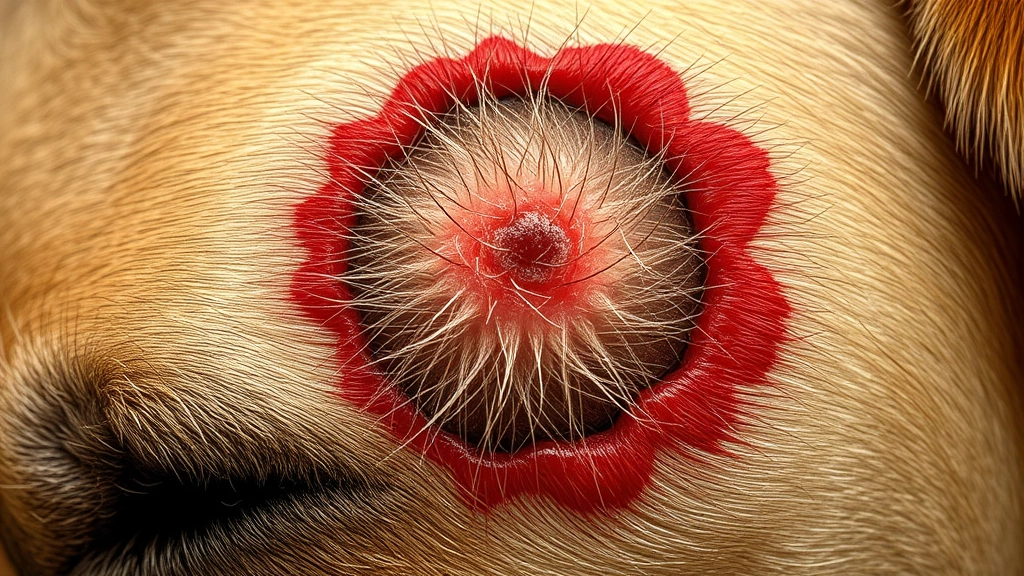
The most obvious indicator of canine ringworm symptoms is the appearance of circular, ring-shaped patches on your dog’s skin. These lesions typically start small—about the size of a coin—and can expand over time if left untreated. The edges of these rings are often more inflamed and noticeable than the center, which sometimes gives them a distinctive “donut” appearance.
You’ll usually spot these patches on your dog’s face, ears, paws, or tail, though they can pop up anywhere. The affected area might look slightly raised, scaly, or crusty. Some dogs develop multiple rings that can merge together, creating larger affected zones. The skin underneath might appear pink or red, especially at the edges.
Hair Loss and Baldness Patterns
One of the most telltale signs that your dog might have ringworm is patchy hair loss, or alopecia. Unlike normal shedding, ringworm-related hair loss happens in distinct, circular patches. Your dog’s fur will literally break off at the skin level rather than falling out from the root, leaving behind a stubbled appearance.
The hair loss often precedes any visible skin changes, so if you’re noticing your usually fluffy pup developing bald spots that look almost like someone took scissors to their coat, ringworm could be the culprit. These bald patches might be accompanied by a slight odor—nothing pleasant—and the skin underneath often appears flaky or scaly.
Scaling, Flaking, and Crusty Skin
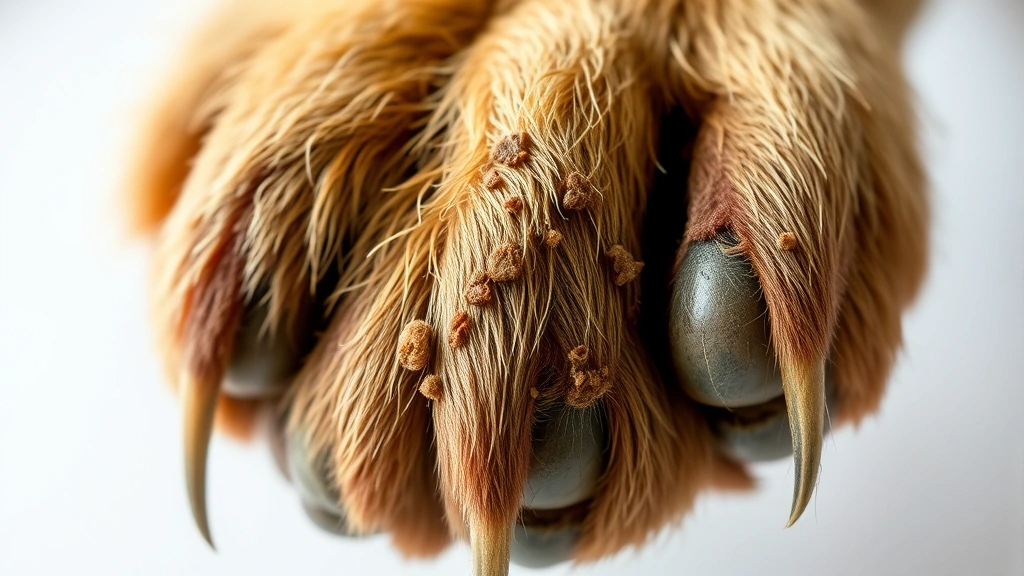
Beyond the obvious bald patches, ringworm causes the affected skin to become dry, scaly, and crusty. You might notice your dog’s skin looking like it’s covered in dandruff or dried-up skin cells. This scaling can be subtle or quite pronounced, depending on how advanced the infection is.
When you run your hand over the affected area, it’ll feel rough and bumpy rather than smooth. Some dogs develop a white or grayish crusty coating over the lesions. This crusty layer is actually a combination of dead skin cells and fungal spores, which makes it incredibly contagious. Don’t let your dog lick or chew at these areas, and wash your hands thoroughly after touching them.
Inflammation and Redness
The skin around ringworm lesions is often inflamed and noticeably red or pink. This inflammation happens because your dog’s immune system is trying to fight off the fungal invader. The redness is usually most prominent at the edges of the lesions, creating that characteristic ring pattern.
In some cases, the inflammation can be quite severe, leading to secondary bacterial infections if your dog scratches the area excessively. This is why it’s crucial to prevent your dog from licking or chewing at the affected spots—easier said than done, I know, but a cone collar might be necessary during treatment.

Itching and Discomfort Levels
Here’s something that surprises a lot of dog owners: ringworm doesn’t always cause intense itching. Some dogs barely seem bothered by it, while others scratch and lick constantly. The level of discomfort varies depending on your individual dog and the severity of the infection.
If your dog is scratching more than usual, especially in specific areas, that’s a red flag. Excessive licking can lead to secondary skin infections and make the ringworm worse. If you notice your dog obsessively grooming one particular spot or area, get it checked out by your vet. This behavior could indicate ringworm or other fungal skin infections in dogs that need professional attention.
Where Ringworm Appears Most Often
Ringworm doesn’t discriminate—it can appear anywhere on your dog’s body. However, certain areas are more common infection sites. The face, especially around the nose and eyes, is a frequent location. The ears and ear flaps are also hot spots for ringworm because they tend to be warmer and more humid.
Your dog’s paws and between the toes are another common area, particularly if your pup spends time outdoors in damp conditions. The tail, back, and sides of the body also see their fair share of ringworm infections. Puppies and senior dogs tend to get infected more easily because their immune systems are either underdeveloped or weakened.
Variations in Appearance: Not Always Textbook
Here’s where it gets tricky: not all ringworm looks like the classic ring-shaped lesion. Some infections appear as simple, non-descript scaly patches without any circular pattern. Others might look like dry skin or dandruff at first glance. Some dogs develop what’s called “kerion”—a severe inflammatory response that looks like a pustule-filled, crusty mess rather than a clean ring.

This is why relying on appearance alone isn’t always reliable. A vet can perform a Wood’s lamp examination (where they use a special ultraviolet light to check for fungal fluorescence) or take a fungal culture to confirm ringworm. About 50% of ringworm cases actually fluoresce under the Wood’s lamp, so a negative result doesn’t rule it out.
When to Suspect Ringworm in Your Dog
You should suspect ringworm if you notice any combination of the following: circular patches of hair loss, scaly or crusty skin, mild to moderate itching, or if you’ve been around other animals with confirmed ringworm. If someone in your household has a ringworm infection, your dog is at higher risk too.
Environmental factors matter as well. Dogs that spend time in warm, humid conditions are more susceptible. If your pup recently visited a grooming facility, dog park, or shelter, that’s another risk factor. Young puppies, elderly dogs, and dogs with compromised immune systems are especially vulnerable.
One important note: if your dog has been diagnosed with Lyme disease symptoms in dogs or other systemic conditions, their immune system might be weakened, making them more prone to fungal infections. Additionally, if you’re dealing with lethargy in dogs, it could be related to a systemic infection that’s also allowing ringworm to take hold.
Diagnosis: Don’t Self-Diagnose
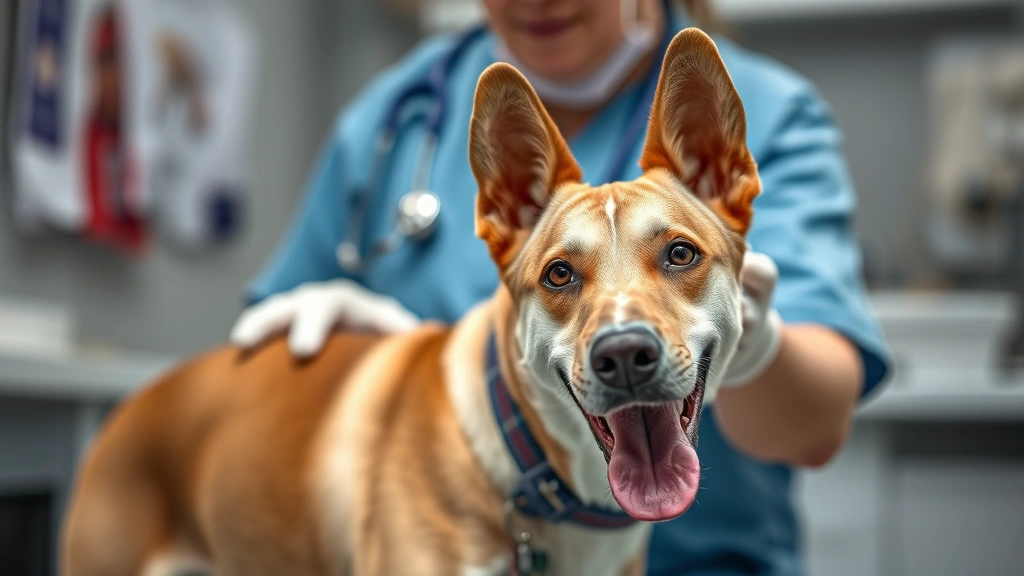
While visual inspection can give you clues, you absolutely need a veterinarian to confirm ringworm. Your vet might use several diagnostic methods: the Wood’s lamp test (though it’s not foolproof), fungal culture (the gold standard, takes 1-2 weeks), or KOH preparation (a quick microscopic test). A fungal culture is the most accurate method because it identifies the specific fungus involved and can guide treatment.
Don’t assume that scaly patches or hair loss is definitely ringworm. It could be mange, allergies, bacterial infections, or other skin conditions. Only a vet can give you a definitive diagnosis. This is especially important because the treatment varies depending on what’s actually causing the problem.
Treatment Options and Prevention
Once confirmed, ringworm treatment typically involves topical antifungal medications (creams, ointments, or dips), oral antifungal medications, or a combination of both. Treatment duration usually ranges from 2-12 weeks depending on severity. You’ll need to treat your dog consistently and follow your vet’s instructions to the letter.
Prevention is equally important, especially in multi-pet households. Wash your hands after touching an infected dog, disinfect bedding and toys regularly, and isolate the infected dog if possible. For more information on keeping your home safe, check out resources about is diatomaceous earth safe for dogs—some people use it as a supplementary approach, though it shouldn’t replace veterinary treatment.
Environmental management is crucial too. Clean and disinfect any areas where your dog spends time. Vacuum frequently, wash bedding in hot water, and use antifungal sprays on surfaces if recommended by your vet. This prevents reinfection and stops the fungus from spreading to other pets or family members.
Frequently Asked Questions
Can humans catch ringworm from dogs?
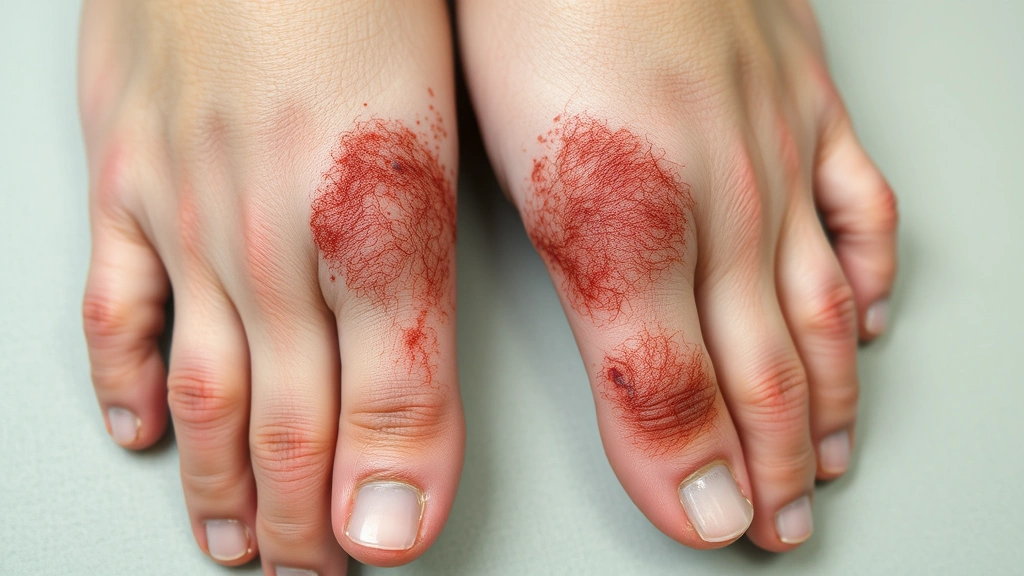
Yes, absolutely. Ringworm is zoonotic, meaning it can spread from animals to humans. If you notice ringworm on your dog, be extra careful with hygiene. Wash your hands thoroughly after handling your dog, don’t let them lick your face, and keep their bedding separate from yours. If you develop any suspicious skin lesions, see a dermatologist immediately.
How long does it take for ringworm to show up after exposure?
The incubation period for ringworm in dogs is typically 1-3 weeks, though it can take up to several months in some cases. This is why if you’ve been around an infected dog, you should monitor your pup closely for any signs of infection during this window.
Is ringworm contagious to other dogs immediately?
Yes, ringworm is highly contagious from the moment symptoms appear. In fact, dogs can shed fungal spores even before visible lesions develop. If you have multiple dogs and one is diagnosed with ringworm, isolate them from the others and practice strict hygiene protocols.
Can indoor dogs get ringworm?
Absolutely. While outdoor dogs are at higher risk due to environmental exposure, indoor dogs can still contract ringworm from contaminated objects, other pets, or even from their owners who’ve been exposed. It’s not just an outdoor problem.
What’s the difference between ringworm and mange in dogs?
Ringworm is fungal, while mange is caused by mites. Ringworm typically presents as circular lesions with clear edges, while mange often causes more diffuse hair loss and intense itching. Both require veterinary diagnosis and treatment, but the medications are different.
Will ringworm go away on its own?
Ringworm rarely clears up without treatment. It might temporarily improve if your dog’s immune system is strong, but the infection usually persists and spreads. Treatment is necessary to eliminate it completely and prevent transmission to other pets and family members.
Summary: Spotting Ringworm Early
Knowing what does ringworm look like on dogs is your first line of defense against this common fungal infection. Look for circular patches of hair loss, scaly or crusty skin, mild to moderate itching, and redness around the lesions. The classic ring-shaped appearance is the giveaway, but remember that not all ringworm looks textbook.
The most important thing is to get your dog to a vet as soon as you notice suspicious skin changes. Don’t wait and hope it goes away—ringworm is contagious and spreads easily. With proper diagnosis and treatment, your dog will recover completely, but early intervention is key.
Keep an eye on your pup’s skin health, practice good hygiene if you suspect ringworm, and follow your vet’s treatment plan religiously. Your dog will be back to their healthy, happy self in no time. If you’re concerned about other health issues alongside potential ringworm, like is it cruel to keep a blind dog (if vision is affected) or other complications, discuss these with your veterinarian during your visit.





