So you’re wondering what dog is closest to a wolf—and honestly, it’s a question that makes total sense. Some dogs look so darn wolfish that you’d swear they could howl at the moon and lead a pack through the forest. The truth? Several dog breeds come remarkably close to their wild ancestors in appearance, temperament, and genetic makeup. Let’s dig into which pups are basically wolves in dog clothing.
Table of Contents
- The Wolf-Dog Connection: Why Some Breeds Look So Wild
- Siberian Husky: The Iconic Wolf Lookalike
- Alaskan Malamute: The Heavyweight Wolf Contender
- German Shepherd: The Working Wolf in Disguise
- Tamaskan Dog: The Designer Wolf Breed
- Czechoslovakian Vlcak: The Actual Wolf-Dog Hybrid
- Other Notable Wolf-Like Breeds Worth Mentioning
- What Makes a Dog “Wolf-Like” Beyond Appearance?
- Caring for Wolf-Like Dog Breeds: Special Considerations
- The Genetics Behind Wolf-Like Appearance
- Why People Want Wolf-Like Dogs (And Why They Shouldn’t Get Actual Wolves)
- Training and Socialization: The Key to Success
- Frequently Asked Questions
- Conclusion: Choosing Your Wolf-Like Companion
The Wolf-Dog Connection: Why Some Breeds Look So Wild
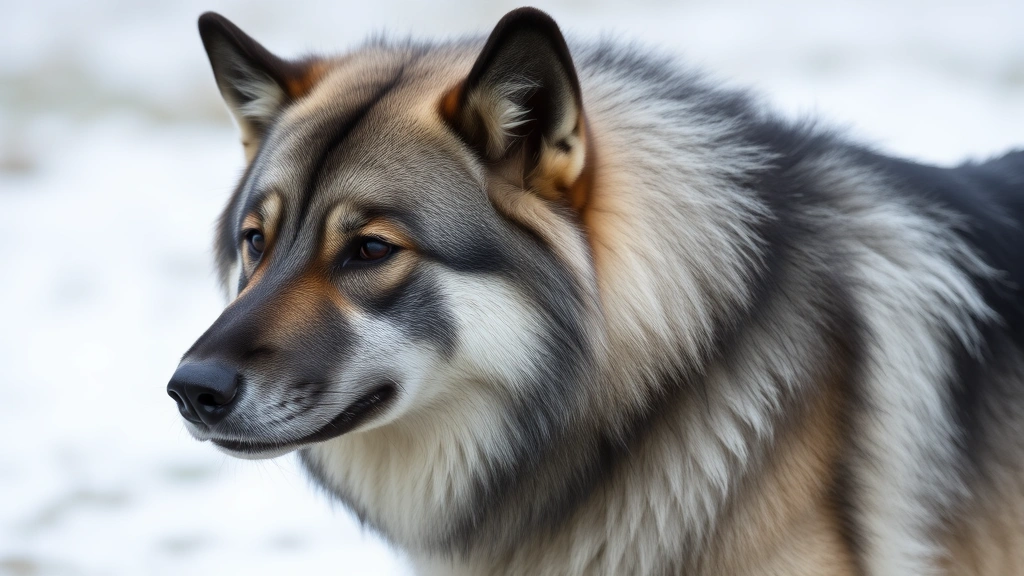
Before we reveal the five closest contenders, let’s talk about why certain breeds look like they just walked out of a nature documentary. Dogs and wolves share the same ancestor—Canis lupus—and selective breeding has created some fascinating results. Some breeds were intentionally developed to resemble wolves, while others simply inherited strong wolf-like traits through their genetics. The breeds closest to wolves typically feature elongated muzzles, erect ears, athletic builds, and that piercing stare that screams “I’m a predator.” It’s wild how evolution works, right?
Siberian Husky: The Iconic Wolf Lookalike
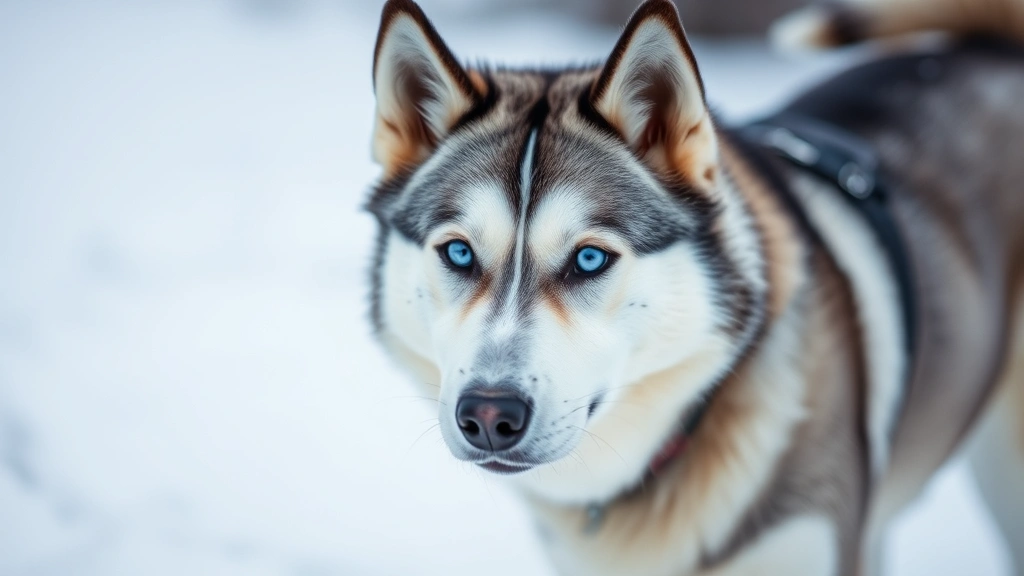
If you’re picturing a dog that looks like a wolf, the Siberian Husky probably came to mind first. These stunning canines have the striking facial markings, piercing blue eyes, and lean muscular build that practically screams wolf ancestry. Huskies were bred by the Chukchi people of Siberia to pull sleds across frozen tundra, and that harsh environment shaped them into incredibly resilient, pack-oriented animals. Their temperament mirrors wolves too—they’re independent thinkers, incredibly loyal to their “pack,” and have a strong prey drive. One look at a Husky’s face and you’ll understand why so many people think they’re part wolf. They even have that signature wolf howl instead of a traditional bark. Lab and Husky Mix Dogs combine these traits with other breeds, creating even more wolf-like appearances.
Alaskan Malamute: The Heavyweight Wolf Contender
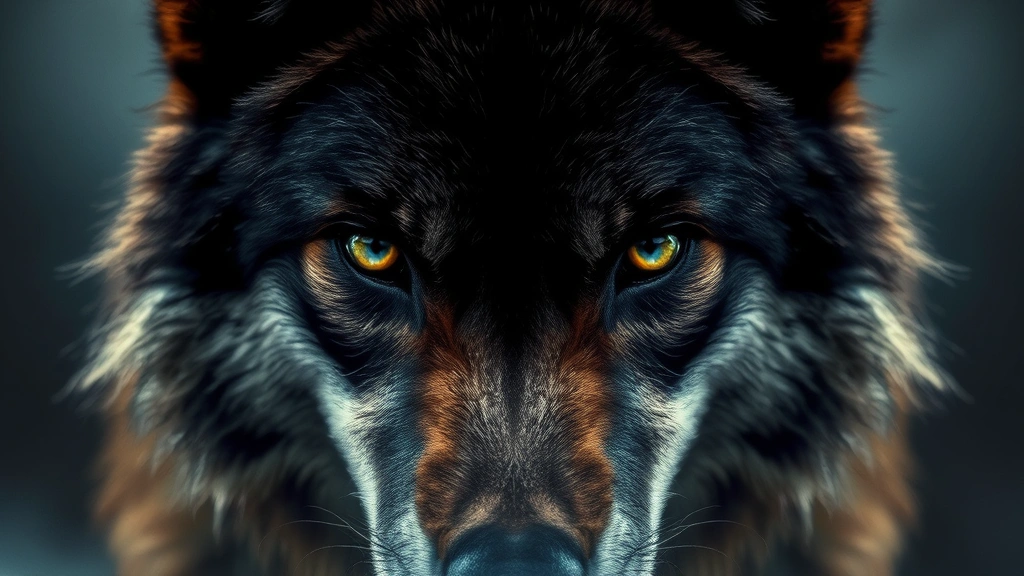
While Siberian Huskies are lean and graceful, Alaskan Malamutes are the heavyweight champions of wolf-like dogs. These massive canines can weigh up to 100 pounds and were bred to haul heavy freight across Alaskan terrain. Their thick double coat, broad head, and powerful build give them an unmistakably wild appearance. Malamutes have a more robust, bear-like quality compared to Huskies, but that wolf essence is undeniable. They’re pack animals at heart, incredibly intelligent, and possess the kind of strength that demands respect. If you want a dog that genuinely looks like it could survive in the wilderness, a Malamute checks every box. Their temperament is surprisingly gentle despite their intimidating appearance, though they require experienced owners who understand their independent nature.
German Shepherd: The Working Wolf in Disguise
German Shepherds might not have the obvious wolf aesthetic of Huskies, but genetically and behaviorally, they’re incredibly close to their wild ancestors. These dogs were literally bred to be wolf-like hunters and protectors—their name says it all. They have the elongated muzzle, erect ears, athletic build, and that intense, calculating stare that wolves are famous for. German Shepherds are working dogs through and through, bred for intelligence, loyalty, and protective instincts. Their wolf-like qualities shine through in their pack mentality, their need for a strong leader, and their incredible work ethic. Many law enforcement and military units choose German Shepherds specifically because of these traits. While they might not look as “wild” as a Husky at first glance, their behavioral and genetic wolf-likeness is profound.
Tamaskan Dog: The Designer Wolf Breed
Here’s where things get interesting. The Tamaskan Dog is literally bred to look like a wolf while maintaining domestic dog temperament. Developed in Finland, Tamaskans combine genetics from Siberian Huskies, Alaskan Malamutes, and German Shepherds to create the ultimate wolf-lookalike. These dogs have the exact appearance most people imagine when they think “wolf”—gray and black coloring, sharp features, piercing eyes, and that lean, powerful build. They’re not actually part wolf (which is important—wolf hybrids are problematic and illegal in many places), but they’re engineered to be as close as possible. Tamaskans are intelligent, loyal, and pack-oriented, making them excellent family dogs for experienced owners. However, they’re relatively rare and can be expensive, so they’re not your typical backyard pup.
Czechoslovakian Vlcak: The Actual Wolf-Dog Hybrid
Now, we need to talk about the Czechoslovakian Vlcak—a breed that literally contains wolf DNA. Created in the 1950s by crossing German Shepherds with Carpathian wolves, Vlcaks are about 50% wolf genetically. They look absolutely wild with their gray coat, long legs, and unmistakable wolf features. However—and this is crucial—Vlcaks are not recommended as pets for most people. They retain significant wolf behaviors including prey drive, pack hierarchy obsession, and fear of humans. They’re unpredictable, require massive amounts of space and specialized care, and are illegal in many jurisdictions. While they’re technically the answer to “what dog is closest to a wolf,” they’re a cautionary tale about why we should appreciate wolf-like appearance from a distance. If you want a wolf-like companion, stick with purebred dogs designed for domestic life.
Other Notable Wolf-Like Breeds Worth Mentioning
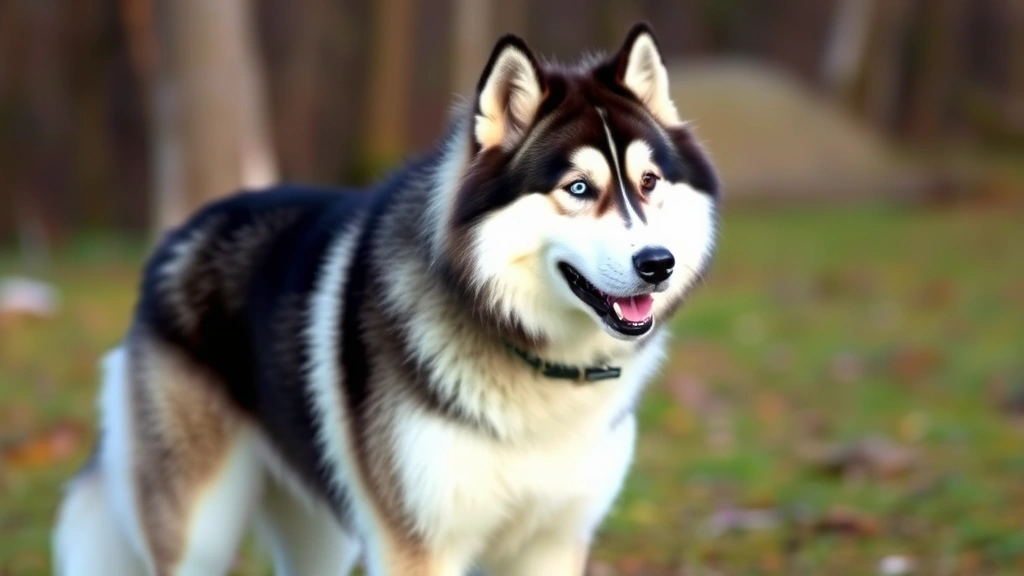
Beyond the five main contenders, several other breeds deserve honorable mentions in the wolf-likeness category. The Maremma Sheepdog has that powerful, protective wolf energy. Northern Inuit Dogs are another designer breed specifically created to resemble wolves while maintaining domestic temperament. Saarloos Wolfdog is another wolf-hybrid breed (though similarly problematic as the Vlcak). Even some mixed breeds, like the Lab and Husky Mix, can display striking wolf-like characteristics. The key is understanding that while these dogs may look wild, they’re still domesticated animals that require proper training, socialization, and care.
What Makes a Dog “Wolf-Like” Beyond Appearance?
It’s not just about looks. Wolf-like dogs share behavioral traits with their wild ancestors. They typically have strong pack instincts, meaning they view their family as their pack and may struggle with dominance issues if not properly trained. They often have high prey drives—that instinct to chase and hunt is hardwired. They’re usually incredibly intelligent and independent thinkers, which means they won’t blindly follow commands like some other breeds. They often communicate through howling rather than barking, and they have that intense, penetrating stare that makes you feel like they’re reading your soul. These behavioral traits, combined with physical characteristics, are what truly make a dog “close to a wolf.” It’s the whole package—genetics, appearance, and temperament working together.

Caring for Wolf-Like Dog Breeds: Special Considerations
If you’re considering adopting a wolf-like breed, you need to understand their unique needs. These dogs require experienced owners who understand pack dynamics and can establish themselves as confident leaders. They need massive amounts of exercise—we’re talking 1-2 hours daily minimum. Mental stimulation is equally important; bored wolf-like dogs become destructive and problematic. Socialization from puppyhood is critical to prevent fear-based aggression. Many wolf-like breeds have prey drives that make them unsuitable for homes with small pets. They’re also often escape artists, so secure fencing is non-negotiable. Training should be firm, consistent, and positive-reinforcement based. These aren’t dogs for first-time owners or people who want a casual pet. They’re commitment-level animals that demand respect, understanding, and dedication.
The Genetics Behind Wolf-Like Appearance
Scientists have identified specific genetic markers that influence wolf-like traits in dogs. The genes controlling ear shape, muzzle length, coat color, and size all trace back to wolf ancestry. Interestingly, many of these traits are recessive, which is why selective breeding is necessary to maintain them. Some researchers have found that wolf-like dogs retain more “neotenic” features—puppy-like characteristics that persist into adulthood—compared to wolves, which is actually what makes them suitable as pets. The balance between wolf traits and domestic dog traits is delicate. Breeders working with Tamaskans and similar designer breeds are essentially trying to maximize wolf appearance while minimizing problematic wolf behavior. It’s fascinating from a genetic perspective and explains why some dogs look so incredibly wild while still being capable of living in human homes.

Why People Want Wolf-Like Dogs (And Why They Shouldn’t Get Actual Wolves)
There’s something undeniably appealing about wolf-like dogs. They’re majestic, powerful, and connected to wild nature in a way that most dog breeds aren’t. People are drawn to that aesthetic and the sense of having something “special” or “dangerous” as a pet. However, this desire has led to serious problems with actual wolf hybrids and illegal wolf ownership. Real wolves, even those raised from puppyhood, retain their wild instincts and can be unpredictable and dangerous. They don’t bond with humans the way dogs do—they see humans as potential rivals or prey. This is why responsible breeders focus on creating wolf-like dogs rather than wolf-dog hybrids. Breeds like the Tamaskan and Northern Inuit Dog give you the aesthetic without the danger. You get the wolf look with the domestic dog temperament. It’s the best of both worlds if you’re willing to do the work required to raise these intelligent, independent animals properly.
Training and Socialization: The Key to Success
Whether you choose a Husky, Malamute, German Shepherd, or Tamaskan, proper training and socialization are absolutely essential. Wolf-like dogs need to understand their place in the household hierarchy from day one. They respond best to confident, consistent leadership. Positive reinforcement works better than punishment with these intelligent breeds. Early socialization with other dogs, animals, and people is critical—it helps prevent the fear-based aggression that can develop in unsocialized wolf-like dogs. Many of these breeds benefit from working activities or sports that channel their intelligence and energy productively. Some excel at agility competitions, others at sledding or protection work. The point is that these aren’t couch potatoes. They need purpose and stimulation. Without proper training and socialization, even the most beautiful wolf-like dog can become a behavioral nightmare.
Frequently Asked Questions
Can you legally own a wolf-dog hybrid?
It depends on your location. Many states, provinces, and municipalities have banned wolf-dog hybrids entirely due to safety concerns and their unpredictable nature. Even where they’re legal, they often require special permits and liability insurance. Most animal control experts and veterinarians recommend against wolf-dog ownership. If you want a wolf-like dog, choose a purebred dog breed instead of a hybrid.
Are wolf-like dog breeds aggressive?
Not inherently, but they have strong predatory instincts and pack mentality that can manifest as aggression if not properly managed. Early socialization, consistent training, and experienced ownership are crucial. Most wolf-like breeds are loyal and protective of their families, but they can be problematic with strangers and small animals without proper handling.
Which wolf-like breed is best for families?
Siberian Huskies and Alaskan Malamutes are generally the most family-friendly of the wolf-like breeds, though they’re still high-maintenance. German Shepherds are excellent family dogs when properly trained. Tamaskan Dogs are specifically bred for domestic life and can work well with experienced families. Always prioritize breeds from responsible breeders and ensure you have the time and resources these dogs demand.
How much exercise do wolf-like dogs need?
Most wolf-like breeds need 1-2 hours of vigorous exercise daily. Huskies and Malamutes especially were bred to work in harsh conditions, so casual walks aren’t sufficient. They need running, hiking, or similar high-intensity activities. Mental stimulation through training and puzzle toys is equally important to prevent destructive behavior.

Do wolf-like dogs howl?
Yes, many wolf-like breeds, especially Huskies and Malamutes, retain the wolf trait of howling rather than barking. This is partly genetic and partly environmental—they pick up howling from their pack members. It’s one of the most distinctive wolf-like behaviors you’ll encounter as an owner.
Conclusion: Choosing Your Wolf-Like Companion
So, what dog is closest to a wolf? The answer depends on what you’re looking for. If you want pure genetic closeness, the Czechoslovakian Vlcak technically wins—but they’re not recommended as pets. For the best combination of wolf-like appearance, manageable temperament, and suitability as a companion animal, the Siberian Husky, Alaskan Malamute, German Shepherd, and Tamaskan Dog all offer incredible options. Each breed brings its own unique blend of wolf characteristics and domestic dog qualities. The most important thing to remember is that wolf-like appearance comes with wolf-like behavioral traits. These dogs demand experienced, dedicated owners who understand their needs and can provide proper training, socialization, and exercise. If you’re willing to put in that work, a wolf-like dog can be an absolutely magnificent companion. If you’re just looking for the aesthetic without the commitment, you might want to reconsider. These aren’t casual pets—they’re serious animals that deserve serious ownership. Choose wisely, train consistently, and you’ll have a loyal, powerful companion that will turn heads wherever you go. Just remember: you’re getting a dog that acts like a wolf, not an actual wolf. Respect that distinction, and you’ll have an amazing relationship with your wild-looking friend.