
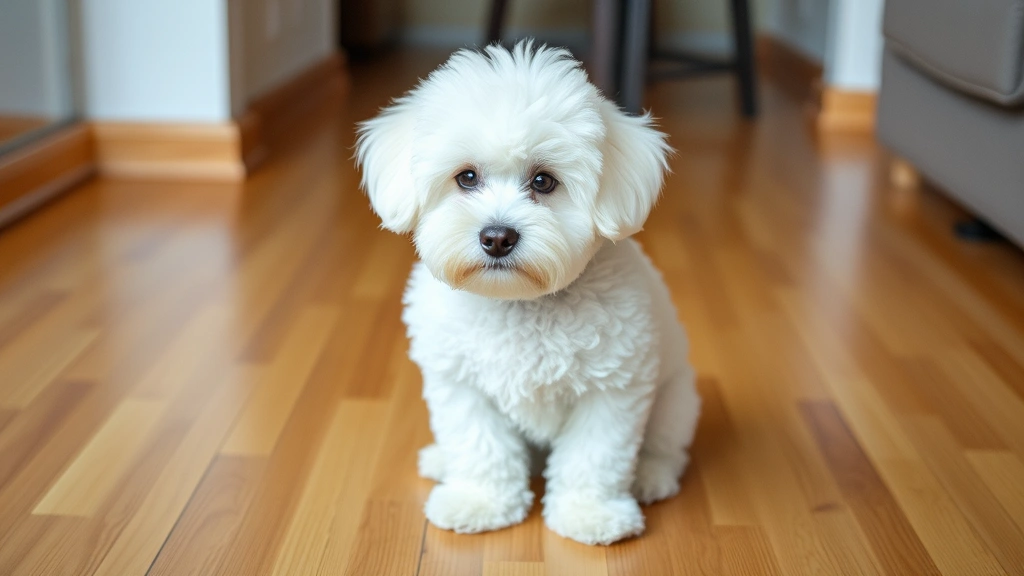
If you’re tired of finding dog hair on literally everything you own, what dogs don’t shed might be the most important question you’ll ever ask before getting a furry friend. The good news? Plenty of amazing dog breeds have minimal to zero shedding, meaning you can finally wear black pants without looking like you’ve been hugging a golden retriever.
Table of Contents
- Understanding Dog Shedding: Why Some Dogs Don’t Shed
- The Top Non-Shedding Breeds: Small Dogs
- Medium and Large Non-Shedding Breeds
- Specialty Breeds That Don’t Shed
- Hypoallergenic Breeds for Allergy Sufferers
- Grooming Requirements for Non-Shedding Dogs
- Health Considerations for Non-Shedding Breeds
- Cost of Non-Shedding Breeds
- Lifestyle Considerations: Are Non-Shedding Dogs Right for You?
- Training and Socialization for Non-Shedding Breeds
- Finding a Reputable Breeder
- Non-Shedding Breeds from Around the World
- Maintenance and Care Tips for Non-Shedding Dogs
- Frequently Asked Questions
- Conclusion: Finding Your Perfect Non-Shedding Companion
Understanding Dog Shedding: Why Some Dogs Don’t Shed
Before we dive into the best non-shedding breeds, let’s talk about why some dogs shed like they’re auditioning for a hair commercial. Dogs shed for various reasons—seasonal changes, stress, poor diet, and genetics all play a role. However, certain breeds have hair instead of fur, which grows continuously but doesn’t fall out in clumps. These are your ticket to a cleaner living room.
The difference between hair and fur is crucial. Fur has a growth cycle that ends, causing it to fall out. Hair, on the other hand, keeps growing and needs regular trimming. This is why poodles, bichon frises, and other hair-coated breeds are considered hypoallergenic and low-shedding. They’re not completely allergen-free (no dog truly is), but they’re significantly better for people with allergies or those who just don’t want to vacuum every single day.
The Top Non-Shedding Breeds: Small Dogs
Let’s start with the little guys. If you’re looking for a smaller companion that won’t destroy your furniture with fur, these breeds are absolute stars.
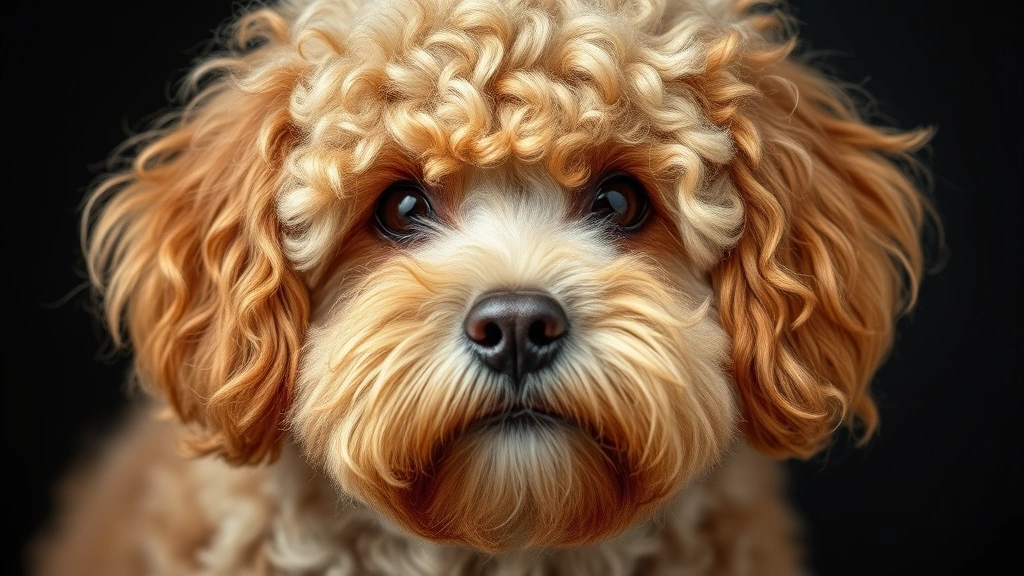
Poodle (Toy & Miniature): The poodle is basically the poster child for non-shedding dogs. These intelligent, athletic little fluffballs have curly hair that’s hypoallergenic and requires regular grooming every 4-6 weeks. They’re perfect if you want a dog that’s as smart as it is adorable.
Bichon Frise: With their fluffy white coats and cheerful personalities, bichon frises are apartment-living champions. They’re small, friendly, and their hair doesn’t shed—though you’ll need to brush them regularly to prevent matting.
Maltese: These tiny white dogs are the definition of lap dogs. Their silky hair grows long and requires regular maintenance, but the trade-off is virtually no shedding. Plus, they’re absolutely gorgeous.
Shih Tzu: Originally bred as lap dogs for Chinese royalty, shih tzus have long, flowing hair that doesn’t shed. They’re affectionate, stubborn in the cutest way possible, and require consistent grooming.
Yorkshire Terrier: Don’t let their tiny size fool you—yorkies have big personalities. Their silky coats are hypoallergenic and low-shedding, making them great for allergy sufferers.
Medium and Large Non-Shedding Breeds
Want a bigger dog without the fur tumbleweeds? These medium to large breeds won’t disappoint.
Standard Poodle: If you love the poodle but need more dog, the standard poodle is your answer. They’re athletic, intelligent, and come in various colors. Their hair requires professional grooming every 4-8 weeks, but the lack of shedding makes it worth it.
Labradoodle: A cross between a Labrador and a Poodle, labradoodles combine the friendly nature of labs with the non-shedding coat of poodles. However, coat type can vary—look for ones with curlier coats for less shedding.
Portuguese Water Dog: These energetic, intelligent dogs were originally bred to help fishermen in Portugal. Their wavy or curly coats are hypoallergenic and low-shedding, and they’re fantastic for active families.
Wheaten Terrier: With their distinctive wheat-colored coats, these dogs are friendly, affectionate, and surprisingly low-shedding. They’re medium-sized and packed with personality.
Specialty Breeds That Don’t Shed
Looking for something a bit more unique? Check out these lesser-known non-shedding breeds that deserve way more attention.
Afghan Hound: These elegant dogs have long, silky coats that don’t shed excessively. They require significant grooming, but if you love the idea of a glamorous, runway-ready pup, they’re worth the effort.
Basenji: Often called the “barkless dog,” basenjis have short coats that shed minimally. They’re independent, curious, and require experienced owners.
Irish Water Spaniel: These curly-coated retrievers are excellent swimmers with hypoallergenic coats. They’re energetic, intelligent, and perfect for families who love outdoor activities. Check out our guide on large breed dog food if you’re considering one of these bigger pups.
Hypoallergenic Breeds for Allergy Sufferers
If you or someone in your household has allergies, these breeds are your best bets. According to the American Kennel Club, hypoallergenic breeds produce fewer allergens, though no dog is completely allergen-free.
Schnauzers (Miniature, Standard, and Giant): These wiry-coated dogs are excellent for allergy sufferers. They’re loyal, intelligent, and come in three sizes to suit different living situations.
Soft Coated Wheaten Terrier: We mentioned these before, but they deserve special attention for allergy sufferers. Their soft, silky coats produce fewer allergens than most other breeds.
Pug: Wait—pugs shed! But they shed less than many other breeds, and their short coats make grooming easier. They’re great if you want a low-maintenance companion.
Grooming Requirements for Non-Shedding Dogs
Here’s the catch: non-shedding dogs require regular grooming. You’re essentially trading vacuum time for grooming time, which is actually a pretty good deal when you think about it.
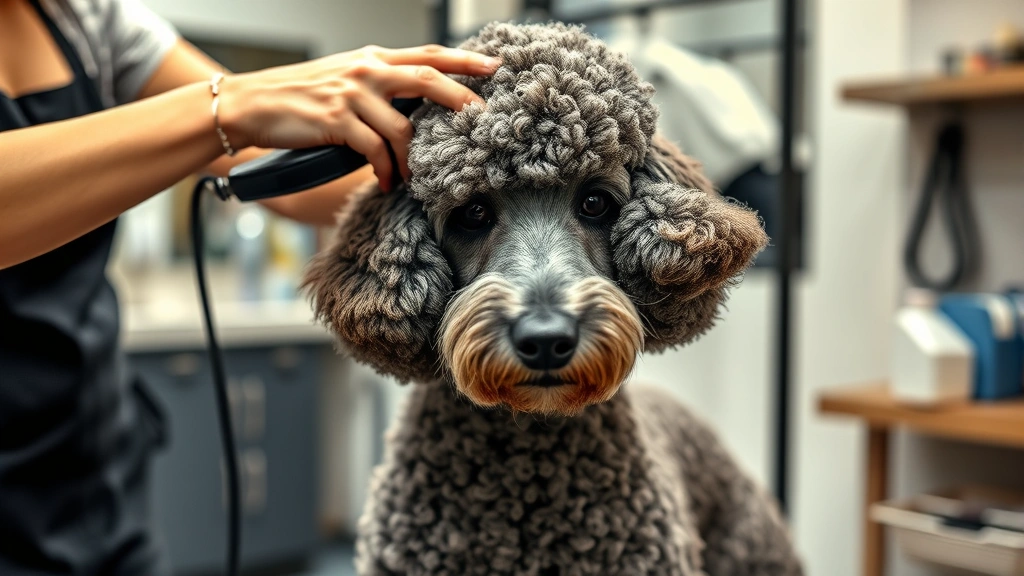
Most non-shedding breeds need professional grooming every 4-8 weeks. Between appointments, you’ll want to brush them several times a week to prevent matting and tangling. This is especially important for dogs with curly or long coats. Regular grooming not only keeps your dog looking fabulous but also prevents skin issues and keeps them comfortable.
Budget-wise, grooming costs typically range from $50-$150 per session depending on your location and the dog’s size. Yes, it’s an investment, but it’s worth every penny if you’re serious about maintaining a fur-free home. Plus, your dog will feel amazing after a good grooming session—they’ll basically prance around like they just left a spa.
Health Considerations for Non-Shedding Breeds
Non-shedding dogs are generally healthy, but like all breeds, they have specific health considerations. PetMD notes that poodles and poodle mixes are prone to hip dysplasia and progressive retinal atrophy, while smaller breeds might experience patellar luxation.
Always get health screening reports from reputable breeders. Look for certifications from the Orthopedic Foundation for Animals (OFA) and genetic testing results. A responsible breeder will be transparent about health issues in their breeding lines.
Regular vet check-ups, a quality diet, and appropriate exercise are essential for keeping any non-shedding dog healthy. If you’re considering a larger breed, check out our large breed dog food guide to ensure you’re feeding them properly.
Cost of Non-Shedding Breeds
Non-shedding breeds typically cost more upfront than shedding breeds. You’re looking at $500-$2,500+ for a puppy from a reputable breeder, depending on the breed and location. Poodles and poodle mixes are on the higher end, while some terrier breeds might be more affordable.
Don’t forget to factor in grooming costs, quality food, toys, and veterinary care. Over a dog’s lifetime, you might spend $15,000-$30,000 on a non-shedding breed. But if you’re someone who can’t stand dog hair, it’s absolutely worth it. Plus, you can finally wear that black sweater without looking like a walking fur coat.
Lifestyle Considerations: Are Non-Shedding Dogs Right for You?
Before committing to a non-shedding breed, honestly assess your lifestyle. These dogs require regular grooming, which means consistent appointments and maintenance. If you’re the type who forgets to schedule dentist appointments for yourself, a non-shedding dog might be more work than you bargained for.
Consider your living situation too. Apartment dwellers often appreciate non-shedding breeds, but some of these dogs are high-energy and need plenty of exercise. A standard poodle in a tiny studio apartment isn’t ideal, no matter how little they shed. If you’re interested in lower-energy options, check out our article on lazy dog breeds.
Also think about your climate. Dogs with hair that keeps growing can overheat in extremely hot weather if not groomed properly. Make sure you can provide appropriate care year-round.
Training and Socialization for Non-Shedding Breeds
Most non-shedding breeds are intelligent and trainable, which is a huge bonus. Poodles, for example, are among the smartest dog breeds and excel in obedience training. This means you can teach them commands, tricks, and good manners relatively easily.
Early socialization is crucial for any breed. Expose your non-shedding pup to different people, environments, and experiences during their critical socialization period (8-16 weeks). This helps prevent behavioral issues and ensures they grow into well-adjusted adults.
Positive reinforcement training works best for most non-shedding breeds. These dogs respond well to praise, treats, and consistency. Avoid harsh corrections—they’re sensitive souls who just want to make you happy.
Finding a Reputable Breeder
When looking for a non-shedding breed, finding a reputable breeder is absolutely critical. Avoid puppy mills and backyard breeders at all costs. These operations prioritize profit over health and welfare, resulting in dogs with serious behavioral and health problems.
A good breeder will:
- Provide health testing documentation for both parents
- Allow you to visit their facility
- Ask you detailed questions about your lifestyle and home
- Offer a health guarantee
- Stay involved in the dog’s life and welcome questions
- Be transparent about breed-specific health issues
Don’t be afraid to ask tough questions. A breeder who gets defensive about health testing or doesn’t want to discuss potential issues is a red flag. Your future furry friend’s health depends on choosing wisely.
Non-Shedding Breeds from Around the World
If you’re interested in unique non-shedding breeds, there are some fascinating options from different countries. For example, if you’re curious about international dog breeds, check out our guide on Mexican dog breeds—some have interesting coat types worth exploring.
The Xoloitzcuintli, a Mexican hairless dog, is technically non-shedding because it has no hair at all. It’s an ancient breed with a fascinating history and unique appearance. Similarly, breeds like the Peruvian Inca Orchid are hairless and require special care to protect their sensitive skin.
These hairless breeds are definitely conversation starters, but they require sun protection, moisturizing, and special clothing in cold weather. They’re not for everyone, but if you want something truly unique and completely non-shedding, they’re worth considering.
Maintenance and Care Tips for Non-Shedding Dogs
To keep your non-shedding dog looking and feeling their best, follow these maintenance tips:
Brushing: Brush your dog’s coat 3-5 times per week, more frequently if they have long or curly hair. Use appropriate brushes for their coat type—slicker brushes work well for curly coats, while metal combs help with tangles.
Professional Grooming: Schedule professional grooming every 4-8 weeks. Your groomer will bathe, dry, and trim your dog’s coat to maintain its shape and health.
Nail Care: Trim nails every 3-4 weeks or as needed. Non-shedding breeds often have faster-growing nails.
Ear Cleaning: Many non-shedding breeds have floppy ears that trap moisture. Clean ears weekly to prevent infections.
Dental Care: Brush teeth daily and schedule professional cleanings as recommended by your vet.
If you want to accessorize your pup while keeping them comfortable, consider quality gear like leather dog collars that won’t irritate their skin during grooming.
Frequently Asked Questions
Are non-shedding dogs truly hypoallergenic?
No dog is completely hypoallergenic. However, non-shedding breeds produce fewer allergens because they don’t shed hair and dander into your home. People with mild to moderate allergies often do well with these breeds. If you have severe allergies, spend time with the specific breed before committing to ownership.
How often do non-shedding dogs need grooming?
Most non-shedding breeds need professional grooming every 4-8 weeks, depending on the breed and coat type. Between appointments, brush them 3-5 times per week at minimum. Some owners choose to groom their dogs at home to save money, but this requires training and the right equipment.
Can non-shedding dogs be left alone for long periods?
This depends on the individual breed and dog. Many non-shedding breeds, like poodles and doodles, are social and don’t like being alone for extended periods. They can develop separation anxiety. Plan for doggy daycare or a pet sitter if you work long hours.
What’s the average lifespan of non-shedding breeds?
Most non-shedding breeds live 12-18 years, which is longer than many larger shedding breeds. Smaller breeds like Maltese and Shih Tzus often reach their late teens. Larger breeds like standard poodles typically live 12-15 years.
Do non-shedding dogs require special diets?
Non-shedding dogs don’t necessarily need special diets, but quality nutrition supports coat health and overall wellness. Look for dog foods with high-quality proteins and healthy fats. Avoid low-quality fillers that can lead to skin issues and poor coat condition.
Are non-shedding dogs good for families with children?
Many non-shedding breeds are excellent family dogs. Poodles, labradoodles, and wheaten terriers are particularly good with kids. However, some breeds like Afghan Hounds are more aloof. Always supervise interactions between dogs and young children, and choose a breed that matches your family’s energy level.
Conclusion: Finding Your Perfect Non-Shedding Companion
So, what dogs don’t shed? The answer is: plenty! From tiny Maltese dogs to large Standard Poodles, there’s a non-shedding breed for almost every lifestyle and preference. The key is finding the right match for your home, energy level, and grooming commitment.
Non-shedding breeds offer the wonderful benefit of a cleaner home and fewer allergens, but they require regular grooming and maintenance. If you’re willing to invest in professional grooming and consistent at-home care, you’ll be rewarded with a beautiful, healthy companion that won’t leave fur all over your furniture.
Take your time choosing a breeder, ask plenty of questions, and don’t rush the decision. A non-shedding dog can be a wonderful addition to your family for 12-18+ years. Make sure you’re prepared for the commitment, and you’ll enjoy a fur-free (or nearly fur-free) home with a loving, loyal friend by your side.





