
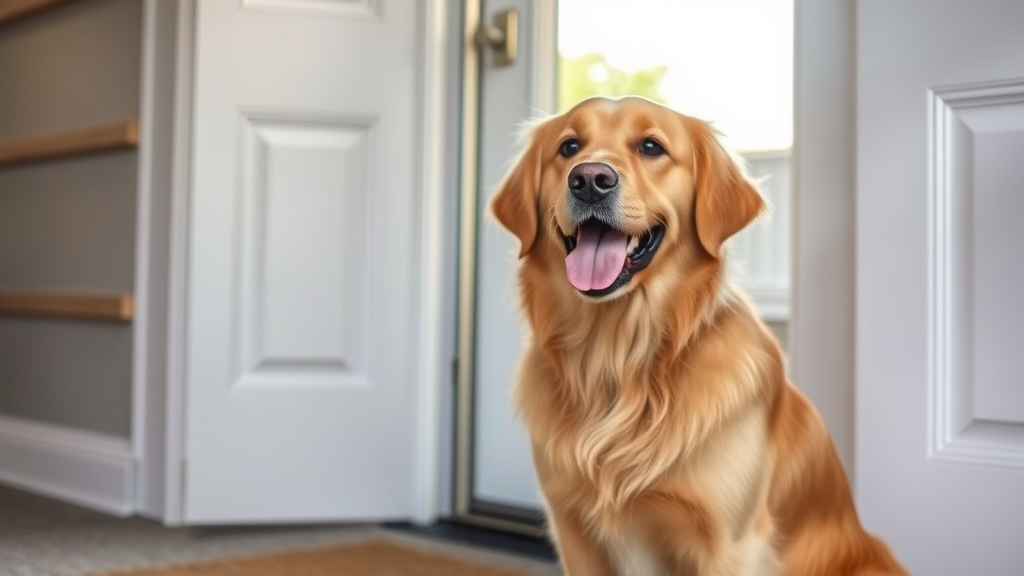
Indoor accidents can be one of the most frustrating challenges dog owners face, turning your beloved home into a minefield of unwanted surprises. Whether you’re dealing with a new puppy who hasn’t mastered house training or an adult dog who’s suddenly having accidents, understanding the root causes and implementing effective solutions is crucial for maintaining a clean, comfortable living environment.
The good news is that most indoor peeing problems are completely solvable with the right approach, patience, and consistency. From establishing proper routines to addressing underlying medical issues, there are proven strategies that can help you reclaim your floors and restore harmony to your household. Let’s explore the comprehensive methods that will transform your dog into a reliable, house-trained companion.
Understanding the Root Causes of Indoor Accidents
Before diving into solutions, it’s essential to identify why your dog is peeing inside. Indoor accidents rarely happen without reason, and understanding the underlying cause will help you choose the most effective approach. The most common reasons include incomplete house training, medical issues, anxiety or stress, territorial marking, and age-related factors.
Puppies under six months old are still developing bladder control and may not fully understand where they should eliminate. Adult dogs who were previously house-trained but suddenly start having accidents often have medical or environmental triggers. Changes in routine, new family members, moving homes, or even rearranging furniture can trigger stress-related accidents.
Territorial marking is different from regular urination and typically involves small amounts of urine deposited on vertical surfaces. This behavior is more common in unneutered males but can occur in any dog. Senior dogs may experience cognitive decline or physical limitations that affect their ability to hold their bladder or communicate their needs effectively.
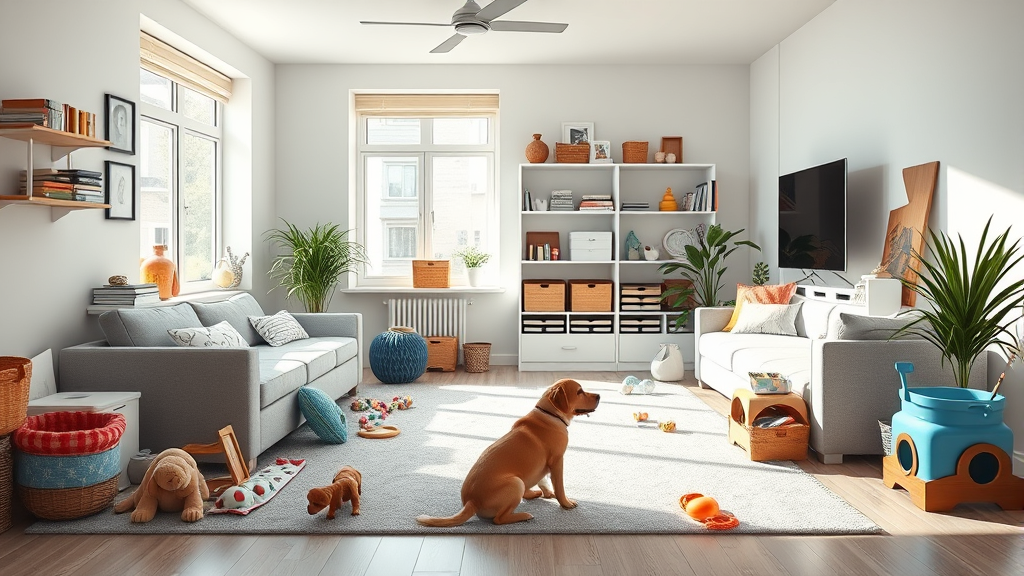
Medical Factors That Contribute to Indoor Peeing
Medical conditions are often overlooked causes of indoor accidents, but they’re surprisingly common and should always be ruled out first. Urinary tract infections (UTIs) are among the most frequent medical causes, creating urgency and discomfort that makes it difficult for dogs to wait until they’re outside. If you suspect a UTI, learning how to treat dog uti at home can provide initial relief while seeking veterinary care.
Diabetes, kidney disease, and Cushing’s disease can all cause increased urination and water consumption. If you’ve noticed why is my dog drinking so much water, this could indicate an underlying medical condition requiring professional evaluation. According to the American Veterinary Medical Association, urinary issues are among the top reasons dogs visit veterinarians.
Gastrointestinal problems can also contribute to accidents, as dogs with digestive issues may have difficulty controlling both urination and defecation. Understanding how to stop diarrhea in dogs can help address related elimination problems. Age-related conditions like arthritis may make it painful for dogs to assume normal elimination positions or reach their usual outdoor spots quickly enough.
House Training Basics and Establishing Routines
Successful house training relies on consistency, positive reinforcement, and understanding your dog’s natural patterns. The foundation of any house training program is establishing a predictable routine that works with your dog’s biological needs. Most dogs need to eliminate first thing in the morning, after meals, after naps, during play sessions, and before bedtime.
Understanding how long can dogs hold their pee is crucial for setting realistic expectations and scheduling appropriate breaks. Puppies can typically hold their bladder for one hour per month of age, plus one additional hour, while adult dogs can usually wait 6-8 hours during the day.
Create a designated elimination area outside and always take your dog to the same spot. The familiar scents will encourage elimination and help establish the routine. Use a consistent command like “go potty” and reward immediately when your dog eliminates in the correct location. The American Kennel Club recommends using high-value treats and enthusiastic praise to reinforce good behavior.
Supervision is key during the house training process. Watch for signs that your dog needs to eliminate, such as sniffing, circling, whining, or heading toward the door. If you catch your dog in the act of having an accident, interrupt with a firm “no” and immediately take them outside to finish in the appropriate location.
Proper Cleaning and Odor Elimination
Thorough cleaning of accident sites is absolutely critical for preventing repeat incidents. Dogs have an incredible sense of smell and will often return to previously soiled areas if odors remain. Regular household cleaners are insufficient for eliminating urine odors that dogs can detect, requiring specialized enzymatic cleaners designed specifically for pet accidents.
Start by blotting up as much liquid as possible with paper towels or cloth rags. Avoid rubbing, which can spread the urine deeper into carpet fibers or porous surfaces. Apply an enzymatic cleaner according to manufacturer instructions, ensuring you treat a larger area than the visible stain since urine can spread beyond what you can see.

For carpeted areas, the padding underneath may also be contaminated and require treatment or replacement in severe cases. Hard surfaces like tile, hardwood, or laminate should be cleaned thoroughly and may need multiple treatments if the urine has seeped into grout lines or between floorboards. The Humane Society provides detailed guidance on cleaning different types of surfaces effectively.
Never use ammonia-based cleaners on pet accidents, as ammonia smells similar to urine and may actually encourage your dog to eliminate in that spot again. Similarly, avoid using steam cleaners on urine stains, as the heat can set protein-based stains permanently.
Behavioral Solutions and Training Techniques
Positive reinforcement training forms the backbone of successful house training programs. Every time your dog eliminates outside, immediately reward them with treats, praise, and attention. This creates a strong association between outdoor elimination and positive outcomes, making your dog more likely to repeat the behavior.
Consistency in feeding schedules directly impacts elimination patterns. Feeding how much food should i feed my dog at regular times helps predict when your dog will need to eliminate, making it easier to prevent accidents through timely outdoor breaks.
For dogs who mark territory indoors, neutering can significantly reduce this behavior, especially if done before the habit becomes established. According to research from Cornell University, neutering reduces marking behavior in approximately 80% of male dogs.
Crate training can be an effective tool when used properly, as most dogs won’t eliminate where they sleep. However, the crate must be appropriately sized – large enough for the dog to stand, turn around, and lie down comfortably, but not so large that they can eliminate in one corner and sleep in another. Gradually increase crate time as your dog becomes more reliable.
Address anxiety-related accidents by identifying and minimizing stress triggers. This might involve gradual desensitization to scary situations, providing safe spaces during stressful events, or consulting with a veterinary behaviorist for severe cases.
Prevention Strategies for Long-term Success
Preventing accidents requires proactive management and environmental modifications. Limit your dog’s access to areas where accidents have occurred until house training is complete. Use baby gates to confine your dog to easily cleaned areas like kitchens or bathrooms when you can’t supervise directly.
Monitor water intake carefully, especially in the evening. While you should never restrict access to water during the day, knowing how long can a dog go without water helps you understand the importance of proper hydration timing. Consider picking up water bowls 2-3 hours before bedtime to reduce nighttime accidents.
Maintain detailed logs of accidents, including time, location, and circumstances. This information can help identify patterns and triggers, making prevention strategies more targeted and effective. Note what your dog was doing before the accident, recent changes in routine, and any signs of distress or illness.
Regular exercise plays a crucial role in house training success. Physical activity stimulates bowel movements and helps dogs maintain better bladder control. Understanding related digestive health, such as how to help a constipated dog, ensures your pet’s overall elimination health supports house training efforts.
Environmental enrichment reduces stress and boredom, both of which can contribute to inappropriate elimination. Provide appropriate outlets for natural behaviors through puzzle toys, chew items, and regular training sessions. Dogs who are mentally stimulated and physically tired are less likely to develop behavioral problems, including indoor accidents.
Troubleshooting Common Setbacks
Even well-trained dogs may experience occasional setbacks, and it’s important to approach these situations calmly and systematically. Sudden regression in house training often indicates medical issues, stress, or changes in routine that need addressing.
If accidents increase suddenly, schedule a veterinary examination to rule out medical causes. Conditions like how to stop dog diarrhea can create urgency that makes normal house training routines ineffective temporarily.
Weather-related challenges are common, especially during extreme temperatures or storms. Some dogs refuse to go outside in rain, snow, or extreme heat. Gradually accustom your dog to various weather conditions through short, positive outdoor experiences. Consider covered areas or different elimination spots that provide protection from the elements.
Moving to a new home requires patience as your dog adjusts to new surroundings and learns the new routine. Re-establish house training protocols as if starting fresh, gradually expanding your dog’s access to new areas as reliability improves.
Multiple pet households may experience competition or territorial issues that lead to marking or accidents. Ensure each pet has adequate resources and space, and consider temporary separation during house training reinforcement periods.
Senior dogs may need modified routines that account for decreased mobility, cognitive changes, or medical conditions. More frequent outdoor breaks, easier access to doors, and patience with occasional accidents may be necessary. The ASPCA provides comprehensive guidance for caring for aging dogs.
For persistent problems that don’t respond to consistent training efforts, consider consulting with a certified dog trainer or veterinary behaviorist. Professional guidance can identify subtle factors you might have missed and provide customized solutions for your specific situation.
Frequently Asked Questions
How long does it typically take to house train a dog?
House training timelines vary significantly depending on the dog’s age, previous experience, and consistency of training. Puppies typically take 4-6 months to become reliably house trained, while adult dogs with previous training may only need a few weeks to adjust to new routines. Consistency in scheduling, supervision, and positive reinforcement greatly impacts success speed.
Why is my previously house-trained dog suddenly having accidents?
Sudden changes in elimination behavior usually indicate medical issues, stress, or environmental changes. Common medical causes include urinary tract infections, diabetes, kidney disease, or gastrointestinal problems. Stress factors might include new family members, moving homes, schedule changes, or other pets. A veterinary examination should be the first step in addressing sudden regression.
Should I punish my dog for having accidents indoors?
Never punish your dog for indoor accidents, as this can worsen the problem by creating anxiety and fear. Punishment doesn’t teach your dog where they should eliminate and may cause them to hide when they need to go out. Instead, focus on positive reinforcement for outdoor elimination and prevention through supervision and consistent routines.
How often should I take my dog outside to prevent accidents?
Frequency depends on your dog’s age, size, and individual needs. Puppies typically need outdoor breaks every 1-2 hours during the day, while adult dogs usually need breaks every 4-6 hours. Key times include first thing in the morning, after meals, after naps, during play sessions, and before bedtime. Watch for individual signs that your dog needs to go out.
What’s the best way to clean up pet accidents?
Use enzymatic cleaners specifically designed for pet accidents, as regular household cleaners won’t eliminate odors that dogs can detect. Blot up liquid immediately, apply the enzymatic cleaner according to instructions, and treat a larger area than the visible stain. Avoid ammonia-based cleaners or steam cleaning, which can worsen odor problems or set stains permanently.
Can crate training help with house training?
Crate training can be very effective when used properly, as dogs naturally avoid eliminating where they sleep. The crate must be appropriately sized and used as part of a comprehensive house training program, not as a punishment. Gradually increase crate time and always provide outdoor breaks immediately after crating periods.
When should I consult a professional about house training problems?
Consider professional help if your dog hasn’t made progress after 2-3 months of consistent training, if accidents suddenly increase after successful house training, or if you suspect behavioral issues beyond normal house training challenges. Veterinary behaviorists can address complex cases involving anxiety, marking, or medical complications affecting elimination behavior.





