
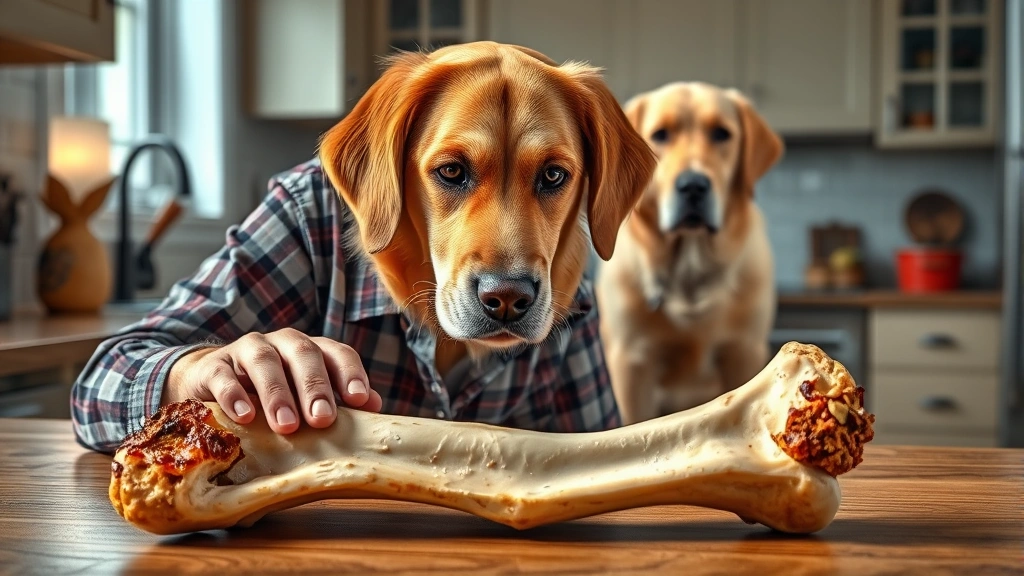
So your dog just snagged a chicken bone off the counter, and now you’re spiraling. What happens if a dog eats a chicken bone? The short answer: it depends on the bone, your dog’s size, and how fast you act. But stick around because we’re diving deep into everything you need to know to keep your furry friend safe.
Table of Contents
- The Chicken Bone Dilemma: Cooked vs. Raw
- Immediate Risks: The First Few Hours
- Digestive Tract Damage and Perforation Risks
- Size Matters: Your Dog’s Risk Level
- What Your Vet Might Recommend
- Symptoms to Watch Over the Next Week
- Prevention: The Best Medicine
- When to Seek Emergency Care
- The Role of Stomach Acid and Time
- Long-Term Complications You Might Not Expect
- Frequently Asked Questions
The Chicken Bone Dilemma: Cooked vs. Raw
Here’s the thing about chicken bones—not all bones are created equal. Cooked chicken bones are the real villains here. When you cook a chicken bone, the heat makes it brittle and prone to splintering into sharp, dangerous fragments. These splinters can cause serious damage to your dog’s mouth, throat, and digestive system. Raw chicken bones? They’re actually softer and more pliable, which means they’re less likely to splinter. Some vets and raw-feeding advocates actually consider raw bones safer for dogs. But here’s the catch: raw bones come with their own risks, like bacterial contamination and potential choking hazards.
Immediate Risks: The First Few Hours
If your dog just ate a cooked chicken bone, the immediate concern is choking or obstruction. Dogs don’t always chew thoroughly—they’re more likely to gulp and swallow. A large bone fragment could lodge in their throat or esophagus, creating an emergency situation. Watch for signs like excessive drooling, difficulty swallowing, gagging, or refusing food. If you notice any of these, call your vet immediately. Don’t wait to see if it passes on its own. The first few hours are critical because that’s when you have the best chance of intervention before the bone moves deeper into the digestive tract.
Digestive Tract Damage and Perforation Risks
Once a bone fragment makes it past the throat, the next danger zone is the digestive tract itself. Sharp bone shards can puncture the stomach lining, small intestines, or colon, leading to peritonitis (a life-threatening infection inside the abdomen). This is why monitoring your dog’s poop becomes crucial in the days following bone ingestion. You’re looking for signs of internal bleeding like dark, tarry stools or visible blood. Perforation is a surgical emergency—it requires immediate veterinary intervention and often surgery to repair the damage.
Size Matters: Your Dog’s Risk Level
A Great Dane swallowing a chicken bone faces different odds than a Chihuahua. Larger dogs have bigger digestive tracts and stronger stomach acid, which can help break down bone fragments more effectively. Small breeds are at significantly higher risk because even a modest bone fragment can cause obstruction. Additionally, toy breeds and brachycephalic dogs (flat-faced breeds) have anatomical limitations that make swallowing and digestion trickier. If you have a small dog, treat chicken bone ingestion as more urgent than you would for a large breed.
What Your Vet Might Recommend
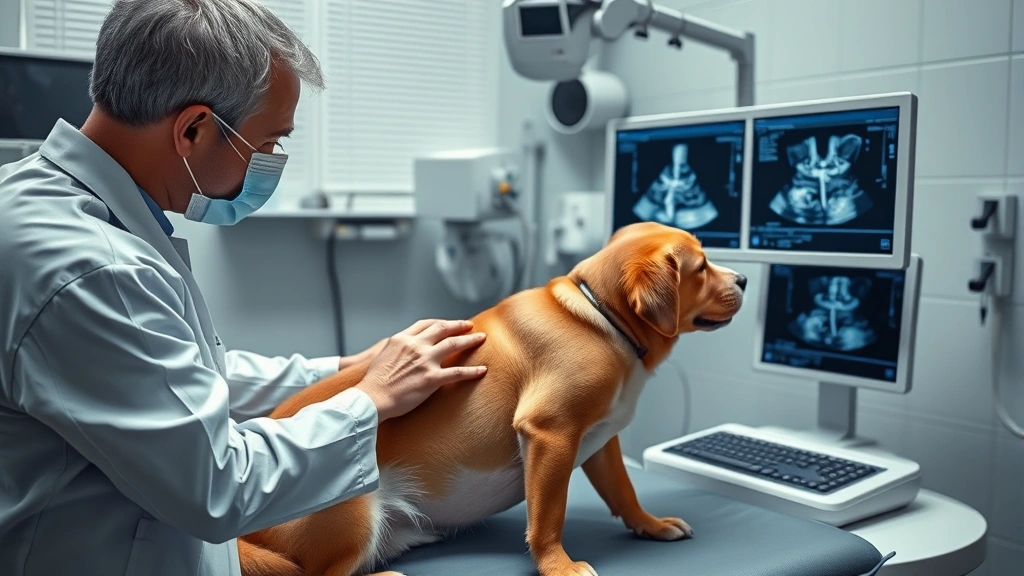
When you call your vet about a chicken bone incident, they’ll ask several questions: How big was the bone? When did your dog eat it? Is your dog showing symptoms? Based on these answers, they might recommend observation, X-rays, ultrasound, or emergency surgery. X-rays aren’t always conclusive for bone fragments since some bones don’t show up clearly on imaging. Your vet might suggest inducing vomiting if the bone was eaten very recently (usually within 2 hours), but this only works if the bone is still in the stomach. For more information on safe poultry options, check out our guide on whether rotisserie chicken is good for dogs.
Symptoms to Watch Over the Next Week
The danger doesn’t end after 24 hours. Some complications develop slowly. Monitor your dog for vomiting (especially repeated vomiting), loss of appetite, lethargy, abdominal pain (restlessness, whining, hunched posture), constipation or diarrhea, and blood in vomit or stool. Abdominal pain is particularly telling—if your dog is acting uncomfortable or guarding their belly, get to a vet. These symptoms can indicate obstruction, perforation, or infection. Keep a log of your dog’s behavior and bathroom habits for at least a week after the incident.
Prevention: The Best Medicine
The easiest way to handle chicken bone emergencies is to prevent them entirely. Store bones securely in the trash (consider a dog-proof garbage can), never leave cooked chicken bones within reach, and train your dog a solid “leave it” command. When you’re eating chicken, keep bones off the table and counter. If you have a scavenger dog, supervise closely during meals. Consider alternatives like turkey for dogs, which poses similar risks but might help you think through safe poultry practices. If you want to give your dog bones, opt for raw, meaty bones under veterinary guidance, or invest in safe alternatives like raw hide chews or dental chews designed for dogs.
When to Seek Emergency Care
Don’t mess around if your dog shows these signs: severe difficulty breathing or choking, repeated vomiting, inability to eat or drink, extreme lethargy or collapse, severe abdominal pain, or blood in vomit or stool. These warrant an emergency vet visit, not a wait-and-see approach. Emergency clinics exist for exactly these situations, and the cost of emergency care is far less than the cost of treating a perforated bowel or severe infection. Trust your gut—if something feels wrong, it probably is.
The Role of Stomach Acid and Time
Here’s some good news: dog stomach acid is incredibly powerful. It’s much stronger than human stomach acid and can dissolve bone fragments more effectively than you’d expect. Small bone fragments often pass through the digestive system without incident, especially in large dogs with robust digestive systems. However, this doesn’t mean you should be cavalier about it. The problem is you can’t predict whether a specific bone fragment will be dissolved, passed, or cause damage. That’s why observation and veterinary guidance are so important.
Long-Term Complications You Might Not Expect
Even if your dog seems fine after eating a chicken bone, long-term complications can develop. Strictures (scar tissue narrowing) in the esophagus or intestines can cause chronic vomiting or difficulty eating weeks or months later. Adhesions (internal scar tissue) from a small perforation that sealed itself can cause recurring digestive issues. This is why follow-up vet visits are important if your dog had any symptoms during the initial incident. Your vet might recommend a soft diet for a few weeks to allow the digestive tract to heal fully.
Frequently Asked Questions
Can a dog’s stomach dissolve a chicken bone?
Dogs have powerful stomach acid that can dissolve small bone fragments, but it’s not reliable enough to count on. Large fragments, sharp pieces, or bones in small dogs are still dangerous. Never assume the stomach will handle it.
How long does it take for a chicken bone to pass through a dog?
Typically 24-72 hours for normal digestion, but this varies based on the dog’s size, age, and digestive health. Monitor your dog’s stool during this time for bone fragments or signs of distress.
What should I do if my dog ate a chicken bone an hour ago?
Call your vet immediately. They might recommend inducing vomiting if the bone is still in the stomach. Don’t induce vomiting at home without veterinary guidance, as this can sometimes cause more damage.
Is raw chicken bone safer than cooked?
Generally yes, raw bones are softer and less likely to splinter. However, raw chicken carries salmonella risks for both dogs and humans. If you choose raw bones, source them carefully and practice good hygiene.
My dog ate a chicken bone but seems fine. Should I still call the vet?
Yes. Call your vet for guidance even if your dog seems fine. They can assess the risk based on bone size and your dog’s size, and advise you on what to watch for. It’s better to be safe.





