

So your pup’s digestive system decided to throw a party without an invitation, and now you’re wondering what home remedy can I give my dog for diarrhea? Don’t panic—you’re not alone in this messy situation, and the good news is that many effective solutions are hiding in your kitchen right now.
Table of Contents
- Understanding Why Your Dog Has Diarrhea
- The Bland Diet: Your First Line of Defense
- Pumpkin Puree: The Orange Wonder
- Bone Broth: Liquid Gold for Digestion
- Probiotics: The Friendly Bacteria Brigade
- Fasting: Sometimes Less Is More
- Slippery Elm and Digestive Herbs
- Hydration: The Overlooked Essential
- When to Call the Vet (Don’t Be Stubborn)
- Prevention: Because An Ounce of Prevention Is Worth a Pound of Poop
- Frequently Asked Questions
- Summary: Your Diarrhea Action Plan
Understanding Why Your Dog Has Diarrhea
Before we dive into remedies, let’s talk about why Fido’s backside became a fountain in the first place. Dogs get diarrhea for tons of reasons: eating something sketchy from the trash, sudden diet changes, food sensitivities, stress, or even parasites. Sometimes it’s just their way of saying, “Hey, remember that entire chicken bone I ate yesterday?”
The key is figuring out whether this is a minor blip or something requiring a vet’s attention. If your dog has diarrhea but is acting fine and maintaining their usual energy levels, you might be able to handle this at home. However, if your pup seems lethargic, has bloody stools, or hasn’t improved in a few days, it’s time to call your veterinarian.
The Bland Diet: Your First Line of Defense
The most trusted home remedy for dog diarrhea is the classic bland diet. This isn’t fancy—think of it as comfort food for your dog’s upset stomach. The goal is to give their digestive system a break from processing complex foods while still providing nutrition.
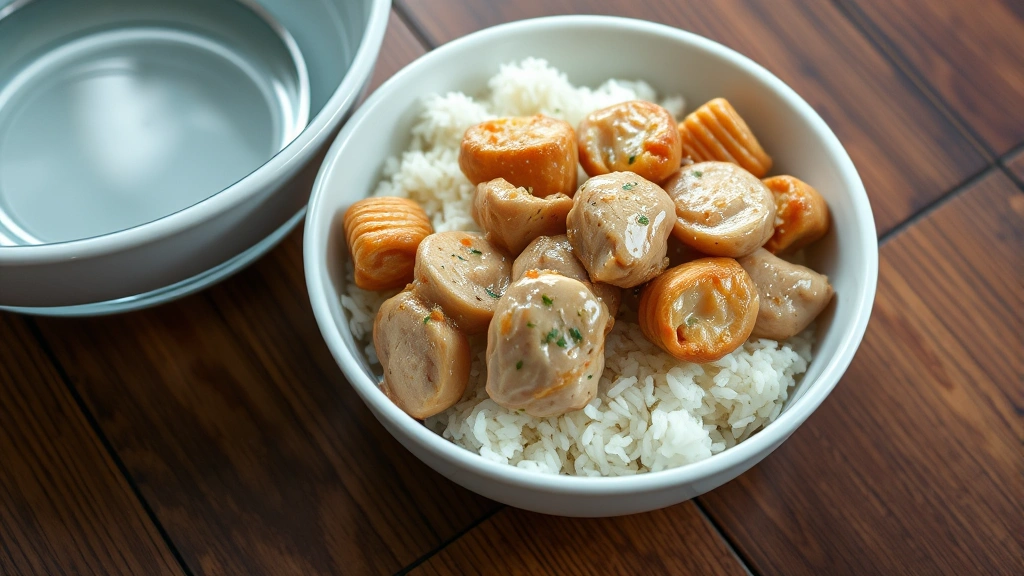
Start with plain, cooked chicken (no seasoning, no skin) mixed with plain white rice. Some vets also recommend sweet potato for dogs as an alternative carb source. The ratio should be roughly 1 part protein to 2 parts carbs. Feed small portions multiple times a day rather than one large meal. This approach gives their gut time to heal without overwhelming it.
Many pet owners find that rice is good for dogs during digestive upset, and for good reason. White rice is bland, easy to digest, and binds stool naturally. Just make sure it’s plain—no butter, salt, or anything else sneaky.
Pumpkin Puree: The Orange Wonder
Here’s where things get interesting. Pumpkin puree (not pumpkin pie filling, which has sugar and spices) is basically a miracle worker for dog diarrhea. It’s high in fiber and moisture, which sounds contradictory for stopping diarrhea, but it actually regulates the digestive system by absorbing water and promoting normal bowel movements.
Give your dog 1-4 tablespoons of plain pumpkin puree depending on their size. You can mix it into their regular food or give it straight. Most dogs actually think it’s a treat, so you won’t have to wrestle them to get them to eat it. The results typically show up within 24-48 hours. This remedy is so effective that many vets recommend it first before jumping to medications.
Bone Broth: Liquid Gold for Digestion
Bone broth isn’t just a trendy human health drink—it’s genuinely beneficial for dogs with digestive issues. It’s packed with collagen, gelatin, and amino acids that support gut health and reduce inflammation. Plus, it’s delicious to dogs, so they’ll actually want to drink it.
Make sure you’re using plain bone broth with no onions, garlic, or excessive salt. You can make your own by simmering bones for 12-24 hours or buy dog-specific bone broth from pet stores. Serve it warm (not hot) as a supplement to their bland diet. A quarter to half cup daily can work wonders for a dog with diarrhea.
Probiotics: The Friendly Bacteria Brigade
Your dog’s gut is home to billions of bacteria, and sometimes diarrhea means the good guys are outnumbered. Probiotics are live beneficial bacteria that restore balance to the digestive system. Unlike antibiotics that kill all bacteria indiscriminately, probiotics specifically add the helpful ones back.
You can find dog-specific probiotics at pet stores or online, often in powder or treat form. Plain yogurt with live cultures can also help, though you’ll need to give more of it to get a meaningful probiotic dose. Stick with unsweetened, plain yogurt and introduce it gradually to avoid adding more digestive stress.
Fasting: Sometimes Less Is More
This might sound counterintuitive, but sometimes the best remedy is giving your dog’s digestive system a complete break. A 12-24 hour fast (depending on age and health status) can allow the gut to reset and heal itself. During this time, offer only water and maybe some bone broth for hydration and minimal nutrition.
Don’t fast puppies, senior dogs, or dogs with underlying health conditions without veterinary approval. For healthy adult dogs, a short fast followed by the bland diet approach often resolves mild diarrhea quickly. It’s like hitting the reset button on their digestive system.
Slippery Elm and Digestive Herbs
Slippery elm bark is an herbal remedy that coats and soothes the digestive tract. It’s been used for centuries in traditional medicine and is now gaining traction in veterinary circles. Mix the powder with water to create a slurry and add it to your dog’s food. The typical dose is 1-2 teaspoons per 10 pounds of body weight, two to three times daily.
Other herbs like marshmallow root and licorice root also have soothing properties, though always consult your vet before adding herbs to your dog’s routine. Some herbs can interact with medications or cause issues in dogs with certain health conditions.
Hydration: The Overlooked Essential
While you’re focused on stopping the diarrhea, don’t forget that your dog is losing fluids. Dehydration is actually more dangerous than the diarrhea itself, especially in puppies and senior dogs. Make sure fresh water is always available, and consider adding a bit of low-sodium chicken broth to encourage drinking.
If your dog refuses water or seems severely dehydrated, this is a veterinary emergency. Signs include dry gums, sunken eyes, and lethargy. Don’t mess around with this—get to a vet immediately.
When to Call the Vet (Don’t Be Stubborn)
Home remedies are great for mild cases, but know your limits. Contact your vet if your dog has diarrhea lasting more than 2-3 days, shows signs of blood or mucus in stool (check out our guide on mucus in dog poop), seems lethargic, has a fever, or won’t eat. Also reach out if your pup is a puppy, senior, or has pre-existing health conditions.
Your vet might recommend prescription foods, antibiotics if there’s an infection, or other treatments depending on the underlying cause. Sometimes what looks like simple diarrhea is actually something that needs professional attention. Better safe than sorry.
Prevention: Because An Ounce of Prevention Is Worth a Pound of Poop
The best home remedy is preventing diarrhea in the first place. Keep your dog away from garbage, sudden diet changes, and sketchy snacks. If you need to switch dog foods, do it gradually over 7-10 days, mixing increasing amounts of the new food with the old.
Feed consistent, high-quality food, and be cautious with table scraps. Foods like turkey for dogs can be fine in moderation, but fatty human foods are common diarrhea culprits. Keep your dog’s vaccinations current and maintain regular parasite prevention to avoid infections.
Frequently Asked Questions
How long does it take for home remedies to work?
Most home remedies show improvement within 24-48 hours. Pumpkin puree and bland diets typically work fastest. If there’s no improvement after 3 days, or if symptoms worsen, contact your vet.
Is it safe to give my dog over-the-counter anti-diarrhea medication?
Some medications like bismuth subsalicylate can be used in dogs, but dosing is tricky and some conditions make them dangerous. Always check with your vet before giving any medication, even over-the-counter ones.
Can I give my dog regular yogurt for probiotics?
Yes, but make sure it’s plain, unsweetened yogurt with live cultures. Start with small amounts (1-2 tablespoons) to avoid adding too much dairy at once. Dog-specific probiotics are more concentrated and effective.
What foods should I absolutely avoid during diarrhea?
Avoid fatty foods, dairy (except plain yogurt), high-fiber foods, and anything with artificial sweeteners. Skip table scraps, treats, and anything outside their normal diet until they’re fully recovered.
Is it normal for my dog to have diarrhea after eating new food?
Yes, sudden diet changes commonly cause diarrhea. This is why vets recommend transitioning slowly over 7-10 days. If your dog has diarrhea after a diet change, go back to their previous food and transition more gradually next time.
Can stress cause diarrhea in dogs?
Absolutely. Stress, anxiety, and changes in routine can trigger digestive upset. If your dog has diarrhea after a stressful event (moving, new pet, loud noises), try calming supplements and maintain a consistent routine.
Summary: Your Diarrhea Action Plan
When you’re asking “what home remedy can I give my dog for diarrhea,” remember that you have several effective options. Start with the bland diet approach (chicken and rice), add pumpkin puree if needed, ensure proper hydration, and consider probiotics for gut health. Most mild cases resolve within a few days with these simple remedies.
The key is monitoring your dog closely and knowing when to escalate to professional help. If your pup seems sick, the diarrhea persists, or you notice any red flags, don’t hesitate to call your vet. Sometimes what seems like a simple digestive issue needs professional diagnosis and treatment. Trust your instincts—you know your dog best, and when something feels off, it usually is.
With patience, the right home remedies, and good judgment about when to seek veterinary care, your dog will be back to normal poops in no time. Hang in there!





