
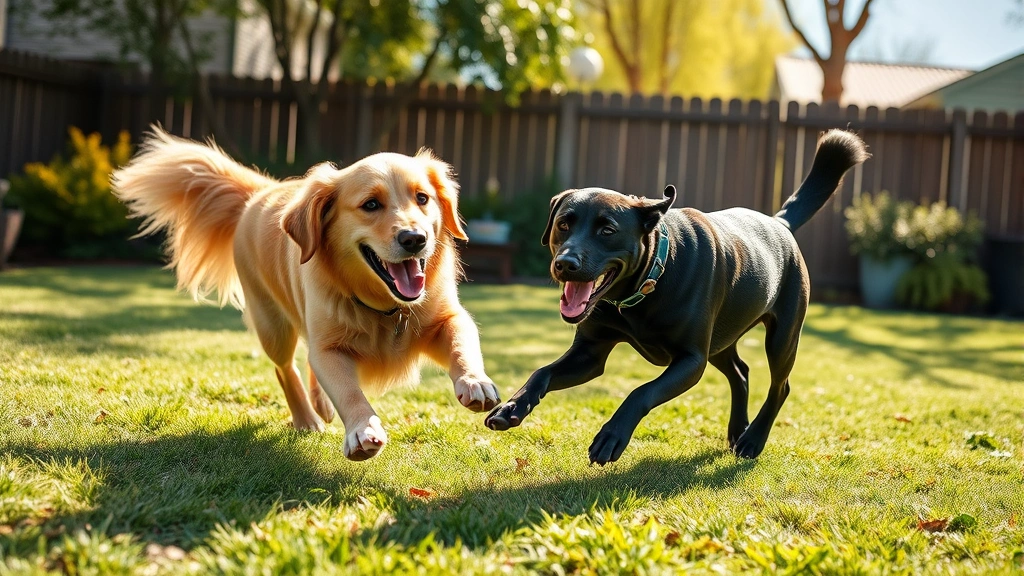
Getting a second dog is exciting, but what I wish I knew before getting a second dog would’ve saved me months of chaos, confusion, and honestly, a few therapy sessions. Your first dog was probably manageable—you figured out the routine, the quirks, the best time to take them out. Then you think, “Hey, why not double the fun?” Spoiler alert: it’s not quite that simple. Let me walk you through the hard-earned lessons that’ll make your multi-dog household actually enjoyable instead of a three-ring circus.
Table of Contents
- The Financial Reality Check Nobody Mentions
- Personality Clashes Are Real and Unpredictable
- Your First Dog Might Resent You (Temporarily)
- Exercise Needs Double (and Then Some)
- Choosing the Right Second Dog Matters More Than You Think
- The Training Dynamics Shift Completely
- Space Requirements Are Non-Negotiable
- Veterinary Care Becomes More Complex
- Grooming and Hygiene Multiply Your Work
- Feeding Two Dogs Requires Strategic Planning
- Your Social Life and Freedom Take a Hit
- The Adjustment Period Is Longer Than You Think
- You Might Actually Need Professional Help
- It’s Actually Worth It (Usually)
- Frequently Asked Questions
- Summary
The Financial Reality Check Nobody Mentions
Here’s the thing nobody really emphasizes: two dogs don’t cost twice as much. They cost way more than that. I’m talking emergency vet bills that’ll make your eyes water, double the food expenses, and suddenly you’re buying two of everything. Two dog beds, two sets of toys, two leashes, two crates. The math gets ugly fast.
Beyond the basics, consider that the American Veterinary Medical Association recommends annual checkups for each dog. If your second dog has any health issues—and let’s be honest, some do—you’re looking at significantly higher costs. Pet insurance becomes less of a luxury and more of a necessity when you’ve got multiple mouths to feed and bodies to care for.
Budget for unexpected emergencies too. When I got my second dog, I wasn’t prepared for the $3,000 emergency surgery that popped up six months in. With two dogs, the odds of something going sideways double. Plan accordingly.
Personality Clashes Are Real and Unpredictable
You might think your chill golden retriever will automatically love a new companion. Wrong. Dogs have personalities, preferences, and sometimes they’re just jerks to each other. I learned this the hard way when my friendly first dog decided the new addition was basically the enemy.
The introduction process matters enormously. Don’t just throw them together in your house and hope for the best. Neutral territory introductions, supervised interactions, and gradual integration are non-negotiable. Some dogs take weeks to warm up; others never fully do. You need to be prepared for the possibility that they might tolerate each other rather than become best friends.
Resource guarding becomes a real issue too. Your first dog might suddenly act possessive about toys, food bowls, or even you. It’s not personal—it’s instinct—but managing it requires patience, training, and sometimes professional help from a certified dog trainer.
Your First Dog Might Resent You (Temporarily)
This one hit me hard emotionally. Your first dog has been your companion, your shadow, your velcro pup. Then suddenly, they’re sharing your attention, your home, and your affection. Some dogs adapt beautifully; others go through what I can only describe as a canine identity crisis.
Your established dog might regress in training, become clingy, act out, or develop anxiety. They might have accidents in the house despite being housetrained for years. They might become aggressive toward the new dog or toward you. This isn’t permanent—it’s adjustment—but it’s real and it’s stressful.
Give your first dog extra attention, maintain their routines as much as possible, and don’t force interactions. Let them set the pace. Sometimes the best thing you can do is acknowledge that yes, life just got more complicated for them, and that’s okay.
Exercise Needs Double (and Then Some)
If you thought your one dog needed exercise, buckle up. Two dogs often need significantly more activity than you’d expect, especially if your second dog is younger or higher energy. They’ll play with each other, sure, but that doesn’t replace structured exercise and individual attention.
Consider low energy dog breeds if you’re time-constrained, but understand that even “low energy” dogs need daily walks and mental stimulation. If you’ve got a high-energy dog or a working breed, you’re looking at hours of exercise daily across both dogs. That’s a commitment most people underestimate.
Boredom with two dogs is dangerous. Bored dogs destroy things, develop behavioral issues, and can actually escalate conflicts with each other. You need a solid exercise plan before bringing that second dog home.
Choosing the Right Second Dog Matters More Than You Think
The temptation to adopt the cute shelter dog is real, but compatibility with your existing dog should be your primary concern. Age, size, temperament, and energy level all play crucial roles. A senior dog might be a better fit than a rambunctious puppy if your first dog is older and set in their ways.
Gender dynamics matter too. Some dogs do better with opposite sexes; others don’t care. Breed tendencies are worth considering—some breeds have higher prey drives or pack mentalities that might clash with your current setup. Do your research. Talk to shelter staff about temperament. Ask about the dog’s history with other animals.
If you’re considering a puppy, understand that puppies require intense training, socialization, and supervision. Your first dog becomes the reluctant babysitter while you’re managing a tiny chaos machine. It’s doable, but it’s not easier—it’s just different.
The Training Dynamics Shift Completely
Your first dog’s training routine? Forget about it for a while. Everything changes when you introduce a second dog. You can’t give either dog the focused attention they need for training when you’re managing two separate personalities and behaviors.
The new dog needs to learn your house rules, and your first dog might regress or develop new bad habits out of jealousy or excitement. You might need to invest in professional training, which is an additional expense and time commitment. Expect to go backward before you go forward.
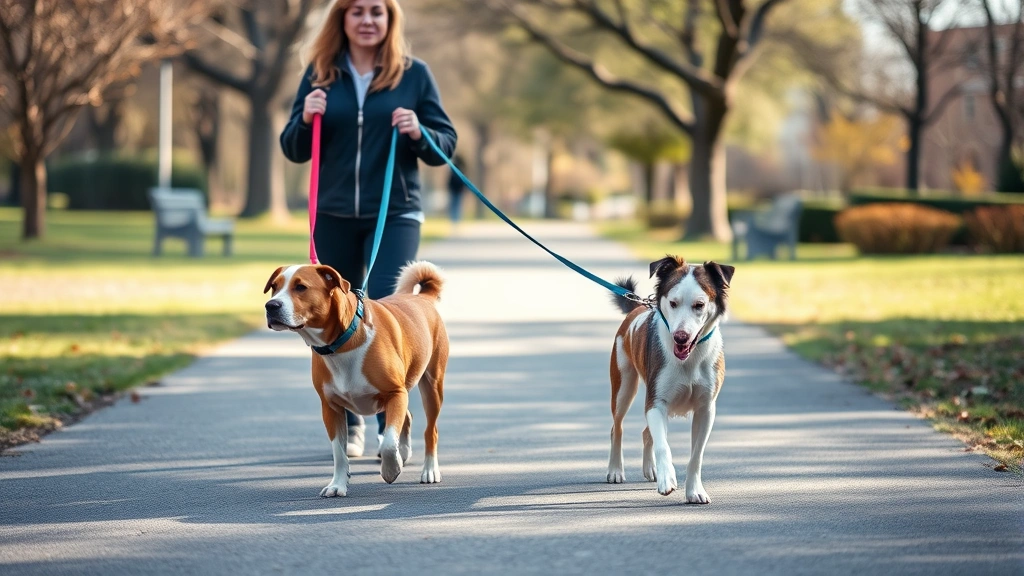
Managing two dogs during training sessions is legitimately harder. One’s always distracted, one’s always demanding attention, and you’ve got half the patience you used to have. It’s real, and it’s frustrating.
Space Requirements Are Non-Negotiable
If you live in a small apartment, adding a second dog is significantly more challenging. Dogs need their own spaces—separate areas to retreat to, places to feel safe, room to move without constant contact with another animal.
Consider low maintenance dogs if space is limited, but understand that even low-maintenance breeds need adequate room. Cramped quarters increase stress, territorial behavior, and conflict between dogs. You need enough space to separate them when necessary, give them individual attention, and prevent constant friction.
A yard is helpful but not essential if you’ve got multiple rooms and a commitment to exercise. However, if you’re living in tight quarters, honestly evaluate whether this is the right time to add another dog.
Veterinary Care Becomes More Complex
With two dogs, you’re managing twice the medical needs. Different diets might be necessary if one dog has allergies or health issues. Medications, supplements, and preventative care all need to be tracked for each individual dog.
Finding a vet who can handle both dogs efficiently is important. Some vets have specific requirements about handling multiple dogs. You’ll need to schedule appointments strategically—sometimes you can combine visits, sometimes you can’t. It’s logistically more complicated than you’d think.
Emergency situations are scarier too. If both dogs get sick simultaneously or one has an emergency while you’re managing the other, the stress multiplies. Having a backup plan, knowing emergency vet locations, and having financial reserves becomes crucial.
Grooming and Hygiene Multiply Your Work
If your first dog needs regular grooming, adding a second dog doubles that responsibility. Even if your new dog doesn’t need professional grooming, you’re still managing nail trims, ear cleaning, and general hygiene for two animals.
Some dogs shed more than others. If you’re concerned about shedding, look into low shedding dog breeds, but understand that even “low shedding” dogs shed. You’ll be vacuuming more, brushing more, and dealing with more dog hair everywhere. It’s not a dealbreaker, but it’s definitely a lifestyle change.
Bath time becomes an event. Scheduling grooming appointments, managing bathing schedules, and keeping both dogs clean and healthy requires more planning and effort than you probably anticipate.
Feeding Two Dogs Requires Strategic Planning
Different dogs often need different foods. Your first dog might thrive on one formula while your second dog needs something else. Managing separate food bowls, preventing one dog from eating the other’s food, and tracking nutritional needs becomes a daily puzzle.
If you’re dealing with dietary sensitivities or allergies, explore limited ingredient dog food options for either or both dogs. Feeding time management—ensuring each dog eats their own food without interference—is crucial and sometimes requires feeding them in separate areas.
Food costs increase significantly, especially if you’re feeding quality food. Budget accordingly and don’t be tempted to cheap out on nutrition just because you’ve got two mouths to feed. Poor nutrition creates health issues that cost way more down the road.
Your Social Life and Freedom Take a Hit
One dog limits your spontaneity. Two dogs? Forget about it. Finding dog-sitters for two dogs is harder than finding them for one. Boarding costs double. Vacations require more planning. Spontaneous outings become impossible.
Your friends might not be as excited about visiting when there are two dogs running around. Family gatherings become more complicated. Your schedule revolves around feeding times, exercise times, and bathroom breaks for two animals instead of one.
This isn’t meant to scare you—it’s just reality. If you value flexibility and spontaneity, adding a second dog is a significant lifestyle shift. Make sure you’re genuinely ready for that commitment before bringing another dog home.
The Adjustment Period Is Longer Than You Think
Everyone says it takes time for dogs to adjust. What they don’t say is that it can take months—sometimes even a year or more—for a household to truly settle into a rhythm with two dogs. The chaos doesn’t end after a week or two.

Expect a minimum of three to six months of adjustment period where things are chaotic, unpredictable, and exhausting. Some households take longer. During this time, patience is your most valuable asset, and self-care is non-negotiable. You’re going to be frustrated, tired, and questioning your decision.
Push through it. Most people say that once the adjustment period ends, having two dogs is actually easier than managing one during those early months. But you have to get through the hard part first.
You Might Actually Need Professional Help
Whether it’s a certified dog trainer, a behaviorist, or a veterinary behaviorist, professional help might be necessary. There’s no shame in this. Managing two dogs with conflicting personalities, behavioral issues, or aggression is legitimately difficult.
Budget for professional training or behavior consultation from the start. It’s an investment that pays off in a smoother household and better relationships between your dogs. The American Kennel Club has resources for finding certified trainers in your area.
Don’t wait until things are terrible to seek help. Early intervention prevents small issues from becoming major problems. A few sessions with a professional can save you months of frustration.
It’s Actually Worth It (Usually)
Despite all the challenges, most people who successfully navigate adding a second dog say it’s worth it. Watching your dogs play together, comfort each other, and develop their own friendship is genuinely special. Your home becomes livelier, louder, and more chaotic—but also more full of love and companionship.
The key is going in with realistic expectations. Don’t expect instant friendship, easy integration, or that it’ll be “just like having one dog but doubled.” Expect challenges, adjustment periods, and hard work. Then, when those challenges pass and your household finds its rhythm, you’ll appreciate it so much more.
Make sure you’re adding a second dog for the right reasons—because you genuinely have the capacity and resources to care for two animals, not because you think it’ll be cute or easy or that your first dog is lonely. With proper planning, realistic expectations, and commitment to the process, a second dog can be an amazing addition to your life.
Frequently Asked Questions
How long does it take for two dogs to get along?
It varies widely. Some dogs click immediately, while others take weeks or months to warm up to each other. The introduction process, individual temperaments, and your management style all play roles. Expect a minimum of three to four weeks before they’re comfortable together, and up to several months before they truly bond.
Should I get a puppy or an adult dog as my second dog?
Adult dogs often integrate better into established households because they’re past the crazy puppy phase and their personality is already formed. Puppies require intense training and supervision, which can stress your first dog. Consider an adult dog unless you specifically want to raise a puppy and have the time and energy for it.
What if my two dogs fight?
Some conflict is normal during adjustment, but serious fighting requires professional intervention. Consult a certified dog trainer or veterinary behaviorist immediately. They can assess whether it’s manageable conflict or a serious incompatibility issue. In some cases, dogs simply aren’t compatible, and that’s okay.
Can I leave two dogs alone together?
Not initially. During the adjustment period, never leave them unsupervised until you’re absolutely certain they’re safe together. Even after they seem to get along, some dogs shouldn’t be left alone together. Know your specific dogs and their dynamics before leaving them unsupervised.
How do I prevent resource guarding between my dogs?
Feed them in separate areas, pick up toys when you’re not supervising, and give each dog their own safe space where the other can’t access their belongings. Manage their environment to prevent conflicts rather than trying to train it away. Professional help from a trainer experienced with resource guarding is valuable.
Is it better to get a dog of the same gender or opposite gender?
There’s no universal answer—it depends on your individual dogs. Some dogs prefer opposite sexes, others don’t care. Discuss your first dog’s history and preferences with shelter staff or trainers when choosing your second dog. Observation and professional input matter more than gender assumptions.
Summary
What I wish I knew before getting a second dog boils down to this: it’s a major lifestyle change that requires financial preparation, realistic expectations, and genuine commitment. The financial costs are higher than you think, personality clashes are real, and the adjustment period is longer and harder than most people expect. Your first dog might resent you temporarily, exercise needs multiply, and your freedom decreases significantly. However, with proper planning, professional support when needed, and patience through the adjustment period, adding a second dog can be incredibly rewarding. Choose your second dog carefully, prioritize their compatibility with your first dog, and go in with eyes wide open about the challenges ahead. The chaos is temporary, but the companionship and joy of watching two dogs bond is genuinely worth the effort.





