
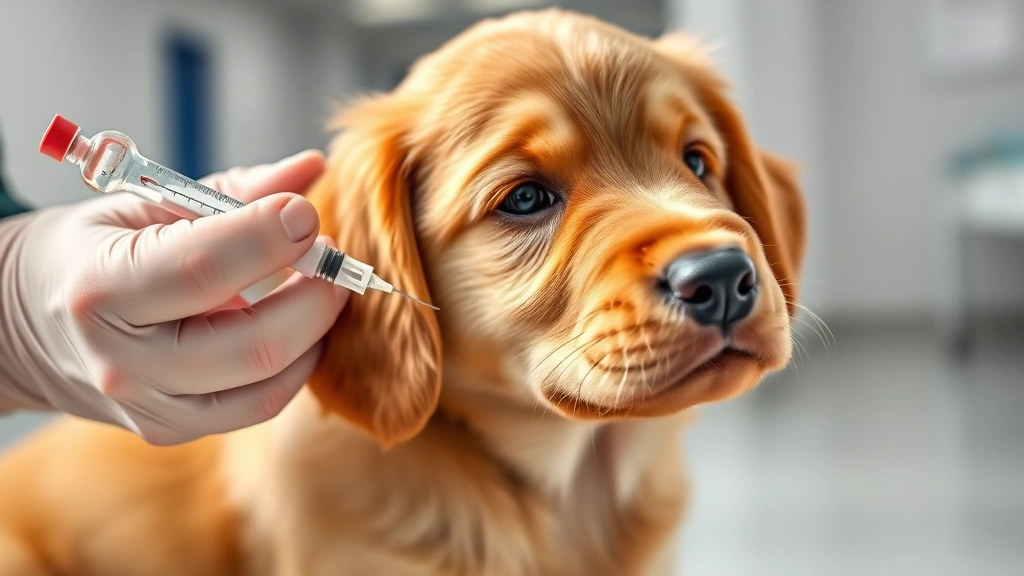
So you’ve got a puppy appointment scheduled, and your vet just mentioned something called a DHPP vaccine for dogs—and now you’re wondering what the heck that acronym means and whether your furry friend actually needs it. Good news: you’re asking the right questions, and we’re here to break down this essential vaccination in plain English (no vet jargon required).
Table of Contents
- Understanding DHPP: The Breakdown
- The Four Diseases Your Dog is Protected Against
- Why Your Puppy Needs DHPP (And Why Timing Matters)
- Adult Dogs and Booster Shots
- DHPP vs. DHLPP: What’s the Difference?
- Side Effects: What to Expect
- Cost and Accessibility
- Is DHPP Mandatory?
- Special Considerations for Different Dog Types
- Tracking Your Dog’s Vaccination Records
- Frequently Asked Questions
- Final Thoughts: Protecting Your Best Friend
Understanding DHPP: The Breakdown
DHPP stands for Distemper, Hepatitis, Parvovirus, and Parainfluenza—basically four serious diseases bundled into one convenient shot. Think of it as a health insurance policy for your dog’s most vulnerable years. Instead of getting four separate needles (because who has time for that?), your vet combines all four vaccines into a single injection. It’s efficient, it’s practical, and it’s one of the most important things you’ll do for your dog’s health.
The DHPP vaccine is also called the “core vaccine” or the “combination vaccine,” and it’s recommended by virtually every veterinary organization you can think of. Your pup’s immune system gets trained to recognize and fight off these four nasty diseases before they ever become a problem.
The Four Diseases Your Dog is Protected Against
Distemper is like the flu on steroids for dogs. This viral infection attacks the respiratory, gastrointestinal, and nervous systems, causing fever, coughing, vomiting, and potentially fatal neurological symptoms. Puppies and unvaccinated dogs are especially vulnerable.

Hepatitis (caused by Canine Adenovirus Type 1) attacks the liver and kidneys. Dogs with hepatitis develop fever, abdominal pain, and jaundice. Without treatment, it can be deadly within days.
Parvovirus is the villain that strikes fear into the hearts of puppy parents everywhere. This highly contagious virus causes severe vomiting, bloody diarrhea, and dehydration. Puppies under 16 weeks old face the highest risk of death from this disease. The Leptospirosis Vaccine for Dogs often accompanies DHPP to provide additional protection against other serious infections.
Parainfluenza is a respiratory virus that contributes to kennel cough. While it’s usually not fatal in healthy adult dogs, it’s incredibly contagious and can lead to serious secondary infections in puppies or senior dogs.
Why Your Puppy Needs DHPP (And Why Timing Matters)
Puppies are born with maternal antibodies from their mother’s milk—think of it as a temporary security blanket. But this protection starts fading around 6-8 weeks of age, leaving your pup vulnerable to these diseases. This is why vets recommend starting DHPP vaccinations early.
The typical puppy vaccination schedule looks like this: first dose at 6-8 weeks, second dose at 10-12 weeks, and a third dose at 14-16 weeks. Then your dog gets a booster at one year, and after that, most dogs need a DHPP booster every 1-3 years (your vet will advise based on your dog’s lifestyle and local disease prevalence).
The reason for multiple doses? Your puppy’s immune system is still developing, and those maternal antibodies can interfere with the vaccine’s effectiveness. Multiple doses ensure that when those maternal antibodies fade away, your puppy’s own immune system is ready to take over.
Adult Dogs and Booster Shots
If you’ve adopted an adult dog or rescued a pup with an unknown vaccination history, don’t panic. Adult dogs can still receive DHPP vaccines. Your vet might recommend a two-dose series given 3-4 weeks apart to ensure full protection, followed by regular boosters.
The frequency of boosters depends on several factors: your dog’s age, health status, lifestyle (does Fido spend time at dog parks or doggy daycare?), and local disease prevalence. Some vets recommend every year, others every three years. Have a conversation with your veterinarian about what makes sense for your specific dog.
DHPP vs. DHLPP: What’s the Difference?
You might hear your vet mention DHLPP instead of DHPP. The extra “L” stands for Leptospirosis, an additional bacterial infection that can cause kidney and liver damage. Some vets include this in the combination vaccine, while others offer it separately. The Leptospirosis Vaccine for Dogs is particularly important if your dog spends time outdoors or near water sources where wildlife congregates.

Side Effects: What to Expect
Most dogs tolerate DHPP vaccines beautifully with zero side effects. Some might experience mild reactions that typically resolve within 24-48 hours: slight soreness at the injection site, mild fever, lethargy, or decreased appetite. These are normal signs that your dog’s immune system is doing exactly what it’s supposed to do.
Serious side effects are rare but possible. Watch for facial swelling, difficulty breathing, vomiting, or collapse—these warrant an immediate call to your vet. Severe allergic reactions are uncommon, especially on first vaccination, but they can happen.
Cost and Accessibility
DHPP vaccines are relatively affordable, typically ranging from $15-30 per dose depending on your location and veterinary clinic. Many animal shelters and low-cost vaccination clinics offer DHPP vaccines at reduced rates. There’s really no excuse to skip this vaccination—it’s one of the most cost-effective health investments you can make for your dog.

Is DHPP Mandatory?
While DHPP isn’t legally required in all states (rabies vaccine is the only federally mandated vaccine in most places), it’s strongly recommended by the American Veterinary Medical Association (AVMA) and the American Animal Hospital Association (AAHA). Many boarding facilities, dog parks, and training classes require proof of DHPP vaccination before allowing your dog to participate. So even if it’s not technically mandatory, you’ll want it anyway.
Special Considerations for Different Dog Types
Puppies obviously need DHPP, but what about senior dogs, pregnant dogs, or immunocompromised pups? Senior dogs with a documented vaccination history might need less frequent boosters, but they still need protection. Pregnant dogs can receive DHPP vaccines, though your vet might time it strategically. Immunocompromised dogs need special consideration—talk to your vet about whether a modified vaccination schedule makes sense.
Dogs with certain health conditions, like those requiring a Kidney Diet for Dogs, should be evaluated by their vet before vaccination to ensure the timing and formulation are appropriate.
Tracking Your Dog’s Vaccination Records
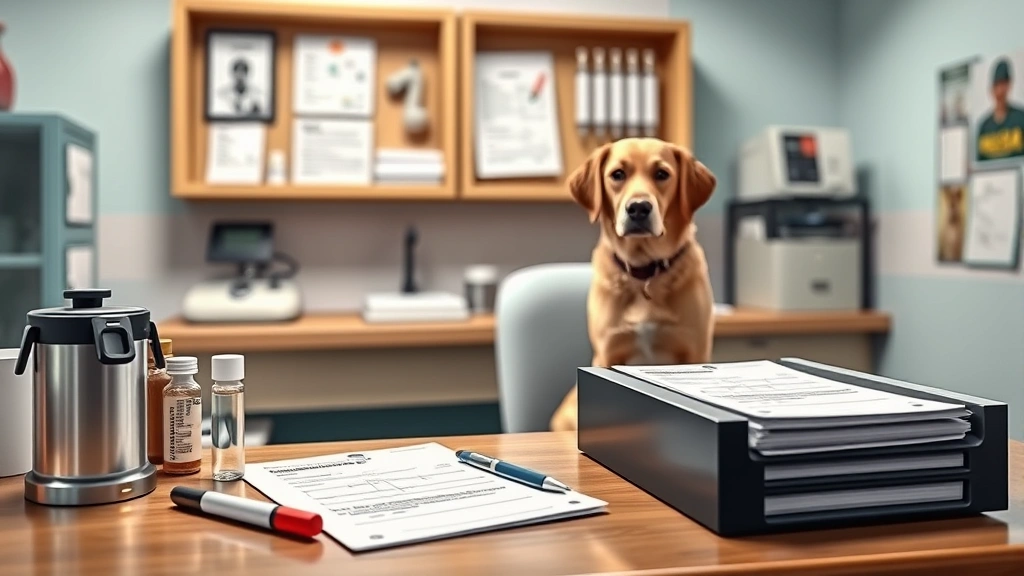
Keep detailed records of your dog’s DHPP vaccinations. You’ll need these for boarding, training classes, travel, and routine vet visits. Take photos of your vaccination certificates, store them digitally, and keep physical copies in a safe place. Some vets use microchip registries that track vaccination history—ask if your clinic offers this service.
Frequently Asked Questions
Can I give my dog DHPP vaccine at home?
No, DHPP vaccines must be administered by a licensed veterinarian. This ensures proper storage, correct dosing, and monitoring for any adverse reactions. Some mobile vet clinics can come to your home, but a licensed vet must still administer the vaccine.
How long does DHPP immunity last?
After the initial puppy series and first booster, DHPP immunity typically lasts 1-3 years depending on the vaccine formulation and individual dog response. This is why regular boosters are necessary. Your vet will recommend a schedule based on your dog’s specific needs.
What happens if I miss a booster appointment?
If you’re only a few weeks late, your vet will typically just give the booster as scheduled. If it’s been several months or longer, your vet might recommend a two-dose series given several weeks apart to re-establish immunity. Don’t stress—just get your pup scheduled as soon as possible.
Can DHPP cause autism in dogs?
No. There is absolutely zero scientific evidence linking DHPP vaccines (or any dog vaccine) to autism or developmental disorders in dogs. This myth has been thoroughly debunked by veterinary research. Vaccines are safe and effective.
Is DHPP safe for all dog breeds?
DHPP is safe for virtually all dog breeds, including those with breed-specific health concerns. However, if your dog has a severe allergy history or specific health conditions, discuss this with your vet beforehand. They might recommend pre-medication or monitoring, but they won’t skip this essential vaccine.

What’s the difference between killed and modified-live DHPP vaccines?
Some DHPP vaccines use killed virus (inactivated), while others use modified-live virus (attenuated). Both are effective and safe. Modified-live vaccines might provide slightly longer immunity, but killed vaccines are often preferred for immunocompromised dogs. Your vet will choose the most appropriate formulation for your dog.
Final Thoughts: Protecting Your Best Friend
The DHPP vaccine is genuinely one of the most important health decisions you’ll make for your dog. It’s a simple injection that protects against four serious, potentially fatal diseases. Puppies need it, adult dogs need boosters, and senior dogs benefit from continued protection. The cost is minimal, side effects are rare and mild, and the peace of mind is priceless.
Work with your veterinarian to establish a vaccination schedule that fits your dog’s age, lifestyle, and health status. Keep detailed records. Don’t skip boosters. And remember: vaccinating your dog isn’t just about protecting your individual pup—it’s about keeping the entire dog community healthier by preventing disease outbreaks.
Your dog depends on you to make informed health decisions. You’ve already taken the first step by learning about DHPP vaccines. Now schedule that appointment with your vet and give your furry friend the protection they deserve. They’ll thank you with endless tail wags and unconditional love.





