

Understanding your dog’s bathroom needs is crucial for maintaining their health, comfort, and your home’s cleanliness. Many pet owners wonder about their furry friend’s bladder capacity and how long they can reasonably expect their dog to hold it between potty breaks. This knowledge becomes especially important during long workdays, travel, or when establishing house training routines.
The ability to hold urine varies significantly among dogs based on factors like age, size, health status, and individual physiology. While some dogs can comfortably wait 8-10 hours, others may need more frequent breaks. Recognizing these differences and responding appropriately ensures your dog’s wellbeing while preventing accidents and potential health issues that can arise from holding urine too long.
Factors Affecting Bladder Control
Several key factors influence how long dogs can hold their pee, and understanding these variables helps pet owners make informed decisions about their dog’s bathroom schedule. Physical anatomy plays a primary role, as the bladder’s size and muscle strength directly correlate with holding capacity.
Diet and water intake significantly impact urination frequency. Dogs consuming high-moisture foods or drinking excessive amounts of water will naturally need more frequent bathroom breaks. Additionally, the timing of meals and water consumption affects when your dog will need to relieve themselves, typically within 15-30 minutes after eating or drinking.
Environmental factors also contribute to bladder control capabilities. Stress, anxiety, and excitement can trigger premature urination, while comfortable, familiar environments may help dogs hold it longer. Temperature extremes can also affect bladder function, with cold weather sometimes reducing the urge to urinate.
Individual metabolism rates vary among dogs, influencing how quickly they process fluids and generate waste. Some dogs have naturally faster metabolisms, requiring more frequent potty breaks, while others process liquids more slowly and can wait longer periods between bathroom visits.
Age-Related Considerations
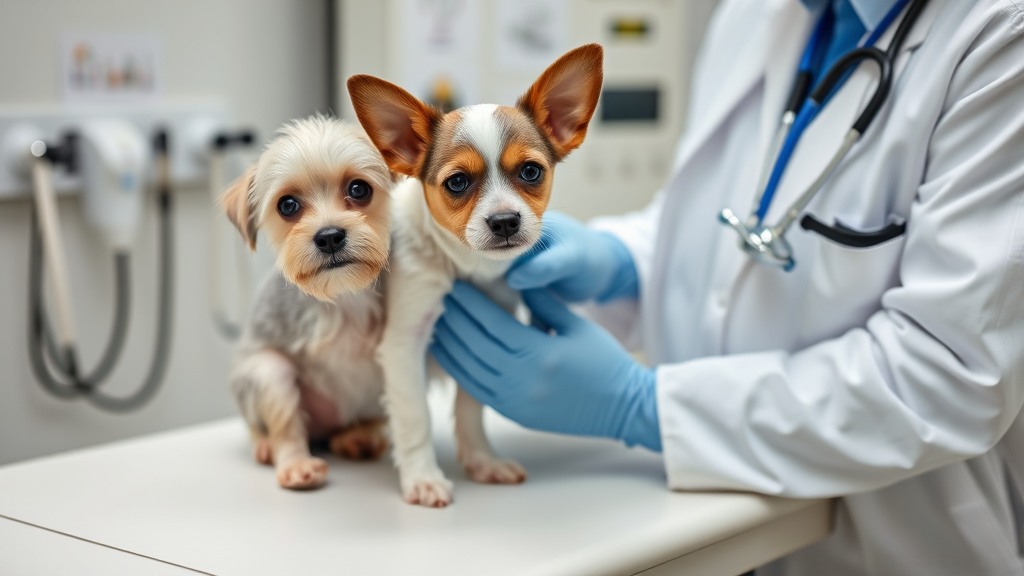
Puppies have significantly different bladder control capabilities compared to adult dogs. Generally, puppies can hold their bladder for approximately one hour per month of age, plus one additional hour. This means a three-month-old puppy should ideally not be expected to hold it for more than four hours.
Young puppies under four months old have underdeveloped bladder muscles and smaller bladder capacity, making frequent accidents inevitable during the house training process. The American Kennel Club recommends taking puppies outside every 1-2 hours during the day and immediately after meals, naps, and play sessions.
Adult dogs between one and seven years old typically have the strongest bladder control, capable of holding urine for 6-8 hours comfortably. However, this doesn’t mean they should regularly be expected to wait this long, as doing so can cause discomfort and potential health issues.
Senior dogs often experience decreased bladder control due to age-related changes in muscle tone, cognitive function, and potential health conditions. Many senior dogs benefit from more frequent potty breaks, similar to puppies, as their bodies become less efficient at concentrating urine and controlling bladder muscles.
Understanding these age-related changes helps owners adjust expectations and schedules accordingly. Water intake requirements also change with age, directly impacting bathroom needs throughout a dog’s life stages.
Breed and Size Impact
Dog size significantly influences bladder capacity and control duration. Smaller breeds typically have proportionally smaller bladders and faster metabolisms, requiring more frequent bathroom breaks than larger dogs. A Chihuahua may need to urinate every 2-4 hours, while a Great Dane might comfortably wait 6-8 hours.
Toy breeds often struggle with longer holding periods due to their tiny bladder size and high surface area-to-volume ratio, which affects their ability to concentrate urine efficiently. These dogs may never achieve the same holding capacity as medium or large breeds, regardless of age or training.
Certain breeds are predisposed to urinary issues that affect their ability to hold urine. Dalmatians, for example, have a genetic predisposition to urinary stones, while some terrier breeds may experience more frequent urinary tract infections that impact bladder control.
Working breeds and sporting dogs often have better overall bladder control due to their breeding for endurance and physical capability. However, their high activity levels may also increase their water consumption, balancing out any advantage in holding capacity.
The American Veterinary Medical Association notes that breed characteristics should be considered when establishing reasonable expectations for bathroom schedules and house training timelines.
Health Conditions That Affect Urination
Various medical conditions can significantly impact a dog’s ability to control their bladder and hold urine for normal periods. Urinary tract infections are among the most common culprits, causing frequent, urgent urination and sometimes complete loss of bladder control.
Diabetes mellitus increases urine production dramatically, making it impossible for affected dogs to hold urine for typical durations. Dogs with diabetes often drink excessively and urinate frequently, requiring immediate veterinary attention and ongoing management.
Kidney disease affects the body’s ability to concentrate urine, leading to increased volume and frequency of urination. Early stages may be subtle, but advanced kidney disease can make normal bladder control impossible.
Bladder stones, tumors, or other structural abnormalities can reduce effective bladder capacity or cause irritation that triggers frequent urination urges. These conditions often require surgical intervention or specialized medical management.
Neurological conditions affecting the spinal cord or brain can disrupt the normal nerve signals controlling bladder function. Conditions like intervertebral disc disease or spinal injuries may cause incontinence or difficulty controlling urination timing.
Hormonal imbalances, particularly in spayed females, can lead to urethral sphincter mechanism incompetence, causing involuntary urine leakage. If you notice signs of urinary issues, learning how to treat dog UTI at home can provide initial relief while seeking veterinary care.
Creating an Optimal Bathroom Schedule
Establishing a consistent bathroom schedule benefits both dogs and their owners by preventing accidents and maintaining good health. Adult dogs generally thrive on a schedule that includes potty breaks every 4-6 hours during waking hours, with longer overnight periods acceptable.
A typical daily schedule might include morning relief immediately upon waking, a mid-morning break, an afternoon outing, an early evening trip, and a final bathroom break before bedtime. This schedule provides approximately 4-6 opportunities for urination while accommodating most dogs’ natural rhythms.
Work schedules often necessitate longer holding periods during weekdays. If your dog must wait 8-9 hours regularly, consider hiring a dog walker or pet sitter for midday relief. Many dogs can adapt to longer morning holds if they receive adequate evening and weekend opportunities.
Weekend schedules can be more flexible but should maintain some consistency to avoid confusing your dog’s internal clock. Dramatic schedule changes can lead to accidents and stress, particularly in routine-oriented dogs.
Monitor your dog’s individual needs and adjust the schedule accordingly. Some dogs naturally prefer more frequent breaks, while others are comfortable with longer intervals. Pay attention to your dog’s signals and drinking patterns to optimize their comfort.
Recognizing Signs Your Dog Needs to Go
Dogs communicate their bathroom needs through various body language cues and behaviors that attentive owners can learn to recognize. Early recognition prevents accidents and reduces stress for both pet and owner.
Common urgency signals include pacing, whining, scratching at doors, or repeatedly looking toward the exit. Some dogs may sit by the door, ring bells (if trained), or bring their leash to their owner. These clear communication attempts should be acknowledged promptly.
Subtle signs might include restlessness, circling, sniffing the ground intensively, or suddenly stopping play activities. Dogs may also exhibit increased alertness or focus toward outdoor sounds, indicating their awareness of needing to go outside.
Behavioral changes like sudden accidents in house-trained dogs, excessive drinking, or signs of discomfort while urinating warrant immediate veterinary attention. These symptoms could indicate underlying health issues requiring professional evaluation.
Understanding why your dog is drinking so much water can help predict increased bathroom needs and prevent accidents. Excessive water consumption often leads to more frequent urination requirements.
Training Techniques for Better Bladder Control
Proper house training and bladder control development require patience, consistency, and positive reinforcement techniques. Successful training builds your dog’s confidence while establishing reliable bathroom habits that last a lifetime.
Crate training can be highly effective for developing bladder control, as dogs instinctively avoid soiling their sleeping area. The crate should be appropriately sized – large enough for the dog to stand and turn around, but not so large that they can eliminate in one corner and sleep in another.
Scheduled feeding times help predict bathroom needs, as dogs typically need to eliminate 15-30 minutes after eating. Consistent meal timing creates predictable bathroom schedules that make house training more successful.
Positive reinforcement through treats, praise, and play immediately after successful outdoor elimination strengthens the desired behavior. Never punish accidents, as this can create anxiety and actually worsen house training progress.
Gradual schedule extension can help adult dogs develop better holding capacity. Start with comfortable intervals and slowly increase the time between bathroom breaks by 15-30 minutes weekly until reaching the desired schedule.
If you’re struggling with accidents, understanding how to stop dog peeing in house provides comprehensive strategies for addressing this common challenge.
When Your Dog Must Hold It Longer
Emergency situations sometimes require dogs to hold their bladder longer than usual. Travel, weather emergencies, or unexpected schedule changes can create challenging circumstances that require preparation and understanding.
During travel, plan frequent stops every 2-3 hours for bathroom breaks, even if your dog can typically hold it longer. Travel stress, unfamiliar environments, and disrupted routines can affect normal bladder control patterns.
Severe weather conditions may necessitate longer holding periods. Prepare for such situations by gradually conditioning your dog to slightly longer intervals during good weather, so emergency extensions don’t cause extreme discomfort.
Medical emergencies or hospitalization may require dogs to adapt to different bathroom schedules temporarily. Work with veterinary staff to maintain as normal a routine as possible while accommodating medical needs.
Long work days occasionally require extended holding periods. If this becomes regular, consider pet care services, dog doors, or indoor relief options like pee pads for very small dogs. Never make extended holding a regular expectation without proper accommodation.
The Humane Society recommends never expecting dogs to hold their bladder longer than 8 hours regularly, as this can lead to health complications and extreme discomfort.
Frequently Asked Questions
How long can an adult dog hold their bladder overnight?
Most healthy adult dogs can comfortably hold their bladder for 8-10 hours overnight when they’re sleeping and not actively drinking water. However, senior dogs, puppies, and dogs with health conditions may need nighttime bathroom breaks. The longest healthy adult dogs should regularly hold it is about 10-12 hours, and this should only be overnight when they’re resting.
What happens if a dog holds their urine too long?
Holding urine too long can lead to several health problems including urinary tract infections, bladder stones, kidney damage, and extreme discomfort. According to the AVMA, prolonged urine retention can cause bladder overdistension and potentially permanent damage to bladder muscles. Dogs may also experience anxiety and behavioral issues when forced to hold it beyond their comfort level.
Can small dogs hold it as long as large dogs?
No, small dogs typically cannot hold their bladder as long as larger dogs due to their proportionally smaller bladder capacity and faster metabolisms. While a large breed dog might comfortably wait 6-8 hours, small breeds often need bathroom breaks every 3-4 hours. Toy breeds may need even more frequent breaks, sometimes every 2-3 hours during the day.
How do I know if my dog’s frequent urination is normal or a health concern?
Normal urination frequency varies by individual dog, but sudden changes in bathroom habits warrant veterinary attention. Watch for signs like excessive drinking, straining to urinate, blood in urine, accidents in house-trained dogs, or urinating in unusual locations. The Cornell University College of Veterinary Medicine notes that any dramatic change in urination patterns should be evaluated by a veterinarian promptly.
Is it cruel to make my dog wait 8 hours while I’m at work?
While many adult dogs can physically hold it for 8 hours, it’s not ideal for their comfort or health to do this regularly. Consider arranging midday breaks through dog walkers, pet sitters, or doggy daycare. If regular 8-hour holds are necessary, ensure your dog has ample opportunities for relief before and after work, and monitor them for signs of discomfort or health issues.
How can I help my senior dog with decreasing bladder control?
Senior dogs benefit from more frequent bathroom breaks, easily accessible outdoor areas, and consistent schedules. Consider installing dog doors, providing additional indoor relief options, or increasing the frequency of walks. Regular veterinary checkups can identify and treat age-related conditions affecting bladder control. Understanding your dog’s changing needs with age helps you provide appropriate care.
What’s the maximum time a healthy adult dog should hold their bladder?
The absolute maximum time a healthy adult dog should hold their bladder is 10-12 hours, and this should only occur overnight when they’re sleeping. During daytime hours, 6-8 hours should be the maximum holding period. Regularly exceeding these timeframes can lead to health problems and should be avoided. Always prioritize your dog’s comfort and health over convenience, and consider that proper nutrition and feeding schedules also impact bathroom timing.





