
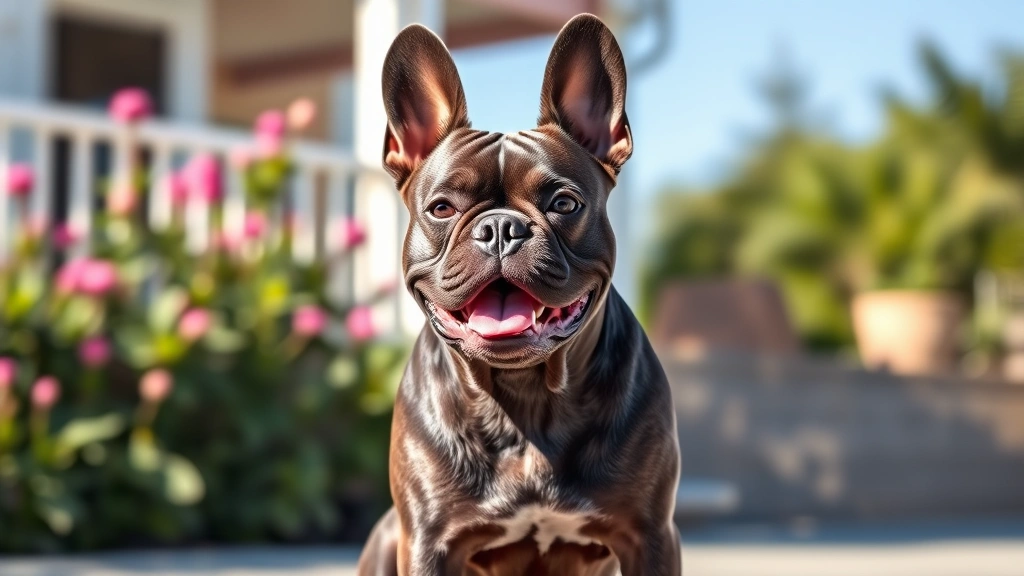
So you’re wondering what is a frenchton dog? Well, buckle up because we’re about to introduce you to one of the most adorable, quirky, and downright hilarious designer breeds that’s been stealing hearts left and right. A Frenchton is basically what happens when a French Bulldog and a Boston Terrier decide to create the ultimate compact companion—and honestly, the results are pretty spectacular.
Table of Contents
- Understanding the Frenchton: The Perfect Hybrid Companion
- The Origin Story: How the Frenchton Came to Be
- Physical Characteristics: What Does a Frenchton Actually Look Like?
- Temperament and Personality: The Spicy Potato Energy
- Health Considerations for Frenchton Ownership
- Exercise and Activity Needs: Balancing Energy Levels
- Grooming and Care Requirements
- Nutrition: Feeding Your Frenchton Properly
- Training Your Frenchton: Tips and Tricks
- Frenchton vs. Parent Breeds: Key Differences
- Finding a Responsible Frenchton Breeder
- Cost of Ownership: Budgeting for Your Frenchton
- Frequently Asked Questions
- Conclusion: Is a Frenchton Right for You?
Understanding the Frenchton: The Perfect Hybrid Companion
The Frenchton is a designer dog breed that combines the charming, wrinkled face of a French Bulldog with the spirited, athletic nature of a Boston Terrier. This hybrid breed has exploded in popularity over the past decade, and for good reason. These little furballs pack massive personality into a pint-sized package that weighs between 15 to 25 pounds. They’re the kind of dog that makes strangers stop you on the street and ask, “What breed is that?” about seventeen times a day.
Unlike purebred dogs, Frenchtons benefit from something called hybrid vigor, which means they often enjoy better health than their parent breeds. However, they still inherit some of the characteristic traits that make both French Bulldogs and Boston Terriers so beloved among dog enthusiasts.
The Origin Story: How the Frenchton Came to Be
The Frenchton breed emerged in the early 2000s when breeders wanted to create a dog that combined the best traits of both parent breeds while minimizing genetic health issues. French Bulldogs, while adorable, are prone to breathing difficulties due to their flat faces. Boston Terriers, on the other hand, are known for their intelligence and athletic prowess. The goal was to create a healthier, more active version of the French Bulldog with better respiratory function.
This designer dog movement has been somewhat controversial in the purebred dog community, but there’s no denying that Frenchton owners are absolutely devoted to their pocket-sized pups. The breed was first recognized by the Designer Breed Registry and has since gained attention from various canine organizations.
Physical Characteristics: What Does a Frenchton Actually Look Like?
Frenchtons are compact, muscular little dogs with an undeniably cute appearance. They typically stand 11 to 13 inches tall and weigh between 15 to 25 pounds, making them perfect for apartment living or smaller homes. Their heads are slightly larger in proportion to their bodies, and they often inherit the wrinkled face of their French Bulldog parent, though usually less pronounced.
These pups come in a variety of coat colors including fawn, brindle, black, cream, and combinations thereof. Their ears can be either the bat-like ears of a French Bulldog or the more triangular ears of a Boston Terrier—sometimes they’re a delightful mix of both. One of the most endearing features is their expressive eyes, which seem to communicate every thought and emotion running through their little heads.
The Frenchton’s tail is typically short and straight, and their overall build is sturdy and athletic, which sets them apart from the sometimes-lazy French Bulldog stereotype.
Temperament and Personality: The Spicy Potato Energy
If you’ve ever heard someone describe a dog as having “spicy potato energy,” they were probably talking about a Frenchton. These dogs are affectionate, playful, and incredibly loyal to their families. They’re social butterflies who love being around people and other dogs, making them excellent choices for families with children or multi-pet households.
Frenchtons inherit the Boston Terrier’s intelligence and trainability, which makes them easier to work with than some other designer breeds. They’re eager to please and respond well to positive reinforcement training. However, they also have a stubborn streak courtesy of their French Bulldog heritage, so consistency is key when training these little comedians.
These dogs are known for their playful antics and goofy personality. They’ll entertain you for hours with their silly behavior, and they genuinely seem to understand when their humans need comfort. Many Frenchton owners report that their dogs are surprisingly intuitive about their emotional states.
Health Considerations for Frenchton Ownership
One of the primary reasons breeders created the Frenchton was to address the health issues common in flat-faced breeds. While Frenchtons are generally healthier than purebred French Bulldogs, they can still inherit some health concerns from their parent breeds. Common issues include hip dysplasia, patellar luxation (knee problems), and eye conditions.
Because of their mixed heritage, Frenchtons typically have better respiratory function than French Bulldogs, though they can still be prone to exercise intolerance in extreme heat. It’s crucial to keep these dogs cool during summer months and avoid strenuous exercise during hot weather. According to the American Kennel Club, brachycephalic breeds (flat-faced dogs) require special care considerations.
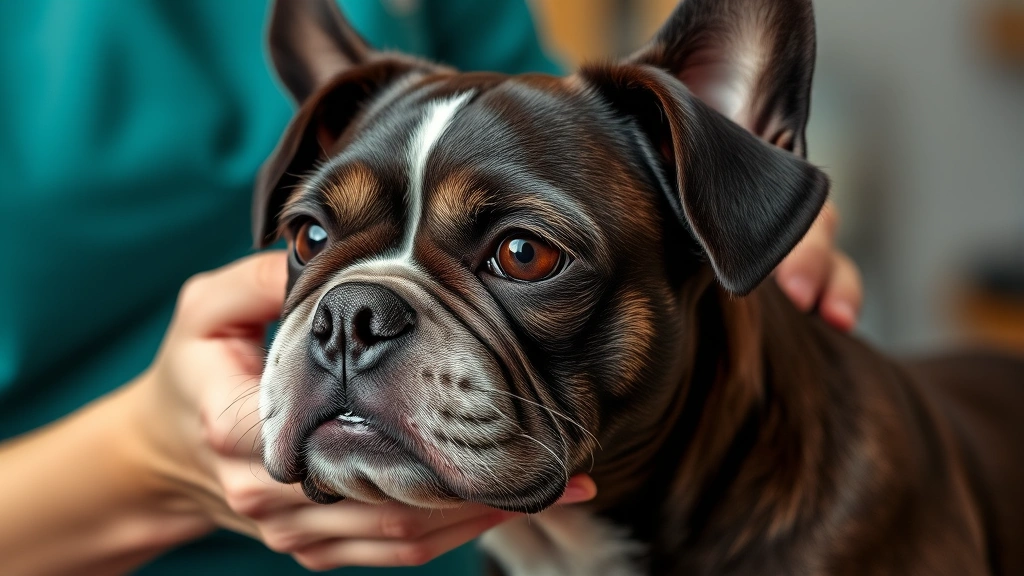
Regular veterinary check-ups are essential for monitoring your Frenchton’s health. Responsible breeders will conduct health screenings on parent dogs and provide health guarantees for puppies. Always ask potential breeders for documentation of health testing before bringing your new family member home.
Exercise and Activity Needs: Balancing Energy Levels
Frenchtons are moderate-energy dogs that need regular exercise but aren’t marathon runners. Daily walks of 30 to 45 minutes, combined with playtime, usually keep these pups satisfied and healthy. They love interactive games, puzzle toys, and activities that engage their minds as much as their bodies.
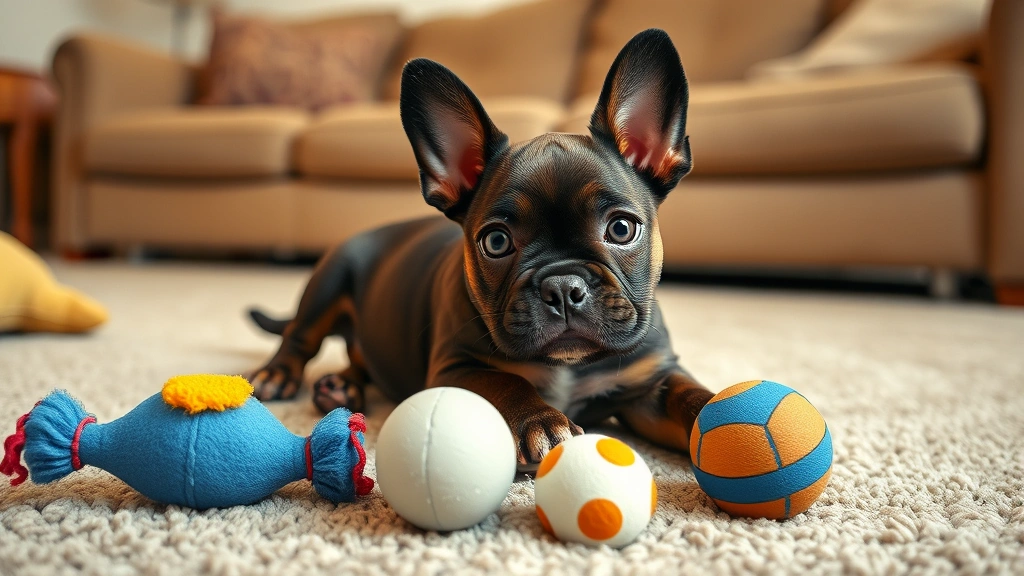
Unlike some high-energy breeds, Frenchtons are happy to chill on the couch with you after their exercise needs are met. They’re adaptable dogs that do well in various living situations, from apartments to houses with yards. However, they shouldn’t be left alone for extended periods, as they’re prone to separation anxiety.
Training and mental stimulation are just as important as physical exercise for these intelligent little dogs. Consider enrolling your Frenchton in obedience classes, agility training, or puzzle toy games to keep their minds sharp and engaged.
Grooming and Care Requirements
Frenchton grooming needs are relatively moderate compared to other breeds. They shed year-round but not excessively, and they don’t require professional grooming unless you prefer a specific style. Regular brushing with a soft-bristled brush a few times a week helps keep their coat healthy and reduces shedding around your home.
Facial wrinkles, if present, need to be cleaned regularly to prevent infections. A damp cloth or specialized wrinkle wipes work perfectly for this task. Their ears should be checked weekly and cleaned as needed to prevent ear infections, which can be common in dogs with floppy or bat-like ears.
Dental care is crucial for Frenchtons, as small dog breeds are prone to dental issues. Brush their teeth several times a week, provide dental chews, and schedule professional cleanings with your veterinarian as recommended. According to PetMD, small breeds often need more frequent dental attention than larger dogs.
Nutrition: Feeding Your Frenchton Properly
A healthy diet is fundamental to your Frenchton’s wellbeing. These dogs require high-quality dog food appropriate for their size and activity level. Most Frenchtons thrive on 1 to 1.5 cups of food per day, split into two meals, though individual needs vary based on metabolism and activity level.
Look for dog foods with high-quality protein sources and balanced nutrition. Some owners prefer fresh, whole-food diets, while others stick with premium commercial kibble. The key is finding what works best for your individual dog’s digestive system and health needs. Always consult with your veterinarian before making significant dietary changes.
Frenchtons can be prone to obesity, especially if they’re not getting enough exercise or are being overfed. Maintaining a healthy weight is crucial for preventing joint problems and other health issues. Avoid feeding your pup table scraps, and be mindful of treat portions.
Training Your Frenchton: Tips and Tricks
Training a Frenchton is generally easier than training some other breeds, thanks to their intelligence and desire to please. These dogs respond exceptionally well to positive reinforcement methods like treats, praise, and playtime. Harsh corrections or punishment-based training will likely backfire, causing your Frenchton to become stubborn or anxious.
Start training early, even when your Frenchton is a puppy. Focus on basic commands like sit, stay, come, and down. Consistency is absolutely critical—everyone in the household should use the same commands and reward system. Most Frenchtons can learn new commands in just a few repetitions, which is pretty impressive for a dog that sometimes acts like they’re too cool to listen.
Socialization is equally important as obedience training. Expose your Frenchton to different people, animals, and environments during their critical socialization period (roughly 3 to 14 weeks of age). Well-socialized Frenchtons are confident, friendly dogs that make excellent companions in various settings.
Frenchton vs. Parent Breeds: Key Differences
While Frenchtons share characteristics with both parent breeds, they’re distinctly their own dogs. Compared to French Bulldogs, Frenchtons are more athletic and have fewer respiratory issues. They’re also more energetic and require more exercise than their Bulldog cousins. However, they retain that charming, goofy personality that makes French Bulldogs so lovable.
When compared to Boston Terriers, Frenchtons are generally calmer and less intense. They’re also typically heavier and more muscular. Boston Terriers are often more athletic and require more rigorous exercise, while Frenchtons are content with moderate activity levels. For more information on designer breeds and hybrid vigor, check out resources from UC Davis School of Veterinary Medicine.
If you’re considering a Frenchton, it’s helpful to understand that they’re essentially their own breed with unique characteristics that blend the best of both parents while minimizing some of the health issues associated with each.
Finding a Responsible Frenchton Breeder
Not all breeders are created equal, and finding a responsible one is crucial for getting a healthy, well-adjusted puppy. Reputable Frenchton breeders will conduct health screenings on parent dogs, provide health guarantees, and allow you to visit their facilities. They should be able to answer detailed questions about the breed and be genuinely interested in where their puppies end up.
Avoid breeders who produce excessive litters, keep dogs in poor conditions, or seem primarily motivated by profit. Be wary of extremely low prices, as this often indicates a puppy mill or irresponsible breeding operation. The cost of a Frenchton from a responsible breeder typically ranges from $1,500 to $3,500, depending on lineage and location.
Consider adopting from breed-specific rescues if you’re open to adult dogs. Many wonderful Frenchtons end up in rescues through no fault of their own, and adoption is often more affordable than purchasing from a breeder.
Cost of Ownership: Budgeting for Your Frenchton
Beyond the initial purchase price, there are ongoing costs associated with Frenchton ownership. Annual veterinary care, including check-ups and vaccinations, typically runs $500 to $1,000. Quality dog food costs roughly $30 to $60 per month. Grooming supplies and occasional professional grooming add another $50 to $100 annually.
Emergency veterinary care can be expensive, so many Frenchton owners invest in pet insurance to help manage unexpected health costs. Toys, treats, and other supplies add up over time. Overall, expect to spend $1,500 to $2,500 annually on your Frenchton’s care, not including unexpected medical emergencies.
Frequently Asked Questions
Are Frenchtons good family dogs?
Absolutely! Frenchtons are excellent family dogs. They’re affectionate, playful, and patient with children. Their moderate size makes them less likely to accidentally knock over small kids, and their gentle temperament makes them suitable for families with children of various ages. Always supervise interactions between young children and dogs.
Do Frenchtons bark a lot?
Frenchtons are not excessive barkers, though they will alert their families to unusual sounds or visitors. With proper training and socialization, you can minimize unwanted barking. They’re generally quieter than pure Boston Terriers, which tend to be more vocal.
How long do Frenchtons live?
The average Frenchton lifespan is 12 to 15 years, which is longer than many purebred French Bulldogs. This extended lifespan is one of the benefits of hybrid vigor. Proper care, nutrition, and regular veterinary check-ups can help maximize your Frenchton’s years with you.
Are Frenchtons hypoallergenic?
No, Frenchtons are not hypoallergenic. They shed year-round and produce dander like all dogs. If you have allergies, a Frenchton may not be the best choice for your family. However, regular grooming and air filtration can help minimize allergens.
Can Frenchtons be left alone?
Frenchtons prefer not to be left alone for extended periods and can develop separation anxiety. They’re companion dogs that thrive on human interaction. If you work long hours, consider hiring a dog walker or using doggy daycare to break up their day.
What’s the difference between a Frenchton and a Frengle?
A Frenchton is a cross between a French Bulldog and a Boston Terrier, while a Frengle is a cross between a French Bulldog and a Beagle. The two breeds have different temperaments and characteristics, though both are adorable designer dogs.
Conclusion: Is a Frenchton Right for You?
A Frenchton makes an excellent companion for the right family or individual. These charming hybrid dogs combine the best traits of their parent breeds while offering improved health and vitality compared to purebred French Bulldogs. They’re affectionate, intelligent, playful, and adaptable to various living situations.
If you’re looking for a smaller dog that doesn’t require excessive exercise, enjoys being around people, and has a personality that can make you laugh out loud on a regular basis, a Frenchton might be your perfect match. However, ensure you’re prepared for the financial commitment, training requirements, and time investment these dogs deserve.
Whether you’re drawn to the Frenchton’s adorable appearance, spirited personality, or hybrid vigor benefits, understanding what this breed entails is the first step toward responsible ownership. Do your research, find a reputable breeder or rescue, and prepare your home for one of the most entertaining little companions you could ask for.





