
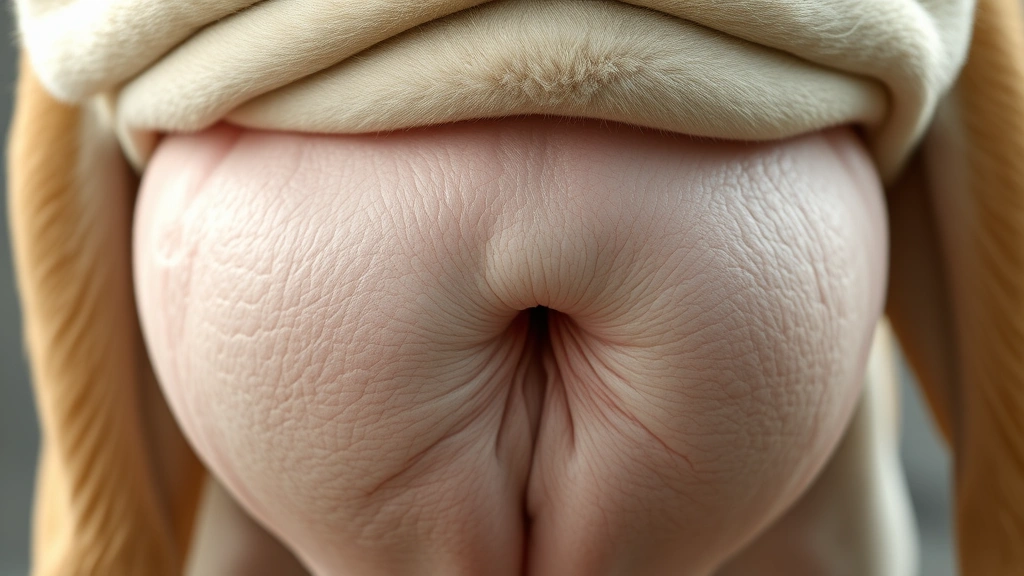
What is bloat in dogs? It’s one of the most terrifying emergencies a dog owner can face, and honestly, it’s the kind of thing that keeps vets up at night. Bloat—also called gastric dilatation-volvulus (GDV)—is when your dog’s stomach fills with gas, food, or fluid and then twists on itself like a tragic balloon animal gone wrong. This isn’t just uncomfortable; it’s a life-threatening emergency that requires immediate veterinary attention.
Table of Contents
- Understanding Gastric Dilatation-Volvulus (GDV)
- Which Dogs Are Most at Risk?
- The Danger Signs Your Dog Is Experiencing Bloat
- What Causes Bloat in Dogs?
- Prevention Strategies That Actually Work
- Emergency Response: What to Do If You Suspect Bloat
- Post-Bloat Care and Long-Term Management
- Nutrition and Diet Considerations for Bloat Prevention
- When to Call Your Vet vs. When to Go to Emergency
- Understanding the Surgery and Recovery Process
- Frequently Asked Questions
- Summary: Protecting Your Dog from Bloat
Think of it like this: your dog’s stomach is supposed to be a flexible organ that expands and contracts. But when bloat happens, the stomach expands rapidly and can twist, cutting off blood supply and trapping everything inside. Without emergency surgery, most dogs with bloat don’t make it. But here’s the good news—knowing what to look for can literally save your dog’s life.
Understanding Gastric Dilatation-Volvulus (GDV)
Gastric dilatation-volvulus is the fancy veterinary term for bloat, and understanding the two-part process helps explain why it’s so serious. First comes the dilatation phase, where the stomach fills with gas and expands. Then comes the volvulus phase, where the stomach actually twists. This twist is what makes bloat a true emergency—it’s like nature’s cruelest magic trick.
The stomach’s position in the abdomen is held in place by ligaments, but these aren’t steel cables. When gas builds up and the stomach becomes distended, it can rotate along its long axis. Once that twist happens, the blood vessels get pinched, the stomach tissue starts dying, and shock sets in. This is why a dog with bloat can go from looking uncomfortable to being in critical condition in just a few hours.
Which Dogs Are Most at Risk?
Here’s where breed matters—a lot. Large and giant breed dogs are the primary candidates for bloat, and certain breeds are notorious for it. Great Danes, German Shepherds, Standard Poodles, Boxers, Doberman Pinschers, and Weimaraners top the list. But here’s the kicker: any dog can get bloat, even small breeds, though it’s less common.
Age plays a role too. Dogs over seven years old are at higher risk, possibly because their stomach ligaments weaken over time. Male dogs develop bloat more frequently than females. If your dog has a family history of bloat—meaning a parent or sibling had it—your pup’s risk increases significantly. Stress, anxiety, and a nervous temperament can also increase the likelihood. So if you’ve got an anxious large breed dog, pay extra attention to the warning signs.
The Danger Signs Your Dog Is Experiencing Bloat
The symptoms of bloat come on fast, and time is absolutely critical. Your dog might start showing signs within 30 minutes to a few hours of eating. The most obvious warning sign is abdominal distension—your dog’s belly looks swollen, hard, and drum-like. If you gently press on the abdomen and it feels tight and painful, that’s a red flag.
Other critical symptoms include restlessness and pacing (your dog can’t get comfortable), drooling excessively, retching or attempting to vomit without producing anything, and rapid or difficult breathing. Your dog might assume a play-bow position repeatedly, trying to stretch out the discomfort. Some dogs become lethargic and weak, which actually indicates shock is setting in—this is an extreme emergency.
Pale gums are another serious sign. Lift your dog’s lip and check the color of their gums; they should be pink. If they’re pale or white, circulation is compromised. Weak pulse and rapid heartbeat often accompany this. If you notice any combination of these symptoms, don’t wait for more to develop—get to an emergency vet immediately. We’re talking drop-everything-and-drive-fast emergency.
What Causes Bloat in Dogs?
The truth is, we don’t fully understand why some dogs get bloat and others don’t, even within the same breed. But we do know several risk factors that increase the likelihood. Eating too much food at once is a major culprit. Dogs who gulp their food down like they’re competing in an eating contest are at higher risk. Similarly, eating too quickly after exercise or drinking excessive amounts of water can contribute.
The type of food matters too. Dry kibble that expands in the stomach, especially when combined with water intake, seems to increase risk. Some research suggests that foods with high fat content or those with certain ingredients might be problematic. Stress and anxiety are legitimate risk factors—a nervous dog is more likely to swallow air while eating or panting.
Certain medical conditions like gastroparesis (slow stomach emptying) or previous episodes of gastric torsion increase future risk. Even a single prior episode of bloat means your dog is at significant risk for it happening again. This is why prevention becomes incredibly important for dogs with a history.
Prevention Strategies That Actually Work
Since bloat can be fatal, prevention should be your priority. Start with feeding practices: divide your dog’s daily food into two or three smaller meals instead of one large meal. This reduces the amount of food in the stomach at any given time. Feed your dog in a calm environment away from other pets, so they’re not competing and gulping.

Consider using a slow-feeder bowl that forces your dog to eat more slowly. These bowls have ridges or obstacles that make it harder to inhale food. Some owners hand-feed their dogs or use puzzle feeders for the same reason. After meals, restrict exercise for at least an hour—no running, jumping, or rough play. The stomach needs time to digest without being jostled around.
Limit water intake immediately after meals, but ensure fresh water is available throughout the day. If your dog is an anxious eater, check out our guide on is my dog happy to understand their stress levels better. Some vets recommend elevated food bowls, though recent research suggests this might actually increase risk in some cases—talk to your vet about what’s best for your individual dog.
For high-risk breeds, some vets recommend a procedure called gastropexy, where the stomach is surgically tacked to the abdominal wall to prevent twisting. This is preventative surgery done when your dog is young and healthy, before an emergency happens. It’s not a guarantee, but it significantly reduces the risk of fatal bloat.
Emergency Response: What to Do If You Suspect Bloat
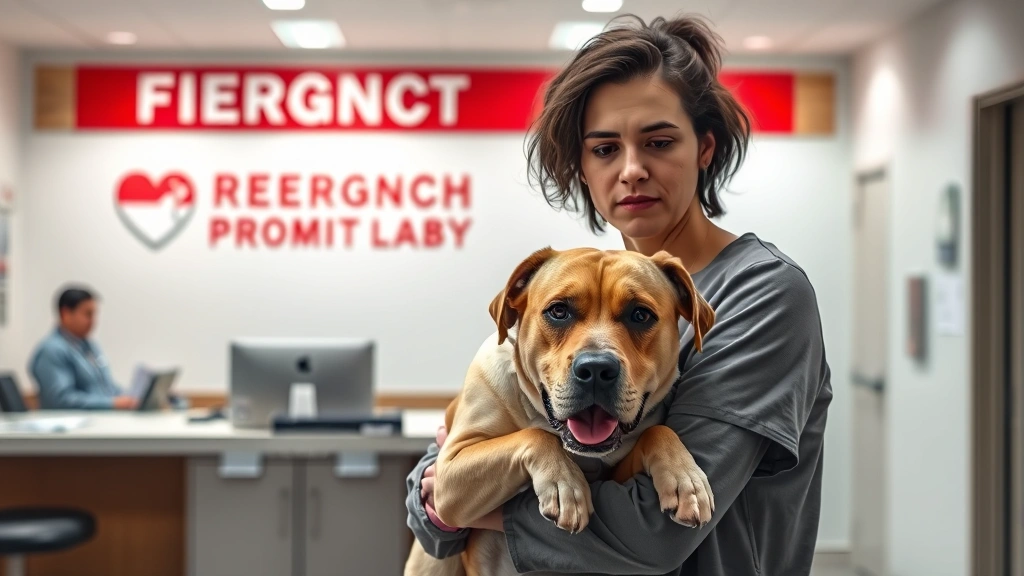
If you suspect your dog has bloat, time is literally life and death. Don’t try home remedies, don’t wait to see if it improves, and don’t call your regular vet’s office during business hours expecting an appointment. Go directly to an emergency veterinary clinic. Call ahead if you can, but don’t delay getting there.
Describe your dog’s symptoms clearly so they’re ready for you. The vet will likely take X-rays to confirm bloat and assess the severity. If the stomach has twisted, emergency surgery is necessary. The vet will stabilize your dog first with IV fluids and pain management, then perform surgery to untwist the stomach and remove any dead tissue.
The survival rate for bloat with surgery is around 80-90%, but without surgery, it’s nearly zero. This is why getting to the vet immediately is absolutely critical. Even if your dog seems to improve on their own, don’t skip the vet visit—a twisted stomach won’t untwist itself, and internal damage may be occurring.
Post-Bloat Care and Long-Term Management
If your dog survives bloat, they’ll need careful management going forward. The trauma to the stomach tissue can cause long-term issues. Your dog might experience reduced appetite, nausea, or digestive problems. Your vet may recommend a special diet—possibly prescription food that’s easier to digest.
Feeding practices become even more critical after bloat. Stick religiously to multiple small meals throughout the day. Some owners of post-bloat dogs feed them four times daily instead of two. Avoid foods that caused problems before, and work with your vet to identify any dietary triggers.
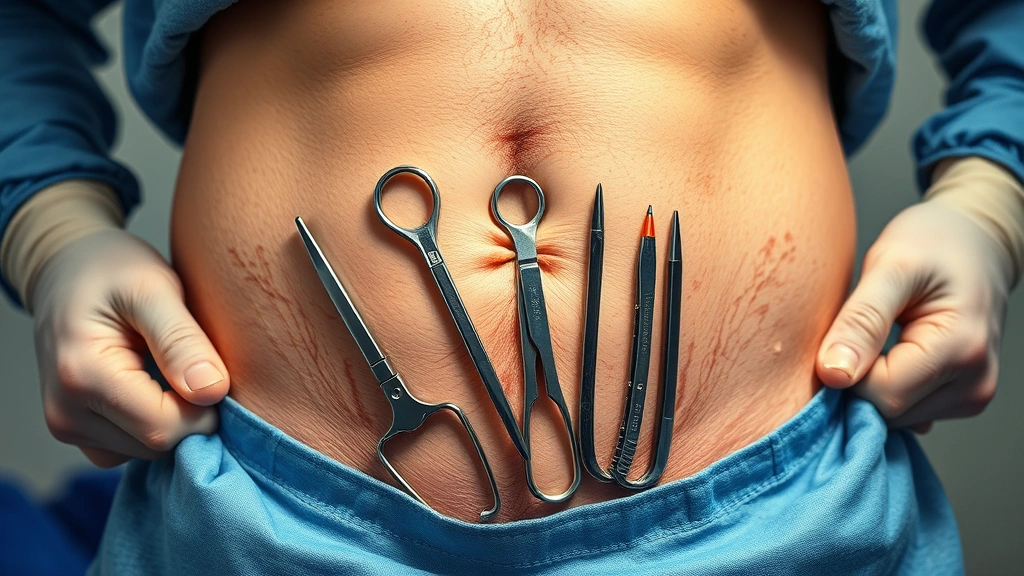
Monitor your dog closely for any signs of recurrence. Studies show that about 75% of dogs that have had bloat will experience it again if not managed carefully. This is why gastropexy is often recommended as a follow-up procedure after a bloat episode. Your dog’s quality of life can remain excellent with proper management, but you’ll need to be vigilant.
Nutrition and Diet Considerations for Bloat Prevention
What your dog eats can influence bloat risk. While there’s no single “bloat-proof” diet, certain feeding choices are smarter than others. Wet food or a mixture of wet and dry food might be easier on the stomach than dry kibble alone. Some dogs do better with fresh or raw diets, though these come with their own considerations—talk to your vet about what’s appropriate.
Avoid foods with high fat content if your dog is at risk. Fermentable carbohydrates might increase gas production in some dogs. Consider foods with probiotics to support healthy gut function. If your dog has low energy or seems generally unwell, check our article on low energy dog breeds to understand if diet could be a factor.
Some research suggests that foods with added salt might increase water intake and contribute to bloat risk. Conversely, foods with adequate fiber might help with digestion. Every dog is different, so work with your vet or a veterinary nutritionist to find the optimal diet for your individual pup. The investment in preventive nutrition is worth it.
When to Call Your Vet vs. When to Go to Emergency
This distinction is crucial because bloat doesn’t wait for business hours. If it’s after hours and you suspect bloat, go to the emergency clinic. Don’t call your regular vet and wait for a callback. If it’s during business hours and you’re unsure, call your vet and describe the symptoms—they can advise whether to come in immediately or go to emergency.
Any combination of abdominal distension, retching, and restlessness warrants emergency evaluation. A swollen, hard belly alone is enough to go to emergency. If your dog is weak, has pale gums, or seems to be in shock, this is absolutely an emergency situation. Better to go to the ER and have it be something minor than to wait and lose your dog.
Keep your emergency vet clinic’s number saved in your phone. Know where the nearest 24-hour emergency clinic is located, even if you hope you never need it. Having this information readily available means you won’t waste precious time searching when you’re panicked.
Understanding the Surgery and Recovery Process
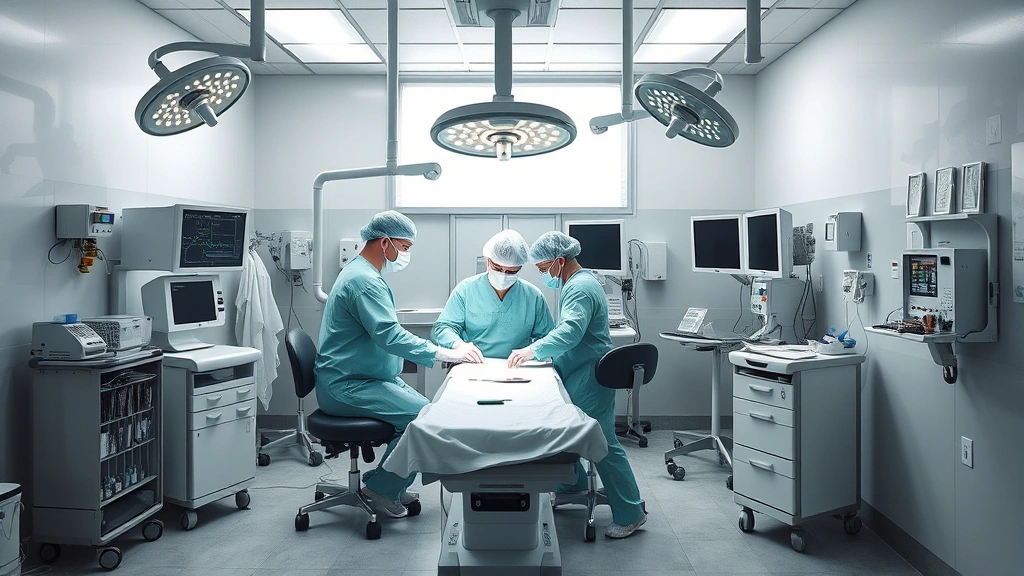
If your dog needs bloat surgery, here’s what to expect. The vet will make an incision in the abdomen to access the stomach. They’ll untwist it and assess the tissue for damage. Any dead or severely damaged tissue will be removed. The stomach is then repositioned and often tacked to the abdominal wall (gastropexy) to prevent future twisting.
Recovery takes several weeks. Your dog will be hospitalized for a few days post-surgery and will need pain management and antibiotics. At home, they’ll need strict rest—no running, jumping, or rough play. Activity should be limited to short, leashed walks for bathroom breaks. Your vet will provide specific instructions for your dog’s recovery.
Feeding after surgery requires care. Your vet will likely recommend small, frequent meals of easily digestible food. Some dogs experience reduced appetite initially, which is normal. Most dogs make a full recovery if they survive the initial emergency, though the experience is traumatic for both dog and owner.
Frequently Asked Questions
Can a dog recover from bloat without surgery?
Unfortunately, if the stomach has twisted (volvulus), surgery is the only treatment. Some cases of simple gastric dilatation without volvulus might resolve with medical management, but distinguishing between the two requires veterinary imaging. Any suspected bloat should be treated as an emergency requiring immediate professional evaluation.
How long does a dog have with bloat?
A dog with bloat can deteriorate rapidly. Without treatment, most dogs with a twisted stomach will die within hours. Even with surgery, the prognosis depends on how much tissue damage has occurred and how quickly treatment was received. This is why every minute counts.

Is bloat painful for dogs?
Yes, bloat is extremely painful. The distended stomach stretches the abdominal wall, and if the stomach twists, the tissue begins dying from lack of blood flow. Your dog will be in significant discomfort, which is why they show restlessness and distress. Pain management is a critical part of emergency treatment.
Can you prevent bloat completely?
While you can’t guarantee prevention, you can significantly reduce the risk through careful feeding practices, gastropexy surgery for high-risk dogs, and stress management. Some dogs will still develop bloat despite all precautions, but following prevention strategies gives your dog the best chance.
What should I feed my dog to prevent bloat?
Feed smaller, more frequent meals rather than one large meal. Avoid foods high in fat. Some dogs do better with wet food or a mixture of wet and dry food. Work with your vet to identify the best diet for your individual dog. If your dog has digestive issues, check our article on mucus in dog poop to understand if diet changes are needed.
Do certain medications help prevent bloat?
There’s no medication that reliably prevents bloat. Some vets have used metoclopramide or other prokinetic agents to help with stomach emptying, but these aren’t proven preventatives for bloat specifically. Surgery (gastropexy) is the most effective preventive intervention for high-risk dogs.

Is bloat hereditary in dogs?
There appears to be a genetic component to bloat susceptibility. Dogs with parents or siblings who experienced bloat are at higher risk. However, the exact genetic factors aren’t fully understood, and not all dogs from high-risk families will develop bloat.
Summary: Protecting Your Dog from Bloat
Bloat is a serious, life-threatening emergency that requires immediate veterinary attention. Knowing what is bloat in dogs—a condition where the stomach fills with gas and potentially twists—is the first step in protecting your pet. Large and giant breed dogs are at highest risk, but any dog can develop this condition.
Prevention through careful feeding practices, stress management, and consideration of gastropexy surgery for high-risk dogs can significantly reduce the likelihood of bloat. If you suspect your dog has bloat, don’t hesitate—go to an emergency vet clinic immediately. The difference between a dog that survives and one that doesn’t often comes down to how quickly the owner recognized the signs and sought treatment.
Keep emergency vet information readily available, learn the warning signs, and discuss bloat prevention strategies with your veterinarian. Your dog’s life may depend on your quick action and knowledge. For dogs recovering from bloat or dealing with digestive issues, proper hydration is important—learn more about is Pedialyte safe for dogs to understand safe rehydration options.
Stay vigilant, stay informed, and give your dog the best chance at a long, healthy life.





