
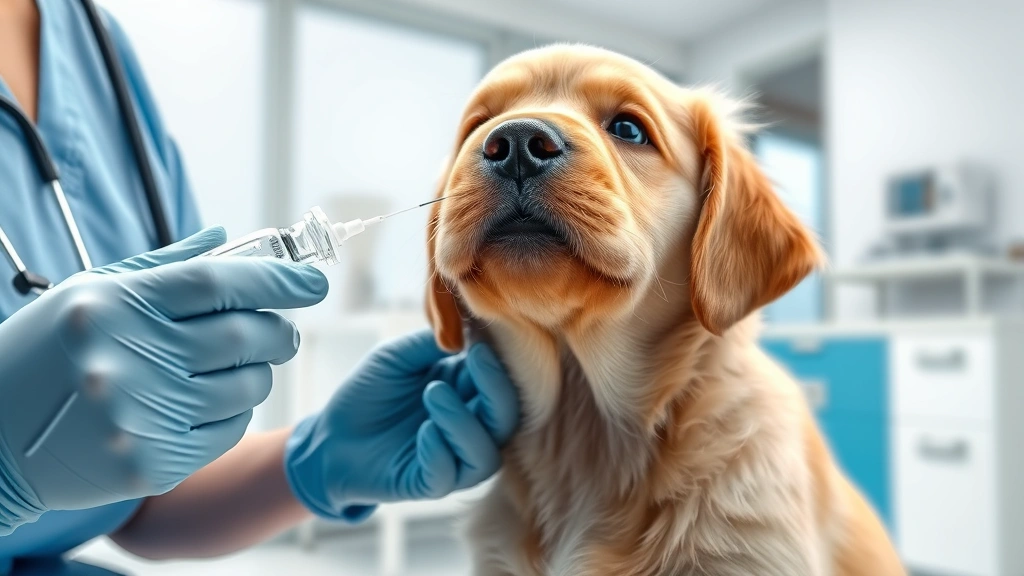
So, what is bordetella shot for dogs, and why should you care? The bordetella vaccine is your dog’s best defense against kennel cough, a highly contagious respiratory infection that spreads faster than gossip at the dog park. If you’ve ever heard a dog hacking away with that distinctive seal-like cough, you’ve witnessed bordetella in action—and trust me, it’s not pleasant for anyone involved.
Table of Contents
- Understanding Kennel Cough: The Bordetella Basics
- Why Your Dog Needs Bordetella Vaccination
- How the Bordetella Vaccine Works
- Vaccination Schedule and Timing Recommendations
- Bordetella Vaccine Side Effects and Safety
- Bordetella vs. Other Respiratory Vaccines
- Cost and Insurance Considerations
- When Bordetella Vaccination Isn’t Necessary
- Recognizing Kennel Cough Symptoms
- Bordetella and Lifestyle Factors
- Maintaining Vaccination Records
- Frequently Asked Questions
- Summary: Protecting Your Pup From Kennel Cough
Understanding Kennel Cough: The Bordetella Basics
Kennel cough, medically known as infectious tracheobronchitis, is caused primarily by the Bordetella bronchiseptica bacterium. Think of it as the common cold of the dog world, except it’s way more annoying and spreads through respiratory droplets like your pup just sneezed in an elevator. The bordetella vaccine trains your dog’s immune system to recognize and fight off this bacterial invader before it causes problems.
The infection typically affects the trachea and bronchi—basically your dog’s windpipe and airways. When bordetella takes hold, your furry friend develops that characteristic harsh, dry cough that sounds like they’re trying to hack up a hairball (but they’re not). It’s uncomfortable, disruptive, and absolutely contagious to other dogs.
Why Your Dog Needs Bordetella Vaccination
Here’s the deal: bordetella spreads through airborne droplets, direct contact, and contaminated surfaces. If your dog frequents dog parks, boarding facilities, grooming salons, or dog shows, they’re at higher risk. Even a quick trip to the vet’s office could expose them to kennel cough if an infected pup was there recently.
The vaccine doesn’t just protect your dog—it’s also a courtesy to other dogs in shared spaces. Nobody wants their pup catching something preventable because another dog wasn’t vaccinated. According to the American Kennel Club, bordetella vaccination is considered essential for dogs with high exposure risk.
Without protection, kennel cough can last 1-3 weeks and occasionally lead to secondary infections like pneumonia, especially in puppies, senior dogs, or those with compromised immune systems. The vaccine significantly reduces the severity and duration of infection if your dog is exposed.
How the Bordetella Vaccine Works
The bordetella vaccine comes in two main forms: intranasal (sprayed up the nose) and injectable. The intranasal version is more popular because it stimulates local immunity right where the infection starts—in the respiratory tract. It’s like setting up a security team at the front door before the bad guys even arrive.
The injectable version provides systemic immunity and is typically given intramuscularly. Both versions train your dog’s immune system to produce antibodies against Bordetella bronchiseptica, so if exposure happens, the immune response is ready to rumble.
It usually takes 1-2 weeks for immunity to develop after vaccination. That’s why vets recommend getting the shot before boarding trips or major dog events. Think of it as scheduling security before throwing a party.
Vaccination Schedule and Timing Recommendations
Puppies typically receive their first bordetella shot at 6-8 weeks of age, followed by a booster 2-4 weeks later. Adult dogs need boosters every 6-12 months, depending on exposure risk and the specific vaccine used. High-risk dogs (frequent boarders, show dogs, or those in multi-dog households) benefit from annual boosters.
If your adult dog has never been vaccinated, they’ll need two doses given 2-4 weeks apart to establish immunity. Your veterinarian will create a schedule based on your dog’s lifestyle and risk factors. It’s not one-size-fits-all; a couch potato might need less frequent boosters than a social butterfly who spends weekends at the dog park.
Bordetella Vaccine Side Effects and Safety
Like all vaccines, bordetella shots can cause mild side effects. Most dogs experience nothing more than slight soreness at the injection site or minor sneezing after the intranasal version. Some might be a bit lethargic for a day or two—basically acting like they need a nap after their medical appointment.
Serious adverse reactions are extremely rare. Mild fever, decreased appetite, or mild respiratory symptoms might occur but typically resolve within 24-48 hours. If your dog experiences difficulty breathing, facial swelling, or severe lethargy, contact your vet immediately (though again, this is exceptionally uncommon).
The vaccine is generally safe for healthy dogs 6 weeks and older. Dogs with active respiratory infections should wait until they’re healthy before vaccination. Pregnant dogs and those with severe immunosuppression might need special consideration—discuss with your vet if your dog has health concerns.
Bordetella vs. Other Respiratory Vaccines
Kennel cough isn’t caused by bordetella alone. Other pathogens like canine parainfluenza virus, canine adenovirus type 2, and mycoplasma also contribute to respiratory infections. Some veterinary clinics offer combination vaccines that protect against multiple agents. Your vet might recommend a comprehensive respiratory protection plan rather than bordetella alone.
The DHPP vaccine (distemper, hepatitis, parvovirus, parainfluenza) already covers parainfluenza, but it doesn’t cover bordetella specifically. That’s why bordetella is typically given as a separate, additional vaccine for at-risk dogs. Think of it as adding extra insurance to your existing coverage.
Cost and Insurance Considerations
Bordetella vaccination typically costs $15-30 per dose at most veterinary clinics, making it one of the more affordable vaccines. Given that kennel cough treatment can cost $200-500 (including vet visits, medications, and potential complications), prevention is definitely cheaper than cure.
Pet insurance policies vary in coverage, but most cover vaccine-preventable diseases. Check your policy to understand what’s covered. Some boarding facilities and dog daycares actually require proof of bordetella vaccination—another reason to keep your records updated.
When Bordetella Vaccination Isn’t Necessary
Not every dog needs the bordetella vaccine. If your dog never leaves your home, never interacts with other dogs, and has zero exposure risk, your vet might recommend skipping it. However, this scenario is rare—most dogs benefit from the protection.
Dogs with severe allergies to vaccine components or those with certain health conditions might not be candidates. Always discuss your dog’s specific situation with your veterinarian. They know your pup’s medical history and can make personalized recommendations.
Recognizing Kennel Cough Symptoms
Even vaccinated dogs can occasionally catch kennel cough, though the infection is usually milder and shorter-lasting. The classic sign is that distinctive dry, hacking cough that sounds like your dog is trying to cough up something stuck in their throat. Other symptoms include nasal discharge, sneezing, lethargy, and decreased appetite.
Some dogs develop a low-grade fever, while others seem relatively unaffected except for the annoying cough. If your dog shows respiratory symptoms, contact your vet. While kennel cough is usually self-limiting, your vet might recommend supportive care or medication to ease symptoms and prevent secondary infections. According to veterinary medicine resources, early intervention improves outcomes.
Bordetella and Lifestyle Factors
Your dog’s lifestyle dramatically impacts bordetella vaccination needs. A dog who frequents dog parks, attends training classes, or regularly boards needs reliable protection. Dogs in multi-dog households, shelters, or breeding programs face higher exposure risks. Even occasional grooming appointments justify the vaccine for most dogs.
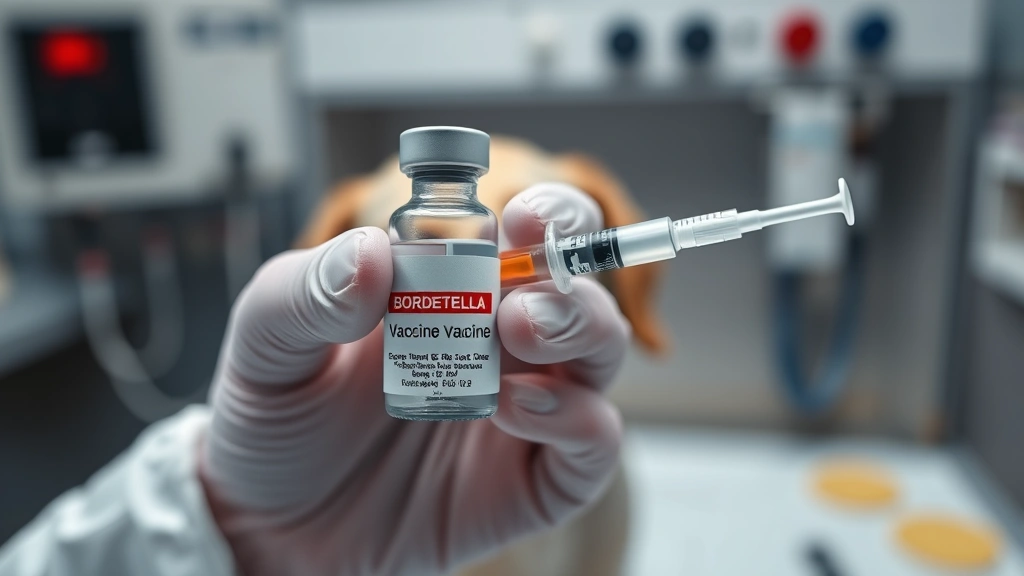
If you’re planning a boarding stay, vacation, or dog show, ensure your pup’s bordetella vaccination is current. Many facilities require proof of vaccination within the past 6-12 months. Don’t get caught scrambling to get your dog vaccinated right before a scheduled trip—plan ahead.
Maintaining Vaccination Records
Keep detailed records of your dog’s bordetella vaccination dates and booster schedule. Your veterinary clinic maintains records, but having your own copy is helpful for boarding facilities, trainers, and future veterinarians. Many vets provide vaccination certificates; keep them in a safe place.
Set phone reminders for booster appointments so you don’t accidentally let your dog’s protection lapse. Some clinics send reminder emails or postcards, but relying on your own system ensures you stay on top of it. Consistent vaccination is the key to maintaining immunity.
Frequently Asked Questions
How often does my dog need bordetella boosters?
Most dogs need bordetella boosters every 6-12 months, depending on exposure risk and vaccine type. High-risk dogs benefit from annual boosters, while lower-risk dogs might go 12 months between shots. Your vet will recommend the best schedule for your pup’s lifestyle.
Can the bordetella vaccine cause kennel cough?
No, the vaccine cannot cause kennel cough. Vaccines contain either inactivated bacteria or live attenuated (weakened) strains that don’t cause disease. Mild sneezing after the intranasal vaccine is a normal immune response, not actual infection.
Is bordetella vaccination mandatory?
Bordetella vaccination is not legally required in most areas, but many boarding facilities, dog daycares, and grooming salons require proof of vaccination. It’s highly recommended for dogs with any exposure risk. Check with your local facilities about their specific requirements.
My dog got kennel cough despite vaccination—why?
Vaccine effectiveness isn’t 100%, and new bordetella strains occasionally emerge. However, vaccinated dogs typically experience milder symptoms and recover faster than unvaccinated dogs. The vaccine significantly reduces severity even if breakthrough infections occur.
Can I give bordetella vaccine to an older dog?
Yes, older dogs can receive bordetella vaccination. If they’ve never been vaccinated, they’ll need two doses. Senior dogs benefit from protection, especially if they’re around other dogs. Discuss any health concerns with your vet before vaccination.
What’s the difference between intranasal and injectable bordetella vaccines?
Intranasal vaccines stimulate local immunity in the respiratory tract and work faster (3-4 days). Injectable vaccines provide systemic immunity and last longer. Both are effective; your vet will recommend based on your dog’s needs and previous vaccination history.
Summary: Protecting Your Pup From Kennel Cough
The bordetella shot is your dog’s shield against kennel cough, a contagious respiratory infection that spreads through shared spaces where dogs congregate. Whether your dog is a social butterfly at the dog park or an occasional visitor to the grooming salon, bordetella vaccination offers valuable protection. The vaccine is safe, affordable, and highly effective at preventing or minimizing infection severity.
Talk with your veterinarian about whether bordetella vaccination is right for your dog based on their lifestyle, age, and health status. If your pup has any exposure to other dogs, the vaccine is almost certainly worth the minimal cost and effort. Keep vaccination records updated and schedule boosters according to your vet’s recommendations. Your dog will thank you for keeping them healthy and kennel cough-free.





