
What is colitis in dogs? It’s inflammation of the colon (large intestine) that can turn your pup’s digestive system into a drama-filled mess. Think of it as your dog’s gut throwing a tantrum, and unfortunately, you’re stuck cleaning up the aftermath—literally.
Table of Contents
- Understanding Canine Colitis: What’s Actually Happening Inside
- Common Symptoms of Colitis in Dogs You Can’t Ignore
- What Causes Colitis in Dogs? The Usual Suspects
- Diagnosing Colitis: What Your Vet Will Do
- Treatment Options: Getting Your Dog Back on Track
- Dietary Adjustments That Actually Help
- When to Worry: Red Flags Requiring Immediate Vet Care
- Prevention: Keeping Colitis From Returning
- The Long-Term Outlook for Dogs with Colitis
- Frequently Asked Questions
- Summary: Taking Action Against Canine Colitis
Colitis is one of those sneaky conditions that pet parents often miss until their furry friend starts leaving unwanted surprises around the house. But here’s the good news: understanding what causes it and how to manage it can help your dog feel better faster and save your carpets from further casualties.
Understanding Canine Colitis: What’s Actually Happening Inside
When your dog has colitis, the lining of their colon becomes inflamed and irritated. This inflammation disrupts the normal absorption of water and nutrients, leading to that lovely loose stool situation you’ve probably noticed. The colon’s job is to absorb water and form solid waste, so when it’s inflamed, well… you get the picture.
Colitis can be acute (sudden onset) or chronic (long-term), and both versions are equally frustrating for dogs and their humans. Some dogs experience it once and never again, while others deal with recurring episodes that require ongoing management.
Common Symptoms of Colitis in Dogs You Can’t Ignore
Your dog can’t exactly tell you their colon hurts, so watch for these telltale signs:
- Diarrhea with mucus or blood: This is the classic red flag. You might notice a jelly-like coating or streaks of blood in their stool.
- Increased bowel movements: Your pup suddenly needs to go out 5-6 times daily instead of their usual 2-3 times.
- Straining or difficulty defecating: They’re spending more time in the bathroom than usual, often producing small amounts.
- Urgency: That panicked look when they need to go NOW—no time for a leisurely walk.
- Abdominal discomfort: Visible signs of pain, hunched posture, or reluctance to move.
- Weight loss: Especially noticeable in chronic cases where nutrient absorption is compromised.
What Causes Colitis in Dogs? The Usual Suspects
Understanding the root cause is crucial for effective treatment. Here are the most common culprits behind canine colitis:
Dietary Issues: Sudden food changes, low-quality ingredients, food sensitivities, or allergies are major triggers. This is why vets often recommend limited ingredient dog food for dogs with sensitive stomachs. High-fat diets can also irritate the colon.
Stress and Anxiety: Yes, dogs get stressed too! Changes in environment, new pets, loud noises, or separation anxiety can trigger inflammatory bowel issues. Stress literally messes with their gut bacteria.
Bacterial or Parasitic Infections: Whipworms, hookworms, giardia, and bacterial overgrowth can all cause colitis. These parasites are sneaky little troublemakers that your vet can identify through fecal testing.
Inflammatory Bowel Disease (IBD): Some dogs develop chronic inflammation that requires long-term dietary management and sometimes medication.
Underlying Health Conditions: Diseases affecting the colon’s ability to function properly, including conditions requiring specialized nutrition like those discussed in our kidney diet for dogs guide.
Diagnosing Colitis: What Your Vet Will Do
Don’t try to diagnose this at home—your vet needs to do the detective work. Here’s what they’ll typically do:
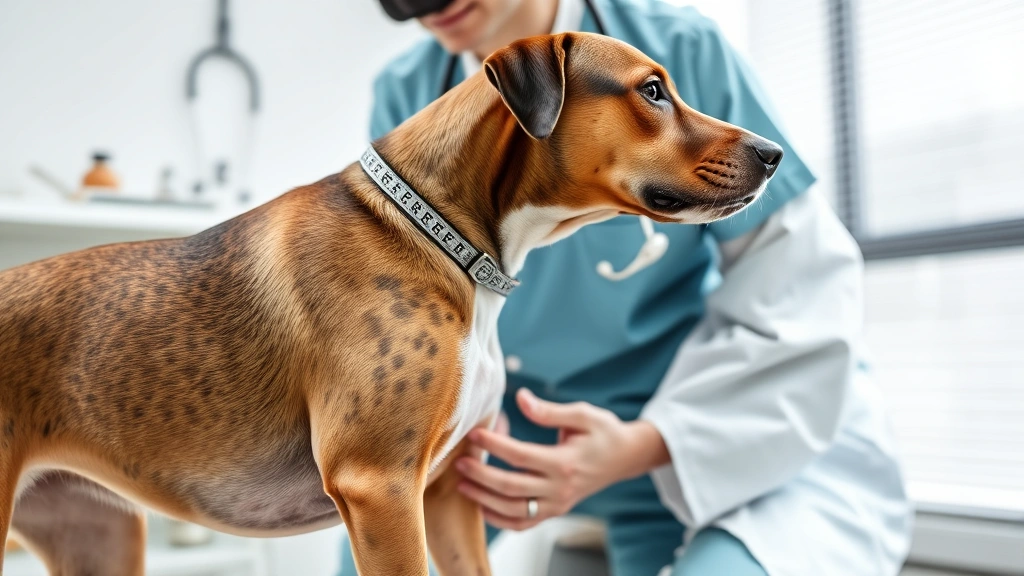
Your veterinarian will start with a physical examination and ask detailed questions about your dog’s symptoms, diet, and recent changes. They’ll likely recommend a fecal test to rule out parasites and bacterial infections, which is honestly the most important step because treating an infection-based colitis is different from managing dietary colitis.
In some cases, they might recommend bloodwork to check for systemic issues or an abdominal ultrasound to visualize the colon and rule out other conditions. For chronic cases that don’t respond to initial treatment, a colonoscopy with biopsy might be necessary to diagnose IBD or rule out more serious conditions.
Treatment Options: Getting Your Dog Back on Track
The good news is that most cases of colitis respond well to treatment. Here’s what typically works:
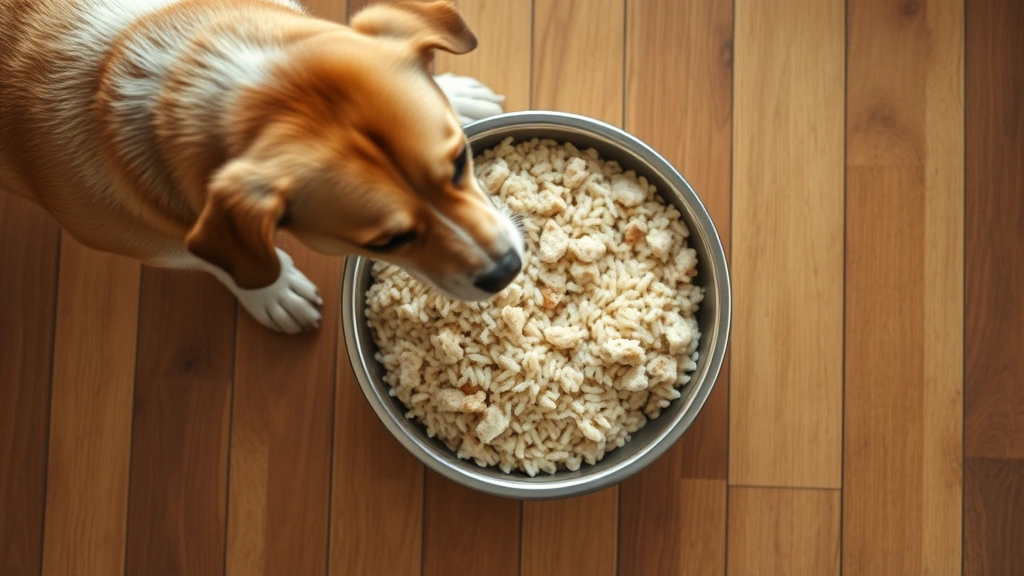
Dietary Management: This is often the first line of defense. Your vet might recommend a bland diet of boiled chicken and rice, or prescription digestive care food. For dogs with specific sensitivities, low protein dog food might be beneficial, though protein isn’t always the culprit. The key is finding what works for your individual pup.
Medications: Depending on the cause, your vet might prescribe antibiotics for bacterial overgrowth, antiparasitic medication, or anti-inflammatory drugs. Probiotics are also frequently recommended to restore healthy gut bacteria.
Hydration: Keep fresh water available at all times. Colitis can lead to dehydration, especially in acute cases. Some dogs benefit from adding bone broth to their water to encourage drinking.
Stress Reduction: If stress is a trigger, work on creating a calm environment. This might mean more exercise, consistent routines, or even anxiety medication in severe cases.
Dietary Adjustments That Actually Help
Food is medicine when it comes to colitis management. After the acute phase, transition your dog to a high-quality, easily digestible diet. Look for:
- Limited ingredient formulas to identify and avoid triggers
- High-quality protein sources (not by-products)
- Adequate fiber for colon health
- Probiotics and prebiotics to support gut bacteria
- Omega-3 fatty acids for their anti-inflammatory properties
Avoid common triggers like corn, wheat, soy, and artificial additives. Some dogs do better with novel protein sources like duck, venison, or fish. Keep a food diary to track what your dog eats and any symptom changes—patterns often emerge that help identify triggers.
When to Worry: Red Flags Requiring Immediate Vet Care
Most colitis cases are manageable, but some situations demand immediate veterinary attention:
- Severe bloody diarrhea (not just streaks, but significant blood)
- Signs of severe dehydration (lethargy, dry gums, sunken eyes)
- Vomiting along with diarrhea
- Fever or signs of systemic illness
- No improvement after 48 hours of treatment
- Symptoms worsening despite treatment
These could indicate more serious conditions like hemorrhagic gastroenteritis or severe infectious disease that need aggressive treatment.
Prevention: Keeping Colitis From Returning
Once your dog recovers, you’ll want to prevent future episodes. Here’s your prevention playbook:
Maintain Dietary Consistency: Stick with the diet your vet recommends. If you need to change foods, do it gradually over 7-10 days, mixing increasing amounts of new food with the old.
Avoid Table Scraps: I know those puppy eyes are hard to resist, but human food is a common colitis trigger. Keep your dog away from fatty foods, dairy, and anything spicy.
Manage Stress: Maintain consistent routines, provide adequate exercise, and create a safe space where your dog can retreat when anxious.
Regular Parasite Prevention: Keep up with monthly parasite prevention to avoid re-infection.
Quality Supplements: Probiotics and omega-3 supplements can help maintain gut health and reduce inflammation.
The Long-Term Outlook for Dogs with Colitis
Here’s what most pet parents want to know: will my dog be okay? The answer is usually yes, with caveats. Acute colitis often resolves completely with proper treatment. Chronic colitis or IBD requires ongoing management, but many dogs live completely normal, happy lives with the right diet and care plan.
The key is identifying triggers and maintaining consistency. Some dogs need to stay on prescription diets indefinitely, while others can transition back to regular food once their gut heals. Your vet will guide you through this process based on your individual dog’s response to treatment.
Many pet parents find that once they’ve dealt with one colitis episode, they become much better at recognizing early warning signs and can prevent full-blown flare-ups by making quick dietary adjustments. You’ll basically become a colon expert whether you want to or not.
Frequently Asked Questions
Is colitis in dogs contagious?
Colitis itself isn’t contagious, but if it’s caused by parasites or certain bacteria, those organisms could potentially spread to other dogs. If your dog has diagnosed parasites, keep them separated from other pets until treatment is complete and your vet gives the all-clear.
Can I treat my dog’s colitis at home?
You shouldn’t skip the vet visit, but home care is crucial for recovery. A bland diet of boiled chicken and rice, plenty of water, rest, and stress reduction all support healing. However, you need your vet to rule out parasites and infections first—treating the wrong cause wastes time and lets your dog suffer longer.
How long does colitis take to heal?
Acute colitis often improves within 3-5 days with proper treatment, though complete healing might take 1-2 weeks. Chronic colitis requires ongoing management and may never fully resolve, but symptoms can be controlled effectively with the right approach.
Will my dog need medication forever?
Not necessarily. Acute colitis cases usually don’t require long-term medication once the underlying cause is treated. Chronic colitis or IBD might require ongoing dietary management and possibly supplements, but medication is often temporary. Your vet will determine what’s needed based on your dog’s individual case.
Can stress really cause colitis in dogs?
Absolutely. The gut-brain connection is real in dogs too. Stress triggers inflammation and disrupts healthy gut bacteria, making colitis more likely. This is why managing anxiety and maintaining consistent routines is so important for prevention.
What’s the difference between colitis and IBS in dogs?
Colitis is inflammation of the colon with visible changes to stool and physical symptoms. IBS (irritable bowel syndrome) is a functional disorder where the colon doesn’t work properly despite no visible inflammation. Colitis can be diagnosed with testing; IBS is diagnosed by ruling out other conditions. Treatment approaches differ, which is why accurate diagnosis matters.
Summary: Taking Action Against Canine Colitis
Colitis in dogs is uncomfortable for them and frustrating for you, but it’s absolutely manageable with the right approach. The key is getting a proper diagnosis from your vet, identifying triggers, and implementing dietary and lifestyle changes that keep your dog’s gut happy.
Remember that every dog is unique—what works for your neighbor’s golden retriever might not work for yours. It takes patience, consistency, and sometimes a bit of trial and error to find the perfect solution. But once you do, you’ll have a healthier, happier pup and significantly fewer messes to clean up.
If you suspect your dog has colitis, don’t wait. Schedule a vet appointment, get that fecal test done, and start the journey toward recovery. Your dog’s colon will thank you, and so will your carpet.





