
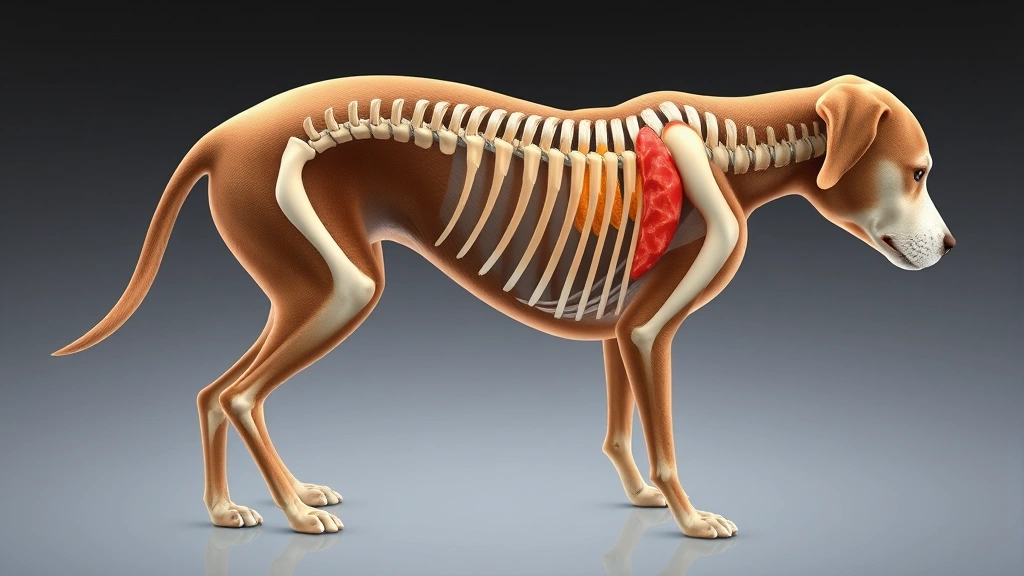
If you’ve ever wondered what is IVDD in dogs, you’re not alone—and honestly, it’s one of those veterinary terms that sounds scarier than it needs to be. IVDD stands for Intervertebral Disc Disease, and it’s basically when the cushioning discs between your dog’s spine start acting like they’ve given up on life. But don’t panic! Understanding this condition is the first step to keeping your furry friend comfortable and mobile.
Table of Contents
- Understanding IVDD: The Basics of Intervertebral Disc Disease
- The Two Types of IVDD: Hansen Type I and Hansen Type II
- Signs and Symptoms: When Your Dog Needs Veterinary Attention
- Risk Factors: Which Dogs Are Most Vulnerable
- Diagnosis: How Vets Identify IVDD
- Conservative Treatment: Managing IVDD Without Surgery
- Surgical Intervention: When Surgery Becomes Necessary
- Recovery and Rehabilitation: The Long Road Back
- Prevention: Protecting Your Dog from IVDD
- Living with a Dog with IVDD: Long-term Management
- Prognosis: What to Expect for Your Dog
- Frequently Asked Questions
- Summary: Protecting Your Dog’s Spine
Understanding IVDD: The Basics of Intervertebral Disc Disease
Think of your dog’s spine like a stack of pancakes with jelly between each layer. Those “jelly” layers are intervertebral discs, and they’re supposed to cushion and protect the vertebrae. In IVDD, these discs either bulge out or rupture, pressing on the spinal cord. It’s like your dog’s spine decided to go on strike without giving notice. The condition ranges from mild discomfort to complete paralysis, depending on severity. Dachshunds, Corgis, and Basset Hounds are particularly prone to this issue because of their long backs and short legs—basically, they drew the short straw in the genetic lottery.
The Two Types of IVDD: Hansen Type I and Hansen Type II
Not all intervertebral disc disease is created equal. Hansen Type I, also called “chondroid degeneration,” is the more aggressive version. The disc material degenerates and hardens, then suddenly ruptures—like a balloon that’s been inflated too many times. This typically affects younger dogs (3-7 years old) and happens suddenly. Hansen Type II, or “fibroid degeneration,” is the slower burn. The disc material gradually bulges and compresses the spinal cord over time, usually affecting older dogs. It’s the difference between a car crash and rush-hour traffic—both are problems, but they require different approaches.
Signs and Symptoms: When Your Dog Needs Veterinary Attention
The symptoms of IVDD can vary wildly depending on which part of the spine is affected and how severe the compression is. Your dog might show signs like reluctance to jump or climb stairs, a hunched posture, neck pain, or sensitivity to touch along the spine. In more serious cases, you might notice weakness in the hind legs, loss of bladder or bowel control, or complete paralysis. Some dogs become suddenly paralyzed overnight, which is absolutely terrifying for pet parents. If your dog is dragging their rear legs, yelping unexpectedly, or acting like they’re in pain, get to the vet immediately. These aren’t “wait and see” symptoms.
Risk Factors: Which Dogs Are Most Vulnerable
While any dog can develop IVDD, certain breeds are at higher risk due to their body structure. Dachshunds top the list—about 25% will experience IVDD in their lifetime. Other at-risk breeds include Corgis, Basset Hounds, Cocker Spaniels, and Pekingese. Overweight dogs have significantly higher risk, partly because extra weight puts more stress on the spine. Age matters too; older dogs are more susceptible. Trauma or repetitive jumping can trigger the condition in predisposed dogs. Even something as innocent as a dog jumping off the couch repeatedly could be the straw that breaks the camel’s back—or in this case, the disc.
Diagnosis: How Vets Identify IVDD
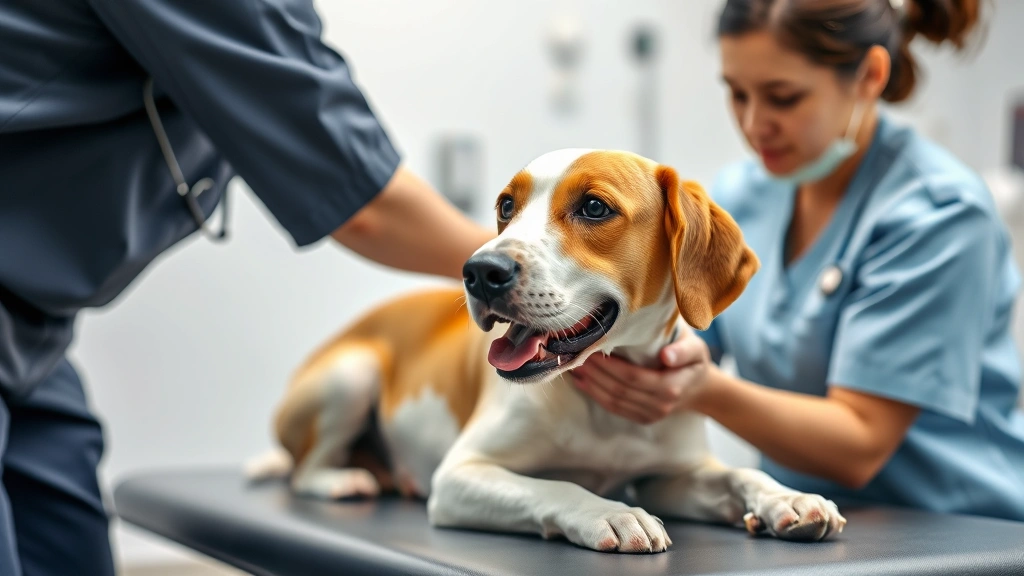
Your veterinarian will start with a physical examination, checking your dog’s reflexes, muscle tone, and pain response. They’ll likely recommend imaging—X-rays might show some changes, but an MRI is the gold standard for diagnosing IVDD because it gives a clear picture of the spinal cord and discs. A CT scan is another option if MRI isn’t available. Your vet might also perform a myelogram, which involves injecting contrast dye around the spinal cord to visualize compression. These diagnostic tools help determine the exact location and severity of the problem, which is crucial for treatment planning.
Conservative Treatment: Managing IVDD Without Surgery
Not every case of IVDD requires surgery. Mild to moderate cases often respond well to conservative management. Rest is critical—and we’re talking strict crate rest for 4-6 weeks, not “take it easy.” Your vet will likely prescribe pain medications and anti-inflammatories. Joint supplements for dogs containing glucosamine and chondroitin may help support spinal health. Physical therapy and controlled rehabilitation exercises can improve mobility and strength. Some pet parents find that turmeric is good for dogs with inflammatory conditions, and it may offer additional anti-inflammatory benefits. A memory foam dog bed provides proper support and comfort during recovery. Most dogs (about 80%) improve with conservative treatment alone, though some may experience recurrence.

Surgical Intervention: When Surgery Becomes Necessary
Surgery comes into play when conservative treatment fails, when there’s severe neurological deficit, or when the dog is completely paralyzed. The procedure, called a hemilaminectomy or fenestration, removes bone to access and remove the disc material compressing the spinal cord. Success rates are highest when surgery is performed within 24-48 hours of paralysis onset, which is why timing is absolutely critical. Recovery from surgery typically takes 6-8 weeks, with physical therapy being essential. According to the American Kennel Club, surgical candidates that receive prompt treatment have the best prognosis for regaining function.
Recovery and Rehabilitation: The Long Road Back
Whether your dog has conservative or surgical treatment, rehabilitation is where the real work happens. Physical therapy might include hydrotherapy, massage, passive range-of-motion exercises, and gradually increasing activity levels. Your vet will give you specific exercises to do at home. Recovery isn’t always linear—some days your dog might seem better, other days worse. Patience is essential. Most dogs show significant improvement within 4-8 weeks, though complete recovery can take months. Some dogs regain full function, while others may have permanent mild weakness. The key is consistent, gentle rehabilitation and following your vet’s guidelines exactly.
Prevention: Protecting Your Dog from IVDD
While you can’t completely prevent IVDD in genetically predisposed dogs, you can reduce the risk significantly. Maintain a healthy weight—obesity is one of the biggest modifiable risk factors. Avoid excessive jumping and repetitive spine-stressing activities. Use ramps or stairs to help your dog get on and off furniture. Avoid rough play that involves jumping or twisting. A supportive memory foam dog bed helps maintain proper spinal alignment during rest. Regular, gentle exercise keeps muscles strong and supportive. Some vets recommend avoiding activities like agility training for at-risk breeds. Proper nutrition is important too—consider low protein dog food if recommended by your vet, and ensure adequate omega-3 fatty acids for joint and spinal health.
Living with a Dog with IVDD: Long-term Management
Dogs that have experienced IVDD require ongoing management to prevent recurrence. Continue with joint supplements for dogs as recommended by your veterinarian. Maintain strict weight management and controlled exercise. Regular veterinary check-ups are crucial to catch any early signs of recurrence. Some dogs may benefit from long-term pain management or anti-inflammatory medications. Environmental modifications like ramps, elevated food bowls, and orthopedic bedding make daily life more comfortable. Many dogs with IVDD live happy, normal lives with proper management—they just need a bit of extra care and attention from their devoted humans.
Prognosis: What to Expect for Your Dog
The prognosis for IVDD varies based on severity, type, and how quickly treatment begins. Dogs with mild symptoms and early conservative treatment have excellent prognoses—about 80% improve significantly. Dogs with severe compression or paralysis that receive prompt surgery also have good outcomes, with about 50-80% regaining function depending on how long they were paralyzed. Dogs that are paralyzed for more than 48 hours have lower recovery rates but can still improve. The bottom line: early intervention and consistent treatment dramatically improve outcomes. According to PetMD, dogs that receive appropriate veterinary care often return to normal or near-normal function within weeks to months.
Frequently Asked Questions
Can IVDD in dogs be cured?
IVDD can’t be “cured” in the sense of reversing the disc degeneration, but it can be managed very effectively. Many dogs recover fully from acute episodes with conservative or surgical treatment and live normal lives. The goal is to relieve pain, reduce inflammation, and allow the spinal cord to heal.
Is IVDD painful for dogs?
Yes, IVDD can be quite painful, especially in the acute phase. Dogs may yelp, refuse to move, or show signs of severe discomfort. However, pain management through medications and proper care significantly improves quality of life. Some dogs with chronic IVDD have minimal pain with appropriate management.
Can a dog with IVDD walk again after paralysis?
Many dogs can regain the ability to walk after paralysis, especially if they receive prompt treatment (surgery within 24-48 hours of paralysis onset). Recovery depends on the severity of spinal cord damage and how long the compression lasted. Some dogs regain full mobility, while others may have permanent weakness.
How much does IVDD surgery cost?
IVDD surgery typically costs between $1,500 to $3,000 or more, depending on the location, surgeon expertise, and complexity of the case. This doesn’t include pre-operative diagnostics (MRI, etc.), anesthesia, and post-operative care. Pet insurance can help offset these costs.
Is rest enough to treat IVDD?
Rest is a crucial component of conservative treatment, but it’s usually not enough alone. Most dogs also need pain medication, anti-inflammatory drugs, and often physical therapy. About 80% of dogs improve with conservative management, but some cases require surgery.
Can I prevent IVDD in my dog?
While you can’t prevent IVDD completely in genetically predisposed dogs, you can significantly reduce the risk by maintaining healthy weight, limiting jumping and rough play, and providing proper support and nutrition. Preventive measures are especially important for at-risk breeds.
Summary: Protecting Your Dog’s Spine
What is IVDD in dogs? It’s a condition where the cushioning discs between vertebrae bulge or rupture, pressing on the spinal cord. While it sounds serious—and it can be—most cases respond well to appropriate treatment. Whether your dog needs conservative management or surgery, the key is early recognition of symptoms and prompt veterinary care. Keep your dog at a healthy weight, limit spine-stressing activities, and watch for warning signs like reluctance to jump, yelping, or weakness in the hind legs. With proper management, many dogs with IVDD live long, happy, comfortable lives. Your vigilance and care make all the difference in your dog’s outcome.





