
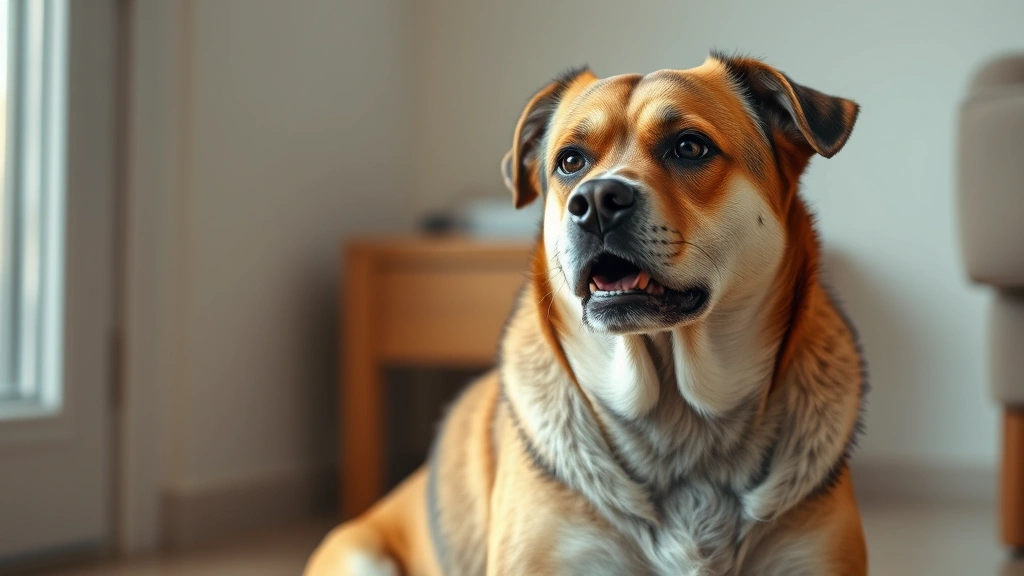
What is labored breathing in dogs? It’s when your furry friend sounds like they’ve just run a marathon after a casual stroll around the block—except they haven’t moved much at all. Labored breathing, also called dyspnea, is when dogs struggle to breathe normally, and it’s definitely not something to brush off with a “they’re probably fine” attitude.
Table of Contents
- Understanding Labored Breathing: More Than Just Heavy Panting
- Warning Sign #1: Excessive Panting at Rest
- Warning Sign #2: Noisy or Wheezy Breathing Sounds
- Warning Sign #3: Open-Mouth Breathing or Gasping
- Warning Sign #4: Reluctance to Exercise or Play
- Warning Sign #5: Bluish Gums or Tongue
- Common Causes of Labored Breathing in Dogs
- How Vets Diagnose Labored Breathing
- Treatment Options for Labored Breathing
- When to Rush to the Emergency Vet
- Frequently Asked Questions
- Summary: Don’t Ignore Your Dog’s Breathing
If you’ve noticed your pup wheezing, panting excessively, or making weird noises when they breathe, you’re in the right place. Let’s break down what’s actually happening in your dog’s respiratory system and why it matters.
Understanding Labored Breathing: More Than Just Heavy Panting
Here’s the thing: not all heavy breathing is created equal. Your dog pants to cool down—that’s totally normal. But labored breathing is different. It’s when your dog is working way too hard to move air in and out of their lungs, even when they’re just chilling on the couch.
Think of it like this: normal breathing should be effortless. Labored breathing looks like your dog is wrestling with every single breath. Their chest heaves, their nostrils flare, and they might even make strange sounds. This is your dog’s way of saying, “Hey, something’s not right here.”
The causes can range from something simple (like being overweight) to serious conditions like laryngeal paralysis in dogs, heart disease, or fluid in the lungs. That’s why paying attention to these signs is crucial.
Warning Sign #1: Excessive Panting at Rest
Your dog is lying down, the house is cool, they haven’t been playing—and yet they’re panting like they just finished a doggy triathlon. This is a red flag. Excessive panting when your pup is supposed to be relaxing isn’t normal behavior.
Excessive panting can indicate pain, anxiety, fever, or respiratory distress. It’s your dog’s way of trying to regulate their body temperature or get more oxygen into their system. If this is happening regularly, especially during calm moments, schedule a vet visit ASAP.
Warning Sign #2: Noisy or Wheezy Breathing Sounds
Listen to your dog breathe. Seriously, just sit quietly and pay attention. Normal breathing should be pretty quiet. If you’re hearing wheezing, crackling, or whistling sounds, that’s dyspnea talking.
Wheezing often indicates that airways are constricted or there’s fluid in the lungs. Crackling sounds might suggest pneumonia or pulmonary edema. These aren’t subtle hints—they’re your dog literally broadcasting that their respiratory system is struggling. Don’t ignore the soundtrack of distress.
Warning Sign #3: Open-Mouth Breathing or Gasping
Dogs don’t naturally breathe through their mouths when they’re at rest (unless they’re hot). If your dog is keeping their mouth open constantly or gasping for air, even in a cool environment, something’s definitely off.
Open-mouth breathing suggests your dog isn’t getting enough oxygen through normal nasal breathing. This could indicate nasal obstruction, airway collapse, or more serious respiratory issues. It’s one of those signs that should send you straight to the vet without delay.
Warning Sign #4: Reluctance to Exercise or Play
Your normally energetic pup suddenly doesn’t want to go for walks or play fetch? They’re tired after minimal activity? This change in behavior, combined with breathing difficulties, is worth investigating. Lethargy in dogs paired with labored breathing could indicate heart problems, anemia, or respiratory disease.
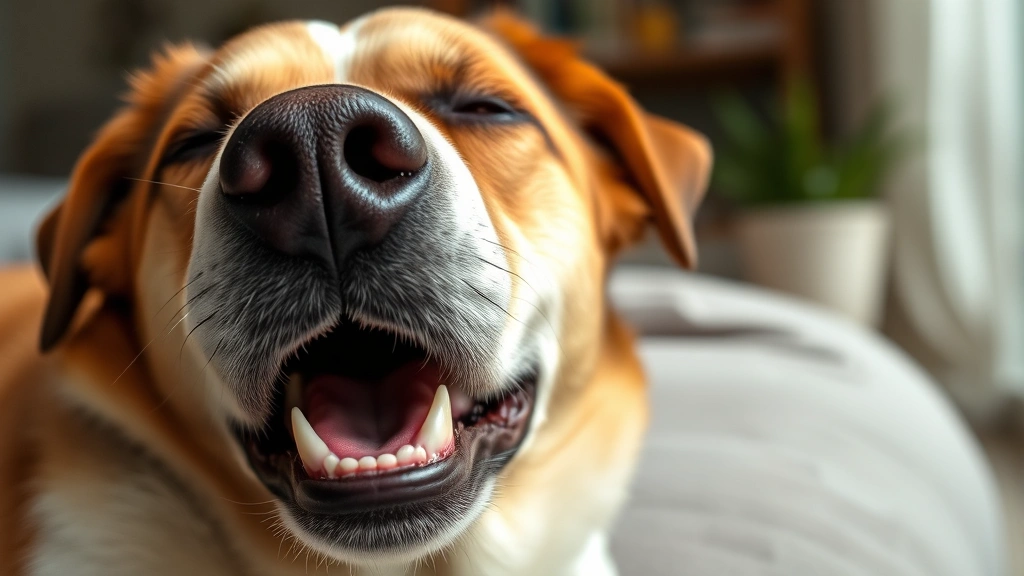
Dogs don’t suddenly become couch potatoes without reason. When exercise intolerance shows up alongside breathing issues, it’s your cue to get professional help.
Warning Sign #5: Bluish Gums or Tongue
This is the emergency sign. If your dog’s gums or tongue have a bluish tint (called cyanosis), they’re not getting enough oxygen. This is a medical emergency. Don’t wait for an appointment—get to an emergency vet immediately.
Cyanosis means your dog’s tissues aren’t receiving adequate oxygen, and this can become life-threatening quickly. Trust your instincts here.
Common Causes of Labored Breathing in Dogs
Several conditions can cause dyspnea in dogs. Is it normal for a dog to snore? Sometimes, but if snoring is new or accompanied by labored breathing, it could indicate airway obstruction.
Heart disease is one of the most common culprits, especially in older dogs. Fluid accumulates in the lungs, making breathing harder. Respiratory infections, allergies, obesity, and collapsed tracheas are also frequent offenders. Some breeds, like Bulldogs and Pugs, are predisposed to breathing difficulties due to their facial structure.
Less common but serious causes include Lyme disease symptoms in dogs, which can affect the heart and respiratory system, or lipomas in dogs that grow large enough to compress airways.
How Vets Diagnose Labored Breathing
Your vet will start with a physical examination and listening to your dog’s lungs with a stethoscope. They might recommend X-rays to see what’s happening inside the chest, blood work to check for infections or other systemic issues, and possibly an ultrasound of the heart.
In some cases, they might perform more advanced diagnostics like CT scans or endoscopy to get a detailed look at the airways. The goal is to pinpoint exactly what’s causing the breathing difficulty so they can treat it effectively.
Treatment Options for Labored Breathing
Treatment depends entirely on the underlying cause. If it’s an infection, antibiotics might do the trick. If it’s heart disease, your dog might need medication to help their heart pump more efficiently and reduce fluid buildup. For obesity-related breathing issues, a weight management plan is essential.
Airway obstruction might require surgery, while allergies could be managed with medications or environmental changes. The key is getting that diagnosis so your vet can recommend the right treatment plan.
When to Rush to the Emergency Vet
Don’t wait for a regular appointment if your dog is showing severe signs of respiratory distress. Seek emergency care immediately if you see: blue-tinged gums, severe gasping, inability to breathe, collapse, or panic-like behavior related to breathing difficulty.
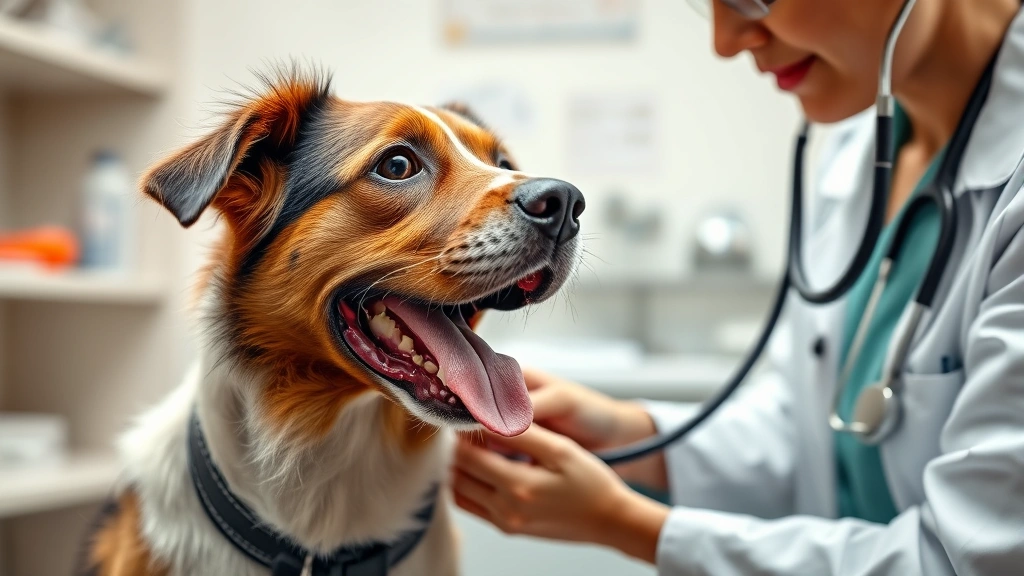
These signs indicate your dog isn’t getting enough oxygen, and every minute counts. Emergency vets have oxygen therapy and other life-saving interventions ready to go.
Frequently Asked Questions
Is labored breathing in dogs always serious?
Not always, but it always warrants a vet visit. Some causes are minor (like allergies), while others are serious (like heart disease). Only a veterinarian can determine the severity and cause, so don’t skip the appointment.
Can obesity cause labored breathing in dogs?
Absolutely. Extra weight puts pressure on the lungs and heart, making breathing harder. Weight loss through proper diet and exercise can significantly improve breathing in overweight dogs.
How can I help my dog breathe easier at home?
Keep them in a cool environment, maintain a healthy weight, avoid smoke and strong fumes, and use a humidifier if recommended by your vet. But these are supportive measures—they don’t replace veterinary care.
Is reverse sneezing the same as labored breathing?
No. Reverse sneezing is usually harmless and brief, while labored breathing is sustained difficulty. Reverse sneezing sounds like honking or snorting, whereas labored breathing involves obvious effort with each breath.
Can young dogs have labored breathing?
Yes. While it’s more common in older dogs, young dogs can experience breathing difficulties from infections, injuries, congenital conditions, or breed-specific issues. Age isn’t a guarantee of respiratory health.
Summary: Don’t Ignore Your Dog’s Breathing
Labored breathing in dogs is a symptom that deserves your attention. Whether it’s excessive panting at rest, wheezy sounds, open-mouth breathing, exercise intolerance, or bluish gums—these are all signs that something needs professional evaluation.
Your dog can’t tell you they’re struggling to breathe, so they rely on you to notice these signs. Trust your instincts, document what you’re seeing, and get your pup to the vet. Early detection of respiratory issues often leads to better outcomes and a happier, healthier dog.
Remember: when in doubt, get it checked out. Your vet would rather see you for a false alarm than miss something serious. Your dog’s ability to breathe easily is fundamental to their quality of life, so make it a priority.





