
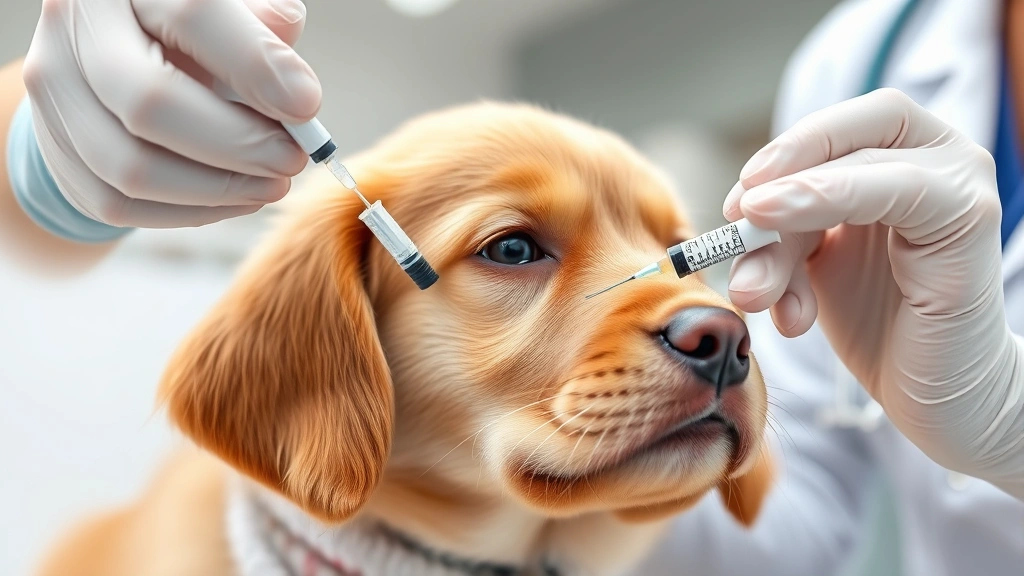
So, what is the distemper vaccine for dogs? It’s basically your pup’s superhero shield against one of the nastiest viral infections out there. Think of it as the bodyguard your dog desperately needs but doesn’t know it. Canine distemper is a serious, highly contagious viral disease that can wreak absolute havoc on your furry friend’s health, and the vaccine is the best way to keep it from happening in the first place.
Table of Contents
- Understanding Canine Distemper: The Enemy We’re Fighting
- What Exactly Does the Distemper Vaccine Do?
- The Vaccination Schedule: Timing Is Everything
- Why Puppies Need Multiple Shots
- Types of Distemper Vaccines Available
- Potential Side Effects: The Truth About Vaccine Reactions
- Vaccine Effectiveness and Duration of Immunity
- Special Considerations: When Extra Caution Is Needed
- Cost and Accessibility of Distemper Vaccines
- The Distemper Vaccine vs. Other Core Vaccines
- Common Myths About the Distemper Vaccine
- Frequently Asked Questions
- Summary: Why the Distemper Vaccine Matters
If you’re a dog parent, you’ve probably heard your vet mention it during those annual checkups while you’re mentally calculating whether you can afford the bill. But here’s the thing—understanding what this vaccine does, why your dog needs it, and when to get it is actually super important. Let’s break it down in a way that won’t make your eyes glaze over.
Understanding Canine Distemper: The Enemy We’re Fighting
Before we talk about the vaccine itself, let’s understand the villain of our story. Canine distemper is caused by a virus that’s related to measles in humans and affects dogs, raccoons, minks, and other wildlife. It’s spread through respiratory droplets, contaminated objects, and direct contact with infected animals. Basically, if your dog sniffs the wrong nose or shares a water bowl with an infected pup, they could catch it.
The virus attacks multiple systems in your dog’s body—respiratory, gastrointestinal, and nervous systems. It’s like a home invader that doesn’t just rob your house; it sets fires on the way out. Symptoms include fever, nasal discharge, coughing, vomiting, diarrhea, and in severe cases, neurological problems like seizures. The mortality rate in unvaccinated dogs is genuinely terrifying, ranging from 30% to 50% depending on the dog’s age and immune system.
What Exactly Does the Distemper Vaccine Do?
The distemper vaccine contains a weakened or inactivated form of the virus (or viral particles) that trains your dog’s immune system to recognize and fight the real deal. When your dog gets vaccinated, their body produces antibodies—think of them as tiny soldiers—that remember exactly what distemper looks like. If the actual virus ever tries to invade, these antibodies are ready for battle.
Most modern canine distemper vaccines are part of a combination shot called the DHPP vaccine, which stands for Distemper, Hepatitis, Parvovirus, and Parainfluenza. It’s like getting a four-for-one deal at the vet’s office. Some vets also offer separate vaccines, but the combo is more common and way more convenient. The American Kennel Club recommends that all dogs receive this core vaccine.
The Vaccination Schedule: Timing Is Everything
Puppies don’t just get one shot and call it a day. They need a series of vaccines to build up their immunity properly. Here’s the typical schedule:
- 6-8 weeks of age: First DHPP shot
- 10-12 weeks of age: Second DHPP shot
- 14-16 weeks of age: Third DHPP shot
- 12-16 months of age: Booster shot
- Every 1-3 years: Booster shots for life
Adult dogs that have never been vaccinated need two shots spaced 3-4 weeks apart, then boosters every 1-3 years depending on your vet’s recommendation and local regulations. Some vets use titers (blood tests) to check antibody levels, which can help determine if your dog actually needs a booster. It’s like a report card for your dog’s immune system.
Why Puppies Need Multiple Shots
You might wonder why we can’t just give puppies one vaccine and be done with it. The answer lies in something called maternal antibodies. When puppies are born, they inherit antibodies from their mother’s milk that provide temporary protection. These antibodies are like a security blanket, but here’s the problem—they also interfere with the vaccine’s ability to work. It’s a frustrating catch-22.
The series of shots is timed to catch the window when maternal antibodies fade but before your puppy becomes vulnerable. By giving multiple doses, we’re essentially playing vaccine roulette until one sticks properly. It’s annoying, but it works. That’s why skipping doses isn’t a good idea, even if your puppy seems healthy.
Types of Distemper Vaccines Available
There are two main types of vaccines: live attenuated (weakened virus) and inactivated (killed virus). Both are effective, but they have different characteristics.
Live Attenuated Vaccines: These contain a weakened version of the virus that can still replicate in your dog’s body but won’t cause disease. They typically provide stronger, longer-lasting immunity and require fewer boosters. However, they shouldn’t be given to pregnant dogs or immunocompromised pups.

Inactivated Vaccines: These contain virus particles that have been killed and cannot replicate. They’re safer for pregnant or immunocompromised dogs but may require more frequent boosters. Your vet will recommend the best option based on your dog’s individual situation.
Potential Side Effects: The Truth About Vaccine Reactions
Let’s be real—vaccines aren’t magical potions without any downsides. Most dogs experience little to no side effects, but some do have reactions. Common mild side effects include soreness at the injection site, mild fever, lethargy, and loss of appetite. These usually resolve within 24-48 hours.
More serious reactions are rare but can include allergic reactions, facial swelling, or vomiting. If your dog shows signs of lethargy, difficulty breathing, or severe swelling, contact your vet immediately. The risk of these serious reactions is incredibly small compared to the risk of contracting distemper without vaccination.
Vaccine Effectiveness and Duration of Immunity
The distemper vaccine is highly effective—we’re talking 95%+ protection rates in properly vaccinated dogs. However, immunity isn’t permanent, which is why boosters are necessary. The duration varies depending on the vaccine type and your individual dog’s immune response.
Research from veterinary schools shows that immunity can last anywhere from 1 to 3 years or even longer. Some studies suggest that after the initial puppy series and one booster, dogs may have immunity lasting 7+ years. However, many vets still recommend boosters every 1-3 years to be safe. Your vet can help determine the best booster schedule for your specific dog based on their lifestyle and risk factors.
Special Considerations: When Extra Caution Is Needed
Some dogs need special attention when it comes to vaccination. Pregnant dogs should only receive inactivated vaccines. Dogs with compromised immune systems due to illness or medication may need modified vaccination schedules. Senior dogs can still be vaccinated, though your vet might adjust the approach.
If your dog has had a previous vaccine reaction, tell your vet before the appointment. They might recommend pre-medicating with antihistamines or spreading out vaccines. Dogs with certain health conditions, like liver disease in dogs, may need special consideration too.
Cost and Accessibility of Distemper Vaccines
The cost of the DHPP vaccine typically ranges from $15 to $30 per shot at most veterinary clinics, though prices vary by location and clinic. Puppies need multiple shots, so budget accordingly. Many animal shelters and low-cost clinics offer vaccines at reduced prices if cost is a concern.
Some pet insurance plans cover preventive care including vaccines, so check your policy. Mobile veterinary clinics and vaccine clinics at pet stores sometimes offer lower-cost options too. The bottom line: the vaccine is affordable, especially compared to treating a dog with distemper, which can cost thousands of dollars.
The Distemper Vaccine vs. Other Core Vaccines
The distemper vaccine is considered a core vaccine, meaning it’s recommended for all dogs. Other core vaccines include rabies and parvovirus. Non-core vaccines, like those for Lyme disease or bordetella, depend on your dog’s lifestyle and geographic location. PetMD provides excellent resources for understanding which vaccines your dog needs.
Your vet will discuss which vaccines are essential for your dog based on factors like where you live, how much time your dog spends outdoors, and whether they’re exposed to other animals regularly.

Common Myths About the Distemper Vaccine
There’s a lot of misinformation floating around about vaccines, so let’s bust some myths:
- Myth: Vaccines cause autism in dogs. Truth: There’s zero scientific evidence for this. Dogs don’t get autism, and vaccines don’t cause it.
- Myth: Your dog doesn’t need boosters if they had puppy vaccines. Truth: Immunity wanes over time, so boosters are necessary.
- Myth: Natural immunity is better than vaccine immunity. Truth: Natural immunity comes from actually having the disease, which is dangerous. Vaccine immunity is safer.
- Myth: Vaccines are toxic. Truth: Modern vaccines are rigorously tested for safety.
Frequently Asked Questions
Can an adult dog get the distemper vaccine if they’ve never been vaccinated?
Absolutely! Adult dogs can be vaccinated at any age. They’ll need an initial series of two shots spaced 3-4 weeks apart, followed by regular boosters. It’s never too late to protect your dog.
How long does the distemper vaccine take to work?
Full immunity develops over time. After the first shot, your puppy has some protection, but it’s not complete. After the full series of puppy shots and the booster, full immunity is established, usually by 16 weeks of age.
Can vaccinated dogs still get distemper?
It’s extremely rare, but yes, breakthrough infections can happen in vaccinated dogs, especially if their immunity is waning or if they’re immunocompromised. However, vaccinated dogs typically experience much milder symptoms if they do get infected.
Is the distemper vaccine safe for senior dogs?
Yes, senior dogs can safely receive the distemper vaccine. Your vet might recommend adjusting the booster schedule based on your senior dog’s health status, but the vaccine itself is safe.
What should I do if my dog has a reaction to the vaccine?
Minor reactions like soreness or mild lethargy usually resolve on their own. For more serious reactions like swelling, difficulty breathing, or severe vomiting, contact your vet immediately. Document what happened so your vet knows how to handle future vaccinations.
How often does my dog need booster shots?
Most vets recommend boosters every 1-3 years. Some newer research suggests immunity may last longer, but your vet will recommend what’s best for your individual dog based on their lifestyle and risk factors.
Summary: Why the Distemper Vaccine Matters
The distemper vaccine is one of the most important health decisions you’ll make for your dog. It’s a safe, effective, and affordable way to protect your furry friend from a serious, potentially fatal disease. The vaccine has saved countless dog lives over the decades and remains a cornerstone of responsible pet ownership.
Whether you have a bouncing puppy or an adult dog, make sure they’re up to date on their distemper vaccination. Talk to your vet about the best vaccination schedule for your dog’s individual needs. Your dog can’t tell you how grateful they are, but trust us—protecting them from distemper is one of the best gifts you can give.
For more information about keeping your dog healthy, check out our blog home for other essential dog health topics. And if you’re wondering about other health concerns, we’ve covered everything from whether Neosporin is safe for dogs to serious conditions that affect your pup’s wellbeing.





