

So your pup’s been looking a bit pale lately, and you’re wondering what kind of cancer causes anemia in dogs—yeah, that’s the million-dollar question nobody wants to ask but everybody needs to know. Let’s talk about the cancers that can tank your dog’s red blood cell count and what you can actually do about it.
Table of Contents
- Understanding Canine Anemia and Cancer Connection
- Hemangiosarcoma: The Sneaky Blood Vessel Cancer
- Lymphoma and Blood Cell Destruction
- Bone Marrow Cancers: Leukemia and Myeloma
- Osteosarcoma and Secondary Anemia Effects
- Splenic Tumors and Hidden Blood Loss
- Mast Cell Tumors and Inflammatory Anemia
- Diagnosis: How Vets Confirm Cancer-Related Anemia
- Treatment Options for Cancer-Related Anemia
- Prevention and Early Detection Strategies
- Frequently Asked Questions
- Summary: What You Need to Know
Understanding Canine Anemia and Cancer Connection
First things first: anemia in dogs means they don’t have enough healthy red blood cells doing their job. When cancer enters the chat, it can absolutely wreck this balance. Some cancers directly attack blood cells, while others mess with the bone marrow where those cells are made. It’s like a manufacturing plant getting sabotaged from the inside out.
The connection between cancer and anemia isn’t just a coincidence—it’s a direct line. Certain tumors are notorious for causing this problem, and knowing which ones can literally save your dog’s life. That’s why we’re diving deep into this today.
Hemangiosarcoma: The Sneaky Blood Vessel Cancer
Hemangiosarcoma is basically the villain in a dog cancer horror movie. This cancer attacks blood vessels and the cells that line them, making it one of the most aggressive causes of anemia in dogs. It loves to hide in the spleen, heart, or liver—basically your dog’s most important organs.
What makes hemangiosarcoma particularly nasty? It can cause internal bleeding without you even knowing it’s happening. Your dog might seem fine one day and critically ill the next. The anemia develops because the tumor causes constant bleeding into body cavities. German Shepherds, Golden Retrievers, and Labrador Retrievers seem to have a special unlucky relationship with this cancer.
The scary part? By the time symptoms show up, the cancer has usually already spread. Dogs with hemangiosarcoma might collapse suddenly, seem lethargic, have pale gums, or lose appetite. If your vet suspects this, they’ll likely order an ultrasound to peek inside and confirm what’s going on.
Lymphoma and Blood Cell Destruction
Lymphoma is another major player in the cancer-anemia game. This cancer affects the lymph nodes and can spread throughout the body like an unwelcome houseguest. When lymphoma affects bone marrow production, it directly reduces red blood cell creation.
Some dogs develop what’s called immune-mediated hemolytic anemia (IMHA) as a secondary effect of lymphoma. Basically, the cancer confuses the immune system into attacking the dog’s own red blood cells. It’s like your dog’s body is fighting itself, and nobody wins in that scenario.
Lymphoma can develop in different forms—cutaneous (skin), alimentary (digestive tract), or nodal (lymph nodes). The nodal form is the most common, and it’s the one most likely to cause systemic anemia. Treatment options like chemotherapy can sometimes help, but timing is everything.

Bone Marrow Cancers: Leukemia and Myeloma
Want to talk about cancers that directly sabotage the blood-making factory? Leukemia and multiple myeloma are the main culprits here. These cancers develop inside the bone marrow itself, which is ground zero for red blood cell production.
Leukemia in dogs is less common than in humans, but when it shows up, it’s serious business. The cancer causes abnormal white blood cells to multiply uncontrollably, crowding out the healthy red blood cells trying to do their job. Your dog ends up anemic, prone to infections, and generally feeling like garbage.
Multiple myeloma affects plasma cells in the bone marrow and can cause severe anemia as a direct result. Dogs with this cancer often show signs of bone pain, lethargy, and pale mucous membranes. The anemia develops because the cancerous cells take up real estate that healthy blood cells need.
Osteosarcoma and Secondary Anemia Effects
Osteosarcoma (bone cancer) doesn’t directly attack red blood cells, but it can cause anemia through sneaky indirect methods. This cancer often causes chronic pain and inflammation, which can trigger secondary anemia. Plus, if the tumor bleeds internally, you’ve got blood loss adding to the problem.
Large breed dogs are the typical victims here, particularly around the limbs. The cancer is aggressive and painful, and many dogs develop anemia as their body struggles to cope with the overall disease burden. It’s like your dog’s entire system is under siege.
Some dogs with osteosarcoma also develop paraneoplastic syndrome—a fancy way of saying the cancer produces substances that mess with normal body functions, including blood cell production. It’s the cancer’s way of making everything worse simultaneously.
Splenic Tumors and Hidden Blood Loss
The spleen is basically your dog’s blood storage facility and filter. When tumors develop there—and hemangiosarcoma loves this spot—you get serious problems. Splenic tumors can rupture suddenly, causing massive internal bleeding and acute anemia.
Some splenic tumors are benign, but many are malignant. The problem is that dogs can hide symptoms really well until something ruptures or the bleeding becomes catastrophic. One day your dog seems fine, the next day they’re in shock from internal blood loss.

If your vet finds a splenic mass, they’ll usually recommend surgery to remove the spleen. It’s a dramatic procedure, but it can be life-saving. The spleen can regenerate, and dogs can live normal lives without one—it’s just their emergency blood supply that suffers.
Mast Cell Tumors and Inflammatory Anemia
Mast cell tumors are weird because they can be anywhere on the severity spectrum from “probably fine” to “absolutely deadly.” What they have in common is that they release histamine and other inflammatory chemicals when they break down.
These chemicals can trigger hemolytic anemia where the immune system attacks red blood cells. The tumor itself might be small and manageable, but the systemic effects can be serious. Some dogs develop severe allergic-type reactions that include anemia as a component.
Mast cell tumors are also notorious for causing GI bleeding, which compounds the anemia problem. Your dog loses blood both from the tumor site and from the stomach/intestinal ulceration it triggers. It’s a double whammy that can quickly become critical.
Diagnosis: How Vets Confirm Cancer-Related Anemia
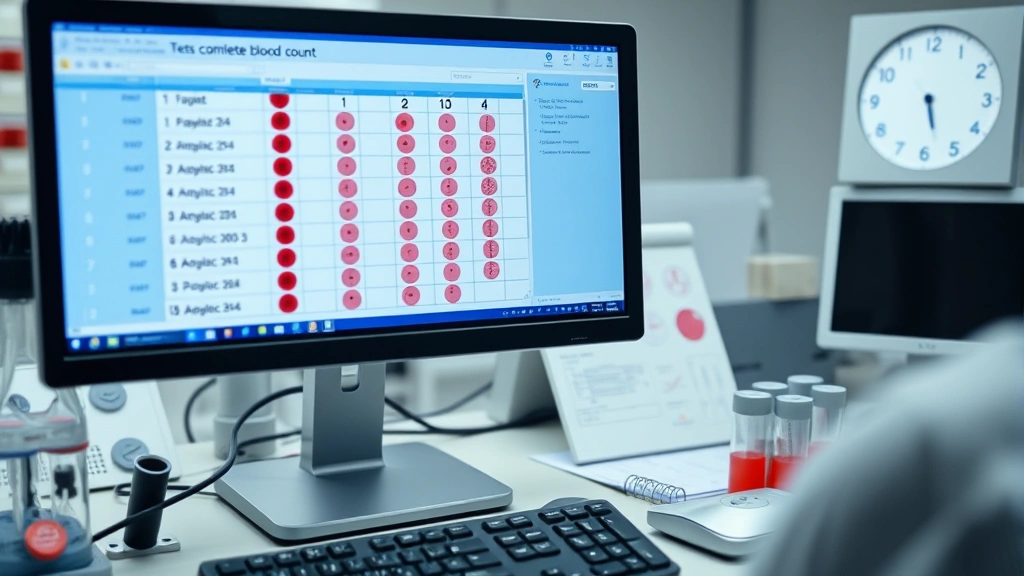
Your vet won’t just guess—they’ll run a complete blood count (CBC) to check red blood cell levels. If anemia shows up, they’ll want to know why. This usually means imaging (ultrasound or X-rays) to look for tumors, plus possibly bone marrow biopsy if they suspect leukemia or myeloma.
They might also check for evidence of bleeding, run chemistry panels to assess organ function, and possibly do a coagulation profile. Some cancers affect clotting ability, which makes the anemia worse. It’s detective work, basically.
The good news? Early detection gives your dog the best shot. If you notice your pup getting pale, lethargic, or just generally off, don’t wait around. Get them checked out. Pale gums, rapid breathing, and weakness are red flags that need immediate attention.
Treatment Options for Cancer-Related Anemia
Treatment depends entirely on the cancer type, stage, and your dog’s overall health. For some cancers like hemangiosarcoma, surgery might remove the tumor but won’t cure the cancer completely. Chemotherapy can help with lymphoma and other cancers, though it’s not a miracle cure.

Blood transfusions can help manage severe anemia while you’re dealing with the underlying cancer. Your vet might also recommend iron supplements, dietary changes, or medications to boost red blood cell production. Nutrition matters too—make sure your dog is eating well. Salmon is good for dogs and provides omega-3s that support overall health during cancer treatment.
Some vets recommend supportive care focused on quality of life rather than aggressive treatment, especially for older dogs or advanced cancers. It’s a personal decision, but discussing all options with your vet is crucial. Natural Balance dog food can be part of nutritional support during treatment, though your vet should guide dietary choices during cancer therapy.
Prevention and Early Detection Strategies
You can’t prevent cancer, unfortunately, but you can catch it early. Regular vet checkups—especially for older dogs—help catch problems before they become critical. Watch for behavioral changes, pale gums, lethargy, or unusual bleeding.
Keep your dog at a healthy weight, provide good nutrition, and minimize exposure to known carcinogens. Some breeds are predisposed to certain cancers, so knowing your dog’s genetics helps. Merrick dog food offers quality ingredients that support overall wellness, though cancer prevention isn’t guaranteed by diet alone.
Don’t ignore subtle signs. If your dog seems off for more than a few days, get them checked. Anemia doesn’t appear overnight—there’s usually something causing it. Catching cancer early can mean the difference between months and years of quality time with your pup.
Frequently Asked Questions
Can anemia in dogs always be traced back to cancer?
Nope! Anemia has lots of causes—nutritional deficiencies, parasites, bleeding disorders, kidney disease, and autoimmune conditions can all cause it. That’s why your vet needs to do proper diagnostics. Cancer is serious, but it’s not the only possibility.
How long can a dog live with cancer-related anemia?
It varies wildly depending on the cancer type, stage at diagnosis, and treatment. Some dogs live months, others live years. Hemangiosarcoma is typically more aggressive than lymphoma. Your vet can give you a better prognosis once they know what they’re dealing with.
Are certain dog breeds more prone to cancer-related anemia?
Yes, larger breeds seem to get more cancers overall, and certain breeds have predispositions. Golden Retrievers, German Shepherds, and Labs have higher rates of hemangiosarcoma. Boxer dogs are prone to mast cell tumors. Knowing your breed’s risks helps with monitoring.
Is chemotherapy effective for cancer-related anemia in dogs?
Chemotherapy can help control the cancer, which might improve anemia. It won’t cure the anemia directly, but by shrinking the tumor, it reduces bleeding and improves bone marrow function. Success rates depend on cancer type and stage.
What should I feed a dog with cancer-related anemia?
High-quality protein and iron-rich foods help. Work with your vet on a nutrition plan—they might recommend prescription diets designed for cancer patients. Avoid anything that stresses the digestive system. Your dog needs calories and nutrients to fight the disease.
Can I tell if my dog has cancer just by looking at them?
Sometimes you’ll notice pale gums, lethargy, weight loss, or lumps. But many cancers hide inside where you can’t see them. That’s why regular vet checkups matter. Don’t rely on visual inspection alone—blood work and imaging catch things before they become emergencies.
Summary: What You Need to Know
Cancer causes anemia in dogs through different mechanisms depending on the type. Hemangiosarcoma causes bleeding, lymphoma affects bone marrow, leukemia crowds out healthy cells, and splenic tumors can rupture catastrophically. Early detection gives your dog the best chance at treatment and quality of life.
Watch for pale gums, lethargy, weakness, or unusual bleeding. Get your dog checked regularly, especially as they age. Discuss treatment options with your vet—sometimes aggressive treatment works, sometimes comfort care is the right call. Whatever you choose, knowing what kind of cancer causes anemia in dogs helps you advocate for your pup and make informed decisions about their care.
Your dog depends on you to catch problems early and act fast. Trust your instincts, don’t ignore symptoms, and work closely with your veterinary team. That’s how you give your best friend the fighting chance they deserve.





