
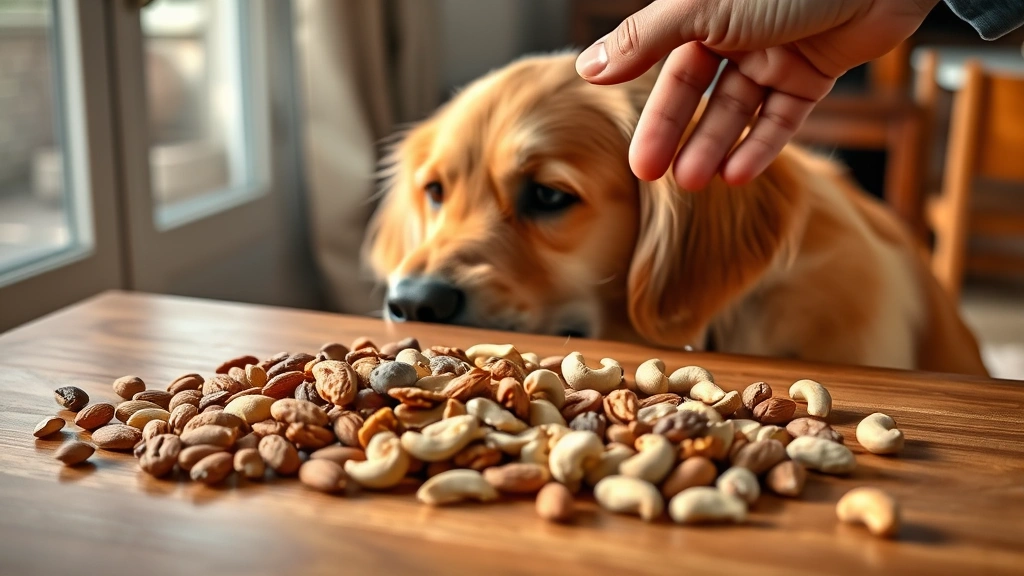
So you’re sitting on the couch with a handful of almonds, your dog gives you those irresistible puppy dog eyes, and you wonder: what kind of nuts can dogs eat? Before you toss Fido a snack, pump the brakes! Not all nuts are created equal when it comes to our furry friends, and some can be downright dangerous. Let’s crack into this nutty topic and figure out which ones are safe and which ones belong nowhere near your pup’s bowl.
Table of Contents
- The Nut Safety Spectrum: What You Need to Know
- Safe Nuts Dogs Can Eat (In Moderation)
- The Toxic Nut Blacklist: Never Feed These to Your Dog
- Why Nuts Are Generally a Bad Idea for Dogs
- Safe Nut Butter Alternatives for Dogs
- What to Do If Your Dog Eats a Toxic Nut
- Healthy Treat Alternatives to Nuts
- Reading Labels: Hidden Nut Ingredients
- Breed-Specific Considerations
- The Bottom Line on Canine Nut Consumption
- Frequently Asked Questions
The Nut Safety Spectrum: What You Need to Know
The truth is, most nuts aren’t ideal for dogs, even the “safe” ones. Dogs have different digestive systems than humans, and what’s a healthy snack for you might cause problems for your four-legged companion. The challenge with nuts is that they’re high in fat and calories, which can lead to pancreatitis in dogs—a serious inflammation of the pancreas. Additionally, many nuts have shells that pose choking hazards, and some contain compounds that are genuinely toxic to canines.
Before we dive into specifics, understand that moderation is key. Even “safe” nuts should only be occasional treats, not dietary staples. Your vet should always be your first consultation before introducing any new food to your dog’s diet.
Safe Nuts Dogs Can Eat (In Moderation)
Yes, there are actually a few nuts that won’t send you running to the emergency vet. However, “safe” doesn’t mean “give them handfuls daily.” Think of these as rare treats, like when your dog does something exceptionally good.
Peanuts are technically legumes, not true nuts, and they’re generally safe for dogs in small quantities—as long as they’re unsalted and unsweetened. Many peanut butters are dog-friendly, making them a popular treat option. Just check the label for xylitol, a sweetener that’s toxic to dogs.
Cashews can be given occasionally in small amounts, but they’re high in fat and calories. One or two plain cashews won’t hurt your dog, but they shouldn’t become a regular snack.
Macadamia nuts are… wait, no. Skip this section. Macadamia nuts are toxic to dogs and should never be given to them under any circumstances.
The Toxic Nut Blacklist: Never Feed These to Your Dog
Some nuts are absolute no-nos for dogs. These aren’t “maybe if you’re careful” situations—they’re “keep them locked in a cabinet” situations.
Macadamia nuts top the danger list. Even small amounts can cause weakness, vomiting, tremors, and hyperthermia in dogs. The toxic compound in macadamia nuts affects the nervous and muscular systems, and there’s no antidote. If your dog eats macadamia nuts, contact poison control immediately.
Walnuts are problematic for multiple reasons. They contain a toxin called juglone and are susceptible to a mold called aflatoxin, both of which can harm dogs. Black walnuts are especially dangerous. Even moldy walnuts from your backyard can cause serious issues.
Pecans fall into a similar category as walnuts. They can contain aflatoxins and tremorgenic toxins that cause muscle tremors and neurological issues in dogs.
Hickory nuts contain tremorgenic toxins that can cause tremors and seizures in dogs. They’re not worth the risk.
Pistachios are high in fat and often come salted, which isn’t ideal for dogs. Plus, the shells are a choking hazard, and some pistachios can be contaminated with aflatoxins.
Why Nuts Are Generally a Bad Idea for Dogs
Beyond the specific toxic varieties, nuts in general present several problems for dogs. First, there’s the fat content. Nuts are calorie-dense and high in fat, which can contribute to obesity and pancreatitis—a painful and potentially life-threatening condition. A single ounce of nuts can contain 150+ calories, which is substantial for a medium-sized dog whose entire daily caloric needs might be 1000-1500 calories.
Second, there’s the choking hazard. Dogs don’t always chew thoroughly before swallowing, and nut shells or whole nuts can lodge in their throats or digestive tract. Emergency surgeries for foreign body obstructions are expensive and stressful for everyone involved.
Third, many nuts are processed with salt and seasonings that dogs shouldn’t consume. Excessive salt can lead to sodium ion poisoning, and certain seasonings like garlic powder can be toxic.
Finally, storage matters. Nuts stored in damp conditions can develop molds that produce aflatoxins, a carcinogenic compound that’s dangerous for dogs (and humans, for that matter).
Safe Nut Butter Alternatives for Dogs
If you want to give your dog a nut butter treat, peanut butter is your safest bet—but with caveats. Always choose unsalted, unsweetened peanut butter without xylitol. Many commercial peanut butters are loaded with added sugars and salt, which aren’t good for dogs.
A better alternative might be exploring other treat options entirely. Scrambled eggs are a nutritious dog treat that provides protein without the fat and choking hazards of nuts. You can also consider dog-safe fruits like mango for a refreshing snack.
What to Do If Your Dog Eats a Toxic Nut
If your dog has gotten into your nut stash, don’t panic—but do act quickly. First, identify what type of nut they ate and how much. Call your veterinarian or the ASPCA Animal Poison Control Center (888-426-4435) immediately. Have information ready: your dog’s weight, the type of nut, the quantity consumed, and when it happened.
Symptoms of nut toxicity can include vomiting, diarrhea, lethargy, tremors, seizures, or difficulty breathing. Don’t wait for symptoms to appear—call your vet immediately if you suspect nut ingestion. Some conditions, like macadamia nut toxicity, can develop within 6-12 hours.
Your vet may induce vomiting if the ingestion was recent, or they might recommend activated charcoal to absorb toxins. In severe cases, supportive care and monitoring might be necessary.
Healthy Treat Alternatives to Nuts
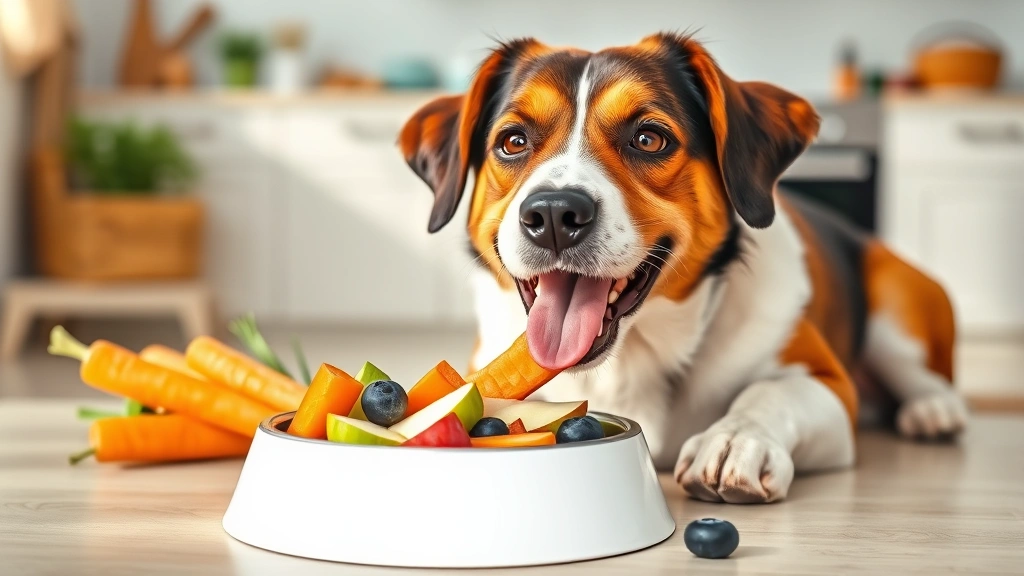
Your dog doesn’t need nuts to be happy. There are plenty of nutritious alternatives that are safer and often more beneficial. Goat’s milk offers probiotics and nutrients without the nut risks. You can also offer:
- Plain, cooked chicken or turkey
- Carrots (great for teeth cleaning)
- Apples (without seeds)
- Blueberries
- Green beans
- Plain pumpkin
- Sweet potato
- Plain yogurt (unsweetened, without xylitol)
These alternatives provide nutritional value, satisfy your dog’s desire for treats, and don’t carry the risks associated with nuts.
Reading Labels: Hidden Nut Ingredients
Be vigilant about reading ingredient labels on dog treats and foods. Some commercial dog treats contain nuts or nut byproducts that might not be immediately obvious. Terms like “natural flavoring” can sometimes mask nut ingredients. If you’re unsure, contact the manufacturer or ask your veterinarian.
This is especially important for dogs with nut allergies, which while rare, do exist. If your dog has a known allergy or sensitivity, be extra cautious about cross-contamination in your kitchen.
Breed-Specific Considerations
While nut toxicity affects all dogs, some breeds are more susceptible to pancreatitis than others. Miniature Schnauzers, Dachshunds, and Cocker Spaniels are genetically predisposed to this condition, making high-fat treats like nuts especially risky. If your dog is a breed prone to pancreatitis, avoid nuts entirely, even the “safe” ones.
Additionally, smaller dogs are at greater risk from choking hazards. A macadamia nut that might cause toxicity issues in a large dog could also be a choking hazard for a Chihuahua.
The Bottom Line on Canine Nut Consumption
So, what kind of nuts can dogs eat? Technically, only peanuts and cashews in very small, occasional amounts—and even then, only if they’re unsalted and unsweetened. But honestly? Your dog will be happier and healthier if you skip nuts altogether and opt for safer treat alternatives.
The risk-to-reward ratio simply isn’t worth it. Your dog doesn’t know what they’re missing, and there are so many better options that provide nutrition without the potential for serious harm. When in doubt, stick to whole foods like chicken, carrots, or apples, and always consult your veterinarian before introducing new foods to your dog’s diet.
Remember, every dog is unique, and what’s safe for one might not be ideal for another. Your vet knows your dog’s health history, dietary needs, and any predispositions to conditions like pancreatitis. They’re your best resource for determining what treats are appropriate for your specific pup.
Frequently Asked Questions
Can dogs eat almonds?
Almonds aren’t technically toxic to dogs, but they’re not recommended. They’re high in fat, can be a choking hazard (especially for smaller dogs), and offer no nutritional benefit that your dog can’t get elsewhere. The shell is particularly problematic. If your dog accidentally eats one almond, they’ll likely be fine, but don’t make it a habit.
Is peanut butter safe for dogs?
Plain, unsalted peanut butter without xylitol is generally safe for dogs in small amounts. However, it’s high in fat and calories, so it should be an occasional treat. Many commercial peanut butters contain added sugars, salt, or xylitol (a sweetener toxic to dogs), so always check the label. Some pet owners use peanut butter to hide medications or stuff in Kong toys, which is fine as long as you’re using the right kind.
What should I do if my dog eats macadamia nuts?
Contact your veterinarian or the ASPCA Animal Poison Control Center (888-426-4435) immediately. Macadamia nuts are toxic to dogs, and symptoms can develop within 6-12 hours. Don’t wait to see if your dog shows symptoms—seek professional help right away. Your vet may induce vomiting or recommend other treatments depending on how much your dog ate and how long ago.
Are walnuts poisonous to dogs?
Yes, walnuts can be toxic to dogs due to juglone and potential aflatoxin contamination. Black walnuts are especially dangerous. Additionally, moldy walnuts from your yard are particularly hazardous. Keep walnut trees and fallen walnuts away from your dog, and be especially cautious during fall when walnuts drop.
Can dogs have pecans?
Pecans aren’t recommended for dogs. They can contain tremorgenic toxins that cause muscle tremors and neurological issues, and they’re also susceptible to aflatoxin contamination. They’re high in fat and pose a choking hazard. It’s best to keep pecans away from your dog entirely.
What are the best nut-free treats for dogs?
Great alternatives include plain cooked chicken, carrots, apples (without seeds), blueberries, green beans, plain pumpkin, and sweet potato. You can also offer plain yogurt (without xylitol) or explore commercial dog treats specifically formulated for canine nutrition. These options are safer and often more nutritious than nuts.





