
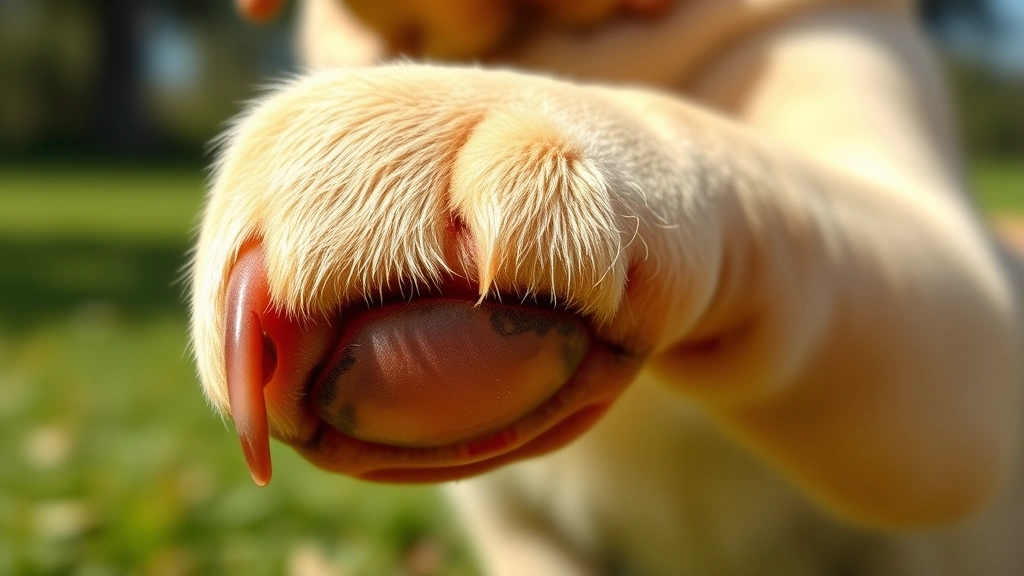
If you’ve ever wondered what kinds of dogs have webbed feet, you’re about to discover a fascinating world of water-loving pups that are basically nature’s answer to flippers. These aren’t mythical creatures—they’re real dogs with actual webbing between their toes, perfectly designed for swimming and water work. Whether you’re a dog enthusiast, a potential pet owner, or just someone who loves weird dog facts to drop at parties, this guide covers everything you need to know about these aquatic canines.
Table of Contents
- Understanding Webbed Feet in Dogs
- Retriever Breeds: The Classic Web-Footed Champions
- Portuguese Water Dogs and Water-Working Breeds
- Lesser-Known Webbed Foot Breeds
- Hunting and Sporting Dogs with Webbed Feet
- Why Webbed Feet Matter for Dog Health and Activity
- Training and Exercise for Webbed-Foot Breeds
- Webbed Feet and Swimming Performance
- Grooming and Care for Webbed-Foot Dogs
- Webbed Feet Across Different Dog Sizes
- Choosing a Webbed-Foot Breed: What to Consider
- Frequently Asked Questions
- Summary: The Complete Picture of Webbed-Foot Dogs
Understanding Webbed Feet in Dogs
Webbed feet in dogs aren’t some rare genetic mutation. They’re an intentional evolutionary feature bred into specific dog breeds over centuries. The webbing—called interdigital membrane—connects the toes and provides extra surface area for propulsion through water. Think of it as nature’s wetsuit for your dog’s paws. Dogs with webbed feet typically have thicker, more flexible skin between their toes that helps them paddle more efficiently. This trait is particularly common in breeds originally developed for water retrieval, duck hunting, and water rescue work.
Retriever Breeds: The Classic Web-Footed Champions
Let’s start with the obvious: retrievers. Labrador Retrievers, Golden Retrievers, and Chesapeake Bay Retrievers are the poster children for webbed feet. These breeds were literally designed to retrieve waterfowl, so webbed feet are practically a job requirement. Labradors, in particular, have substantial webbing that makes them exceptional swimmers. Golden Retrievers share this trait and are equally at home in the water. Chesapeake Bay Retrievers take it even further with oily, dense coats that repel water while their webbed feet propel them through frigid bay waters. If you’re looking for a swimming buddy, these breeds should be at the top of your list.
Portuguese Water Dogs and Water-Working Breeds
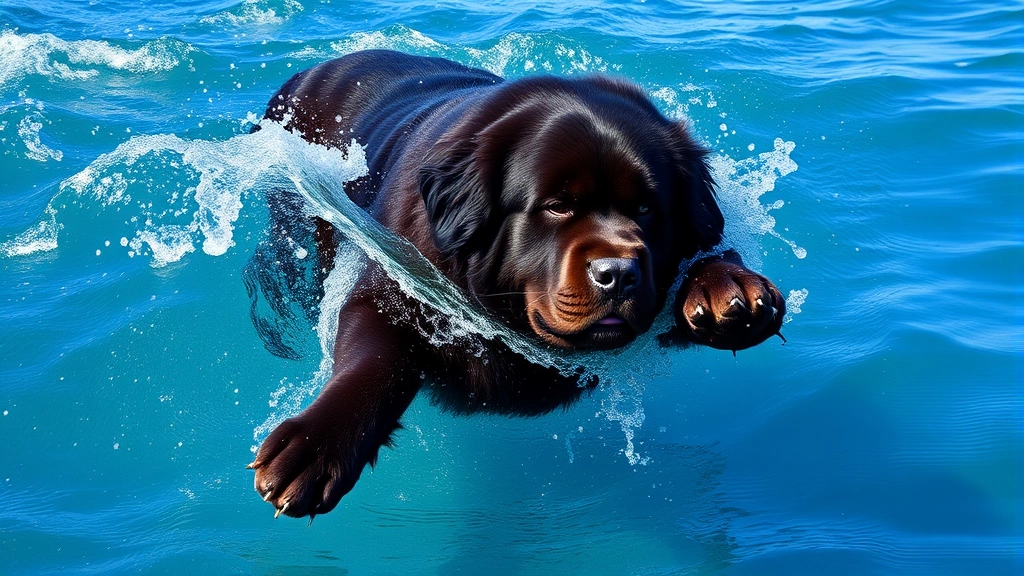
Portuguese Water Dogs are another excellent example of web-footed excellence. These medium-sized, curly-haired swimmers were bred to help fishermen in Portugal—literally herding fish into nets. Their webbed feet, combined with their muscular build and love for water, make them tireless aquatic workers. Newfoundlands are another heavyweight contender in the webbed-foot department. These gentle giants have substantial webbing and were originally bred as water rescue dogs. Their massive paws with webbed toes make them powerful swimmers capable of rescuing drowning people. Spanish Water Dogs also sport webbed feet and share similar water-working heritage with their Portuguese cousins.
Lesser-Known Webbed Foot Breeds
Beyond the obvious water dogs, several other breeds have webbed feet that might surprise you. The Louisiana Catahoula Leopard Dog has webbed feet despite being primarily a land-based hunting dog. These unique Louisiana natives were bred to hunt wild boar and herd cattle, but their webbed feet help them navigate swamps and water obstacles. Brittany Spaniels have some webbing, though less pronounced than retrievers. Weimaraners, often called “gray ghosts,” have webbed feet that support their hunting prowess in wetland environments. Even some pit bull type dogs can display webbing, though it’s not a breed-standard characteristic. The Mountain Cur Dog, a versatile hunting breed, also exhibits webbed feet suited for traversing difficult terrain and water.
Hunting and Sporting Dogs with Webbed Feet
Many hunting and sporting breeds developed webbed feet as a practical adaptation. Pointers and setters often have some degree of webbing, particularly those lines bred for water work. Cocker Spaniels, bred as hunting dogs, have modest webbing between their toes. Irish Water Spaniels are perhaps the most water-oriented spaniel breed and possess significant webbing. These dogs were developed specifically for retrieving game from water, and their webbed feet are essential to their job description. Even some German Shorthaired Pointers show webbing, particularly in lines bred for water retrieval work.

Why Webbed Feet Matter for Dog Health and Activity
Understanding which dogs have webbed feet helps you make informed decisions about breed selection and care. Dogs with webbed feet are naturally inclined toward water activities and typically require regular swimming or water-based exercise to stay mentally and physically stimulated. If you own one of these breeds, providing access to water isn’t just a luxury—it’s part of meeting their breed-specific needs. However, webbed feet also require special attention during grooming. The webbing can trap moisture and debris, potentially leading to infections if not properly dried and cleaned after water activities. Regular inspection between the toes is essential for preventing fungal or bacterial growth.
Training and Exercise for Webbed-Foot Breeds
Webbed-foot dogs aren’t just built for water—they’re often obsessed with it. If you’re considering adopting one of these breeds, be prepared for a dog that will seek out any body of water: puddles, ponds, pools, or lakes. This isn’t misbehavior; it’s genetic programming. The best approach is channeling this instinct productively through swimming, dock diving, water retrieval games, or water sports like Splash Dogs competitions. These activities provide excellent exercise while satisfying their natural inclinations. Many webbed-foot breeds excel in water-based dog sports and can compete at high levels. Training should start early, especially if you want to manage their enthusiasm around water.
Webbed Feet and Swimming Performance
The correlation between webbed feet and swimming ability is direct and measurable. Dogs with webbed feet can generate more propulsion with each stroke, allowing them to swim faster and longer than breeds without webbing. This translates to better endurance in water and superior performance in rescue situations. Newfoundlands, for instance, have been documented saving multiple people from water because their webbed feet and powerful build make them exceptional swimmers. Portuguese Water Dogs can maintain swimming for extended periods, making them ideal for working alongside fishermen. If you need a dog for water-based activities or live near water, webbed-foot breeds offer significant advantages in terms of aquatic capability and safety.
Grooming and Care for Webbed-Foot Dogs
Proper grooming of webbed feet requires attention most dog owners don’t initially consider. After water activities, thoroughly dry between the toes to prevent moisture-related issues. During regular grooming sessions, check for redness, odor, or discharge between the toes—signs of infection. Trim hair around and between the webbed areas to improve air circulation and reduce moisture retention. Some owners find that regular paw soaks in diluted apple cider vinegar help maintain healthy skin between the toes. If your dog spends significant time in chlorinated pools, consider rinsing their paws thoroughly afterward to remove chemical residue that could irritate the skin.
Webbed Feet Across Different Dog Sizes
Webbed feet appear in dogs of all sizes. Large breeds like Newfoundlands and Chesapeake Bay Retrievers have massive webbed paws that are visibly impressive. Medium-sized breeds like Portuguese Water Dogs and Mexican dog breeds like the Xoloitzcuintli sometimes show webbing despite their smaller stature. Even some smaller spaniel breeds display modest webbing. The size of the dog doesn’t necessarily correlate with the extent of webbing—some smaller breeds have more pronounced webbing than larger ones, depending on their breeding history and intended purpose.
Choosing a Webbed-Foot Breed: What to Consider
If you’re attracted to webbed-foot breeds, consider your lifestyle carefully. These dogs need access to water and regular swimming opportunities. They’re not ideal for people living in arid climates or those without regular access to safe swimming areas. Webbed-foot breeds also tend to be high-energy and require substantial exercise. They’re not low maintenance dogs—they demand active, engaged owners willing to meet their physical and mental needs. Many webbed-foot breeds are also prone to ear infections due to their love of water and floppy ears, requiring diligent ear cleaning and monitoring. Before committing to one of these breeds, honestly assess whether your lifestyle can accommodate their water-loving nature.
Frequently Asked Questions
Do all dogs have webbed feet?
No, webbed feet are specific to certain breeds. While all dogs have some skin between their toes, true webbing—the interdigital membrane—is most pronounced in water-loving breeds like retrievers, water spaniels, and Newfoundlands. Breeds not developed for water work typically have minimal or no webbing.
Can dogs with webbed feet get infections between their toes?
Yes, webbed feet require extra care. The webbing traps moisture, creating an environment where fungal and bacterial infections can develop. Regular drying after water exposure, routine grooming, and inspection between toes helps prevent infections. If you notice redness, swelling, or odor, consult your veterinarian.
Are webbed-foot dogs better swimmers than other dogs?
Absolutely. Webbed feet provide additional surface area for propulsion, allowing these dogs to swim faster, more efficiently, and for longer periods. Combined with their breeding for water work, webbed-foot dogs are significantly superior swimmers compared to breeds without webbing.
Can I teach a non-webbed-foot dog to swim?
Yes, any healthy dog can learn to swim with proper training and patience. However, they won’t have the natural advantages of webbed-foot breeds. Always use life jackets for non-webbed breeds in water, and supervise closely during swimming activities.
What’s the difference between webbed feet and dewclaws?
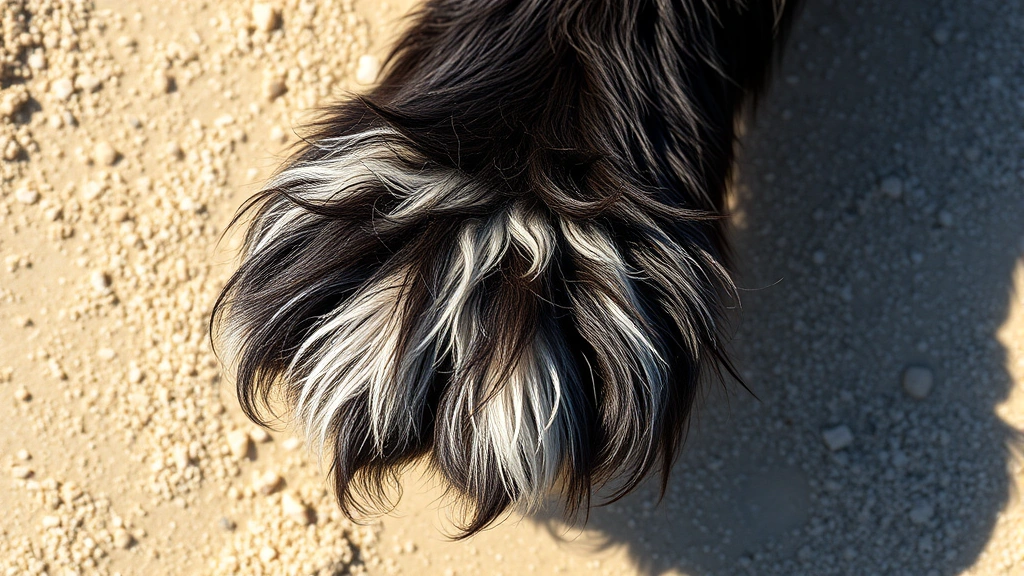
Webbed feet refer to the membrane connecting the main toes, while dewclaws are small toes on the inner side of the leg. Webbed feet aid swimming; dewclaws are vestigial and serve no swimming function. Some dogs have both features.
Do webbed-foot dogs require special shoes or protection?
Generally, no. Webbed feet are naturally tough and don’t require special protection. However, in extreme conditions (very hot pavement, ice, sharp terrain), booties can protect any dog’s paws. Regular grooming and inspection are more important than special footwear.
Summary: The Complete Picture of Webbed-Foot Dogs
Dogs with webbed feet represent a fascinating intersection of form and function in canine breeding. From the iconic Labrador Retriever to the lesser-known Louisiana Catahoula, these breeds carry genetic traits refined over centuries for water work and hunting. Understanding what kinds of dogs have webbed feet helps you appreciate the intentionality behind breed development and make informed decisions if you’re considering adopting one. These dogs aren’t just novelties—they’re purposefully designed athletes with specific needs and abilities. Whether you’re drawn to them for their swimming prowess, their work ethic, or simply their unique anatomy, webbed-foot dogs offer a special connection to water and nature. If you can provide the exercise, care, and water access these breeds need, they’ll reward you with loyalty, enthusiasm, and countless adventures. For more information about specific breeds, check out resources from the American Kennel Club (AKC), consult PetMD for health information, and consider reaching out to breed-specific rescue organizations. Your perfect webbed-foot companion might be waiting!





