

So your pup is limping around like they just lost a bar fight, and you’re frantically Googling “what pain medicine can I give my dog” at 2 AM. Don’t worry—you’re not alone. Dog pain is real, and honestly, watching your furry best friend suffer is basically a crime against humanity. The good news? There are legit, vet-approved options that can get your dog feeling better without turning them into a zombie or breaking the bank.
Table of Contents
- Understanding Canine Pain: Why Your Dog Hurts
- NSAIDs: The Most Common Canine Pain Relief
- Opioids: When You Need the Heavy Artillery
- Corticosteroids: The Anti-Inflammatory Option
- Topical and Injectable Options
- Muscle Relaxants and Complementary Therapies
- What NOT to Give Your Dog (Seriously, Don’t)
- Dosing and Administration: Getting It Right
- Monitoring Your Dog on Pain Medication
- Cost Considerations and Insurance
- When to Call the Vet (Emergency Edition)
- Frequently Asked Questions
- The Bottom Line: Getting Your Dog Pain Relief
Before we dive into the pharmaceutical hall of fame, let’s be clear: always talk to your vet first. I know, I know—it’s tempting to raid the medicine cabinet and play veterinary roulette, but that’s how dogs end up with worse problems than they started with. Your vet knows your dog’s medical history, weight, and whether they’ve got any sneaky health conditions lurking in the background.
Understanding Canine Pain: Why Your Dog Hurts
Dogs experience pain from arthritis, surgery, injuries, cancer, and a bunch of other unfortunate situations. The tricky part? Dogs can’t tell you exactly where it hurts or rate their pain on a scale of 1-10. Instead, they limp, whimper, avoid movement, or act grumpy. Some dogs hide their pain like they’re tough guys in an action movie, which makes it even harder to catch.
Pain management for dogs isn’t just about making them comfortable—it actually helps them heal faster and maintain their quality of life. A dog in pain doesn’t want to play, exercise, or be their normal goofy selves. So finding the right dog pain medication is genuinely important for their wellbeing.
NSAIDs: The Most Common Canine Pain Relief
NSAIDs (Non-Steroidal Anti-Inflammatory Drugs) are basically the bread and butter of dog pain management. They reduce inflammation and pain simultaneously, which is why vets love them. Unlike human NSAIDs like ibuprofen (which can absolutely wreck a dog’s stomach), veterinary NSAIDs are formulated specifically for our four-legged friends.
Carprofen (Rimadyl) is probably the most prescribed NSAID for dogs. It’s used for everything from post-surgery pain to chronic arthritis. Dogs usually tolerate it well, though some get a bit of stomach upset. The best part? It comes in chewable tablets that most dogs will actually eat without you having to wrestle them like you’re in a UFC match.
Meloxicam (Metacam) is another popular choice, especially for older dogs with arthritis. It’s a longer-acting NSAID, meaning fewer doses per day. Some vets prefer it because it’s gentler on the stomach than some other options. It comes in liquid form, which is clutch if you’ve got a dog who refuses pills.
Deracoxib (Deramaxx) is the new kid on the block relatively speaking, and it’s specifically designed for canine pain. It’s highly selective, meaning it targets pain and inflammation without causing as much collateral damage to the stomach lining. It’s pricier than some alternatives, but if your dog’s got a sensitive tummy, it might be worth the investment.
The downside to NSAIDs? Long-term use can cause stomach ulcers, kidney issues, or liver problems in some dogs. This is why your vet will probably want to run bloodwork before starting your dog on NSAIDs, especially if they’re older or have existing health conditions.
Opioids: When You Need the Heavy Artillery
For severe pain—think post-surgery or advanced cancer—opioids are sometimes the answer. These are the serious pain-fighting drugs that actually work on the brain’s pain receptors. Tramadol is commonly prescribed for moderate to severe pain in dogs. It’s an opioid-like medication that’s less addictive than traditional opioids but still packs a punch.
The catch? Opioids can make dogs drowsy, constipated, or a little loopy. Some dogs get the munchies, others get the opposite. You might notice your dog acting a bit spacey, which is totally normal and usually temporary. Opioids are typically prescribed short-term because long-term use can lead to dependency and tolerance (meaning you need higher doses to get the same effect).
Gabapentin isn’t technically an opioid, but it’s often used alongside opioids or NSAIDs for nerve pain and chronic pain conditions. It’s especially useful for dogs with arthritis or neuropathic pain. The side effect profile is pretty gentle—mainly just drowsiness and occasional lack of coordination.

Corticosteroids: The Anti-Inflammatory Option
Corticosteroids like prednisone can reduce inflammation and pain, but they’re usually not the first-line treatment for regular pain. They’re more commonly used for inflammatory conditions, allergies, or immune-mediated diseases. The reason vets are cautious with steroids? Long-term use can cause serious side effects like increased thirst, urination, appetite, and potential immune suppression.
That said, short-term steroid use for acute inflammation can be incredibly helpful. Your vet might recommend a steroid burst for a few days to a couple weeks, especially if your dog’s pain is tied to inflammation rather than structural damage.
Topical and Injectable Options
Not all pain medicine comes in pill form. Adequan is an injectable medication that helps protect and repair joint cartilage. It’s fantastic for dogs with arthritis because it actually addresses the underlying problem rather than just masking the pain. You’ll need vet visits for injections, but many dogs see improvement within a few weeks.
There are also topical pain relief options, though they’re less commonly used in veterinary medicine than in human medicine. Some vets recommend topical NSAIDs or even CBD products (though the science on CBD for dogs is still developing).
Muscle Relaxants and Complementary Therapies
Sometimes pain is tied to muscle tension or spasms. Methocarbamol for dogs is a muscle relaxant that can help with this type of pain. It’s often used alongside NSAIDs for conditions like intervertebral disc disease or muscle strains. Dogs usually tolerate it well, though it can cause drowsiness.
Beyond medication, your vet might recommend physical therapy, acupuncture, massage, or weight management to help manage your dog’s pain. A low fat dog food for pancreatitis or specialized kidney diet for dogs might be necessary if your dog has underlying conditions affecting their pain levels. If your dog seems unusually tired, check out our guide on lethargic dog causes and solutions.
What NOT to Give Your Dog (Seriously, Don’t)
This is the PSA moment: Do not give your dog human pain medication. Ibuprofen (Advil, Motrin), naproxen (Aleve), and acetaminophen (Tylenol) are toxic to dogs. Even small doses can cause stomach ulcers, kidney failure, or liver damage. Aspirin is sometimes used in dogs under vet supervision, but it’s not ideal for long-term pain management.
Also avoid giving your dog any medication without vet approval, even if it helped another dog you know. Every dog is different, and what works for one might be dangerous for another.
Dosing and Administration: Getting It Right
Your vet will determine the correct dose based on your dog’s weight, age, and health status. This is crucial—too little won’t help, too much can cause serious side effects. Always follow the prescription exactly. If you miss a dose, don’t double up the next time; just give the next dose as scheduled.
Some dogs are total pros at taking pills, while others would rather eat a shoe. If your dog refuses medication, talk to your vet about alternatives like liquid formulations or hiding pills in food (though some medications need to be taken on an empty stomach).
Monitoring Your Dog on Pain Medication
Once your dog starts pain medication, keep an eye out for side effects. Stomach upset, vomiting, diarrhea, lethargy, or behavioral changes should be reported to your vet. Most side effects are mild and temporary, but some warrant adjusting the medication or dosage.
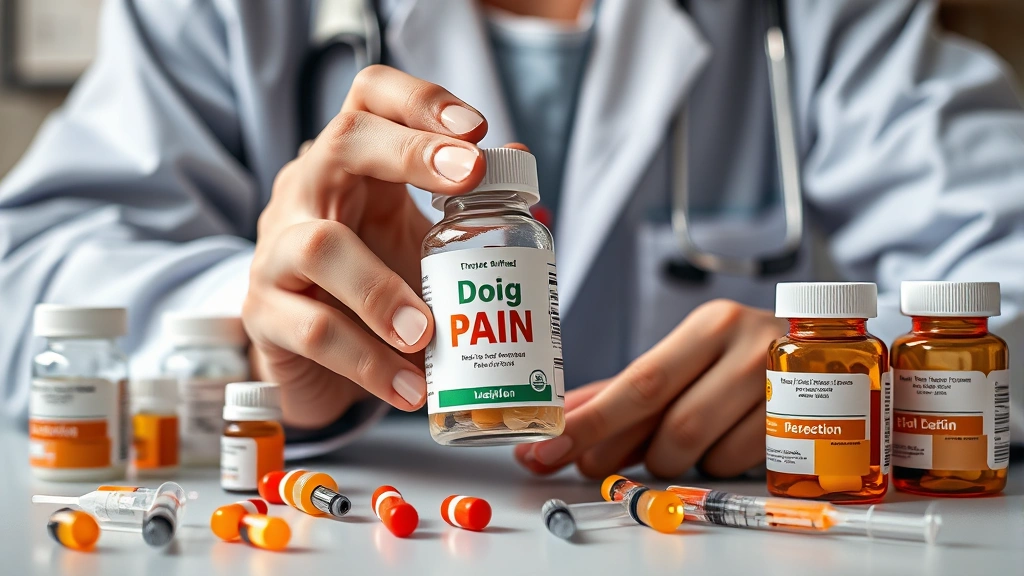
Your vet might want to recheck your dog periodically, especially if they’re on long-term pain medication. Bloodwork can catch potential liver or kidney issues before they become serious problems. It’s annoying and costs money, but it’s way cheaper than dealing with medication-induced organ failure.
Cost Considerations and Insurance
Dog pain medications range from super affordable to pretty pricey. Generic versions are usually cheaper than brand names and work just as well. Some pet insurance plans cover pain medication, so check your policy. If cost is a concern, talk to your vet—they might have samples, generic alternatives, or payment plans available.
When to Call the Vet (Emergency Edition)
If your dog is in severe pain, not eating, vomiting repeatedly, or showing signs of an allergic reaction (facial swelling, difficulty breathing, severe itching), get to the vet immediately. Don’t wait for business hours if your dog seems to be in crisis.
Frequently Asked Questions
Can I give my dog over-the-counter pain medicine?
Not safely. Most OTC pain medications for humans are toxic to dogs. Always use medications prescribed or recommended by your vet. Some vets might recommend specific OTC supplements like fish oil for joint health, but even that should be discussed with them first.
How long does it take for pain medication to work?
NSAIDs usually start working within 30 minutes to an hour. Opioids work similarly fast. For longer-term solutions like Adequan injections or joint supplements, you might not see improvement for several weeks. Patience is key.
Will pain medication make my dog sleepy?
Some medications do cause drowsiness, especially opioids and muscle relaxants. This usually improves as your dog’s body adjusts. If your dog is excessively sedated, contact your vet—the dose might need adjusting.
Can my dog take pain medication long-term?
Some medications are safe for long-term use (like NSAIDs with regular monitoring), while others are meant for short-term pain management (like opioids). Your vet will determine what’s appropriate for your dog’s specific situation.
What’s the best pain medicine for arthritis in dogs?
NSAIDs like carprofen or meloxicam are typically first-line treatments. Adding supplements like glucosamine, physical therapy, and weight management can also help. Some dogs benefit from Adequan injections. Your vet will recommend the best combo for your dog.
Are there natural pain relief options for dogs?
Some supplements like omega-3 fatty acids, turmeric, and glucosamine have anti-inflammatory properties. Physical therapy, acupuncture, and massage can also help. These work best alongside conventional medicine rather than replacing it.
The Bottom Line: Getting Your Dog Pain Relief
Finding the right pain medication for your dog is a partnership between you and your vet. There’s no one-size-fits-all answer because every dog is unique. What works brilliantly for one pup might not work for another. The key is working with your vet, monitoring your dog closely, and being willing to adjust the treatment plan if needed.
Your dog depends on you to advocate for their comfort and health. So if they’re in pain, don’t just hope it goes away—get them checked out and explore the legitimate pain management options available. Your dog will thank you with more tail wags, more playtime, and more of that pure joy that makes having a dog absolutely worth it.





