

So you’re wondering what smell do dogs hate? Well, buckle up because your pup’s nose is about 10,000 to 100,000 times more sensitive than yours, which means certain smells that barely register to us can absolutely send Fido running for the hills. Understanding which scents dogs despise isn’t just about knowing what to avoid—it’s actually a game-changer for training, pest control, and keeping your furry friend safe.
Table of Contents
- Why Dogs Hate Certain Smells (It’s Science, Baby!)
- Citrus: The Zesty Repellent Dogs Despise
- Vinegar and Acetic Acid: The Sour Situation
- Ammonia and Household Cleaners: Chemical Overload
- Pepper and Spicy Scents: Too Hot to Handle
- Mothballs and Naphthalene: Vintage Repellent
- Alcohol and Perfume: Nose-Burning Nightmares
- Onions and Garlic: More Than Just Smell
- Nail Polish and Acetone: Chemical Chaos
- Smoke and Tobacco: Respiratory Repellent
- Mint and Menthol: The Cooling Conundrum
- Using Dog-Repellent Scents Responsibly
- The Flip Side: Scents Dogs Actually Love
- Practical Applications for Dog Training
- Frequently Asked Questions
Why Dogs Hate Certain Smells (It’s Science, Baby!)
Dogs experience the world through their nose in ways we humans can barely comprehend. While we might enjoy a fresh lemon scent in our kitchen, your dog’s sensitive olfactory system can find it downright offensive. Their ancestors relied on smell for survival—hunting, avoiding predators, and finding mates. That genetic wiring is still hardwired into modern dogs, making them react strongly to certain odors that trigger their ancient instincts.
The key difference? Dogs don’t just smell things; they experience them in layers. A single scent molecule can tell them a story about food, danger, territory, or emotion. This is why some smells that seem harmless to us can be genuinely distressing to our four-legged friends.
Citrus: The Zesty Repellent Dogs Despise
Citrus is probably the most universally disliked scent among dogs. We’re talking lemons, limes, oranges, and grapefruits—basically anything from the citrus family makes most dogs wrinkle their noses in disgust. The culprit? A compound called limonene, which is incredibly pungent to canine noses.
Many dog owners use citrus spray as a training tool to keep dogs away from furniture or specific areas. The smell is strong enough to deter without being harmful, making it a popular choice for DIY dog repellents. Just spray some diluted lemon juice around areas you want to protect, and watch your pup steer clear. Some commercial dog repellents actually use citrus as their primary ingredient for this exact reason.
Vinegar and Acetic Acid: The Sour Situation
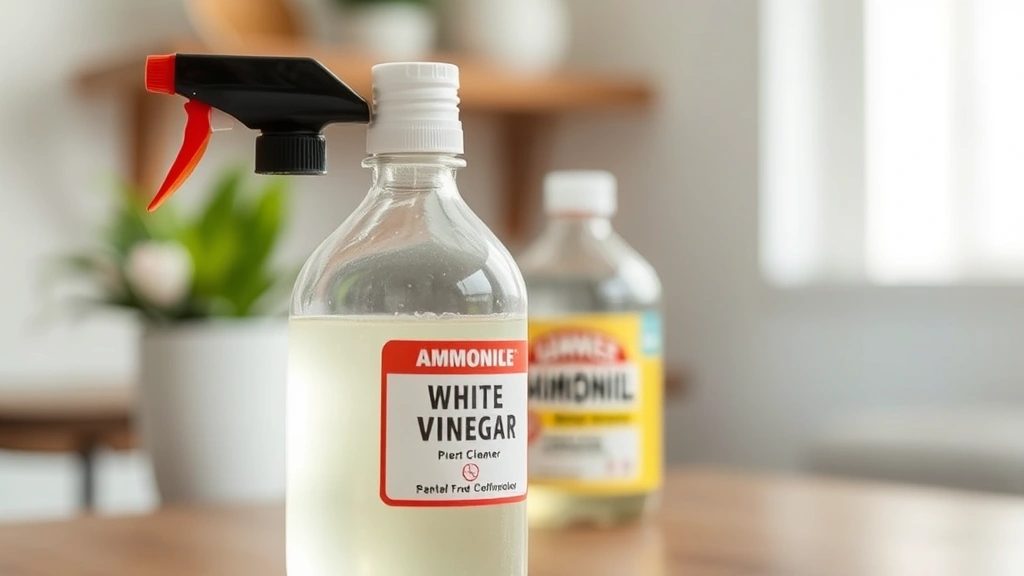
White vinegar and apple cider vinegar might be pantry staples for us, but dogs absolutely hate the pungent smell of acetic acid. It’s sharp, it’s overwhelming to their sensitive noses, and it triggers an avoidance response that’s almost instantaneous.
This makes vinegar an excellent natural deterrent for training purposes. If you’re trying to keep your dog off the couch or out of the trash, a little vinegar-soaked cloth placed strategically can work wonders. The smell is so offensive to dogs that they’ll typically avoid the area entirely. Just remember to use it safely and never spray it directly on your dog—that’s just mean!

Ammonia and Household Cleaners: Chemical Overload
Ammonia is another scent that sends dogs into avoidance mode. Many commercial cleaning products contain ammonia or similar harsh chemicals, which explains why your dog might have a complete meltdown when you’re doing a deep clean of the bathroom.
This is actually important safety information: many household cleaners are toxic to dogs anyway, and the smell alone tells them something isn’t right. If your dog is frantically trying to escape the room while you’re cleaning, that’s their nose telling them to get away from potential danger. Stick to dog-safe cleaning products whenever possible, and always ensure good ventilation when using harsh chemicals around your pets.
Pepper and Spicy Scents: Too Hot to Handle
Black pepper, cayenne, and other spicy seasonings create a burning sensation in dogs’ noses that they absolutely hate. The capsaicin in peppers irritates their sensitive nasal passages, making it an effective (though somewhat controversial) training tool.

While some trainers recommend pepper as a deterrent, it’s important to use it sparingly and never directly on your dog. A light sprinkle around areas you want to protect is one thing; making your dog’s nose burn is another. There are gentler alternatives available, but if you’re desperate to keep your pup out of the trash, a little pepper around the perimeter might do the trick.
Mothballs and Naphthalene: Vintage Repellent
Your grandmother might have used mothballs to protect her winter sweaters, but your dog would prefer she didn’t. The naphthalene in mothballs creates a smell that dogs find absolutely repulsive. Here’s the kicker: mothballs are actually toxic to dogs if ingested, so the smell is doing you a favor by keeping them away.
However, we should mention that eucalyptus and other strong herbal scents in a similar category can also be problematic. If you’re storing things with mothballs, make sure they’re in a sealed container that your dog absolutely cannot access. The combination of the smell being offensive AND the substance being toxic makes this a double-whammy of “keep away.”

Alcohol and Perfume: Nose-Burning Nightmares
The sharp, chemical smell of alcohol and heavy perfumes can be overwhelming to dogs. Whether it’s rubbing alcohol, hand sanitizer, or your signature Chanel No. 5, these scents can make your dog gag and retreat to a safe distance.
This is why some dogs lose their minds when you come home smelling like a bar or wearing a new cologne. It’s not personal—their nose is just experiencing sensory overload. If you’ve got a particularly sensitive pup, you might want to dial back the fragrance game or at least give them time to adjust when you come home smelling like a perfume counter.
Onions and Garlic: More Than Just Smell
Dogs hate the smell of onions and garlic for good reason—these foods are actually toxic to them. The sulfur compounds in these plants create a smell that dogs instinctively avoid, which is nature’s way of protecting them from poisoning.
This is one of those cases where the smell is actually a helpful warning system. If your dog is trying to avoid the area where you’re chopping garlic, they’re essentially protecting themselves. Never try to override this instinct by forcing your dog to be around these foods. Their nose knows what’s up.
Nail Polish and Acetone: Chemical Chaos
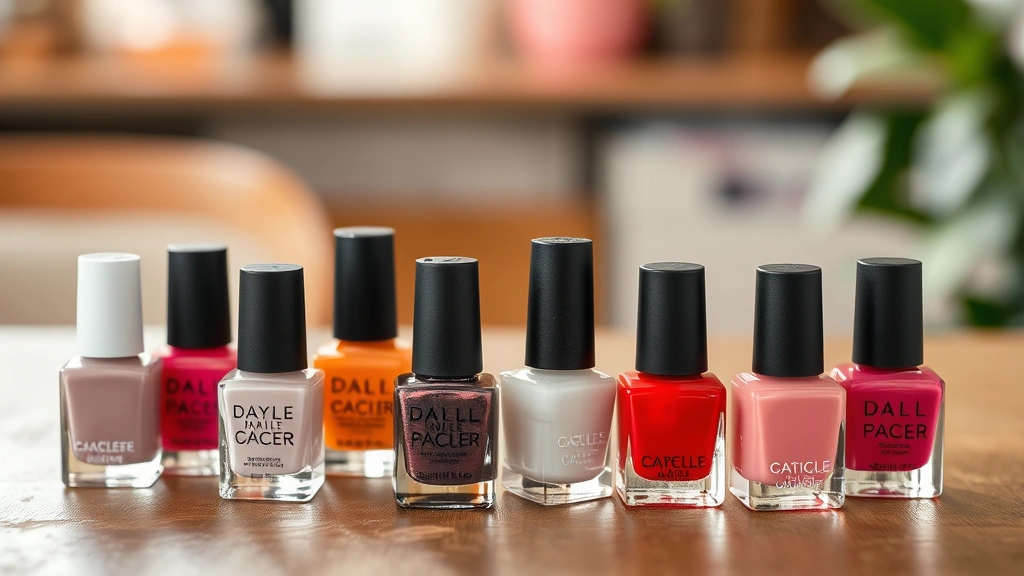
The strong, chemical smell of nail polish and acetone-based removers is another scent that makes dogs want to exit the building immediately. It’s sharp, it’s pungent, and it’s definitely not pleasant to their sensitive olfactory system.
If you’re doing your nails at home and your dog suddenly becomes clingy or anxious, it’s probably the nail polish smell freaking them out. Open a window, ventilate well, and maybe consider doing your nails when your pup is in another room or outside. This is especially important because some nail polish ingredients can be toxic if your dog ingests them.

Smoke and Tobacco: Respiratory Repellent
Cigarette smoke and tobacco products create a smell that most dogs find absolutely revolting. Beyond just hating the smell, secondhand smoke is actually harmful to dogs’ respiratory systems, so their aversion is doubly justified.
If you’re a smoker, your dog’s refusal to sit near you while you’re smoking isn’t judgment—it’s self-preservation. The smell is strong enough to irritate their sensitive nasal passages and airways. This is another case where a dog’s instinctive avoidance is actually protecting their health. Consider smoking outside, away from your pup, for both their comfort and their wellbeing.
Mint and Menthol: The Cooling Conundrum
While some dogs seem indifferent to mint, many find the strong menthol smell offensive. Peppermint oil, in particular, can be quite potent to a dog’s nose. This is why some people use mint as a natural flea repellent—the smell is strong enough to deter not just dogs, but also insects.
Interestingly, red creeping thyme and other herbal plants share some of these properties. If you’re planning a garden or using essential oils around your home, keep in mind that your dog might find these scents unpleasant or even irritating.
Using Dog-Repellent Scents Responsibly
Now that you know what smell do dogs hate, let’s talk about using this information ethically. The goal isn’t to torture your pup—it’s to create boundaries and keep them safe. When you’re using scent deterrents, you’re essentially communicating in a language your dog understands.
The most important rule? Never use these scents as punishment or in ways that could harm your dog. A light spray of citrus around the couch is training; spraying it directly in your dog’s face is abuse. There’s a big difference between creating an unpleasant environment and causing actual distress or harm.
Also remember that individual dogs have different sensitivities. What repels one dog might barely bother another. Some dogs are just tougher than others, and some have experienced enough of a particular smell that they’ve become desensitized. Pay attention to your own dog’s reactions and adjust accordingly.
The Flip Side: Scents Dogs Actually Love
For balance, it’s worth noting that just as dogs hate certain smells, they absolutely love others. Peanut butter, bacon, and other food smells make most dogs go crazy. Some dogs also love the smell of their owners’ dirty laundry or specific plants like honeysuckle (though always check safety first).
Understanding both the scents dogs love and hate gives you a complete toolkit for training, enrichment, and behavior management. You can use positive scents to reward good behavior and negative scents to discourage unwanted actions.

Practical Applications for Dog Training
So how do you actually use this information? If you’re dealing with a dog who loves to chew the furniture, try spraying a diluted citrus solution around the edges. If your pup is obsessed with the trash can, place a vinegar-soaked cloth nearby. These natural deterrents work because they’re communicating directly with your dog’s strongest sense.
For dogs that are naturally independent or stubborn, scent-based training can be especially effective. You’re not forcing compliance; you’re making certain areas genuinely unpleasant to your dog’s nose, which is a much more humane approach than punishment-based training.
Frequently Asked Questions
Is it safe to use citrus spray on dogs?
Citrus spray is generally safe to use around dogs as a deterrent, but avoid spraying it directly on your dog’s fur or face. Diluted lemon juice is typically safe, but concentrated citrus oils can irritate skin. Always test on a small area first and ensure good ventilation.
Can I use essential oils to repel my dog from certain areas?
Many essential oils are actually toxic to dogs, so this is risky. While some oils like peppermint might repel them through smell alone, others can cause serious health problems if your dog ingests them or absorbs them through their skin. Stick to safer options like diluted vinegar or citrus juice.
Why does my dog hate the smell of the vet’s office?
Vet offices are full of strong chemical smells—disinfectants, medications, and other dogs’ scents. Combined with the anxiety your dog associates with the place, these smells create a perfect storm of unpleasantness. It’s not personal against your vet; it’s just sensory overload.
Will my dog get used to smells they hate?
Yes, dogs can become desensitized to smells over time through repeated exposure. This is why a deterrent that works initially might lose effectiveness if used constantly. Rotate your training methods and scents to maintain effectiveness.
Are there any smells that are universally hated by all dogs?
While most dogs dislike citrus, vinegar, and ammonia, there’s always variation. Some dogs are less sensitive or have different preferences. The best approach is to observe your individual dog and adjust accordingly.





