
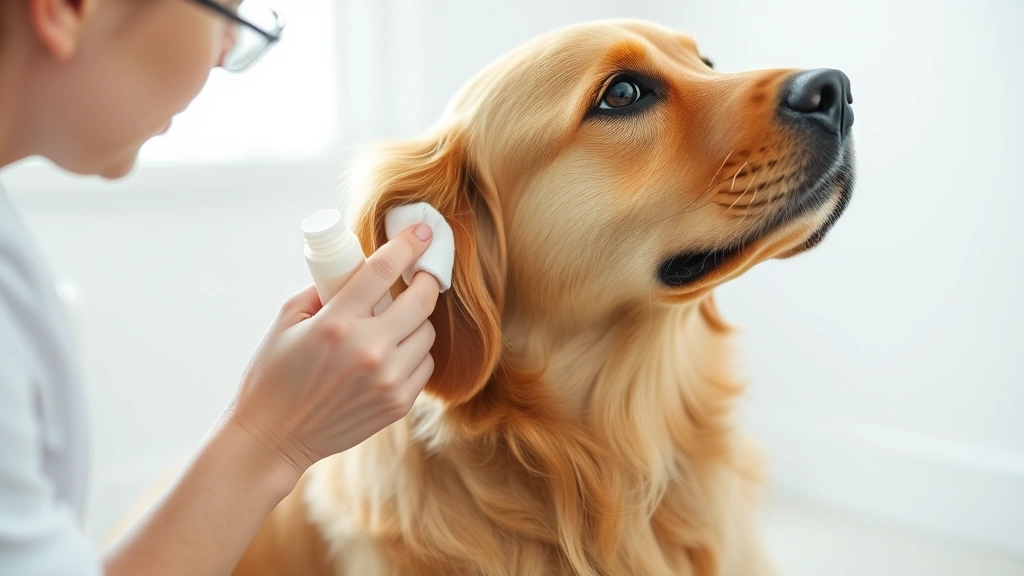
If you’re wondering what to clean dogs ears with, you’ve come to the right place—because let’s be honest, your pup’s ear hygiene is probably something you’ve been putting off, and now you’re frantically Googling at 2 AM wondering if you can just use whatever’s under the kitchen sink. Spoiler alert: you absolutely cannot. Dog ears are delicate ecosystems that deserve better than your questionable DIY solutions.
Table of Contents
- Why Regular Dog Ear Cleaning Matters
- Solution #1: Veterinary-Approved Ear Cleaning Solutions
- Solution #2: Saline Solution and Gentle Rinses
- Solution #3: Apple Cider Vinegar (With Caution)
- Solution #4: Coconut Oil for Gentle Maintenance
- Solution #5: Witch Hazel for Drying and Soothing
- What NOT to Use When Cleaning Dog Ears
- How to Actually Clean Your Dog’s Ears
- Signs Your Dog’s Ears Need Professional Help
- Breed-Specific Ear Care Considerations
- Budget-Friendly Ear Cleaning Options
- When to Seek Professional Ear Cleaning
- Frequently Asked Questions
- Frequently Asked Questions
- Summary: Keeping Those Ears Healthy
Ear infections are one of the most common reasons dogs end up at the vet, costing pet parents hundreds of dollars in treatment. The good news? Regular cleaning with the right products can prevent most of these issues before they start. In this guide, we’ll break down exactly what to use, what to avoid, and how to keep those floppy (or pointy) ears in pristine condition.
Why Regular Dog Ear Cleaning Matters
Before we dive into the solutions, let’s talk about why this matters. Dogs’ ears have a unique L-shaped canal that traps moisture, debris, and wax like a cozy little petri dish for bacteria and yeast. This is especially true for breeds with droopy ears like Cocker Spaniels, Basset Hounds, and Labrador Retrievers.
Regular ear cleaning removes buildup before it becomes a problem. Think of it like brushing your teeth—preventative care beats root canals every single time. Dogs with allergies, swimmers, or those prone to ear infections need cleaning even more frequently, sometimes weekly.
Solution #1: Veterinary-Approved Ear Cleaning Solutions
The gold standard for dog ear cleaning solutions is anything your vet recommends. Most veterinary ear cleaners contain ingredients like acetic acid or boric acid that help maintain the ear’s natural pH and prevent infection.

Popular vet-approved brands include:
- Zymox Otic – Contains enzymes that combat bacteria and yeast naturally
- Epi-Otic – Gentle formula with salicylic acid and acetic acid
- MalAcetic – Specifically targets yeast and bacterial overgrowth
- Vetericyn – Hypochlorous acid-based, safe and effective
These solutions typically cost $15-30 per bottle and last several months. Your vet might even send you home with samples to try before committing to a full bottle. Pro tip: ask your vet if they offer a bulk discount if you’re buying multiple bottles for ear-prone pups.
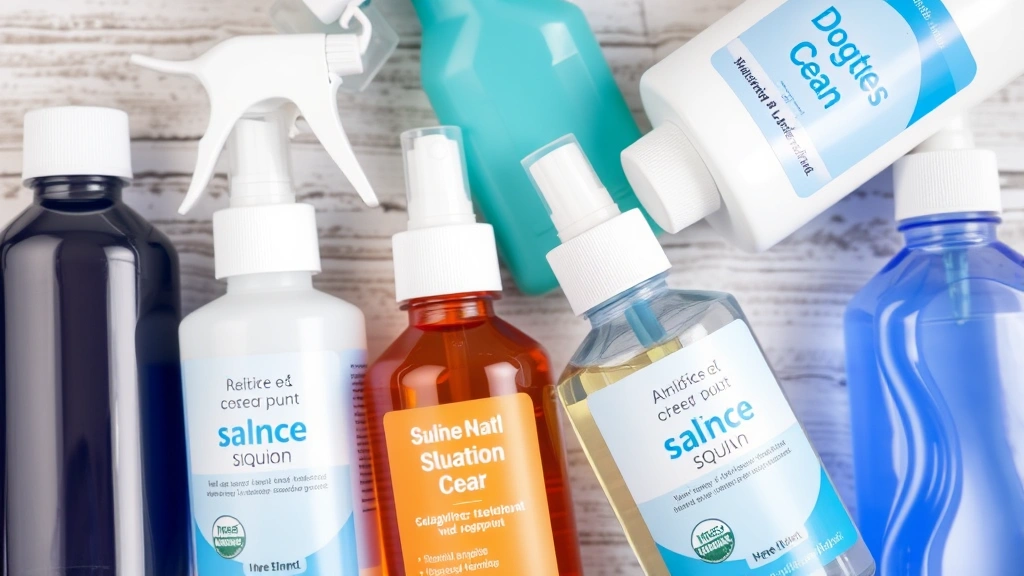
Solution #2: Saline Solution and Gentle Rinses
For dogs with sensitive ears or those needing gentle maintenance cleaning, a simple saline solution works beautifully. This is basically just salt water—the same stuff they use in hospitals for wound care. You can buy sterile saline at any pharmacy for a few dollars, or make your own by mixing 1 teaspoon of salt with 8 ounces of distilled water.
Saline is:

- Hypoallergenic and gentle
- Effective at removing debris without harsh chemicals
- Budget-friendly (literally pennies per application)
- Safe even if your dog shakes their head and gets it everywhere
This is an excellent option for dogs recovering from ear infections or those with compromised ear health. However, it’s not as effective as medicated solutions for preventing infections, so it works best as maintenance for healthy ears or in combination with other treatments.
Solution #3: Apple Cider Vinegar (With Caution)
Before you start pouring apple cider vinegar directly into your dog’s ears, pump the brakes. Yes, ACV has antimicrobial properties, but it’s also acidic and can irritate already inflamed ears. If you’re going to use it, dilution is essential.
The safe approach:
- Mix equal parts apple cider vinegar and distilled water
- Use only on healthy ears without redness or discharge
- Test a tiny amount first to check for sensitivity
- Never use on ears that are already infected or painful
Many holistic vets suggest ACV as a preventative maintenance solution, but it’s definitely not a first-choice option. Think of it as the “if nothing else is available” solution rather than your go-to. For dogs prone to yeast infections, the acidic environment ACV creates can actually be helpful, but always check with your vet first.
Solution #4: Coconut Oil for Gentle Maintenance
Coconut oil is having a moment in pet wellness, and honestly, it’s not entirely undeserved. This natural oil has mild antimicrobial properties and can help soothe irritated ear skin. The key word here is “gentle”—coconut oil won’t fight serious infections, but it’s excellent for preventative care and maintenance.
How to use it safely:
- Use only organic, unrefined coconut oil
- Warm it slightly so it’s liquid (not hot!)
- Apply sparingly with a cotton ball
- Use only for healthy ears without active infection
One major caveat: coconut oil can trap moisture in the ear canal, which is basically an invitation to yeast parties. If your dog has a history of yeast infections, skip this option entirely. For dogs with dry, itchy ears, though, coconut oil can provide real relief. Just remember—this is maintenance, not medicine.
Solution #5: Witch Hazel for Drying and Soothing
Witch hazel is an astringent that helps dry out ears and has mild anti-inflammatory properties. It’s particularly useful after swimming or for dogs with floppy ears that stay damp. The alcohol content helps evaporate moisture, which is exactly what you want.

Best practices:
- Use alcohol-free witch hazel (the regular stuff is too harsh)
- Dilute 50/50 with distilled water for extra gentleness
- Apply with a cotton ball, never pour directly into the ear
- Great for post-swim ear maintenance
This is an excellent solution for water-loving dogs or those living in humid climates. It’s also cheap—a bottle costs about $5 and lasts forever. However, like apple cider vinegar, it’s better suited for prevention and maintenance rather than treating active infections. For dogs that get ear infections from moisture, this might be your secret weapon.
What NOT to Use When Cleaning Dog Ears
Now let’s talk about the stuff that absolutely belongs nowhere near your dog’s ears:
- Hydrogen peroxide – Can damage the delicate ear canal and create a breeding ground for bacteria
- Rubbing alcohol – Too harsh and can cause chemical burns
- Q-tips or cotton swabs – Can push debris deeper into the ear canal and damage the eardrum
- Water alone – Traps moisture and promotes infection
- Your grandmother’s home remedy – Unless your grandmother is a veterinarian, probably skip this one
I know it’s tempting to use what’s in your medicine cabinet, but dog ears are genuinely different from human ears. That L-shaped canal means debris doesn’t just fall out—it stays put. Be patient, invest in proper solutions, and your dog will thank you with ear-flick-free cuddles.

How to Actually Clean Your Dog’s Ears
Now that you know what to clean dogs ears with, let’s talk technique. Because honestly, knowing the right product and actually using it correctly are two different things.
Step-by-step process:
- Gather supplies – Your chosen cleaning solution, cotton balls (not swabs!), and treats for bribery
- Restrain gently – Sit your dog down and keep them calm. If they’re wiggly, have someone help hold them
- Fill the ear – Gently squeeze the cleaning solution into the ear canal until it’s full. Yes, full. Don’t be shy
- Massage the base – Rub the outside of the ear at the base for 20-30 seconds. You’ll hear a squelching sound—that’s the solution doing its job
- Let them shake – Step back and let your dog shake their head. This is actually the goal—the shaking helps dislodge debris
- Wipe away excess – Use a cotton ball to gently wipe away any debris or excess solution from the visible ear
- Reward heavily – Treats, praise, the whole deal. You want them to associate ear cleaning with good things
The entire process takes about 5 minutes per ear. Do this weekly for dogs prone to infections, or monthly for healthy ears. Your vet will give you specific recommendations based on your dog’s individual needs.
Signs Your Dog’s Ears Need Professional Help
Sometimes DIY cleaning isn’t enough, and that’s okay. If you notice any of these signs, it’s time to call your vet:

- Foul odor coming from the ears
- Yellow, brown, or bloody discharge
- Excessive scratching or head shaking
- Swelling or redness inside the ear
- Your dog yelping when you touch their ears
- Visible debris that won’t come out with cleaning
- Signs of mange on dogs or other skin conditions affecting the ears
Ear infections can escalate quickly, and some require prescription medication or professional cleaning under anesthesia. Don’t try to tough it out—your vet has specialized equipment and expertise that you don’t have at home.
Breed-Specific Ear Care Considerations
Different breeds have different ear needs. Dogs with floppy ears need more frequent cleaning than those with upright ears. Dogs with hair in their ear canals (like Poodles and Schnauzers) need special attention to prevent impaction.
High-risk breeds for ear infections include:
- Cocker Spaniels
- Basset Hounds
- Labrador Retrievers
- Golden Retrievers
- German Shepherds
- Poodles
- Shih Tzus
If you have one of these breeds, ask your vet about a preventative cleaning schedule. Some vets recommend monthly cleaning for these breeds, even if they’re not showing signs of infection. It’s way cheaper than treating an infection that’s already developed. For more information on preventing ear issues, check out this guide on Lyme disease symptoms in dogs which can also cause ear-related complications.

Budget-Friendly Ear Cleaning Options
If cost is a concern, here’s the truth: you don’t need to spend a fortune on ear cleaning. A bottle of saline solution costs about $3 and works beautifully for maintenance. If your dog develops an infection, yes, you’ll need a vet visit, but preventing infections is way cheaper than treating them.
Cost breakdown:
- Saline solution – $3-5 per bottle (lasts months)
- Vet-approved cleaner – $15-30 per bottle (lasts months)
- Apple cider vinegar – $3-5 per bottle (lasts forever)
- Witch hazel – $5 per bottle (lasts forever)
- Vet ear cleaning visit – $50-150 (preventable!)
- Treating an ear infection – $200-500+ (very preventable!)
The math is simple: spend a few dollars on prevention, save hundreds on treatment. Also, many vets will give you a free sample of their recommended cleaner to try before you commit to buying a full bottle. Don’t be shy about asking.
When to Seek Professional Ear Cleaning
Sometimes your dog needs a professional cleaning, and that’s totally normal. If your dog has excessive wax buildup, hair impaction, or an active infection, your vet might recommend professional cleaning under sedation. This allows them to:
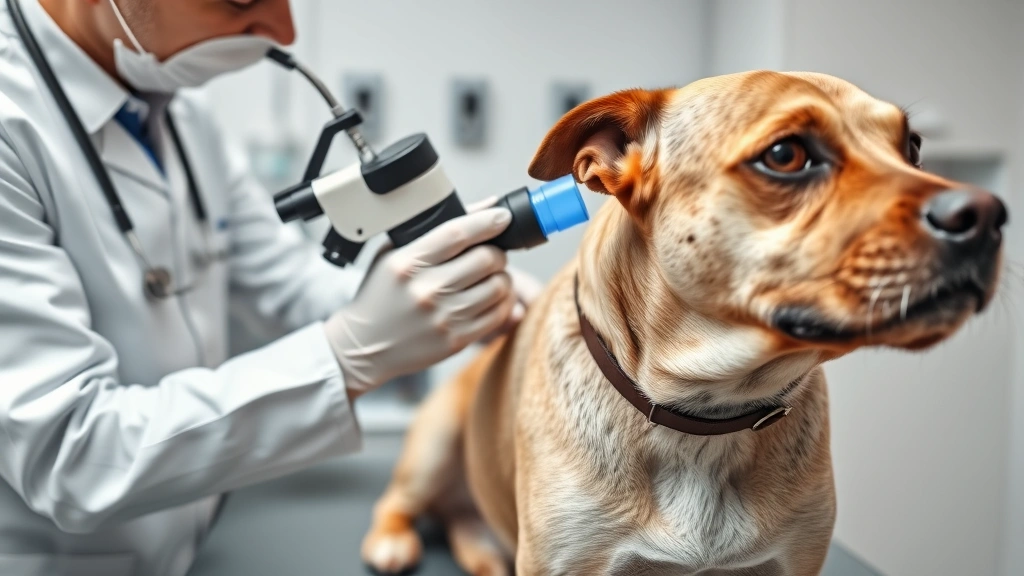
- Visualize the entire ear canal with an otoscope
- Remove stubborn debris safely
- Collect samples for testing if needed
- Apply medication directly to affected areas
- Identify underlying issues like tumors or foreign objects
Professional cleanings typically cost $75-200 depending on your location and your dog’s specific needs. If your dog has chronic ear issues, this might be worth doing 2-4 times per year. Also, check out our article on Is Neosporin Safe for Dogs if you’re considering topical treatments in addition to cleaning.
Frequently Asked Questions
Frequently Asked Questions
Can I use human ear drops on my dog?
Absolutely not. Human ear drops are formulated for human ears, which have a different pH balance and structure than dog ears. Using human products can cause irritation, infection, or damage to the delicate ear canal. Always use products specifically designed for dogs, or ask your vet for recommendations. If you’re unsure about a product, call your vet before using it.
How often should I clean my dog’s ears?
Healthy dogs with upright ears typically need monthly cleaning. Dogs with floppy ears, a history of infections, or those prone to moisture buildup (like swimmers) need weekly cleaning. Your vet will recommend a schedule based on your individual dog’s needs. Some dogs might need cleaning every two weeks, while others are fine with quarterly cleanings. When in doubt, ask your vet.
What if my dog won’t let me clean their ears?
Start with positive associations. Let them sniff the solution, reward them heavily for allowing you to touch their ears, and do very short sessions at first. Never force it—a traumatic experience will make future cleanings harder. If your dog is extremely resistant, ask your vet about professional cleaning or whether your dog might be experiencing ear pain that’s making them sensitive. Sometimes resistance indicates an underlying problem that needs treatment.

Is it normal for dogs to have some ear wax?
Yes, absolutely. A small amount of light-colored wax is normal and actually protective. You’re looking to remove excessive buildup, not sterilize the ears completely. If the wax is dark brown, smelly, or accompanied by discharge, that’s abnormal and warrants a vet visit. Trust your nose—healthy ears should smell neutral or slightly waxy, not foul.
Can allergies cause ear problems in dogs?
Yes, and this is incredibly common. Dogs with allergies (food, environmental, or contact) often develop ear infections as a secondary issue. The allergy causes inflammation, which creates an environment where bacteria and yeast thrive. If your dog has chronic ear issues, talk to your vet about whether allergies might be the underlying cause. Treating the allergy might be the key to preventing future ear infections. For more information on skin-related issues, check out our guide on Is Fabuloso Safe for Dogs which discusses how cleaning products can affect skin health.
What’s the difference between bacterial and yeast ear infections?
Bacterial infections typically smell less offensive and produce yellow or clear discharge. Yeast infections smell strongly (kind of like corn chips, actually—it’s called “Frito feet” when it affects paws) and produce brown or black discharge. Your vet can identify which one your dog has with a simple swab test. Treatment differs, so proper diagnosis is important. Never guess—let your vet confirm.
Summary: Keeping Those Ears Healthy
So here’s the bottom line on what to clean dogs ears with: you have options, and most of them are affordable and effective. Whether you go with a vet-approved solution, simple saline, or a natural option like witch hazel, the key is consistency. Regular cleaning prevents infections, saves you money, and keeps your dog comfortable.
Start with whatever your vet recommends, stick with a regular schedule, and watch for warning signs of infection. If you notice anything unusual—odor, discharge, excessive scratching, or head shaking—get to your vet promptly. Ear infections are treatable, but prevention is always better than cure.
Your dog’s ears are sensitive, important, and deserve proper care. Armed with this knowledge, you’re ready to keep those floppy (or pointy) ears in perfect condition. Your future self will thank you when you’re not dropping $500 on emergency vet visits for preventable infections.





