
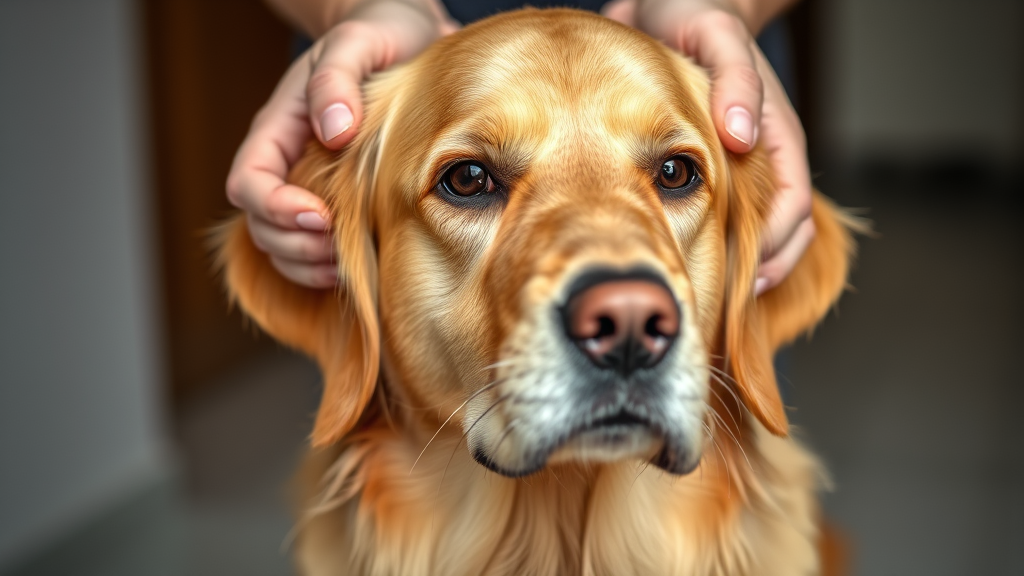
Proper ear care is one of the most crucial aspects of maintaining your dog’s overall health and comfort. Dogs are particularly susceptible to ear problems due to their unique ear anatomy, which can trap moisture, debris, and bacteria. Learning how to clean dogs ears properly can prevent painful infections, reduce unpleasant odors, and keep your furry friend happy and healthy.
Regular ear cleaning isn’t just about hygiene – it’s about prevention. Many dog owners wait until they notice signs of infection before addressing ear care, but by then, the problem may have progressed significantly. Understanding the proper techniques, tools, and frequency for ear cleaning will help you maintain your dog’s ear health proactively, potentially saving you costly veterinary bills and sparing your pet from discomfort.
Understanding Your Dog’s Ear Anatomy
Before diving into cleaning techniques, it’s essential to understand your dog’s ear structure. Unlike human ears, dogs have L-shaped ear canals that make them more prone to trapping debris and moisture. The ear canal consists of two parts: the vertical canal and the horizontal canal, which connects to the eardrum.
This unique anatomy means that debris, wax, and moisture can easily become trapped deep within the ear, creating an ideal environment for bacteria and yeast to flourish. The American Kennel Club notes that dogs with floppy ears are particularly susceptible to ear problems because their ear flaps can restrict airflow, creating warm, moist conditions.
Different dog breeds have varying ear shapes and sizes, which affects their susceptibility to ear problems. Dogs with long, pendulous ears like Basset Hounds and Cocker Spaniels are at higher risk than breeds with erect ears like German Shepherds. Understanding your dog’s specific ear type will help you tailor your cleaning approach accordingly.
Signs Your Dog’s Ears Need Cleaning
Recognizing when your dog’s ears need attention is crucial for maintaining their health. Healthy ears should be pink in color, free from excessive wax buildup, and have no strong odor. However, several signs indicate that cleaning is necessary or that a problem may be developing.
Common indicators include visible dirt or wax buildup, a strong or unusual odor emanating from the ears, and brown or black discharge. If you notice your dog frequently scratching at their ears, tilting their head to one side, or if why does my dog keep shaking his head becomes a concern, these behaviors often signal ear discomfort.
Red, inflamed, or swollen ear canals are clear warning signs that require immediate attention. Additionally, if you notice your dog losing balance or showing signs of hearing loss, these could indicate more serious ear problems that need professional veterinary care. The American Veterinary Medical Association emphasizes that early detection and treatment of ear problems can prevent more serious complications.
Essential Supplies for Ear Cleaning
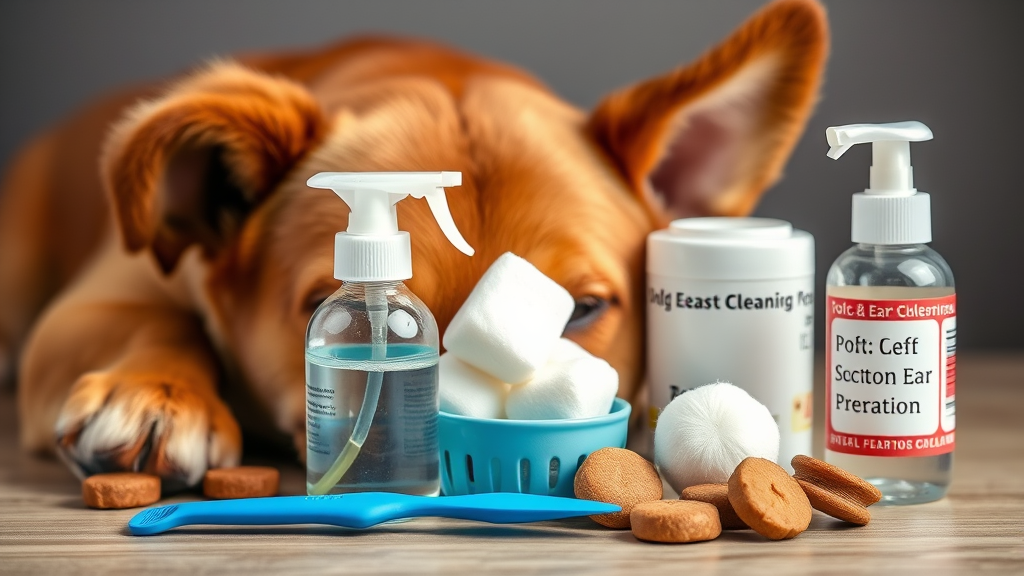
Having the right tools and products is essential for safe and effective ear cleaning. The most important item is a high-quality dog ear cleaning solution, specifically formulated for canine use. Never use hydrogen peroxide, alcohol, or other harsh chemicals, as these can damage the delicate ear tissues and cause irritation.
You’ll need cotton balls or gauze pads for wiping away debris and excess cleaner. Avoid using cotton swabs or Q-tips, as these can push debris deeper into the ear canal or potentially damage the eardrum. Some pet owners prefer using specialized ear cleaning wipes designed for dogs, which can be convenient for quick cleanings.
Additional helpful supplies include treats to reward your dog during and after the cleaning process, towels to protect your clothing and surrounding area, and good lighting to properly see inside the ear. Having someone to help restrain your dog, especially during the first few cleaning sessions, can make the process much smoother and safer for everyone involved.
Step-by-Step Cleaning Guide
Learning how to clean dog ears properly requires patience and the right technique. Begin by gathering all your supplies and choosing a quiet, well-lit area for the cleaning. Start by gently restraining your dog, either by having someone hold them or by positioning them between your legs if they’re small enough.
Lift the ear flap gently and examine the ear canal for any signs of infection, injury, or foreign objects. If you notice anything concerning, stop the cleaning process and consult your veterinarian. Pour the ear cleaning solution into the ear canal, filling it completely but not overflowing.
Gently massage the base of the ear for 20-30 seconds to help the solution work its way through the ear canal and loosen debris. You’ll likely hear a squishing sound, which is normal. Allow your dog to shake their head to help remove loosened debris and excess solution, then use cotton balls or gauze to wipe away any visible dirt or wax from the outer ear.
The PetMD recommends never inserting anything deep into the ear canal and always working from the inside out when wiping. Repeat the process on the other ear, and always end the session with praise and treats to create positive associations with ear cleaning.

How Often to Clean Your Dog’s Ears
The frequency of ear cleaning varies significantly depending on your dog’s breed, lifestyle, and individual needs. Most dogs benefit from weekly ear cleanings, but some may require more or less frequent attention. Dogs that swim regularly, live in humid climates, or have a history of ear problems may need cleaning 2-3 times per week.
Breeds with heavy ear wax production or those prone to allergies might need more frequent cleanings, while dogs with naturally clean ears might only need monthly maintenance. It’s important to establish a routine that works for your specific dog and stick to it consistently.
Over-cleaning can be just as problematic as under-cleaning, as it can disrupt the natural balance of the ear environment and lead to irritation. The Humane Society suggests starting with weekly cleanings and adjusting based on your dog’s individual needs and your veterinarian’s recommendations.
Special Considerations for Different Breeds
Different dog breeds have unique ear care requirements based on their ear shape, size, and genetic predispositions. Breeds with long, floppy ears like Basset Hounds, Cocker Spaniels, and Golden Retrievers require more frequent cleaning because their ear flaps can trap moisture and debris.
Dogs with hairy ear canals, such as Poodles and Schnauzers, may need professional grooming to remove excess hair that can block airflow and trap debris. Some groomers and veterinarians recommend plucking ear hair, while others prefer trimming, depending on the individual dog’s needs and tolerance.
Breeds with erect ears, like German Shepherds and Belgian Malinois, generally have fewer ear problems due to better airflow, but they still require regular cleaning. Brachycephalic breeds (those with flat faces) like Bulldogs and Pugs may have unique ear canal shapes that require special attention during cleaning.
When to Consult a Veterinarian
While regular ear cleaning is something most dog owners can handle at home, certain situations require professional veterinary attention. If you notice signs of infection such as thick, colored discharge, strong odors, or significant inflammation, it’s time to consult your veterinarian before continuing with home cleaning.
Understanding how to treat dog ear infection without vet guidance can be helpful, but severe infections often require prescription medications and professional treatment. Signs that warrant immediate veterinary attention include blood in the ear discharge, signs of pain when touching the ear, loss of balance, or hearing changes.
Foreign objects lodged in the ear, such as grass seeds or debris, should never be removed at home as this can push the object deeper or cause injury. Similarly, if your dog has a history of ear problems or is showing signs of allergies that might be related to ear issues, professional guidance is essential for proper treatment.
Prevention and Maintenance Tips
Prevention is always better than treatment when it comes to ear health. Keep your dog’s ears dry, especially after swimming or bathing. Consider using ear plugs designed for dogs during swimming activities, and always dry the ears thoroughly with a towel after water exposure.
Regular grooming can help prevent ear problems by keeping the hair around the ears trimmed and reducing the amount of debris that can enter the ear canal. Be aware that certain conditions, such as what causes hot spots on dogs, can sometimes be related to excessive scratching due to ear discomfort.
Maintain a clean environment and address any underlying allergies that might contribute to ear problems. The VCA Animal Hospitals recommend incorporating ear checks into your regular grooming routine and being proactive about addressing any changes you notice.
Diet can also play a role in ear health, as food allergies sometimes manifest as ear problems. If your dog has recurring ear issues, discuss dietary factors with your veterinarian. Additionally, be cautious with home remedies and always prioritize products specifically designed for dogs, as human products can cause harm.
Frequently Asked Questions
How often should I clean my dog’s ears?
Most dogs benefit from weekly ear cleaning, but the frequency depends on your dog’s breed, lifestyle, and individual needs. Dogs that swim frequently or have floppy ears may need cleaning 2-3 times per week, while dogs with naturally clean ears might only need monthly maintenance. Start with weekly cleanings and adjust based on your dog’s response and your veterinarian’s recommendations.
Can I use human ear cleaning products on my dog?
No, you should never use human ear cleaning products on dogs. Human products often contain ingredients that can be harmful or irritating to dogs’ sensitive ear tissues. Always use cleaning solutions specifically formulated for dogs, which are pH-balanced and safe for canine use. Avoid hydrogen peroxide, alcohol, or vinegar-based solutions unless specifically recommended by your veterinarian.
What should I do if my dog won’t let me clean their ears?
Start by getting your dog comfortable with having their ears touched during non-cleaning times. Use treats and positive reinforcement to create pleasant associations. Begin with very brief sessions, gradually increasing duration as your dog becomes more comfortable. If your dog remains resistant, consult your veterinarian or a professional groomer who can demonstrate proper restraint techniques or provide cleaning services.
Is it normal for my dog’s ears to smell slightly?
A very mild, natural odor is normal, but strong, unpleasant, or sweet smells often indicate problems. Healthy ears should have minimal odor and appear pink and clean. If you notice persistent strong odors, especially accompanied by discharge or your dog scratching frequently, consult your veterinarian as this could indicate an infection or other ear problem requiring treatment.
Can ear infections cause other health problems in dogs?
Yes, untreated ear infections can lead to more serious complications. Severe infections can damage the eardrum, affect hearing, and in extreme cases, spread to deeper structures causing neurological problems. Chronic ear problems can also affect your dog’s balance and overall quality of life. This is why regular cleaning and prompt treatment of any ear issues is so important for your dog’s overall health.
Should I pluck hair from my dog’s ears?
This depends on your dog’s breed and individual needs. Some dogs with very hairy ear canals benefit from hair removal to improve airflow and reduce debris trapping. However, ear hair plucking can be uncomfortable and may cause irritation if done incorrectly. Consult with your veterinarian or professional groomer to determine if your dog needs ear hair removal and the best method for your specific pet.
What are the signs that my dog’s ear cleaning routine isn’t working?
Signs that your current routine may not be effective include persistent odors, recurring discharge, frequent scratching or head shaking, redness or inflammation that doesn’t improve, and any signs of pain or discomfort during cleaning. If you notice any of these issues despite regular cleaning, it’s time to consult your veterinarian for a professional evaluation and possible adjustment to your ear care routine.





