

If your dog has just experienced a seizure, what to do after a dog has a seizure is probably the most pressing question on your mind right now. Your pup just went through something terrifying, and honestly, you’re probably freaking out a little too. That’s totally normal. Seizures in dogs can be scary AF, but the good news is that knowing how to respond properly can make a huge difference in your dog’s recovery and long-term health. Let’s break down exactly what you need to do in those critical moments after your furry friend stops shaking.
Table of Contents
- Stay Calm and Keep Your Dog Safe
- Monitor Your Dog’s Temperature and Breathing
- Document the Seizure Details
- Offer Water and Food Carefully
- Contact Your Veterinarian Immediately
- Understand Post-Ictal Behavior and Recovery Time
- Watch for Cluster Seizures and Status Epilepticus
- Consider Medication and Long-Term Management
- Identify and Avoid Potential Triggers
- Create a Seizure Action Plan
- Support Your Dog’s Overall Health
- Frequently Asked Questions
- Summary: Taking Action After Your Dog’s Seizure
Stay Calm and Keep Your Dog Safe
First things first: take a deep breath. Your dog can sense your anxiety, and panicking won’t help either of you. Once the seizure stops, your dog might be confused, disoriented, or even aggressive (it’s not personal—their brain is basically rebooting). Make sure your pup is in a safe space away from stairs, sharp objects, or anything they could bump into. Think of it like creating a padded recovery room. Keep other pets and kids away for now. Your dog’s post-seizure brain is fragile, and they need calm, quiet surroundings to recover properly.
Monitor Your Dog’s Temperature and Breathing
After a seizure, dogs can experience elevated body temperature, which is why monitoring them is crucial. Check if your dog feels hot to the touch. If they seem overheated, you can apply cool (not cold) water to their paws and ears to help bring their temperature down. Watch their breathing pattern—it should gradually return to normal within a few minutes. If your dog is struggling to breathe or their breathing seems labored after 10-15 minutes, that’s a red flag that requires immediate veterinary attention. Some dogs experience post-ictal lethargy in dogs, which is completely normal and should improve within hours.

Document the Seizure Details
Here’s something most people forget to do in the chaos: write down what happened. Seriously. Your vet will want to know everything. Note the time the seizure started, how long it lasted (even if it feels like forever, it’s usually just a minute or two), what your dog was doing before it happened, and what they looked like during the episode. Did they lose consciousness? Did they have muscle spasms? Did they foam at the mouth or lose bladder control? These details are gold for your vet in diagnosing what caused the seizure. If you can, record a video on your phone—vets love having visual documentation.
Offer Water and Food Carefully
Don’t immediately shove food in your dog’s mouth. After a seizure, your pup might be disoriented and could accidentally bite you or choke. Wait at least 30 minutes before offering anything. When you do, start with small amounts of water to make sure they can swallow properly. Some dogs experience nausea after seizures, so hold off on food for a couple of hours. If your dog seems interested in eating after that initial recovery period, offer a bland, easily digestible meal. Avoid giving them anything that might upset their stomach. If you’re concerned about hydration and your dog isn’t drinking, Pedialyte is safe for dogs in small amounts, but check with your vet first.

Contact Your Veterinarian Immediately
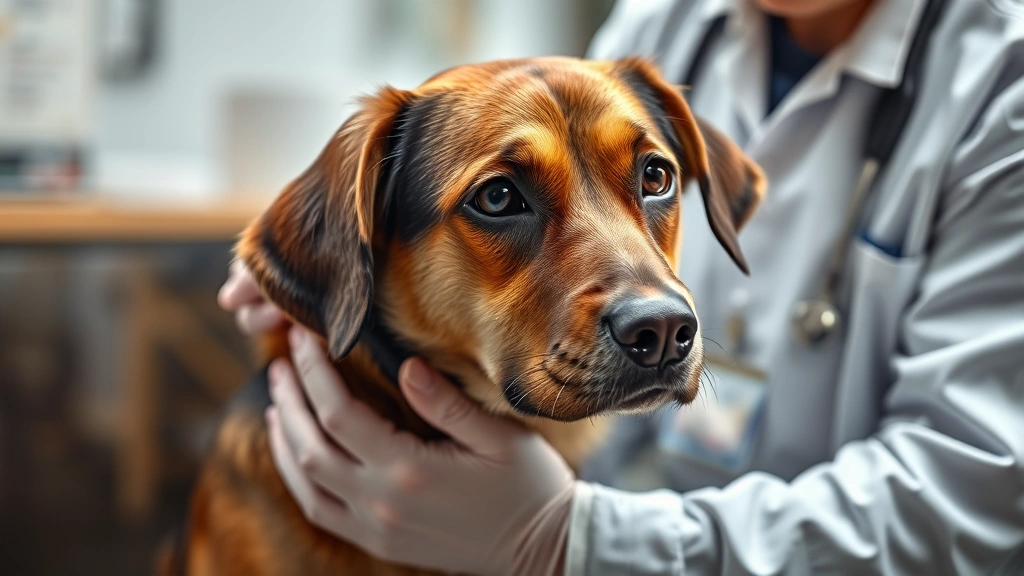
This is non-negotiable. Call your vet right away, even if your dog seems fine. If it’s after hours, contact an emergency vet clinic. Your vet needs to rule out serious conditions like epilepsy, poisoning, low blood sugar, or brain tumors. They’ll want to do a physical exam and possibly run blood work or other tests. Don’t wait to see if it happens again—get professional medical advice ASAP. Your vet can help determine whether this was a one-time incident or the beginning of a chronic seizure disorder that requires ongoing medication.
Understand Post-Ictal Behavior and Recovery Time
After a seizure, your dog enters what’s called the post-ictal phase. This is when they might seem confused, anxious, hungry, or excessively thirsty. Some dogs are clumsy and bump into things because their coordination is temporarily off. This phase can last anywhere from a few minutes to several hours, depending on the severity of the seizure. Your job is to provide a safe, calm environment where they can recover without stress. Avoid petting them excessively or playing with them—they need rest. This is also when lethargy in dogs is completely expected and normal.
Watch for Cluster Seizures and Status Epilepticus
Here’s something critical to know: if your dog has more than one seizure within a 24-hour period, that’s called cluster seizures, and it’s a medical emergency. Similarly, if a seizure lasts longer than 5 minutes or your dog doesn’t regain consciousness between seizures, they’re experiencing status epilepticus—a life-threatening condition. In either case, get to an emergency vet immediately. These situations require IV medication to stop the seizures. Don’t mess around with this one.
Consider Medication and Long-Term Management
If your dog has had multiple seizures or if the vet diagnoses epilepsy, they’ll likely prescribe anti-seizure medication like phenobarbital or levetiracetam. These medications need to be given exactly as prescribed, at the same time every day. Consistency is key. Your vet might also recommend keeping a seizure diary to track patterns and medication effectiveness. Some dogs do great on medication and never have another seizure, while others need ongoing management. The important thing is working closely with your vet to find the right treatment plan.

Identify and Avoid Potential Triggers
Seizures can be triggered by various factors: stress, certain medications, toxins, low blood sugar, or underlying health conditions. Once your dog recovers, try to identify what might have caused the seizure. Was your dog recently exposed to anything new? Have they eaten anything unusual? Are they on any new medications? Common culprits include chocolate, xylitol (found in sugar-free products), certain pesticides, and even some human medications. If your dog has diarrhea but is acting fine, that could be a sign of toxin exposure or dietary issues that might also trigger seizures.
Create a Seizure Action Plan
Moving forward, develop a plan with your vet for what to do if seizures happen again. Know the signs that a seizure is coming (some dogs have an “aura” where they act strangely before it happens). Keep emergency contact numbers for your regular vet and the nearest 24-hour animal hospital readily available. Brief anyone who cares for your dog—family members, dog sitters, trainers—on what to do if a seizure occurs. Having a plan reduces panic and ensures everyone knows how to respond appropriately.

Support Your Dog’s Overall Health
A healthy dog is a resilient dog. Make sure your pup is getting quality nutrition, regular exercise (unless your vet says otherwise), and adequate sleep. Obesity and poor nutrition can increase seizure risk in some dogs. Keep them up-to-date on vaccinations and regular vet checkups. Some supplements like omega-3 fatty acids have been shown to help with seizure management, but always discuss supplements with your vet before starting them. Stress management is important too—keep your dog’s routine consistent and avoid overstimulation.
Frequently Asked Questions
How long does it take for a dog to recover from a seizure?
Most dogs recover within 30 minutes to a few hours after a seizure. The post-ictal phase can include confusion, disorientation, and fatigue. Some dogs seem almost normal after 30 minutes, while others need several hours to fully recover. If your dog doesn’t seem better after a few hours, contact your vet.

Can I give my dog medication to stop a seizure at home?
Some vets prescribe rectal diazepam (Valium) or other emergency seizure medications for dogs prone to cluster seizures or status epilepticus. However, you should only give medication if your vet has specifically prescribed it and trained you on how to administer it. Never give your dog any medication without veterinary approval.
Is one seizure a sign of epilepsy?
Not necessarily. A single seizure doesn’t automatically mean your dog has epilepsy. Your vet will need to run tests and evaluate the circumstances. Epilepsy is typically diagnosed when a dog has recurring seizures. However, one seizure is still worth investigating to rule out underlying health issues.

What should I avoid doing after my dog has a seizure?
Don’t panic or make a big fuss (your dog will pick up on your stress). Don’t try to force food or water into their mouth immediately. Don’t restrain them excessively or try to move them unless they’re in immediate danger. Don’t assume one seizure means they’re fine—always get it checked out by a vet. And definitely don’t give them any medications or supplements without vet approval.
Can diet affect seizures in dogs?
Yes, diet can play a role. Some dogs benefit from a low-carb or ketogenic diet, which has been shown to reduce seizure frequency in some cases. Certain ingredients or additives might trigger seizures in sensitive dogs. Work with your vet or a veterinary nutritionist to determine if dietary changes might help your specific dog.
Should I be worried if my dog had just one seizure?
You should take it seriously and get it evaluated by a vet, but one seizure doesn’t automatically mean your dog has a life-threatening condition. However, it does warrant investigation to rule out poisoning, low blood sugar, infections, or other medical issues. Your vet can help determine the cause and whether your dog needs ongoing treatment.
Summary: Taking Action After Your Dog’s Seizure
When your dog experiences a seizure, knowing what to do after a dog has a seizure can make all the difference in their recovery and future health. The immediate steps are clear: keep your dog safe, monitor their vital signs, document what happened, and contact your vet right away. Avoid giving food or water immediately, watch for post-ictal behavior, and be alert for cluster seizures or status epilepticus. Work with your veterinarian to identify the cause, establish a treatment plan if needed, and create an action plan for the future. Remember, you’re not alone in this—seizures in dogs are more common than you might think, and with proper medical care and management, many dogs live happy, normal lives. Your quick thinking and calm response can genuinely help your furry friend get through this scary experience.
External Resources:





