

If you’ve ever watched your dog cough, gag, or struggle to breathe, you know the panic that sets in. What to do if my dog is choking is one of those emergency situations every pet parent needs to understand, because those first few minutes can literally mean the difference between life and death. Unlike humans, dogs can’t tell you what’s wrong, so you need to act fast and know exactly what steps to take.
Table of Contents
- Recognize the Signs of a Choking Dog
- Step 1: Stay Calm and Assess the Situation
- Step 2: Perform the Heimlich Maneuver for Dogs
- Step 3: Try Back Blows as an Alternative
- Step 4: Know When to Head to Emergency Vet Care
- Step 5: Prevent Future Choking Incidents
- Common Choking Hazards to Watch For
- What NOT to Do When Your Dog Is Choking
- Recovery and Follow-Up Care
- Teaching Others in Your Household
- Frequently Asked Questions
- Summary: Be Prepared and Act Fast
I’ve seen plenty of dog owners freeze up when their pup starts choking, and honestly, that’s totally understandable. But here’s the good news: if you know what to do, you can save your dog’s life. Let’s break down the essential steps and everything you need to know about handling this terrifying situation.
Recognize the Signs of a Choking Dog
Before you can help, you need to spot the problem. A choking dog will show pretty obvious signs that something’s stuck in their throat. Your pup might be gasping for air, making strange honking or wheezing sounds, or pawing frantically at their mouth. Some dogs will drool excessively or have their tongue hanging out at an odd angle.
The key difference between choking and coughing is that a choking dog will have difficulty breathing and won’t be able to bark or make normal sounds. If your dog is coughing but still breathing normally, they might just have something tickling their throat—but if they’re silent or struggling, that’s your red flag.

Keep in mind that choking hazards come from everywhere. That innocent Nylabone your dog loves could splinter, or they might grab a piece of rotisserie chicken with a bone still attached. Even certain peanut butter brands can cause issues if they’re too thick and sticky.
Step 1: Stay Calm and Assess the Situation
I know this sounds easier said than done, but panicking won’t help your dog. Take a deep breath. Your dog is feeding off your energy, so if you’re freaking out, they’ll sense it and panic more, which makes breathing even harder.
First, try to see if there’s anything visible in your dog’s mouth or throat. Open their mouth gently and look. If you can see the object and it’s easily accessible, you might be able to remove it with your fingers or tweezers. But be careful—if your dog is panicked, they might accidentally bite you, and you don’t want to push the object further down their throat.

If you can’t see anything or can’t reach it safely, move to the next step immediately. Don’t waste time trying to dislodge something you can’t see.
Step 2: Perform the Heimlich Maneuver for Dogs
Yes, dogs have their own version of the Heimlich maneuver, and it’s a game-changer. Here’s how to do it:
For small dogs: Hold your dog with their back against your chest. Place your fist just below their rib cage, right where their sternum is. Wrap your other hand around your fist and give quick, firm upward thrusts. Do this 5 times, then check if the object dislodged.
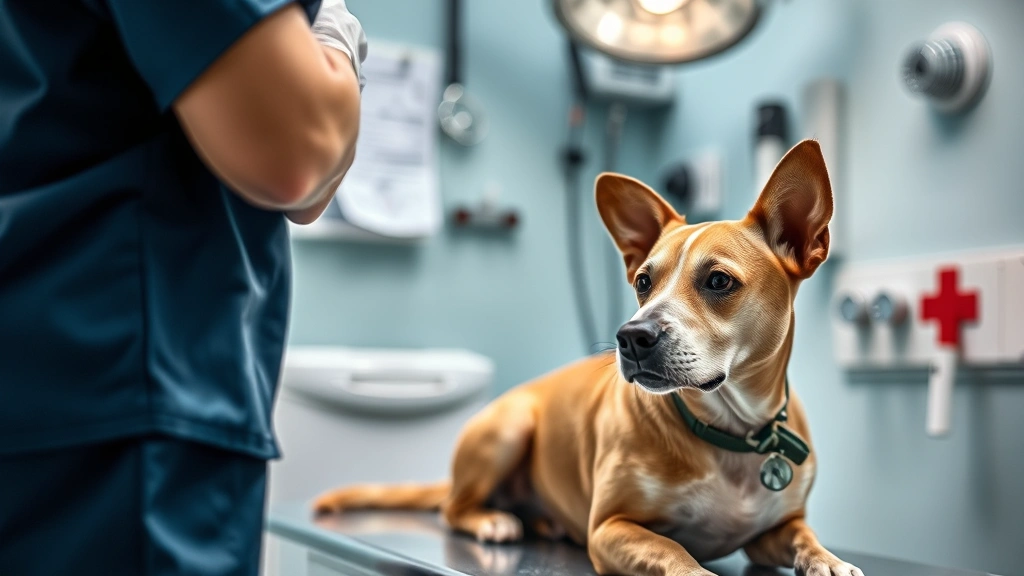
For large dogs: Stand behind your dog and wrap your arms around their abdomen, just behind their rib cage. Make a fist and place it right above their belly button. Grasp your fist with your other hand and give quick, forceful upward thrusts. Repeat 5 times.
The goal is to create a sudden burst of air pressure that forces the object out of the airway. If the object doesn’t come out after 5 thrusts, repeat the process. You can do this 2-3 times before moving to the next step.
Step 3: Try Back Blows as an Alternative
If the Heimlich isn’t working, back blows might help. Have your dog stand or kneel on all fours (or hold them if they’re small). Place the heel of your hand between their shoulder blades and deliver 5 firm, quick blows. The idea is to jar the object loose with the impact.
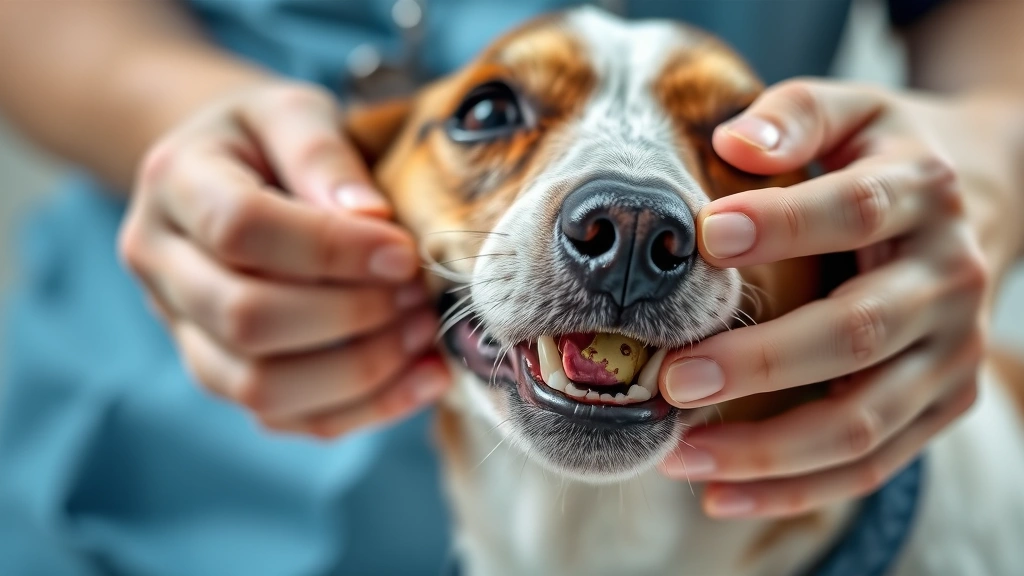
Alternate between back blows and the Heimlich maneuver if needed. Some objects respond better to one technique than the other, so don’t give up after just one method fails.
Step 4: Know When to Head to Emergency Vet Care
If you’ve tried the Heimlich and back blows for a couple of minutes and nothing’s working, your dog is losing consciousness, or they’re turning blue—get them to an emergency vet immediately. Don’t wait. Don’t try one more thing at home. Move now.
Call ahead if you can so they’re ready for you, but don’t delay the drive. Some emergency vets can perform emergency tracheotomy or use specialized tools to remove the object that you can’t. They might also need to check for damage to your dog’s throat or esophagus after the object is removed.

Even if your dog seems fine after you remove the object yourself, consider a vet visit anyway. Internal damage isn’t always obvious, and your vet can make sure everything’s okay.
Step 5: Prevent Future Choking Incidents
Once the crisis is over, it’s time to think prevention. This is where you become a choking detective in your own home. Remove toys that are falling apart, avoid bones that splinter, and be careful with small objects that could be swallowed whole.
Watch what your dog eats. That turkey or chicken you’re sharing should be boneless and in small, manageable pieces. Some dogs are notorious for not chewing and just swallowing things whole—if that’s your pup, supervise their eating time and choose larger kibble sizes or wet food.

Keep string, dental floss, and small toys away from curious mouths. And if your dog has a history of eating things they shouldn’t, consider using a muzzle during times when you can’t supervise closely, or keep them in a safe space away from hazards.
Common Choking Hazards to Watch For
Let’s talk specifics. Bones are the obvious culprit, but cooked bones are especially dangerous because they splinter easily. Rawhide chews, while popular, can cause blockages if swallowed in large chunks. Toys with small parts that can be torn off are risky, especially for aggressive chewers.
Food items like grapes, onions, and chocolate are toxic, but they’re also potential choking hazards if swallowed whole. Corn cobs, peach pits, and avocado pits are all surprisingly common causes of choking and blockages. Even innocent-seeming items like hair ties, rubber bands, and twist ties can become life-threatening if ingested.

If you’re ever unsure whether something is safe, check with your vet or look it up on the ASPCA Animal Poison Control Center website before giving it to your dog.
What NOT to Do When Your Dog Is Choking
Don’t panic and shake your dog violently—this can lodge the object deeper. Don’t put your fingers down their throat if you can’t see the object clearly. Don’t assume your dog will cough it up on their own; sometimes they won’t, and waiting could be fatal.
Don’t delay getting to a vet if home remedies aren’t working. And please, don’t try to pull out an object that’s wrapped around something internal—you could cause more damage.

Recovery and Follow-Up Care
After a choking incident, your dog might be shaken up. They could have a sore throat, be reluctant to eat, or seem anxious about food for a while. This is normal. Offer soft foods for a day or two if they’re having trouble swallowing, and monitor them closely.
Your vet might recommend anti-inflammatory medication or antibiotics if there’s any risk of infection from the choking or removal process. Follow all post-care instructions carefully. Some dogs develop strictures (narrowing of the esophagus) after severe choking, so ongoing monitoring is important.
Teaching Others in Your Household
Make sure everyone who cares for your dog knows these steps. Kids, babysitters, grandparents—they all need to understand what to do if your dog starts choking. Print out a quick reference guide and keep it on your fridge. Better yet, show them the technique so they’re not learning it in a panic situation.

Frequently Asked Questions
How long can a dog survive without breathing?
A dog can only survive a few minutes without oxygen. Brain damage can start within 4-6 minutes, so every second counts during a choking emergency. This is why you need to act fast and not hesitate to call your vet or head to an emergency clinic.
Can I use the Heimlich maneuver on a puppy?
Yes, but adjust your technique for their smaller size. Use gentler pressure and be very careful not to injure their delicate ribs and organs. If your puppy is choking, this is definitely a situation where you should head to the vet immediately after attempting basic first aid.
What if my dog is unconscious from choking?
If your dog has lost consciousness, they need emergency vet care immediately. Don’t waste time with home remedies. Rush them to the nearest emergency vet clinic. Call ahead if possible so they can prepare.
Should I give my dog CPR if they stop breathing?
If your dog stops breathing, yes, CPR is necessary, but it’s best learned from a professional trainer or your vet beforehand. In the meantime, get to an emergency vet as fast as possible. They can provide proper resuscitation.
How can I tell the difference between choking and a collapsed trachea?
A collapsed trachea usually causes a chronic, honking cough that comes and goes, especially with excitement or exercise. Choking is sudden and acute, with the dog unable to breathe or swallow. If you’re unsure, treat it as choking and get to a vet.
Is there a way to prevent my dog from swallowing things whole?
Supervise eating, use slow-feeder bowls, and choose appropriately sized food and toys. You can also train your dog to drop items on command. Some dogs just have a higher risk, so extra vigilance is necessary. Check out our article on dog health and digestive issues for more prevention tips.
Summary: Be Prepared and Act Fast
Choking is terrifying, but knowing what to do if my dog is choking can save their life. Remember the key steps: recognize the signs, stay calm, try the Heimlich maneuver or back blows, and get to a vet immediately if nothing works. Prevention is your best defense—remove hazards, supervise eating, and choose safe toys and treats.
Every dog owner should know these techniques before an emergency happens. Print this out, share it with your family, and practice the Heimlich so your hands know what to do even if your brain is panicking. Your dog is counting on you to be their hero in this moment.
If you have any concerns about what’s safe for your dog to eat or play with, always check with your veterinarian. They’re your best resource for keeping your pup healthy and safe.





