
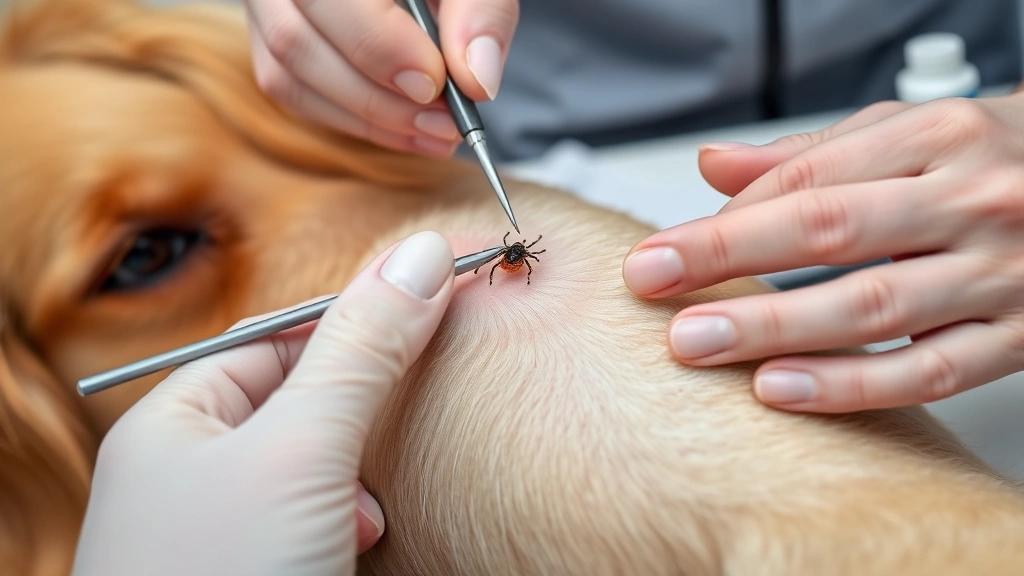
If you’ve ever pulled a tick off your dog only to discover the head is still embedded in the skin, you’re not alone—and yes, what to do if tick head stays in dog is a question that sends many pet owners into panic mode. But here’s the good news: a retained tick head, while annoying, is usually manageable with the right approach. Let’s walk through exactly what to do and why staying calm is your best strategy.
Table of Contents
- Understanding Why Tick Heads Get Left Behind
- Step 1: Stop Panicking and Assess the Situation
- Step 2: Clean the Area Thoroughly
- Step 3: Use Proper Extraction Tools and Techniques
- Step 4: Apply Antiseptic and Monitor for Infection
- When Tick Heads Lead to Bigger Problems
- Prevention: The Best Medicine for Tick Head Problems
- When to Call Your Veterinarian
- The Reality Check: Most Tick Heads Come Out Fine
- Post-Removal Care and Healing Timeline
- Frequently Asked Questions
- Final Thoughts: You’ve Got This
Understanding Why Tick Heads Get Left Behind
Ticks are sneaky little parasites with mouthparts designed to anchor deep into your dog’s skin. When you yank a tick off too quickly or use the wrong removal technique, the head—called the hypostome—can detach from the body and stay lodged in your pup’s skin. Think of it like pulling a weed without getting all the roots. The tick’s barbed mouthparts are specifically designed to resist removal, which is why improper extraction is so common.
The good news? A tick head left behind is far less dangerous than a fully embedded tick still feeding. However, it can still cause localized irritation and infection if not handled properly.
Step 1: Stop Panicking and Assess the Situation
First things first—take a deep breath. Your dog isn’t in immediate danger, and neither are you. A retained tick head won’t transmit diseases like Lyme disease the way a fully attached tick can. However, you’ll want to address it to prevent secondary infection or irritation. Check the area where the tick head is embedded. You might see a small black dot or feel a tiny bump under the skin. This is completely normal and manageable.
Step 2: Clean the Area Thoroughly
Grab some warm water and mild soap. Gently wash the area around the tick head to remove any dirt, debris, or bacteria. Pat the area dry with a clean cloth. This is crucial because you’re about to work with an open wound (even if it’s tiny), and cleanliness prevents infection. If your dog has thick fur, you might need to trim a small section around the tick head so you can see what you’re working with.
Step 3: Use Proper Extraction Tools and Techniques
Now comes the delicate work. You have several safe options:
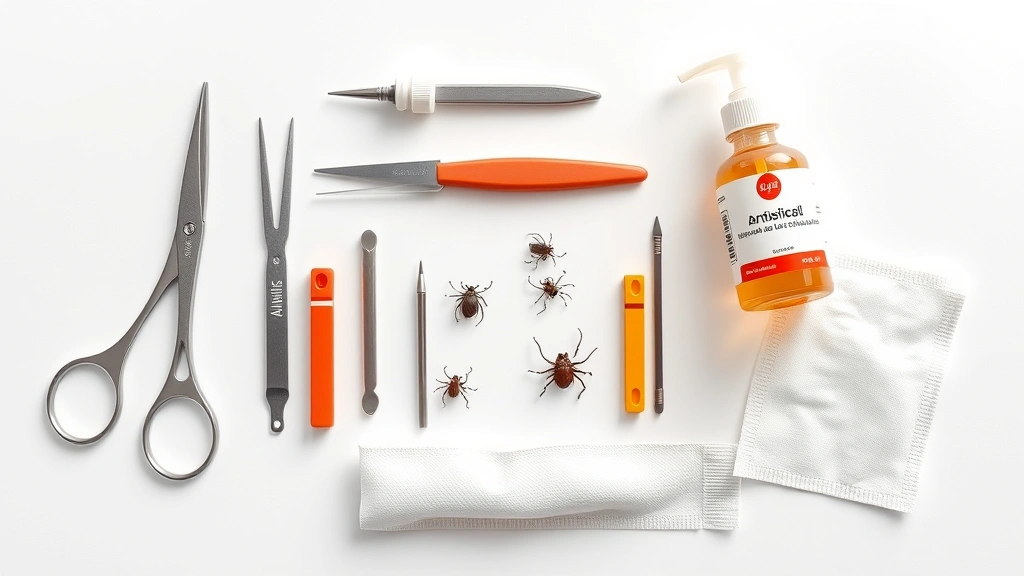
Tweezers Method: Use fine-tipped tweezers to gently grasp the tick head. Pull slowly and steadily at a 45-degree angle—not straight up. Avoid twisting or jerking, as this can break the head into smaller pieces. If the head is deeply embedded, you might need to make several gentle attempts.
Tick Removal Tool: Commercial tick removal tools (like the Tick Twister) are specifically designed for this task. These tools slide under the tick and rotate it out of the skin. They’re incredibly effective and worth having on hand.
Needle Sterilization: If the tick head is really stubborn, you can carefully use a sterilized needle to gently lift the head out. Sterilize the needle with rubbing alcohol or by holding it over a flame (let it cool before use). This method requires a steady hand and good lighting.
Whatever method you choose, the key is patience. Rushing increases the risk of breaking the head into smaller pieces, which makes removal harder.
Step 4: Apply Antiseptic and Monitor for Infection
Once you’ve successfully removed the tick head, apply an antiseptic like hydrogen peroxide or Betadine to the wound. This kills bacteria and prevents infection. You can also apply a small amount of antibiotic ointment. Don’t cover it with a bandage unless your dog is in a particularly dirty environment—the wound needs air to heal.
Watch the area over the next few days for signs of infection: increased redness, swelling, discharge, or if your dog seems to be licking it excessively. According to the American Kennel Club (AKC), most tick bite sites heal without complications within a week or two.
When Tick Heads Lead to Bigger Problems
In rare cases, a retained tick head can cause complications. Your dog might develop a localized infection or a granuloma (a small bump where the body walls off the foreign material). If you notice signs of Lyme disease symptoms in dogs like limping, fever, or lethargy, contact your vet immediately. Additionally, if your dog seems lethargic or shows signs of systemic illness, professional help is necessary.
Prevention: The Best Medicine for Tick Head Problems
The easiest way to handle a retained tick head is to prevent it in the first place. Here’s how:
Use Proper Removal Techniques: Always use tweezers or a tick removal tool. Avoid home remedies like petroleum jelly, nail polish, or heat—these can actually cause the tick to burrow deeper or regurgitate infected saliva into your dog.
Tick Prevention Products: Use veterinarian-recommended tick preventatives like Simparica, NexGard, or topical treatments. These are far more effective than old-school methods like diatomaceous earth, which has limited efficacy.
Regular Checks: Inspect your dog daily during tick season, especially if they spend time outdoors. Early detection means you can remove the entire tick before it becomes a problem.
Environmental Control: Ticks thrive in tall grass and wooded areas. Keep your yard trimmed and consider avoiding tick-prone areas during peak season. Be cautious about products like weed and feed that might contain harmful chemicals.
When to Call Your Veterinarian
You should contact your vet if:
- You can’t remove the tick head after several gentle attempts
- The area becomes increasingly red, swollen, or infected
- Your dog develops fever, lethargy, or other signs of illness
- Your dog is excessively licking or scratching the area despite your efforts to prevent it
- You’re unsure whether you’ve successfully removed the entire tick head
Your vet can remove the tick head under proper conditions and prescribe antibiotics if infection has already started. According to PetMD, professional removal is always an option if you’re uncomfortable doing it yourself.
The Reality Check: Most Tick Heads Come Out Fine
Here’s what you need to know: in the vast majority of cases, a retained tick head is a minor issue. Your dog’s immune system is remarkably good at dealing with small foreign objects. The body may form a small scab or bump, but it typically resolves on its own within a few weeks. You’re not a bad pet parent for having this happen—tick removal can be tricky, and even vets sometimes deal with retained tick heads.
Post-Removal Care and Healing Timeline
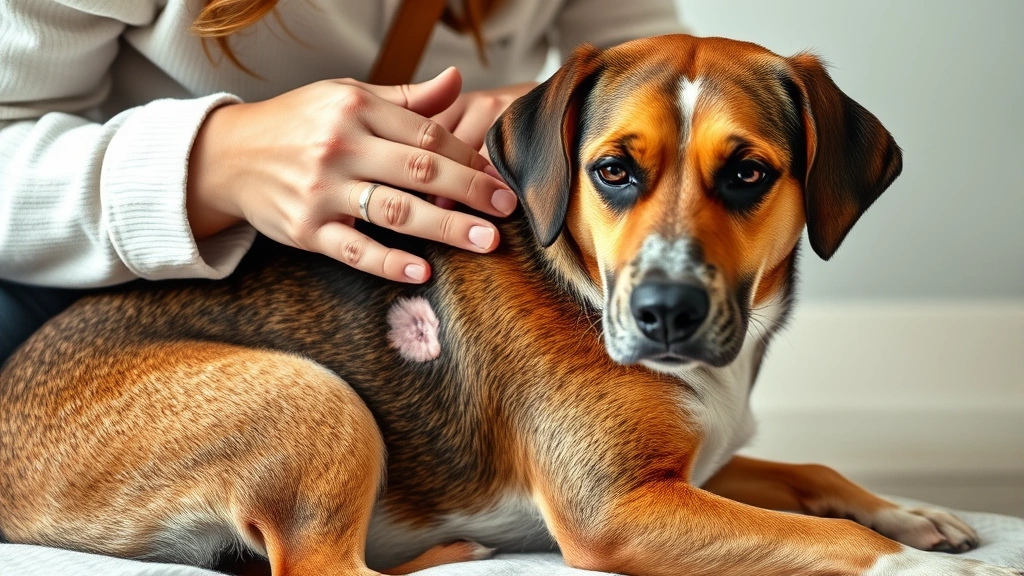
After successfully removing the tick head, expect the wound to heal within 3-7 days. The area might remain slightly irritated or scabbed over for a bit longer. Continue monitoring daily and keep it clean. If your dog is a compulsive licker, you might need to use an Elizabethan collar to prevent further irritation. Most importantly, resume your regular tick prevention routine immediately.
Frequently Asked Questions
Can a tick head grow back?
No, a tick head cannot grow back or regenerate. Once separated from the body, the head is just a foreign object. Your dog’s body will either expel it or wall it off with scar tissue. There’s no risk of the tick regrowing.
Is a retained tick head dangerous?
A retained tick head is far less dangerous than a fully attached, feeding tick. However, it can cause localized infection or irritation if not handled properly. The risk of disease transmission is minimal since the tick is no longer feeding.
How long does it take for a tick head to come out on its own?
In some cases, your dog’s body will naturally expel the tick head within 1-3 weeks. However, it’s better to remove it manually to prevent infection and reduce irritation.
What if I accidentally broke the tick head into pieces?
Don’t panic. Small tick head fragments are typically expelled by the body or cause minimal irritation. Continue cleaning the area and monitoring for infection. If you’re concerned, have your vet take a look.
Can I use tweezers from my bathroom?
Yes, but sterilize them first with rubbing alcohol or boiling water. Clean tweezers reduce the risk of introducing bacteria into the wound.
Should I give my dog antibiotics after tick head removal?
Not necessarily. Topical antiseptics are usually sufficient. However, if infection develops, your vet may prescribe oral antibiotics. Don’t give your dog any medication without veterinary guidance.
Final Thoughts: You’ve Got This
A retained tick head is annoying but manageable. By following these five safe steps—staying calm, cleaning the area, using proper extraction techniques, applying antiseptic, and monitoring for infection—you can handle this common pet care challenge like a pro. Remember, prevention through proper tick removal and consistent preventative treatments is always your best defense. And if you’re ever unsure, your veterinarian is just a phone call away. Your dog will be just fine, and you’re doing great by taking action.





