
Discovering that what to do if your dog dies at home is one of the hardest questions a pet owner ever has to face. Losing a beloved companion is devastating, and the last thing you want is to be caught off-guard during an already emotional time. This guide walks you through the practical, emotional, and legal steps you’ll need to take when facing this heartbreaking situation.
Table of Contents
- Understanding the Initial Shock and What Comes First
- Contacting Your Veterinarian Immediately
- Deciding on Cremation vs. Burial Options
- Handling Your Dog’s Body Temporarily
- Understanding Legal and Documentation Requirements
- Managing Unexpected Death and Potential Necropsies
- Creating a Memorial and Processing Grief
- Dealing with Emotional Aftermath and Support Resources
- Helping Other Pets Adjust to the Loss
- Practical Matters: Removing Reminders and Adjusting
- When to Seek Professional Help
- Frequently Asked Questions
- Summary: Taking Care of Yourself and Your Dog’s Memory
Understanding the Initial Shock and What Comes First
When you first realize your dog has passed away at home, your instinct might be to panic or freeze. That’s completely normal. Take a moment to breathe. Your first priority is confirming that your dog has actually passed. Check for a pulse, listen for breathing, and look for any signs of life. If there’s any doubt, contact your veterinarian immediately—they can confirm death and provide guidance on next steps.
Once you’ve confirmed your dog’s passing, don’t feel pressured to make immediate decisions about their body. You have time, even though it might not feel that way emotionally. Many pet owners benefit from having a few hours to process before deciding on arrangements.
Contacting Your Veterinarian Immediately
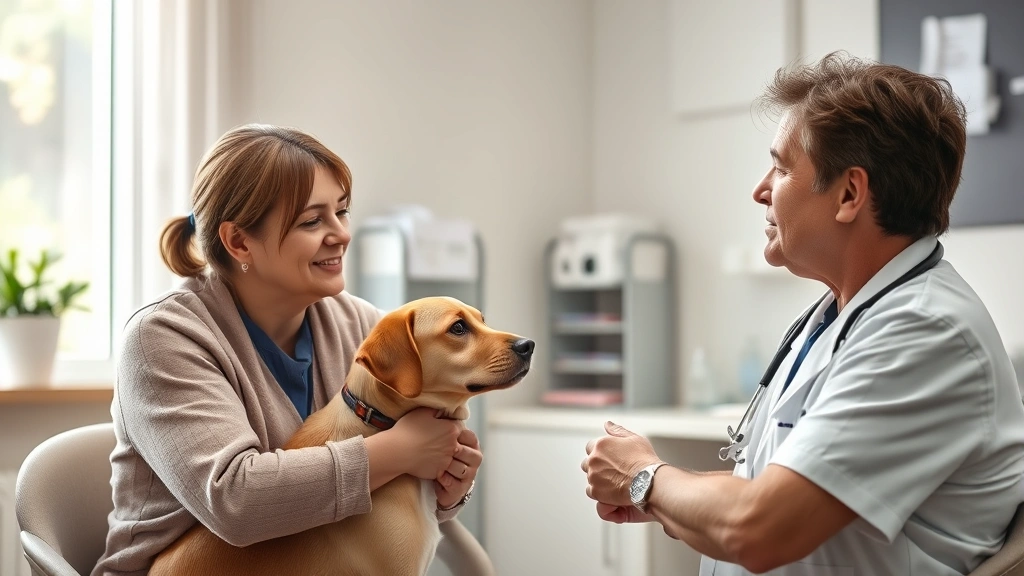
Your vet is your first call after confirming your dog’s death. Even though your dog has passed, your veterinarian can provide invaluable support. They can officially document the death, help you understand what happened, and discuss your options for handling your dog’s remains. Many vets offer cremation services or can recommend reputable pet crematoriums in your area. According to the American Kennel Club, having veterinary documentation is important for your records and peace of mind.
If your dog died unexpectedly or under unusual circumstances, your vet might recommend a necropsy (pet autopsy) to determine the cause of death. This can provide closure and valuable information about your dog’s health history.
Deciding on Cremation vs. Burial Options
You’ll need to decide how to handle your dog’s remains. The two primary options are cremation and burial. Cremation is the most common choice for pet owners, offering flexibility and allowing you to keep your dog’s ashes if desired. Individual cremation ensures your dog is cremated alone, while communal cremation is more affordable but means ashes aren’t returned to you.
If you choose burial, check your local regulations first. Many areas have restrictions on home burial, and some require specific depths and locations. A pet cemetery is another option, providing a dedicated space to memorialize your companion. Pet burial services and crematoriums can be found through your veterinarian or by searching online for “pet cremation near me.”
Handling Your Dog’s Body Temporarily
If you’re not immediately arranging cremation or burial, you’ll need to store your dog’s body properly. Place your dog in a cool area of your home—a garage or basement works well. Wrap them gently in a blanket or towel. If you have access to a freezer in a garage or basement, you can place your dog there to preserve the body for a short period. Never place your dog in your main refrigerator or freezer.
Most crematoriums and burial services can pick up your dog’s body within 24-48 hours. Many offer after-hours pickup services, recognizing that pet deaths don’t follow business hours. Ask about transportation options when you call to arrange services.
Understanding Legal and Documentation Requirements
Depending on where you live, there may be legal requirements for handling your dog’s remains. Some municipalities require notification to local animal control or health departments. Your veterinarian can advise you on local regulations. Keep all documentation from your vet and cremation/burial service for your records.
If your dog was microchipped, contact the microchip registry to update your dog’s status. This prevents confusion if someone ever scans the chip. You might also want to notify pet insurance companies if you had coverage, as some offer sympathy benefits or support services.
Managing Unexpected Death and Potential Necropsies
If your dog dies suddenly and unexpectedly, you might want to understand why. A necropsy performed by a veterinary pathologist can identify the cause of death. This is particularly important if you have other pets at home who might be at risk from the same condition. PetMD notes that necropsies can provide valuable insights into your dog’s health, though they do add to the cost of end-of-life care.
Common causes of sudden dog death at home include heart failure, bloat (gastric dilatation-volvulus), stroke, or undiagnosed illness. Understanding the cause can help you make informed decisions about your other pets’ health monitoring.
Creating a Memorial and Processing Grief
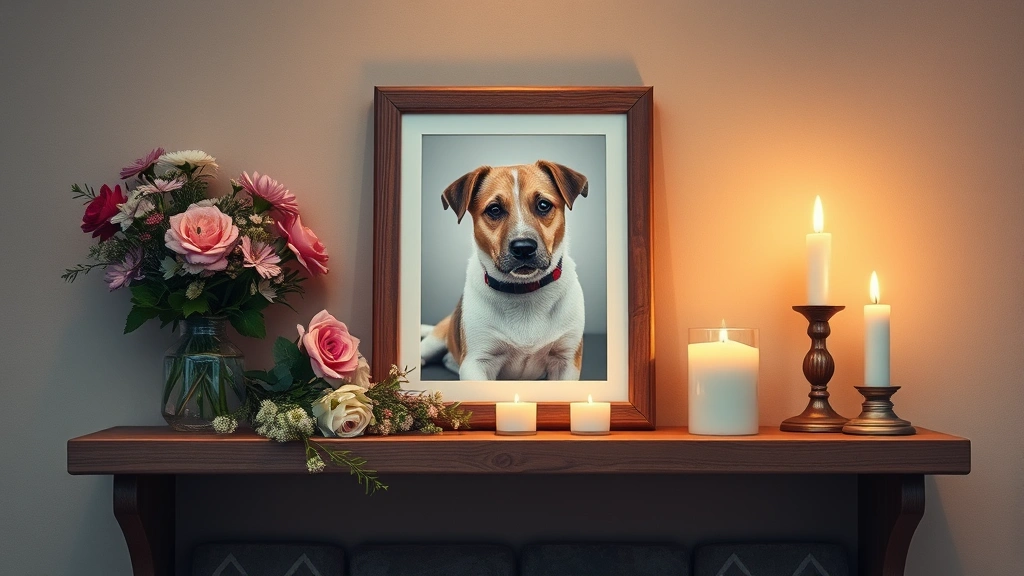
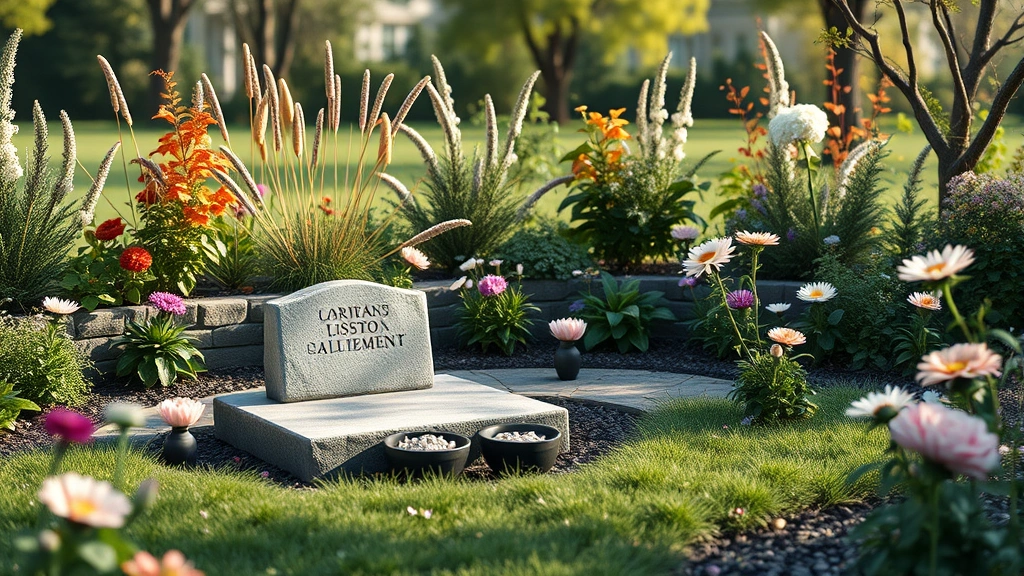
After handling the practical matters, focus on memorializing your dog and processing your grief. Many pet owners find comfort in creating a small memorial—a photo album, a framed picture, or a special box for your dog’s collar and tags. Some people plant a tree or create a garden space in honor of their dog.
Don’t underestimate the power of grief rituals. Whether it’s writing a letter to your dog, having a small ceremony with family, or donating to an animal shelter in your dog’s name, these acts can provide closure and honor your dog’s memory. Your grief is valid and deserves acknowledgment.
Dealing with Emotional Aftermath and Support Resources
The days and weeks after your dog’s death can be surprisingly difficult. You might experience waves of grief triggered by your dog’s favorite toys, their food bowl, or their sleeping spot. This is completely normal. Allow yourself to grieve fully without judgment.
Consider reaching out to pet loss support hotlines, many of which are offered free by veterinary schools. The American Veterinary Medical Association provides resources for pet loss support. Online communities and support groups specifically for pet loss can also provide comfort from others who understand your experience.
Some people find it helpful to talk to a therapist or counselor, especially if the loss triggers deeper grief. Your dog was a family member, and losing them deserves the same emotional support as any significant loss.
Helping Other Pets Adjust to the Loss
If you have other pets, they might also grieve your deceased dog. Cats and dogs can form strong bonds, and the loss of a companion can cause behavioral changes. Keep routines consistent, provide extra attention, and monitor for signs of depression or anxiety. If behavioral issues develop, consult your veterinarian about potential solutions.
Some behaviorists recommend allowing other pets to see and smell the deceased dog’s body before removal, as it can help them understand what happened. However, this isn’t necessary for all pets, and you should do what feels right for your situation.
Practical Matters: Removing Reminders and Adjusting
At your own pace, you’ll need to handle your dog’s belongings. Some people pack these items away immediately, while others need time before they can do so. There’s no right timeline. You might keep some items—a collar, a favorite toy—and donate or discard others. Many shelters and rescue organizations accept gently used pet items.
Update your home gradually. Your dog’s bed, food bowl, and leash are constant reminders of their absence. Taking time to remove or repurpose these items can help you adjust to your new routine without your furry friend.
When to Seek Professional Help
If your grief becomes overwhelming or interferes with your daily functioning weeks after your dog’s death, consider seeking professional support. Complicated grief is real, and there’s no shame in getting help. A therapist familiar with pet loss can provide valuable coping strategies and validation.
If you’re experiencing suicidal thoughts or severe depression related to your pet’s loss, please reach out to a mental health professional or crisis hotline immediately. Your life has value, and support is available.
Frequently Asked Questions
How long can I keep my dog’s body at home before cremation?
Generally, you can safely keep your dog’s body at home for 24-48 hours if stored in a cool location like a garage or basement. For longer periods, freezing is an option. Most crematoriums offer pickup services within this timeframe, so contact them as soon as possible.
Is home burial legal for dogs?
Home burial legality varies by location. Some areas allow it with specific requirements (depth, distance from water sources, property size), while others prohibit it entirely. Check with your local animal control or health department before burying your dog at home.
How much does pet cremation cost?
Individual cremation typically costs between $150-$300, while communal cremation ranges from $50-$150. Prices vary by location and service provider. Call local crematoriums for specific pricing in your area.
Should I have a necropsy performed?
A necropsy can identify the cause of unexpected death, costing $200-$500. It’s valuable if you have other pets or want to understand what happened. Discuss with your veterinarian whether it’s appropriate for your situation.
How do I help my other pets cope with losing a companion?
Maintain consistent routines, provide extra attention, and monitor for behavioral changes. Some pets benefit from seeing the deceased pet’s body. If behavioral issues persist, consult your veterinarian about anxiety management strategies.
When is it appropriate to get a new dog?
There’s no set timeline. Some people need weeks, others need months or years. Wait until your grief has softened and you’re ready for a new companion, not as a replacement but as a new relationship.
What should I do with my dog’s ashes?
Options include keeping them in an urn, scattering them in a meaningful location, planting them with a memorial tree, or dividing them among family members. Choose what feels right for honoring your dog’s memory.
Summary: Taking Care of Yourself and Your Dog’s Memory
Discovering what to do if your dog dies at home requires handling both practical and emotional aspects. Start by contacting your veterinarian, then decide on cremation or burial options. Handle your dog’s body respectfully, understand local legal requirements, and take time to process your grief. Create a memorial that honors your dog’s life, seek support when needed, and allow yourself to grieve fully. Your dog’s love and companionship mattered, and their memory deserves to be cherished.





