
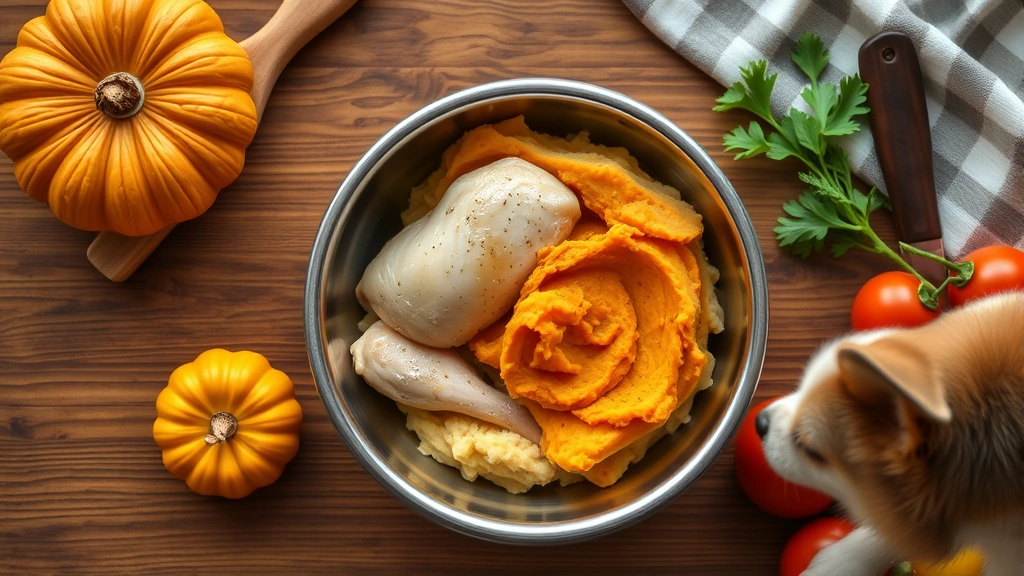
If your furry best friend is dealing with acid reflux, what to feed a dog with acid reflux becomes your new obsession—and rightfully so. Watching your pup suffer from that uncomfortable burning sensation in their esophagus is about as fun as a trip to the vet’s waiting room without the air conditioning. The good news? You’ve got serious control over helping your dog feel better through diet.
Table of Contents
- Understanding Canine Acid Reflux: Why It Happens
- The Five Best Soothing Foods for Dogs with Acid Reflux
- Foods to Absolutely Avoid with Acid Reflux Dogs
- Meal Frequency and Portion Control Matter
- Hydration and Water Management
- When to Consider Prescription Diets and Supplements
- Creating Your Dog’s Acid Reflux Diet Plan
- The Role of Exercise and Lifestyle
- Real Results: What You Can Expect
- Monitoring and Long-Term Management
- Frequently Asked Questions
- Conclusion: Your Dog’s Path to Digestive Comfort
Acid reflux in dogs isn’t some rare condition reserved for dramatic soap operas. It’s actually pretty common, especially in older dogs or those with certain health conditions. The stomach acid that’s supposed to stay down there doing its job decides to take an unauthorized field trip up the esophagus, causing irritation and discomfort. But here’s where you become the hero: the right food choices can make a world of difference.
Understanding Canine Acid Reflux: Why It Happens
Before we dive into the delicious solutions, let’s talk about why your dog’s digestive system decided to rebel. Acid reflux occurs when the lower esophageal sphincter (that little muscular gate between the stomach and esophagus) gets lazy and doesn’t close properly. Gravity, smaller meals, and certain foods can either make this worse or better.
Some dogs are just genetically predisposed to reflux issues, while others develop it after surgery, due to obesity, or because they’re getting older and their bodies aren’t as efficient. Certain breeds like Bulldogs and Pugs are notorious for digestive drama. The good news is that dietary adjustments can genuinely help manage symptoms without always needing medication.
The Five Best Soothing Foods for Dogs with Acid Reflux
Let’s get to the main event: what actually helps your dog feel better. These foods are like little healing champions for your pup’s irritated digestive tract.
1. Lean Proteins: The Gentle Muscle Builders
Protein is essential, but not all proteins are created equal when it comes to reflux management. Stick with lean options that won’t trigger excess stomach acid production. Venison is excellent for dogs with sensitive digestive systems, offering a novel protein that many dogs tolerate beautifully. Chicken breast (skinless), turkey, and fish are also stellar choices. These proteins digest more easily and don’t sit in the stomach as long as fatty meats, which means less acid production overall.
The key here is preparation: boil or bake these proteins without any seasoning, oil, or fancy cooking techniques. Your dog doesn’t need Gordon Ramsay; they need simplicity.
2. Sweet Potatoes: Nature’s Antacid
Sweet potatoes are basically the natural Tums for dogs. They’re packed with fiber, easy to digest, and have a soothing effect on the digestive tract. Plus, they’re naturally sweet, so most dogs go absolutely bonkers for them. Cook them plain (no butter, brown sugar, or marshmallows—sorry), and serve them mashed or in small chunks. The starch helps coat the esophagus and stomach lining, providing relief from irritation.
3. Pumpkin: The Digestive Superhero
Pumpkin puree (the plain kind, not pie filling) is basically the MVP of dog digestive health. It’s loaded with soluble fiber, helps regulate stomach acid, and promotes healthy digestion. A few tablespoons mixed into your dog’s meal can work wonders. It’s gentle, it’s effective, and it’s been helping dogs with digestive issues for years. This isn’t just old-timer wisdom—vets actually recommend it.
4. Bone Broth: Liquid Gold for Healing
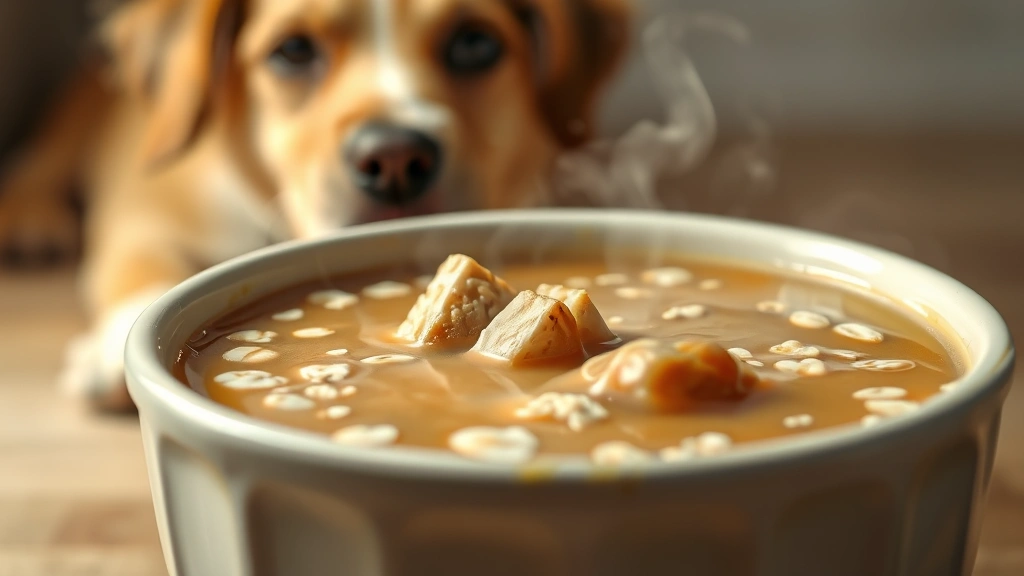
Low-sodium, homemade bone broth is like a healing elixir for inflamed digestive tracts. It contains collagen and amino acids that help repair the esophageal lining. Warm (not hot) bone broth can be served as a meal topper or even as a standalone meal a few times a week. The gelatin in the broth coats and soothes the stomach lining, reducing discomfort. Just make sure it’s completely free of onions, garlic, and other harmful ingredients.
5. Oatmeal: Soothing and Filling
Plain, cooked oatmeal (no brown sugar, honey, or chocolate) is gentle on the stomach and provides sustained energy without triggering acid production. It’s bland enough not to irritate but substantial enough to keep your dog satisfied. Cook it with water, let it cool, and serve in small portions. It’s basically comfort food for a dog’s upset digestive system.
Foods to Absolutely Avoid with Acid Reflux Dogs
Just as important as knowing what to feed your dog is knowing what to keep away from them. Fatty foods are your enemy here—they increase stomach acid production and delay gastric emptying. High-fat meats, fried foods, and rich treats are off the menu.
Spicy foods, citrus fruits, tomatoes, and anything with garlic or onions should be avoided. Chocolate is a no-go anyway, but it’s especially problematic for reflux dogs. And here’s the thing: even if your dog’s normal food is fine, it might be contributing to reflux. You might need to switch to a more digestive-friendly option. Some commercial dog foods are formulated specifically for sensitive digestion, which could be worth exploring.
Meal Frequency and Portion Control Matter
Here’s something many dog owners overlook: how often and how much your dog eats matters just as much as what they eat. Instead of one or two large meals, switch your reflux-prone pup to three or four smaller meals throughout the day. Smaller portions mean less stomach acid is needed for digestion, and the esophagus gets a break.
Portion control also helps prevent obesity, which is a major risk factor for acid reflux in dogs. Extra weight puts pressure on the abdomen and stomach, making reflux more likely. So even if your dog gives you those irresistible puppy eyes, resist the urge to overfeed.
Hydration and Water Management
Water is crucial, but timing matters. Don’t let your dog guzzle large amounts of water right after meals—this can dilute stomach acid (which sounds good) but actually increases the likelihood of reflux. Instead, offer water throughout the day in smaller amounts. Keep your pup well-hydrated, but strategically.
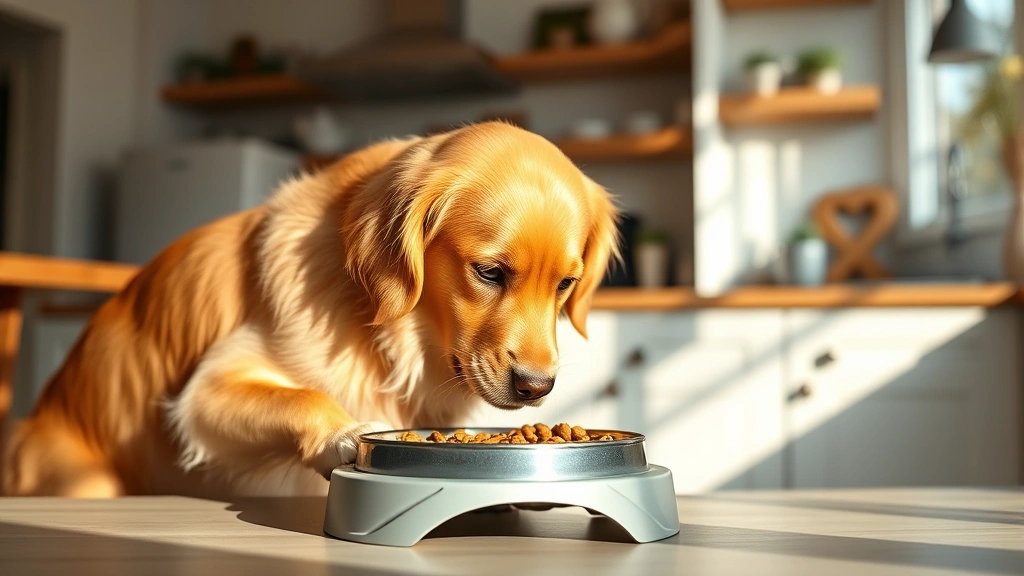
Some dogs do better with elevated food and water bowls, which can help with digestion and reduce reflux episodes. It’s a simple adjustment that costs almost nothing and might help significantly.
When to Consider Prescription Diets and Supplements
If dietary changes alone aren’t cutting it, your vet might recommend prescription diets specifically formulated for dogs with digestive issues. Brands like Hill’s Science Diet or Royal Canin have specialized formulas that are literally designed to reduce stomach acid and soothe irritated tissues.
Supplements like probiotics, slippery elm bark, and digestive enzymes can also work wonders. Probiotics promote healthy gut bacteria, slippery elm coats and protects the esophagus, and digestive enzymes help break down food more efficiently. Talk to your vet before adding supplements, but these are generally safe and effective additions to a reflux management plan.
Creating Your Dog’s Acid Reflux Diet Plan
Start by eliminating obvious triggers—fatty foods, spices, and anything your dog seems to react poorly to. Introduce the soothing foods mentioned above gradually, one at a time, so you can monitor how your dog responds. Keep a food journal if you’re feeling fancy (or just observant). Note what your dog eats and any symptoms that follow.
Work with your vet to develop a personalized plan. Some dogs might do great on a diet of boiled chicken and sweet potato, while others need more variety. Your vet can also check for underlying conditions like kidney disease or other health issues that might be contributing to reflux.
The Role of Exercise and Lifestyle
Diet is huge, but it’s not the only factor. Regular, moderate exercise helps with digestion and weight management. Just don’t let your dog run around like a maniac right after eating—wait at least an hour. Also, keeping your pup’s stress levels down can help, as stress actually increases stomach acid production. A calm, happy dog has a happier digestive system.
Real Results: What You Can Expect
Most dogs show improvement within a few weeks of dietary changes. You’ll notice fewer instances of vomiting, less regurgitation, and a generally happier pup. Some dogs improve dramatically; others see gradual progress. The timeline depends on how severe the reflux is and how well your dog’s body responds to the dietary adjustments.
Be patient and consistent. Don’t switch things up every few days expecting miracles. Give each dietary change at least two to three weeks to show results. Your dog’s digestive system needs time to adjust and heal.
Monitoring and Long-Term Management
Once you’ve found what works, stick with it. But keep monitoring your dog for any changes. As dogs age, their needs might shift. What worked perfectly last year might need tweaking now. Regular vet check-ups help catch any new issues early.
If symptoms return or worsen, don’t just assume it’s the food. There might be underlying health changes that need attention. Your vet is your best resource for troubleshooting persistent reflux issues.
Frequently Asked Questions
Can I give my dog over-the-counter antacids?
While some antacids are safe for dogs in specific doses, it’s not ideal as a long-term solution. Dietary management is the better approach. Always consult your vet before giving your dog any medication or supplement, even over-the-counter options.
Is grain-free food better for dogs with acid reflux?
Not necessarily. Grain-free diets have their own issues and aren’t automatically better for reflux. Focus on low-fat, easily digestible foods rather than getting caught up in grain-free trends. What matters is the overall composition and digestibility, not whether grains are included.
How long does it take to see improvement?
Most dogs show noticeable improvement within 2-4 weeks of dietary changes. Some improve faster, others take longer. Consistency is key—stick with the plan and give your dog’s system time to adjust.
Can I feed my reflux dog regular kibble?
Regular kibble might be too heavy and hard to digest for a dog with active reflux. Many commercial dog foods are also too high in fat. Switching to a prescription diet or home-prepared meals is often necessary during the acute phase. Once symptoms are under control, you might gradually reintroduce certain kibbles, but work with your vet on this.
What if my dog won’t eat the recommended foods?
Some dogs are pickier than others. Try different preparation methods—mashed, chunked, mixed with bone broth, or warmed up. If your dog absolutely refuses the soothing foods, talk to your vet about other options. There’s usually a solution that works for even the pickiest pups.
Should I give my dog supplements for acid reflux?
Certain supplements like probiotics and digestive enzymes can help, but check with your vet first. The American Kennel Club recommends consulting with your veterinarian before starting any supplement regimen. Your vet can recommend specific products and dosages based on your dog’s needs.
Conclusion: Your Dog’s Path to Digestive Comfort
Figuring out what to feed a dog with acid reflux doesn’t have to be complicated. Start with the basics: lean proteins, easily digestible carbs like sweet potato, and soothing foods like pumpkin and bone broth. Avoid fatty, spicy, and processed foods. Feed smaller meals more frequently. Be patient and consistent.
Your dog didn’t ask for acid reflux, but you can absolutely help them manage it through smart dietary choices. Most dogs respond beautifully to these adjustments, and you’ll have a happier, more comfortable companion. Keep working with your vet, monitor your dog’s progress, and don’t hesitate to adjust the plan as needed. With the right approach, your dog can go from uncomfortable and miserable to thriving and happy again. That’s worth the effort.





