
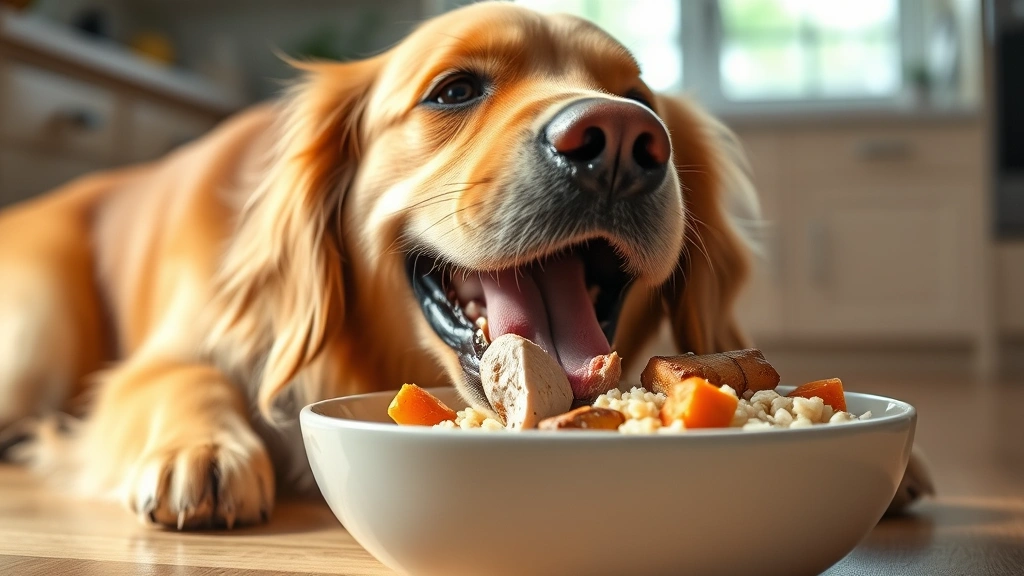
If you’re wondering what to feed a dog with inflammatory bowel disease, you’ve probably already spent a few sleepless nights watching your pup suffer through digestive drama. Inflammatory bowel disease (IBD) in dogs is like having a tiny food critic living in your dog’s stomach who rejects everything with extreme prejudice. The good news? With the right diet, you can help your furry friend feel dramatically better and get back to being their goofy, tail-wagging self.
Table of Contents
- Understanding Canine IBD: Why Diet Matters
- The Foundation: Limited Ingredient Diets for IBD Dogs
- Protein Powerhouses: Best Meat Choices for IBD Dogs
- Carbohydrates That Won’t Cause Chaos
- The Gut-Healing Power of Probiotics and Prebiotics
- Omega Fatty Acids: Nature’s Anti-Inflammatory Medicine
- Foods to Absolutely Avoid with Canine IBD
- Meal Frequency and Portion Control Strategies
- Prescription Diets vs. Home-Cooked Options
- Supplements That Support IBD Recovery
- Monitoring Progress: How to Know If the Diet Is Working
- Working with Your Veterinarian: The Essential Partnership
- Frequently Asked Questions
- Conclusion: Your IBD Dog’s Path to Better Health
Understanding Canine IBD: Why Diet Matters
Before we dive into the delicious (well, for your dog anyway) solutions, let’s talk about what’s actually happening inside your pup’s gut. Inflammatory bowel disease in dogs causes chronic inflammation of the gastrointestinal tract. This means your dog’s immune system is basically throwing a tantrum at their own digestive system. It’s not fun for anyone involved.
The symptoms are pretty unmistakable: chronic diarrhea, vomiting, weight loss, and a general “I feel miserable” attitude. The frustrating part? IBD isn’t caused by a single villain you can defeat. It’s more like a complex puzzle where diet plays a starring role in the solution.
The Foundation: Limited Ingredient Diets for IBD Dogs
When your dog has inflammatory bowel disease, simplicity becomes your best friend. Limited ingredient diets (LID) are specifically designed to reduce the number of potential irritants. Think of it as a digestive reset button.
The basic principle is straightforward: fewer ingredients mean fewer things that could trigger an inflammatory response. Most vets recommend starting with a novel protein source—something your dog hasn’t eaten before. This is where turkey is particularly valuable for dogs, as it’s a lean, digestible protein that many IBD dogs tolerate exceptionally well.
A solid limited ingredient foundation typically includes:
- One novel protein source
- One easily digestible carbohydrate
- Minimal to no fillers or artificial ingredients
- Balanced vitamins and minerals
Protein Powerhouses: Best Meat Choices for IBD Dogs
Protein is essential, but not all proteins are created equal when it comes to inflammatory bowel disease management. Your dog needs high-quality, easily digestible proteins that won’t trigger their sensitive system.
Turkey stands out as a top choice—it’s lean, highly digestible, and rarely causes adverse reactions. Salmon is another excellent option, particularly because it’s rich in omega-3 fatty acids that actively reduce inflammation throughout the digestive tract. These aren’t just good for IBD; they’re therapeutic.
Other protein options to discuss with your vet include:
- Venison (novel and easily digested)
- Duck (lean and novel)
- Rabbit (highly digestible)
- Chicken (if not previously problematic)
Avoid proteins your dog has eaten extensively before, as these are more likely to trigger sensitivities in IBD cases.
Carbohydrates That Won’t Cause Chaos
Here’s where things get interesting. Many people assume dogs with IBD should avoid carbs entirely, but that’s not quite accurate. The right carbohydrates can actually be soothing and supportive.
Sweet potatoes are excellent for dogs with digestive issues, offering easily digestible carbs plus beneficial fiber and vitamins. White rice is another classic choice—bland, gentle, and unlikely to cause problems. Some dogs also do well with pumpkin, which provides soluble fiber that can help regulate both diarrhea and constipation.
Avoid high-fiber grains and anything with corn, wheat, or soy if your dog shows sensitivities. These are common IBD triggers that can exacerbate inflammation.
The Gut-Healing Power of Probiotics and Prebiotics
Your dog’s gut bacteria are basically tiny soldiers fighting for digestive health. When IBD strikes, these soldiers need reinforcements. This is where probiotics and prebiotics become game-changers.
Probiotics introduce beneficial bacteria that help restore balance to the microbiome. Look for dog-specific probiotics with multiple strains, ideally including Lactobacillus and Bifidobacterium species. Prebiotics (like inulin from chicory root) feed the good bacteria, helping them thrive.
Some whole foods naturally support gut health too. Greek yogurt is beneficial for dogs when given in moderation, as it contains natural probiotics (just make sure it’s plain and unsweetened). Bone broth is another gut-healing superstar, providing collagen and amino acids that support intestinal lining integrity.
Omega Fatty Acids: Nature’s Anti-Inflammatory Medicine
Omega-3 and omega-6 fatty acids aren’t just buzzwords—they’re legitimate therapeutic tools for IBD management. Omega-3s actively reduce inflammation, while an appropriate balance with omega-6s supports overall health.
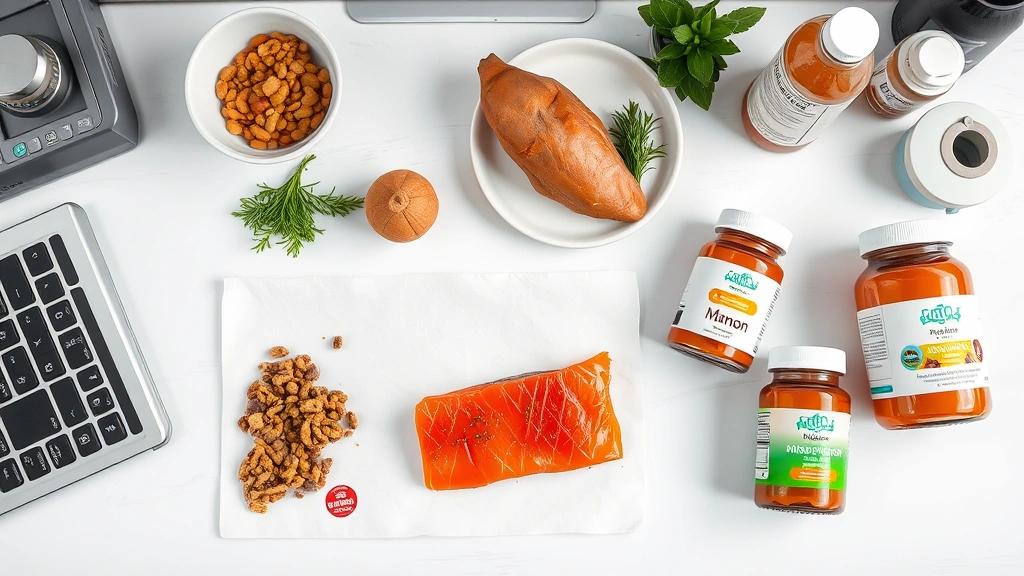
Fish-based proteins like salmon naturally provide omega-3s, but you might also consider fish oil supplements (always under veterinary guidance). The anti-inflammatory effects can be quite dramatic, with some dogs showing improvement within weeks.
The goal is achieving the right ratio—typically around 5:1 or 10:1 omega-6 to omega-3. Most commercial diets are heavily skewed toward omega-6, which is why supplementation often helps IBD dogs significantly.
Foods to Absolutely Avoid with Canine IBD
Just as important as knowing what to feed your IBD dog is knowing what to keep far, far away from their bowl. Certain foods are basically inflammatory grenades for sensitive digestive systems:
- High-fat foods: Can trigger pancreatitis and worsen inflammation
- Artificial additives: Colors, flavors, and preservatives are common triggers
- Corn, wheat, and soy: Frequently problematic for IBD dogs
- Dairy (except plain yogurt): Can cause digestive upset
- Spicy foods: Absolutely no human spices or seasonings
- Chocolate, grapes, onions, garlic: Toxic to dogs regardless of IBD status
Meal Frequency and Portion Control Strategies
How you feed your IBD dog matters just as much as what you feed them. Rather than one or two large meals, consider dividing food into three or four smaller portions throughout the day. This reduces the digestive burden and often leads to better nutrient absorption and fewer symptoms.
Portion sizes should be calculated based on your dog’s ideal weight and activity level. Your vet can provide specific recommendations, but generally, IBD dogs benefit from slightly smaller portions of more nutrient-dense food. Quality over quantity is the mantra here.
Temperature matters too—some dogs digest warm food better than cold food straight from the fridge. Warming food to room temperature or slightly warmer can improve digestibility.
Prescription Diets vs. Home-Cooked Options
You’ve got options here, and the best choice depends on your situation, budget, and your dog’s specific needs. Prescription diets formulated specifically for IBD have been tested and refined through veterinary research. Brands like Royal Canin Digestive Care or Hill’s Science Diet Sensitive Stomach are developed with IBD dogs in mind.
However, home-cooked diets can work beautifully when properly formulated with veterinary nutritionist guidance. The advantage? Complete control over ingredients and the ability to customize based on your dog’s specific triggers. The disadvantage? It requires more effort and careful nutritional balance to ensure your dog gets all necessary vitamins and minerals.
Many owners find success with a hybrid approach: starting with a prescription diet to stabilize their dog, then potentially transitioning to a carefully formulated home-cooked diet once they understand their dog’s specific triggers.
Supplements That Support IBD Recovery
Beyond the basics, certain supplements can accelerate healing. L-glutamine is an amino acid that supports intestinal lining integrity. Slippery elm bark soothes inflamed tissues. Bone broth provides collagen and gelatin that strengthen the gut barrier.
Always introduce supplements gradually and under veterinary supervision. What helps one IBD dog might not help another, and some supplements can interact with medications. Your vet is your best resource for determining which supplements make sense for your specific pup.
Monitoring Progress: How to Know If the Diet Is Working
Real talk: dietary changes don’t happen overnight. Most dogs need 8-12 weeks on a new diet before you can accurately assess whether it’s working. During this time, keep detailed notes about:
- Stool consistency and frequency
- Vomiting episodes
- Energy levels and appetite
- Weight trends
- Overall coat condition
Success looks like: normal, firm stools; reduced or eliminated vomiting; stable weight; and a dog that actually wants to play again. Some dogs show dramatic improvement; others improve gradually. Both are wins.
Working with Your Veterinarian: The Essential Partnership
Here’s the thing about IBD: it’s not a one-size-fits-all condition. What works brilliantly for one dog might do nothing for another. Your veterinarian (ideally one familiar with digestive disorders) is absolutely essential in this journey.

Before making major dietary changes, get bloodwork done to rule out other conditions. Your vet might recommend elimination diets, endoscopy, or other diagnostic tools. They can also prescribe medications that work alongside dietary changes—sometimes anti-inflammatory medications or antibiotics are necessary alongside diet modifications.
Regular follow-ups help ensure your dog is truly improving and that the diet is providing complete nutrition. This isn’t a “set it and forget it” situation; it’s an ongoing partnership between you, your vet, and your pup’s digestive system.
Frequently Asked Questions
Can dogs with IBD eat regular dog food?
Usually not effectively. Regular commercial dog foods contain multiple proteins, grains, and additives that often trigger IBD flare-ups. Limited ingredient or prescription diets are specifically formulated to minimize triggers and are much more likely to help your dog feel better.
How long does it take for a new diet to help IBD symptoms?
Most dogs need 8-12 weeks on a new diet before you can accurately assess effectiveness. Some improve within 2-3 weeks; others take longer. Patience is crucial. If there’s no improvement after 12 weeks, discuss alternative approaches with your vet.
Are there any foods that help all IBD dogs?
While individual responses vary, turkey, salmon, sweet potato, white rice, and bone broth are well-tolerated by most IBD dogs. However, the “best” diet is ultimately the one that works for your specific dog, which is why working with your vet to identify individual triggers is so important.
Can probiotics alone cure IBD in dogs?
Probiotics are helpful tools, but they’re not a cure-all. IBD typically requires a multi-faceted approach: appropriate diet, probiotics, potentially medications, and sometimes supplements. Probiotics work best as part of a comprehensive strategy.
Is it safe to switch my IBD dog’s food quickly?
No. Even with IBD, transition to new foods gradually over 7-10 days, mixing increasing amounts of new food with decreasing amounts of old food. Rapid switches can cause digestive upset even in dogs without IBD.
What should I do if my dog has a flare-up while on a new diet?
Contact your veterinarian. They might recommend temporarily simplifying the diet further (like plain chicken and rice), adjusting portions, or adding medications. Flare-ups don’t necessarily mean the diet isn’t working long-term; sometimes they indicate you need additional support during the healing process.
Can stress affect my dog’s IBD symptoms?
Absolutely. The gut-brain connection is real in dogs too. Stress, anxiety, and changes in routine can trigger flare-ups even when diet is perfect. Maintaining a calm, consistent environment supports your IBD dog’s digestive health alongside dietary management.
Conclusion: Your IBD Dog’s Path to Better Health
Figuring out what to feed a dog with inflammatory bowel disease is genuinely one of the most impactful things you can do for your pup’s health and happiness. It’s not always easy—there’s trial and error involved, and some days you’ll feel like you’re solving a digestive puzzle with missing pieces. But the payoff is absolutely worth it.
Start with limited ingredients, focus on easily digestible proteins like turkey and salmon, incorporate gut-healing foods like sweet potato and bone broth, and work closely with your veterinarian throughout the process. Add probiotics, omega fatty acids, and appropriate supplements. Monitor progress carefully, stay patient, and adjust as needed.
Most importantly, remember that your dog’s IBD is manageable. Thousands of dogs live happy, healthy lives with proper dietary management. Your pup can be one of them. The journey might take some time, but when you see your dog’s energy return, their coat improve, and their digestive troubles fade—that’s when you’ll know all the effort was absolutely worth it.
Your dog is counting on you, and you’ve got this. Now go find that perfect IBD diet and watch your furry friend thrive.





