
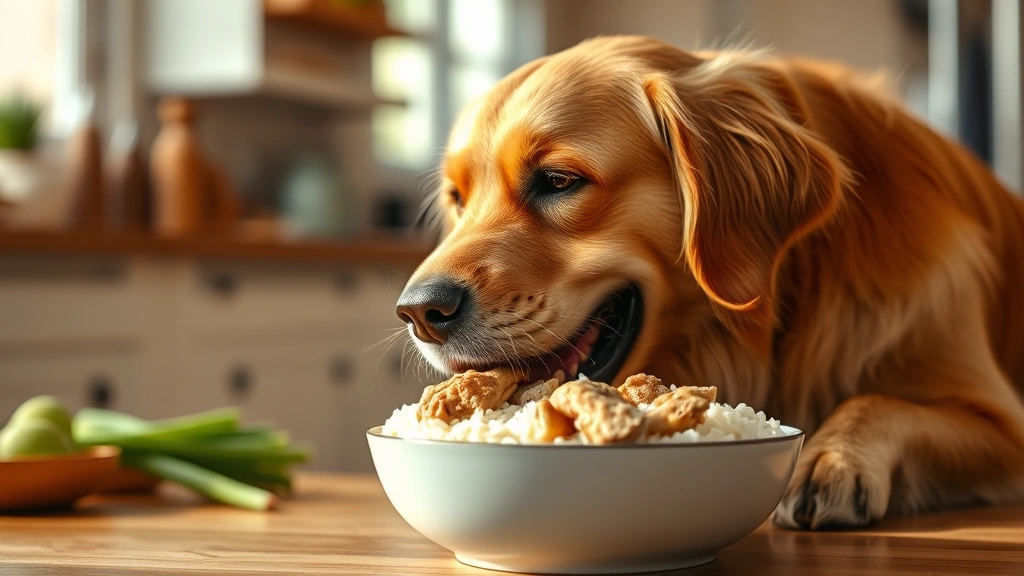
So your pup got diagnosed with pancreatitis and now you’re standing in the kitchen wondering if kibble is basically dog poison. Don’t panic—figuring out what to feed a dog with pancreatitis is totally doable, and your furry friend can absolutely thrive on the right diet. Pancreatitis is no joke (that pancreas is working overtime), but with some smart food choices, you’ll have your dog back to their tail-wagging self in no time.
Table of Contents
- Understanding Canine Pancreatitis and Dietary Needs
- Low-Fat Protein Sources: The MVP Players
- Digestible Carbohydrates That Won’t Cause Issues
- The 10 Best Foods for Dogs with Pancreatitis
- Commercial Dog Food Options for Pancreatitis
- Foods to Absolutely Avoid
- Meal Planning and Portion Control
- Supplements and Additions for Pancreatic Support
- Transitioning to a Pancreatitis Diet
- When to Call Your Vet
- Frequently Asked Questions
- Final Thoughts: Your Dog’s Pancreatitis Journey
Understanding Canine Pancreatitis and Dietary Needs
Before we dive into the good stuff your pup can munch on, let’s talk about what’s actually happening in that doggy body. Pancreatitis is inflammation of the pancreas—basically, that little organ is throwing a tantrum. When it flares up, your dog’s digestive system needs serious TLC.
The pancreas produces enzymes that help break down food, especially fats. When it’s inflamed, those enzymes can leak into the bloodstream (ouch), so your dog needs foods that don’t make the pancreas work overtime. This means low-fat is your new best friend. We’re talking less than 10% fat content in most cases, though your vet might have specific recommendations based on your dog’s severity.
Dogs with pancreatitis also need easily digestible carbs and proteins. Think of it like this: you wouldn’t ask someone with the flu to eat spicy Thai food, right? Same logic applies here.
Low-Fat Protein Sources: The MVP Players
Protein is essential for your dog’s muscle maintenance and overall health, but not all proteins are created equal when pancreatitis enters the chat. You need lean, digestible options that won’t trigger inflammation.
Chicken breast (skinless) is basically the golden ticket. It’s lean, it’s affordable, and most dogs think it’s basically filet mignon. Boil it plain with no seasoning—your dog doesn’t need salt or garlic anyway.
Turkey is another winner, especially ground turkey at 93% lean or higher. It’s slightly less common than chicken, which means it can be a nice rotation option to prevent food boredom.
Fish like salmon and whitefish contain omega-3 fatty acids that actually help reduce inflammation. Just watch the portions—even healthy fats need to stay minimal during acute flare-ups. Canned salmon in water (not oil) works great.
Eggs (cooked, no seasoning) are protein powerhouses. The yolk has more fat, so stick mostly with egg whites during severe pancreatitis, though whole eggs in moderation are fine during maintenance phases.
Lean beef is possible but trickier—you need 95% lean or higher, and even then, it’s not ideal. Your vet might suggest avoiding it altogether during acute episodes.
Digestible Carbohydrates That Won’t Cause Issues
Here’s where white rice comes into play. White rice is bland, easily digestible, and basically the poster child for pancreatitis-friendly carbs. Brown rice is nutritionally superior normally, but white rice’s simplicity makes it easier on that inflamed pancreas.
Sweet potatoes (plain, cooked, no butter or cinnamon) are packed with nutrients and fiber. They’re more nutrient-dense than white rice, so they’re excellent for the maintenance phase after acute flare-ups.
Pumpkin puree (plain canned, not pie filling) is a game-changer for digestive health. It’s low-fat, high-fiber, and helps regulate digestion without stressing the pancreas.
Oatmeal (plain, cooked) is fine in small amounts. It’s got soluble fiber that supports digestion, but keep portions modest.
Avoid corn, wheat, and soy—they’re harder to digest and can trigger inflammation in sensitive dogs.
The 10 Best Foods for Dogs with Pancreatitis
Ready for the lineup? Here are the top 10 foods your pancreatic pup can safely enjoy:
1. Boiled Chicken Breast – The MVP. Skinless, plain, and perfectly lean.
2. White Rice – Your carb foundation. Mix it with protein for balanced meals.
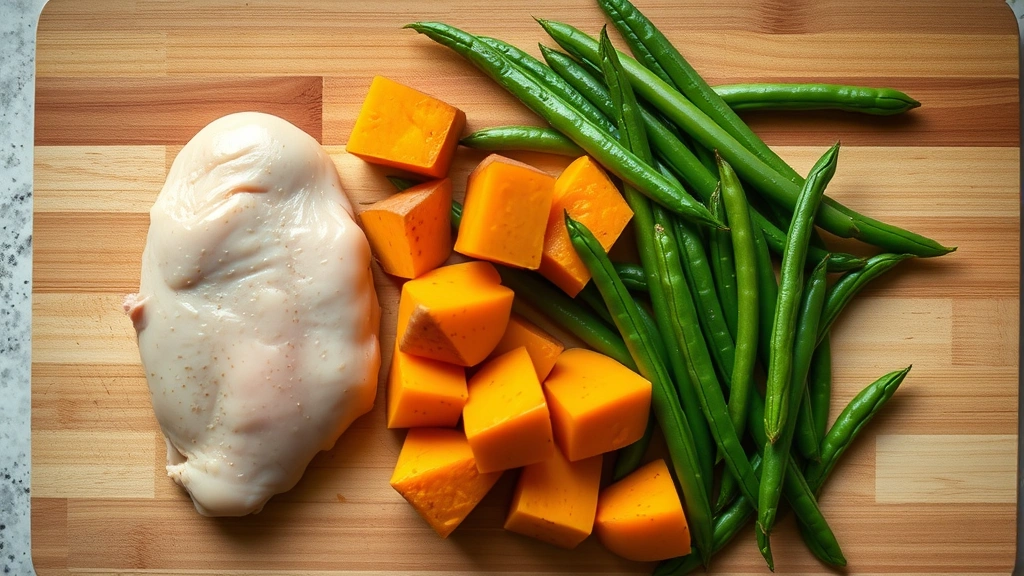
3. Sweet Potatoes – Nutrient-dense and gentle on digestion.
4. Pumpkin Puree – Fiber-rich digestive support in a can.
5. Plain Cooked Turkey – Lean protein variety to prevent boredom.
6. Boiled Eggs (Mostly Whites) – Complete protein with minimal fat.
7. Low-Fat Plain Yogurt – Probiotics for gut health (check if Greek yogurt is appropriate for your dog).
8. Green Beans – Low-calorie veggie filler that’s pancreas-safe.
9. Salmon (in water) – Omega-3s for inflammation reduction.
10. Plain Cooked Carrots – Crunchy, low-fat veggie option.
Commercial Dog Food Options for Pancreatitis
Sometimes you need a break from cooking chicken for the millionth time. Several prescription and over-the-counter diets are specifically formulated for pancreatitis management. Brands like Royal Canin, Hill’s Science Diet, and Purina Pro Plan have low-fat formulas designed for this exact situation.
These foods are tested for digestibility and fat content, which takes the guesswork out. Your vet can recommend specific brands based on your dog’s needs. If you’re considering switching from something like Pedigree or other standard brands, talk to your vet first—they might have specific recommendations for your dog’s situation.
Prescription diets are often more expensive but provide peace of mind that your dog is getting exactly what they need nutritionally while managing pancreatitis.
Foods to Absolutely Avoid
Just as important as knowing what to feed your dog is knowing what to keep away. High-fat foods are the enemy—they’re literally what triggers pancreatitis flare-ups.
Avoid: fatty meats, bacon, sausage, fried foods, cheese, butter, oils, nuts (especially macadamia), avocado, chocolate, grapes, onions, and garlic. Even mayo and other high-fat condiments are no-goes.
Table scraps are particularly dangerous because you never know exactly what’s in them or how much fat they contain. Your dog might give you those sad puppy eyes, but your pancreas-compromised pup will thank you for staying strong.
Treats designed for regular dogs often contain too much fat. Stick to low-fat options or make your own (plain boiled chicken pieces work great).
Meal Planning and Portion Control
Portion control is crucial. Smaller, more frequent meals (3-4 times daily instead of 1-2) are easier on the pancreas than huge meals. A good starting point is about 1-2% of your dog’s body weight in food daily, split into multiple meals, but your vet should give you specific guidance.
For a 50-pound dog, that’s roughly 0.5-1 pound of food daily. If you’re doing homemade meals, aim for a ratio of about 40% protein, 50% carbs, and 10% or less fat.

Keep a food diary. Seriously. Note what you feed your dog and how they respond. This helps you identify triggers and shows patterns to your vet. Some dogs do great on chicken and rice; others might need different proteins.
Supplements and Additions for Pancreatic Support
Beyond just food, some supplements can help. Digestive enzymes (especially pancreatic enzymes) can help your dog break down food more easily. Probiotics support gut health and reduce inflammation. Omega-3 supplements (from fish oil) have anti-inflammatory properties.
Always check with your vet before adding supplements—some can interact with medications or make pancreatitis worse if chosen incorrectly. Your vet might recommend specific brands or dosages.
Transitioning to a Pancreatitis Diet
Don’t just switch your dog’s food cold turkey (pun intended). Gradual transitions over 7-10 days prevent digestive upset. Mix increasing amounts of new food with decreasing amounts of old food. Day 1-2: 25% new, 75% old. Day 3-4: 50/50. Day 5-7: 75% new, 25% old. Day 8+: 100% new.
If your dog has acute pancreatitis, your vet might recommend a brief fasting period (12-24 hours) before starting the new diet. This gives the pancreas a chance to calm down.
When to Call Your Vet
Monitor your dog closely during dietary changes. Contact your vet if you notice vomiting, diarrhea, lethargy, loss of appetite, or abdominal pain. These could indicate the new diet isn’t working or that pancreatitis is flaring up.
Regular vet check-ups (every 3-6 months initially) help ensure your dog’s pancreatitis is managed well. Your vet might do bloodwork to check pancreatic enzymes and adjust the diet accordingly.
Frequently Asked Questions
Can dogs with pancreatitis eat normal dog food?
Most standard commercial dog foods have too much fat for pancreatitis management. You’ll need to switch to low-fat prescription diets or carefully prepared homemade meals. Always consult your vet before making dietary changes.
Is pancreatitis in dogs curable?
Pancreatitis can be managed but not cured. Chronic pancreatitis requires lifelong dietary management. Acute pancreatitis might resolve with proper treatment and diet, but the dog remains at risk for future flare-ups.
How long does it take for a dog to recover from pancreatitis?
Acute pancreatitis might improve within days to weeks with proper care. Chronic pancreatitis requires ongoing management. Some dogs feel better within a week of dietary changes; others take longer. Your vet can give you a timeline specific to your dog.
Can I feed my dog with pancreatitis homemade food?
Yes, homemade food can work great for pancreatitis management, but it must be properly balanced. Work with your vet or a veterinary nutritionist to ensure your dog gets all necessary nutrients. It requires more effort than commercial diets but gives you complete control over ingredients.
What about treats for dogs with pancreatitis?
Treats should be low-fat and minimal. Plain boiled chicken pieces, carrots, or green beans work well. Skip commercial treats unless they’re specifically formulated for low-fat diets. Treats should make up less than 5-10% of daily calories.
Can pancreatitis be prevented?
While you can’t completely prevent pancreatitis, maintaining a healthy weight, avoiding high-fat foods, and preventing obesity significantly reduce risk. Some breeds are genetically predisposed, but proper diet management helps.
Final Thoughts: Your Dog’s Pancreatitis Journey
Discovering what to feed a dog with pancreatitis might seem overwhelming at first, but you’ve got this. The good news? Your dog doesn’t need fancy, complicated foods. They need simple, lean proteins, easily digestible carbs, and minimal fat. Boiled chicken and white rice might seem boring to us, but to your pup, it’s probably delicious.
The key is consistency, portion control, and working closely with your vet. Every dog is different—what works perfectly for one pancreatitis pup might not work for another. Be patient with yourself and your dog during this adjustment period.
Your dog’s pancreas will thank you for the low-fat love, and you’ll get your happy, healthy companion back. Keep monitoring, stay in touch with your vet, and remember: you’re doing an amazing job caring for your furry friend through this health challenge.
For more information on specialized diets, check out our guide on kidney diets for dogs, which covers similar dietary management principles for other health conditions.





