
When your furry best friend isn’t feeling their best, figuring out what to feed a sick dog can feel like you’re trying to solve a puzzle while blindfolded. One minute they’re their normal, tail-wagging selves, and the next they’re turning their nose up at their favorite kibble. The good news? You don’t need a veterinary degree to help your pup bounce back to health. With the right foods and a little patience, you can support their recovery and get them feeling like themselves again.
Table of Contents
- Understanding Your Sick Dog’s Nutritional Needs
- The Role of Protein in Canine Recovery
- Rice and Bland Carbohydrates: The Foundation
- Pumpkin: Nature’s Digestive Wonder
- Bone Broth and Hydration Support
- Eggs: The Perfect Protein Powerhouse
- The Importance of Small, Frequent Meals
- Foods to Absolutely Avoid When Your Dog Is Sick
- Transitioning Back to Regular Food
- When to Call the Vet: Red Flags to Watch
- Creating a Sick Dog Meal Plan
- Frequently Asked Questions
- Conclusion: Supporting Your Dog’s Recovery Journey
Understanding Your Sick Dog’s Nutritional Needs
Before we dive into the specifics of what to feed a sick dog, it’s crucial to understand that sick dogs have different nutritional requirements than healthy ones. When dogs are ill, their digestive systems are often compromised, making it harder for them to process regular food. Their immune systems are working overtime, so they need easily digestible nutrients that won’t tax their already struggling bodies. Think of it like this: if you had the flu, you wouldn’t want a heavy steak dinner, right? The same applies to your pup. The goal is to provide nutrition that’s gentle on the stomach while still supporting their recovery.
The Role of Protein in Canine Recovery
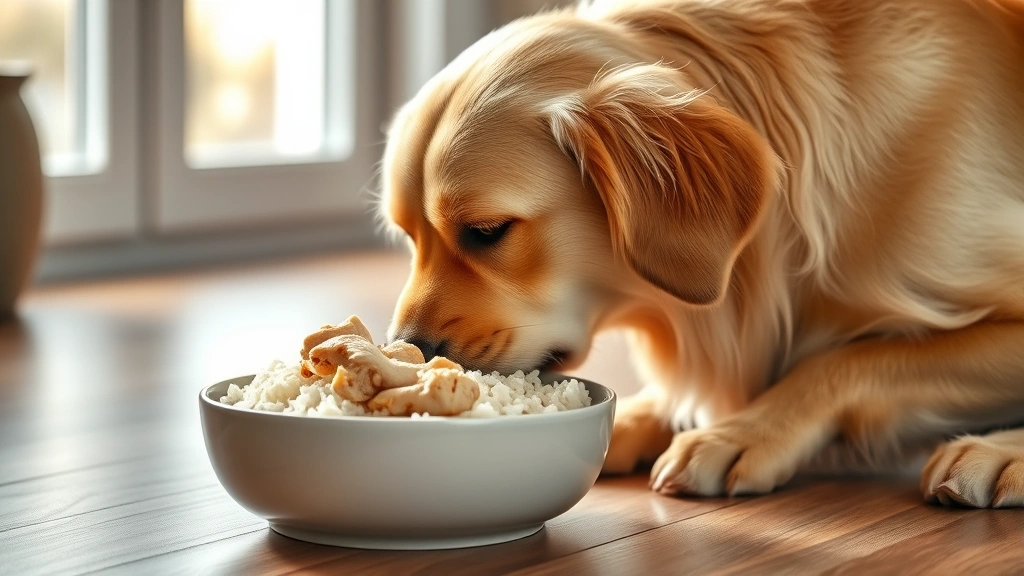
Protein is the building block of life, and it’s especially important when your dog is sick. However, not all proteins are created equal when your pup is under the weather. High-quality, easily digestible proteins like chicken, turkey, and fish are your best friends here. Rotisserie chicken is an excellent option for sick dogs because it’s soft, flavorful, and packed with lean protein. Turkey is another fantastic choice that’s gentle on sensitive stomachs. These proteins help rebuild muscle mass and support immune function without overwhelming a compromised digestive system. Your vet might also recommend limited ingredient dog food to minimize digestive upset during recovery.
Rice and Bland Carbohydrates: The Foundation
Plain white rice has been a staple in sick dog diets for generations, and for good reason. It’s bland, easy to digest, and provides carbohydrates that give your dog energy without causing stomach upset. When preparing rice for your sick pup, skip the salt, butter, and seasonings—we’re going for boring here, and that’s exactly what we want. Sweet potato is another excellent carbohydrate option that’s packed with vitamins and minerals while remaining gentle on the digestive system. The combination of plain rice or sweet potato with a lean protein creates a simple, effective meal that won’t aggravate your dog’s stomach.
Pumpkin: Nature’s Digestive Wonder
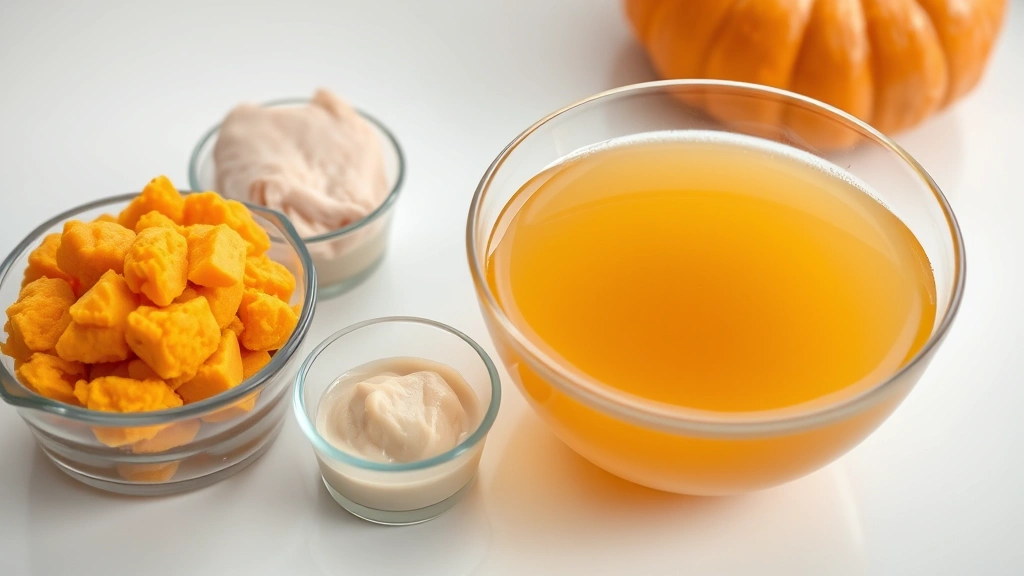
If your sick dog is experiencing digestive issues, pumpkin might just be your new favorite ingredient. This humble orange vegetable is a powerhouse for canine digestive health, whether your pup is dealing with diarrhea or constipation. Plain canned pumpkin (not pumpkin pie filling, which contains added sugars) is easy to mix into meals and provides fiber that helps regulate digestion. Many vets recommend a tablespoon or two mixed into your dog’s food, and most dogs actually enjoy the slightly sweet taste. It’s one of those rare situations where something that’s good for your dog actually tastes decent to them too.
Bone Broth and Hydration Support
Keeping your sick dog hydrated is absolutely critical, especially if they’re dealing with vomiting or diarrhea. Bone broth is a fantastic way to encourage fluid intake while providing nutrients and collagen that support gut health. You can make it at home by simmering bones (without seasoning) for hours, or purchase dog-safe versions from pet stores. Just make sure there are no onions, garlic, or excessive salt. If your dog is severely dehydrated, Pedialyte is a safe option for dogs that can help replace lost electrolytes. The combination of bone broth and proper hydration creates an ideal environment for your dog’s body to heal itself.
Eggs: The Perfect Protein Powerhouse
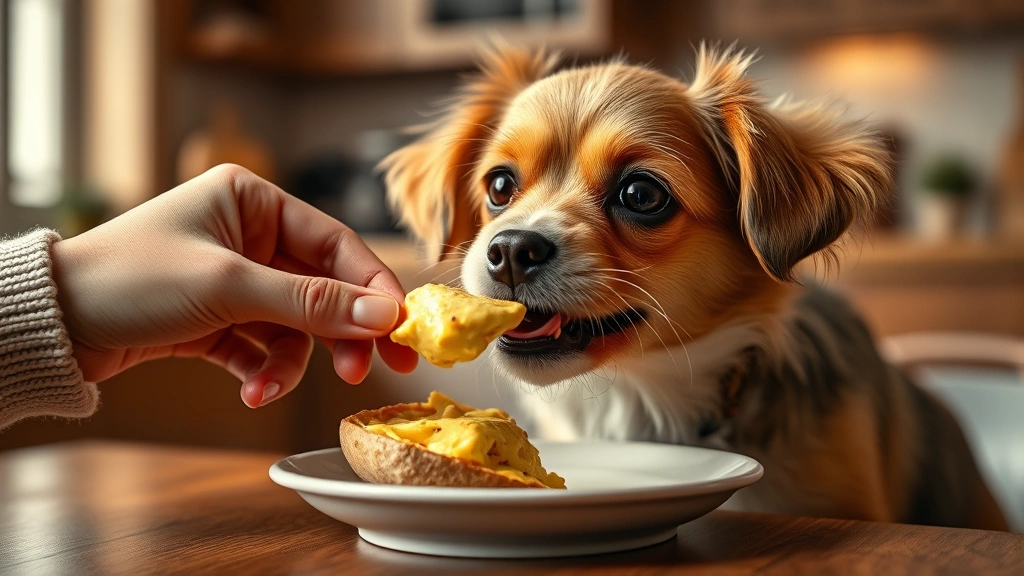
Scrambled eggs are a nutritional goldmine for sick dogs. They’re packed with easily digestible protein, contain essential amino acids, and most dogs find them absolutely delicious. The beauty of eggs is their versatility—you can serve them plain, mixed with rice, or combined with a bit of pumpkin. Just make sure they’re cooked thoroughly and served without any seasoning or added fats. Many veterinarians recommend eggs as a transition food when moving from a sick dog diet back to regular food, making them perfect for the entire recovery journey.
The Importance of Small, Frequent Meals
When your dog is sick, portion control becomes just as important as food selection. Instead of serving one or two large meals, try offering three to four smaller meals throughout the day. This approach reduces the burden on their digestive system and helps maintain stable energy levels during recovery. Small, frequent meals also make it easier to monitor your dog’s appetite and adjust portions as they improve. If your pup is dealing with diarrhea but is acting fine otherwise, smaller meals can actually help stabilize their digestive system faster.
Foods to Absolutely Avoid When Your Dog Is Sick
Just as important as knowing what to feed your sick dog is understanding what to keep away from them. Fatty foods, dairy products, and high-fiber foods can all exacerbate digestive upset. Avoid anything with garlic, onions, chocolate, grapes, or raisins, as these are toxic to dogs regardless of their health status. Skip the seasonings, oils, and anything processed. During recovery, your dog doesn’t need fancy meals—they need simple, clean nutrition that their body can easily process. When in doubt, stick to the basics and consult your vet about specific foods.
Transitioning Back to Regular Food
As your dog starts feeling better, you’ll need to gradually transition them back to their regular diet. This process typically takes about a week and involves slowly mixing their normal food with the recovery diet. Start by making meals 75% recovery food and 25% regular food, then adjust the ratio over several days. This gradual approach prevents digestive upset and allows your dog’s system to readjust to their normal diet. If your dog has been on low protein dog food during recovery, your vet can advise you on the best way to transition to a more balanced diet.
When to Call the Vet: Red Flags to Watch
While home care and proper nutrition can work wonders, some situations require professional veterinary attention. If your dog shows signs of severe dehydration, persistent vomiting, bloody stools, lethargy that doesn’t improve, or loss of appetite lasting more than 24 hours, contact your vet immediately. These symptoms could indicate serious underlying conditions that need professional diagnosis and treatment. Remember, nutrition is a supporting role in recovery—your veterinarian is the star of the show when it comes to diagnosing and treating illness.
Creating a Sick Dog Meal Plan
Now that you understand the principles of feeding a sick dog, let’s put it together into a practical meal plan. A typical day might include: breakfast of plain scrambled eggs with a bit of pumpkin, a mid-morning snack of bone broth, lunch of boiled chicken with white rice, and dinner of sweet potato with turkey. Each meal is small, easily digestible, and provides the nutrients your dog needs to heal. You can adjust portions based on your dog’s size and appetite, but the general structure remains the same. The key is consistency and simplicity—your sick pup needs predictability right now.
Frequently Asked Questions
How long should I feed my dog a sick dog diet?
Most dogs recover within 3-7 days with proper nutrition and care. However, the duration depends on the underlying cause of illness. Some conditions require extended recovery periods. Always follow your veterinarian’s recommendations for how long to maintain a sick dog diet, and gradually transition back to regular food as your dog improves.
Can I use commercial wet food for a sick dog?
Some commercial wet foods designed for sensitive stomachs can work, but homemade meals are often better during acute illness. If you choose commercial options, look for limited ingredient formulas with easily digestible proteins. Always check with your vet before introducing any new food, even if it’s marketed for sick dogs.
Is it okay to add supplements to my sick dog’s food?
While some supplements can support recovery, never add anything without veterinary approval. Probiotics specifically designed for dogs can be helpful for digestive issues, but your vet should recommend the specific type and dosage. Some supplements can interfere with medications or worsen certain conditions.
What if my sick dog refuses to eat?
Loss of appetite is concerning and should be reported to your vet. In the meantime, try warming food slightly to enhance aroma, hand-feeding small amounts, or offering bone broth alone. If your dog refuses food for more than 24 hours, professional veterinary care is necessary.
Can I give my sick dog treats?
During acute illness, skip treats entirely. Once your dog is improving and eating well, you can introduce very small, simple treats like plain cooked vegetables or a tiny piece of boiled chicken. Save the fancy treats for when they’re fully recovered.
Conclusion: Supporting Your Dog’s Recovery Journey
Knowing what to feed a sick dog empowers you to play an active role in your pet’s recovery. By focusing on easily digestible proteins like chicken and turkey, combining them with bland carbohydrates like rice, and incorporating digestive aids like pumpkin, you create an ideal nutritional foundation for healing. Remember that every dog is unique, and what works for one might not work for another—this is where your veterinarian becomes invaluable. They can provide specific recommendations based on your dog’s condition, age, and health history. With patience, proper nutrition, and veterinary guidance, your furry friend will be back to their normal, mischievous self in no time. And when they are, you’ll have the satisfaction of knowing you played a crucial role in their recovery.





