

So your pup’s running hot—literally. You’ve noticed your dog acting lethargic, refusing treats (the horror!), and when you touch their nose, it feels like they’ve been sunbathing on the asphalt. Now you’re wondering: what to give a dog for fever? Before you panic or raid your medicine cabinet, let’s talk about safe, effective ways to help your feverish friend feel better.
Table of Contents
- Understanding Your Dog’s Fever: Know the Signs
- Safe Home Remedies for Canine Fever Relief
- Medications: When and What to Use
- Dietary Adjustments During Fever
- When to Call Your Vet Immediately
- Preventing Future Fevers in Your Dog
- Natural Supplements and Immune Support
- The Recovery Period: What to Expect
- When Your Dog Has Diarrhea or Other Symptoms
- Professional Veterinary Treatment Options
- Frequently Asked Questions
- Summary: Your Action Plan for Feverish Dogs
A fever in dogs typically means their body is fighting something—an infection, inflammation, or illness. Unlike humans who complain about every sniffle, dogs can’t tell us when they’re uncomfortable, so recognizing fever symptoms and knowing how to respond is crucial for any pet parent.
Understanding Your Dog’s Fever: Know the Signs
First things first: how do you even know if your dog has a fever? A dog’s normal body temperature ranges from 101°F to 102.5°F (38.3°C to 39.2°C), which is already warmer than humans. If your dog’s temperature climbs above 103°F (39.4°C), they’ve got a fever worth addressing.
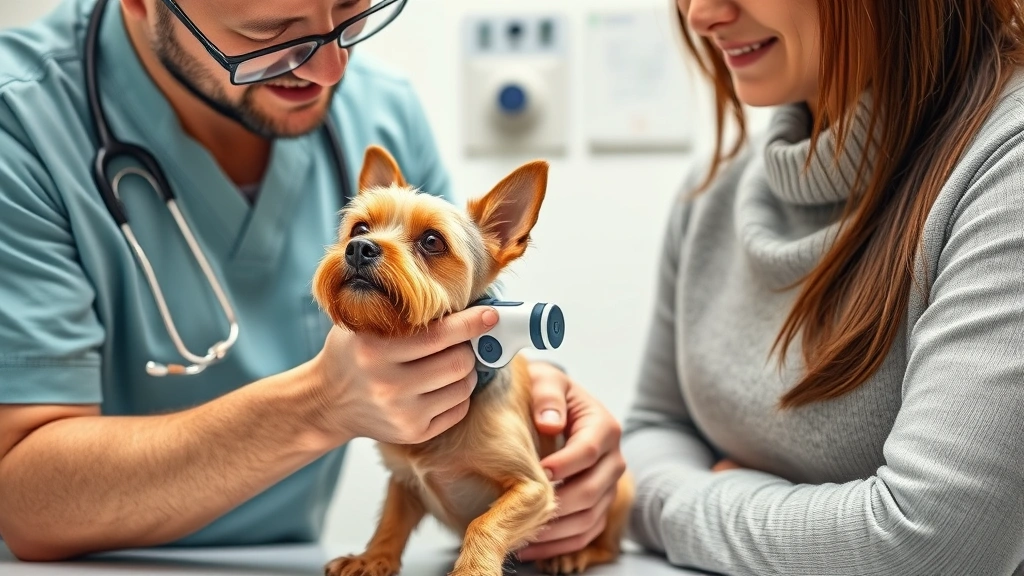
Signs your dog might be running hot include lethargy, loss of appetite, shivering despite warmth, warm ears, and a dry nose. Some dogs become clingy and seek cool spots obsessively. If you notice these symptoms, grab a rectal thermometer (yes, rectal—it’s the most accurate) and take their temperature. This information will be gold when you contact your vet.
Safe Home Remedies for Canine Fever Relief
When your dog has a fever, several safe remedies can help bring their temperature down while you arrange a vet visit. These aren’t replacements for professional care, but they’re excellent supportive measures.
1. Cool Water Therapy
One of the simplest and safest approaches is cool water therapy. Soak your dog’s paws in cool (not cold) water for 15-20 minutes. You can also apply cool, damp cloths to their belly, armpits, and inner thighs where blood vessels are closer to the surface. This helps dissipate heat naturally. Avoid ice baths—they can cause blood vessels to constrict, actually trapping heat inside.
2. Increased Hydration
Fever dehydrates dogs faster than a road trip without water breaks. Encourage your pup to drink more by offering fresh, cool water frequently. If they’re not interested in plain water, try low-sodium chicken broth (cooled) or water-based treats like ice chips or watermelon. Proper hydration supports their immune system and helps regulate body temperature.
3. Rest in Cool Environments
Create a cool, comfortable space for your dog to recover. Turn down the thermostat, use fans strategically, and provide access to tile or hardwood floors (cooler than carpet). A cool bed or even a damp towel can help. Your dog will naturally seek comfort, so make the cool zones appealing and accessible.
Medications: When and What to Use
Here’s where many pet parents get confused: never give your dog fever-reducing medication without veterinary guidance. Ibuprofen and naproxen are toxic to dogs and can cause serious gastrointestinal damage. Acetaminophen is also dangerous for our furry friends.
Your vet might recommend dog-safe fever medication like carprofen (Rimadyl) or meloxicam, which are NSAIDs designed specifically for canine use. These are prescription-only because they require proper dosing based on your dog’s weight and health status. Some vets might suggest aspirin in specific situations, but again—only under professional guidance.
Always consult your veterinarian before administering any medication. They’ll determine the underlying cause of the fever and prescribe appropriate treatment. A fever is often your dog’s immune system working properly, so sometimes letting it run its course (while providing comfort) is the best approach.
Dietary Adjustments During Fever
When your dog’s running hot, their appetite typically tanks. Don’t force-feed them their regular kibble. Instead, offer bland, easily digestible foods like boiled chicken, rice, or pumpkin puree. These gentle options won’t stress their digestive system while they’re fighting off infection.
Keep portions small and frequent rather than one large meal. If your dog refuses food entirely for more than 24 hours, contact your vet. Prolonged appetite loss combined with fever can indicate a serious condition requiring professional intervention.
When to Call Your Vet Immediately
Some fever situations demand urgent veterinary attention. Head to the emergency vet if your dog’s temperature exceeds 105°F (40.5°C), if the fever persists beyond 48 hours, or if your dog shows signs of severe illness like difficulty breathing, seizures, or extreme lethargy. Also seek help if your dog is very young, very old, or has pre-existing health conditions.
A fever lasting more than a few days suggests an underlying infection or illness that needs professional diagnosis. Your vet might run blood work, urinalysis, or imaging to identify the culprit. Early intervention often means faster recovery and fewer complications.
Preventing Future Fevers in Your Dog
While you can’t prevent every illness, you can reduce fever risk through preventive care. Keep your dog’s vaccinations current—this protects against common infectious diseases. Maintain good hygiene, provide regular exercise, and feed a balanced diet to support immune function.
Limit exposure to sick animals, keep your dog away from contaminated water sources, and watch for signs of parasites. Regular vet check-ups catch potential problems before they develop into fever-causing conditions. If your dog has underlying health issues like those requiring a kidney diet for dogs, following your vet’s recommendations helps prevent complications that might trigger fever.
Natural Supplements and Immune Support
Some pet parents swear by natural supplements for immune support. Probiotics, omega-3 fatty acids, and vitamin C might help boost your dog’s immune system, though evidence is mixed. Always discuss supplements with your vet before introducing them—some can interact with medications or cause issues in dogs with certain conditions.
Bone broth (unsalted, made specifically for dogs) can provide hydration and nutrients during recovery. Turmeric has anti-inflammatory properties, though the amounts matter—consult your vet about appropriate dosing. Never assume “natural” means safe; some natural substances are toxic to dogs.
The Recovery Period: What to Expect
Once your dog’s fever breaks, they’re not immediately back to normal. Recovery takes time. Your pup might remain lethargic for several days as their body heals. Continue offering supportive care—cool environments, plenty of water, and bland food. Gradually reintroduce their regular diet as appetite returns.
Monitor their temperature daily for a week post-fever to ensure it stays normal. If fever returns, contact your vet immediately. Some conditions cause recurring fevers that need ongoing treatment. Watch for any lingering symptoms like dry cough and gagging, which might indicate a secondary infection or complication.
When Your Dog Has Diarrhea or Other Symptoms
Fever often accompanies other symptoms. If your dog has fever plus diarrhea but is acting fine, it’s still worth a vet visit—the combination suggests gastrointestinal infection. Similarly, if fever coincides with skin issues, allergic reactions, or you’re considering alternatives to medications like alternatives to Apoquel for dogs, your vet can address everything holistically.
Professional Veterinary Treatment Options
Your vet might recommend several approaches depending on the fever’s cause. Antibiotics treat bacterial infections. Antiviral medications address viral infections (though many viral infections simply need supportive care). IV fluids help severely dehydrated dogs. Some conditions require hospitalization for monitoring and intensive care.

Blood work identifies whether the fever stems from infection, inflammation, immune disorders, or other causes. Ultrasounds or X-rays might reveal underlying issues like tumors or organ problems. Your vet’s diagnostic approach ensures your dog receives targeted treatment rather than guessing games.
Frequently Asked Questions
Can I give my dog aspirin for a fever?
Only under veterinary supervision and at prescribed doses. Aspirin can help some dogs but carries risks of gastrointestinal upset and bleeding. Never self-dose—your vet will determine if aspirin is appropriate for your specific dog and situation.
How long does a dog fever typically last?
Most fevers resolve within 48-72 hours once treatment begins. If your dog’s fever persists beyond three days, additional investigation is needed to identify the underlying cause. Some chronic conditions cause recurring fevers requiring ongoing management.
Is a fever always bad for dogs?
Not necessarily. Fever is your dog’s immune system fighting infection. Low-grade fevers (103-104°F) might be beneficial, allowing the body to combat pathogens more effectively. However, high fevers (above 105°F) are dangerous and require immediate intervention.
Should I keep my feverish dog isolated from other pets?
If the fever stems from a contagious infection, yes—isolate your dog to prevent spreading illness to other animals. Your vet will advise whether isolation is necessary based on the diagnosis. Most viral infections are highly contagious, while some bacterial infections are less transmissible.
What’s the difference between fever and heat stroke in dogs?
Fever is an internal temperature elevation triggered by illness or infection—the body’s thermostat is reset higher. Heat stroke occurs when a dog’s body temperature rises dangerously due to environmental heat or overexertion, and their cooling mechanisms fail. Heat stroke is a medical emergency requiring immediate cooling and vet care.
Summary: Your Action Plan for Feverish Dogs
When your dog develops a fever, remember: stay calm and act methodically. Take their temperature to confirm fever, note any accompanying symptoms, and contact your vet promptly. While waiting for professional guidance, provide comfort through cool water therapy, increased hydration, and rest in cool environments.
Never administer human medications—they’re dangerous for dogs. Stick to supportive care and veterinary-approved treatments. Most fevers resolve quickly with proper care, but persistent fevers require professional investigation to rule out serious conditions.
Your dog depends on you to recognize illness and seek help promptly. By understanding what to give a dog for fever and when to call the vet, you’re equipped to handle this common health challenge. Your pup will be back to their normal, adorable self soon enough.





