
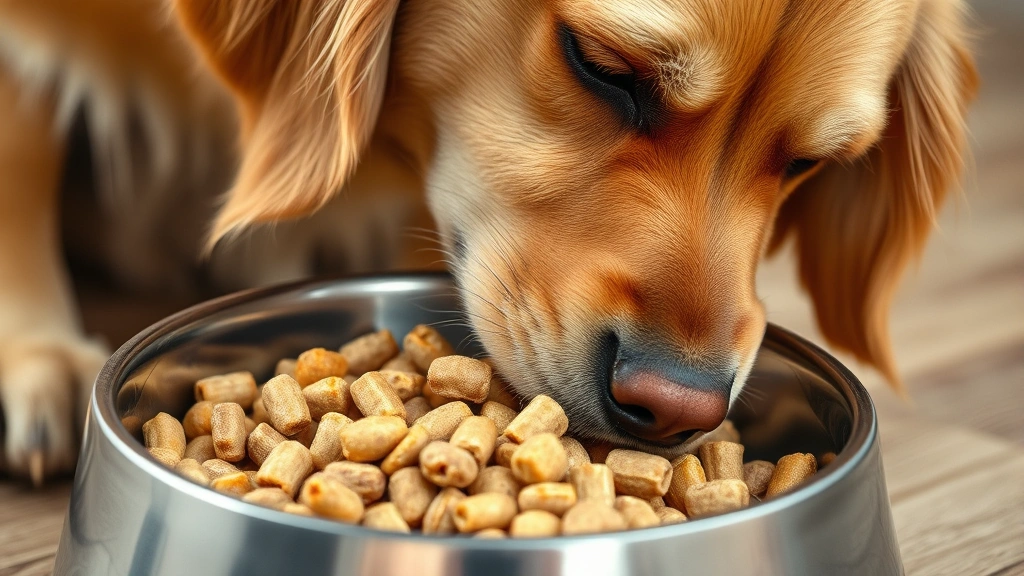
Let’s be honest—discovering your dog has a poop-eating habit is absolutely disgusting, and figuring out what to put in dog food to stop eating poop becomes your new obsession. This behavior, called coprophagy, affects countless dog owners and can make you question everything about your furry friend’s dignity (and yours). The good news? There are real, science-backed solutions you can add to your dog’s meals that actually work.
Table of Contents
- Why Do Dogs Eat Poop in the First Place?
- The Nutritional Deficiency Connection
- Solution 1: Add Mashed Pumpkin to Their Diet
- Solution 2: Incorporate Digestive Enzymes and Probiotics
- Solution 3: Switch to High-Quality Protein Sources
- Solution 4: Add Turmeric for Anti-Inflammatory Benefits
- Solution 5: Balance Their Diet with Proper Carbohydrates
- Choosing Quality Dog Food as the Foundation
- Behavioral and Environmental Factors Matter Too
- When to See a Veterinarian
- Summary: Your Action Plan
- Frequently Asked Questions
Why Do Dogs Eat Poop in the First Place?
Before we dive into solutions, understanding why your dog is basically a tiny poop vacuum helps tremendously. Dogs eat feces for several reasons: nutritional deficiencies, digestive issues, boredom, anxiety, or simply because they’re curious little goofballs. Sometimes it’s a medical issue that needs veterinary attention. Other times, it’s behavioral. The key is identifying the root cause so you can pick the right food additive solution.

The Nutritional Deficiency Connection
One major culprit behind coprophagy is incomplete or poorly balanced dog food. Your pup might be eating poop because they’re literally starving for certain nutrients. This is where strategic food additions come into play. Dogs lacking essential enzymes, amino acids, or trace minerals often turn to feces as a desperate attempt to fill nutritional gaps. It sounds gross, but it’s actually their body’s way of saying, “Hey, I need something you’re not giving me.”

Solution 1: Add Mashed Pumpkin to Their Diet
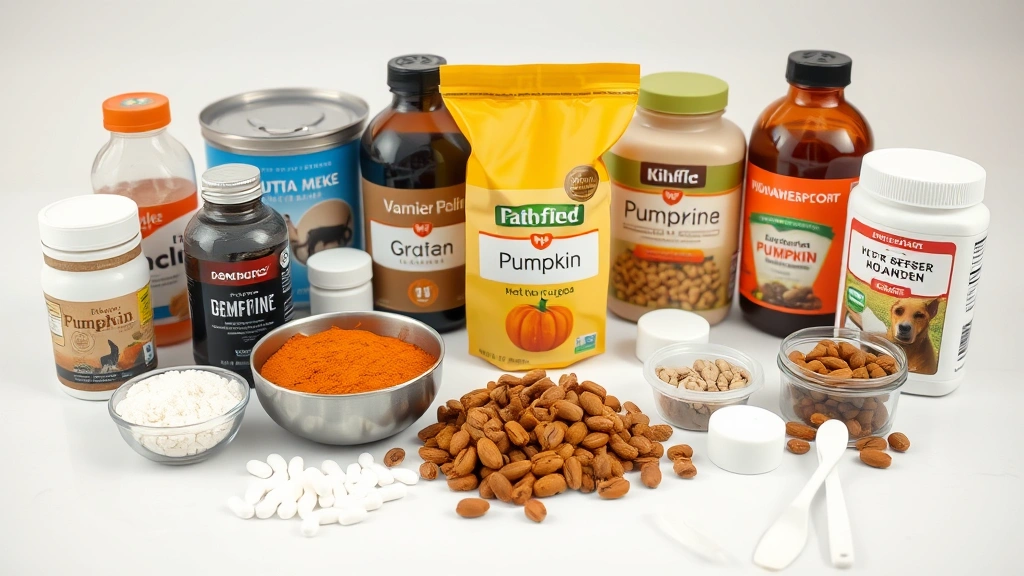
Pumpkin is like the miracle worker of dog digestion. Mashed pumpkin for dogs is packed with fiber and helps regulate their digestive system, making their stool less appealing (and less appetizing to them, thankfully). The fiber content also makes them feel fuller longer, reducing the urge to snack on feces. Add 1-4 tablespoons of plain canned pumpkin (not pie filling) to their regular food daily, depending on their size. Your vet can give you exact dosing, but most dogs see improvement within a week.
Solution 2: Incorporate Digestive Enzymes and Probiotics
Digestive enzymes break down food more efficiently, meaning your dog absorbs more nutrients and feels satisfied longer. Probiotics support gut health and improve nutrient absorption even further. When you add quality enzyme supplements to their meals, you’re essentially giving their digestive system superpowers. This addresses the root cause—nutritional deficiency—rather than just masking the symptom. Sprinkle these powders right onto their kibble or wet food.
Solution 3: Switch to High-Quality Protein Sources
Not all dog foods are created equal. If your pup is munching on low-grade kibble filled with fillers and by-products, they’re not getting adequate protein or amino acids. Switching to premium options like lamb meat for dogs or salmon for dogs can dramatically improve their nutritional intake. These protein sources are nutrient-dense and highly digestible, meaning your dog gets more bang for their buck nutritionally. A satisfied dog is a dog that doesn’t go hunting for snacks in the litter box.
Solution 4: Add Turmeric for Anti-Inflammatory Benefits
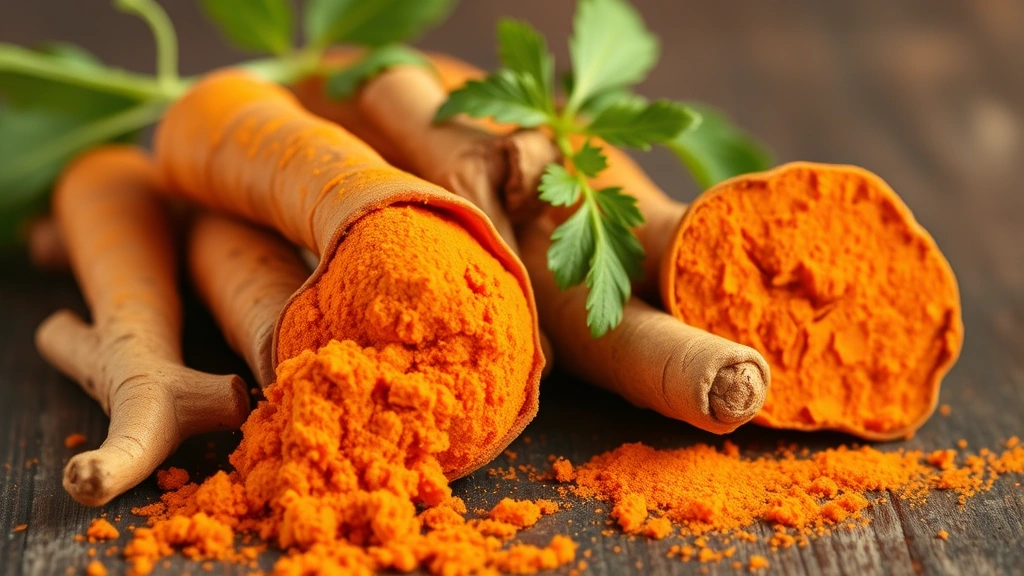
Turmeric for dogs offers anti-inflammatory properties that can help if your dog’s poop-eating is tied to digestive inflammation or discomfort. When a dog’s gut is inflamed, they experience pain and nutrient malabsorption—both triggers for coprophagy. A small amount of dog-safe turmeric (always check with your vet on dosing) can soothe their digestive tract. Mix it with a bit of coconut oil to improve absorption and add it to their meals several times weekly.
Solution 5: Balance Their Diet with Proper Carbohydrates
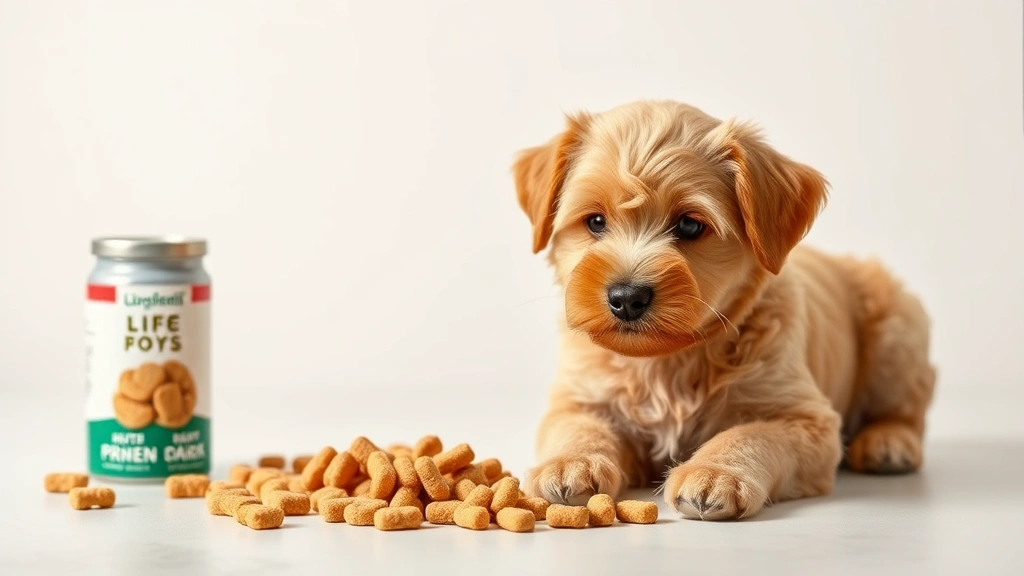
Rice for dogs everyday can be part of a balanced diet when used appropriately. Plain white or brown rice provides easily digestible carbohydrates that help your dog feel fuller and more satisfied. Combine quality rice with high-quality proteins and healthy fats to create a nutritionally complete meal. This balanced approach ensures your dog isn’t missing out on any macro or micronutrients that might trigger the poop-eating behavior.

Choosing Quality Dog Food as the Foundation
All these additions work best when built on a foundation of quality dog food. Natural Balance dog food is one example of a brand that prioritizes complete nutrition without unnecessary fillers. Before adding supplements and toppers, evaluate whether your dog’s base diet actually meets AAFCO standards for complete and balanced nutrition. A good food means fewer additions needed overall.
Behavioral and Environmental Factors Matter Too
Here’s the thing: you can add all the supplements in the world, but if your dog is bored or anxious, they might still eat poop. Make sure they’re getting adequate exercise, mental stimulation, and bathroom breaks. Clean up after them immediately to remove temptation. Some dogs eat poop out of stress or because they’re seeking attention (even negative attention counts). Address these behavioral aspects alongside dietary changes for best results.

When to See a Veterinarian
If your dog suddenly starts eating poop, it’s worth a vet visit. Conditions like EPI (exocrine pancreatic insufficiency), parasites, malabsorption syndromes, or thyroid issues can all trigger coprophagy. Your vet can run tests to rule out medical causes and recommend specific supplements or dietary changes based on your dog’s individual health profile. External links to authoritative sources like the AAFCO (Association of American Feed Control Officials) and PetMD’s guide on coprophagia can provide additional medical information. The American Kennel Club also offers breed-specific nutritional guidance.

Summary: Your Action Plan
Stopping your dog from eating poop starts with understanding that this behavior usually signals a nutritional gap or digestive issue. Begin by adding fiber-rich foods like pumpkin, consider digestive enzymes and probiotics, upgrade to high-quality protein sources, incorporate anti-inflammatory ingredients like turmeric, and ensure balanced carbohydrate intake. Evaluate your dog’s base diet and make sure it’s actually meeting their nutritional needs. Combine dietary changes with behavioral management—exercise, mental stimulation, and immediate cleanup. If nothing improves within 2-3 weeks, consult your vet to rule out underlying health conditions. Most dogs see significant improvement within weeks once their nutritional needs are properly met.
Frequently Asked Questions
How long does it take for food additives to stop coprophagy?
Most dogs show improvement within 1-3 weeks of dietary changes, though some take up to 6-8 weeks. Consistency is key—stick with the additions and give them time to work. If there’s no improvement after a month, consult your veterinarian.
Is pumpkin safe for all dogs?
Plain, cooked pumpkin is safe for virtually all dogs. However, pumpkin pie filling contains sugar and spices that aren’t ideal. Always use 100% pure pumpkin puree and check with your vet about appropriate portions for your dog’s size and age.
Can I use human digestive enzyme supplements for my dog?
No—always use dog-specific digestive enzyme supplements. Human formulations may contain ingredients that are harmful to dogs, like xylitol. Dog supplements are formulated for canine digestive systems and are much safer.
What if my dog has a sensitive stomach?
Dogs with sensitive stomachs need extra care when introducing new foods or supplements. Add changes slowly, one at a time, and monitor for digestive upset. Start with gentle options like pumpkin and plain rice before moving to enzymes or turmeric. Your vet can recommend hypoallergenic options.
Does breed matter when addressing coprophagy?
Some breeds are more prone to coprophagy than others, particularly those with higher prey drives or those bred as scavengers. However, the nutritional and behavioral solutions work across all breeds. Consult breed-specific resources for additional insights.
Are there any foods I should avoid adding to stop this behavior?
Avoid anything with xylitol, chocolate, onions, or garlic—these are toxic to dogs. Also skip high-sugar treats or pumpkin pie filling. Stick to whole, dog-safe ingredients and supplements specifically formulated for canine consumption.





