
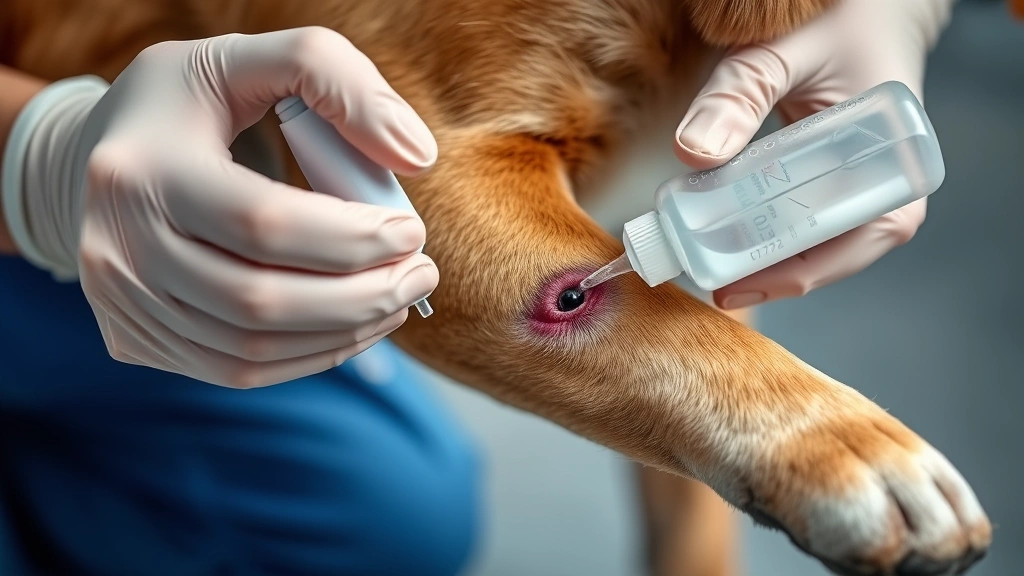
So your pup got into some mischief and now you’re staring at a wound wondering what to put on dog wound to keep it clean and infection-free. Don’t panic—I’ve got you covered with vet-approved solutions that actually work.
Table of Contents
- Understanding Dog Wounds: When to Treat at Home
- Saline Solution: The Gold Standard for Cleaning
- Antibiotic Ointments: Your First Line of Defense
- Hydrogel Dressings: Modern Wound Care Technology
- Honey-Based Wound Treatments: Nature’s Antibiotic
- Chlorhexidine Solution: When Bacteria Gets Serious
- What NOT to Put on Dog Wounds
- Bandaging and Protection Strategies
- When to Call Your Vet Immediately
- Post-Wound Care and Monitoring
- Preventing Future Wounds
- Frequently Asked Questions
- Final Thoughts on Dog Wound Care
Understanding Dog Wounds: When to Treat at Home
Before we dive into the treatment options, let’s talk about what you’re dealing with. Dog wounds range from minor scrapes to deep lacerations, and knowing the difference is crucial. Minor wounds are superficial, bleeding lightly, and less than half an inch deep. If your dog has a deep puncture wound, excessive bleeding that won’t stop after 10 minutes, or signs of infection like swelling and pus, skip the home remedies and head straight to your vet.
Most minor wounds from play fights, fence scrapes, or outdoor adventures can be safely managed at home with the right approach. The key is preventing infection and promoting healing without causing your furry friend more discomfort.
Saline Solution: The Gold Standard for Cleaning
When it comes to what to put on dog wound initially, saline solution is your MVP. This sterile saltwater solution mimics your dog’s natural body fluids and won’t sting like hydrogen peroxide or alcohol. Use it to flush away dirt, debris, and bacteria from the wound.
You can buy pre-made saline solution at any pharmacy, or make your own by mixing one teaspoon of salt with one cup of distilled water. Gently pour the solution over the wound and let it do the work. Your dog will appreciate that it doesn’t hurt, and you’ll appreciate how effectively it cleans without damaging healthy tissue. This is step one—always.
Antibiotic Ointments: Your First Line of Defense
After cleaning with saline solution, antibiotic ointments are the next logical step in wound care. Neosporin (triple antibiotic ointment) is widely available and vet-approved for minor dog wounds. It contains bacitracin, neomycin, and polymyxin B—three antibiotics that work together to prevent bacterial infection.
Apply a thin layer directly to the cleaned wound. The ointment creates a protective barrier while delivering antimicrobial action. One important note: if your dog is prone to licking, you might need to apply a cone or bandage to prevent them from ingesting the ointment. Most dogs won’t have issues, but some have sensitive stomachs.
For wounds showing early signs of infection or if your dog has a history of skin infections like mange on dogs, your vet might recommend prescription-strength antibiotic ointments instead.
Hydrogel Dressings: Modern Wound Care Technology
If you want to step up your wound care game, hydrogel dressings are where it’s at. These advanced dressings maintain optimal moisture levels for faster healing while protecting against contamination. They’re particularly useful for wounds that are slow to heal or in areas prone to dirt exposure.
Hydrogel dressings work by creating a moist environment that promotes cell growth and epithelialization—fancy vet speak for “skin growing back.” They’re transparent, so you can monitor healing without removing the dressing. Most stay in place for 3-5 days before needing replacement. Your vet can recommend specific brands, or you can find them online at most pet supply retailers.
Honey-Based Wound Treatments: Nature’s Antibiotic
Here’s something that might surprise you: medical-grade honey is legitimately effective for dog wounds. Manuka honey, in particular, has powerful antimicrobial and anti-inflammatory properties that have been studied extensively in veterinary medicine.
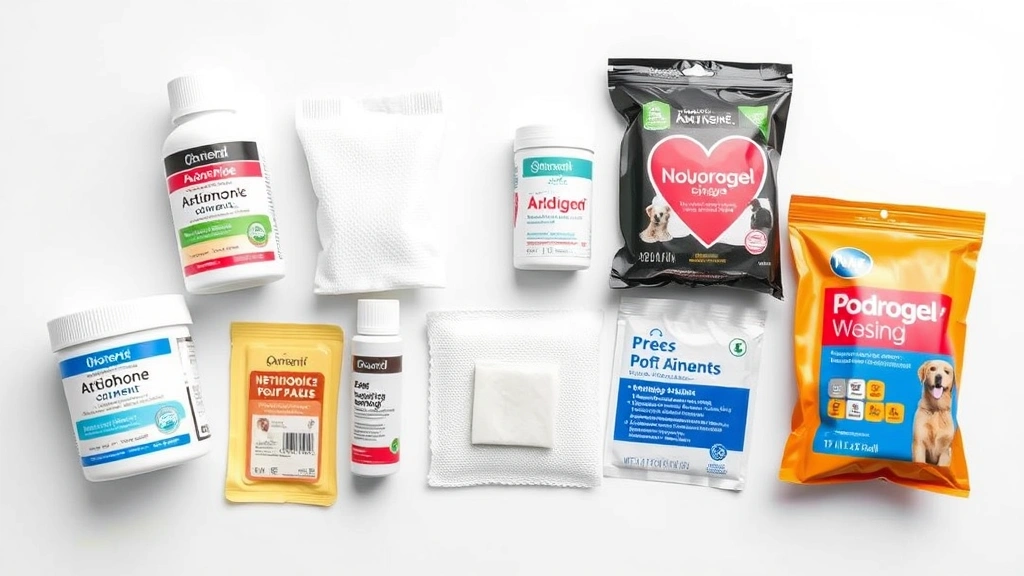
Don’t just grab honey from your kitchen pantry—regular honey can contain spores that aren’t safe for wounds. Instead, use products specifically formulated for wound care, like Medihoney or similar veterinary-approved honey products. Apply a thin layer to the wound, and the honey will work its magic by killing bacteria and promoting healing. It’s especially useful for wounds that aren’t responding well to traditional treatments.
Chlorhexidine Solution: When Bacteria Gets Serious
If you suspect your dog’s wound is getting infected or if it’s in a particularly dirty area, chlorhexidine solution is a stronger cleaning option than saline. This antimicrobial solution is commonly used in veterinary clinics and is safe for topical use on dogs.
Mix chlorhexidine according to package directions (usually a diluted solution) and use it to clean the wound once or twice daily. It’s more aggressive than saline but gentler than hydrogen peroxide, making it perfect for that middle ground where you need extra antimicrobial power. If your dog seems lethargic dog or shows signs of systemic infection (fever, loss of appetite), this is a sign to contact your vet immediately rather than continuing home treatment.
What NOT to Put on Dog Wounds
Just as important as knowing what to use is knowing what to avoid. Hydrogen peroxide might seem like a good choice, but it actually damages healthy tissue and can create gas bubbles that interfere with healing. Alcohol and iodine-based solutions are too harsh and can cause tissue damage. Human medications and essential oils like is lavender bad for dogs should never be applied to open wounds.
Also avoid home remedies like vinegar, tea tree oil, or turmeric paste unless specifically recommended by your vet. While some of these have antimicrobial properties, they can irritate wounds and potentially cause more harm than good. Stick with vet-approved products—your dog’s health is worth it.
Bandaging and Protection Strategies
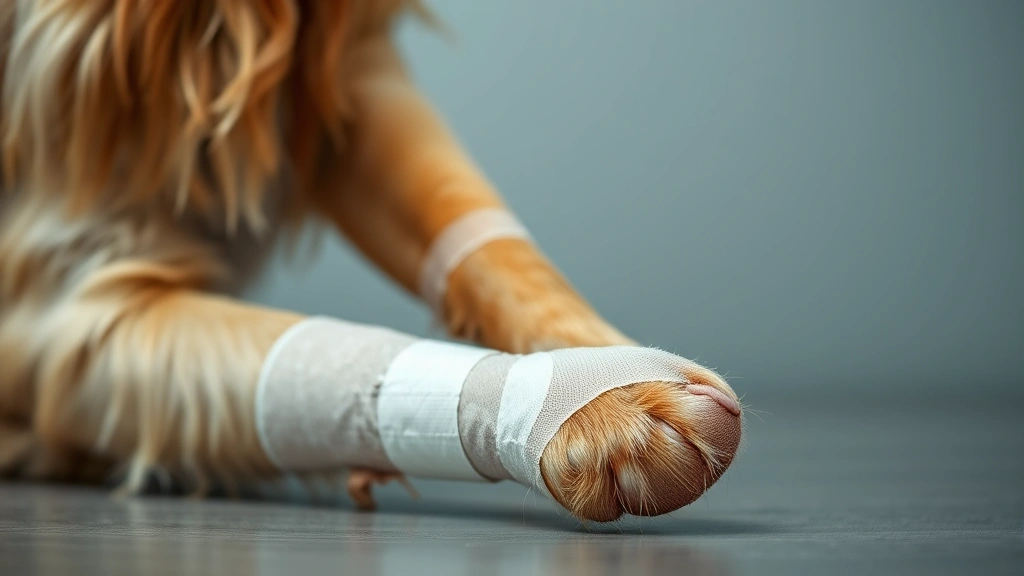
Sometimes what you put on the wound is only half the battle. Keeping the wound protected from dirt, moisture, and your dog’s persistent licking is equally important. For minor wounds on the body, a simple gauze pad held in place with vet wrap works great. For paws or legs, a bootie can protect while allowing air circulation.
Change bandages daily or whenever they become wet or dirty. This prevents moisture buildup that can lead to infection and allows you to monitor healing progress. If you notice increased swelling, discharge, or odor, it’s time to call your vet. Some wounds need professional care, and catching problems early makes a huge difference.
When to Call Your Vet Immediately
Certain situations demand professional veterinary attention. If the wound is deep, gaping, or longer than half an inch, your dog needs stitches. Puncture wounds, especially from fights or stepping on sharp objects, can trap bacteria deep in the tissue and require professional cleaning. If your dog shows signs of infection—swelling, pus, heat, or bad odor—don’t wait.
Also seek immediate care if your dog is limping severely, won’t put weight on the injured limb, or seems to be in significant pain. Wounds near the eyes, genitals, or that involve heavy bleeding always need professional evaluation. Your vet has the expertise and tools to handle complications that home care can’t address.
Post-Wound Care and Monitoring
After you’ve applied your chosen treatment, the real work begins. Monitor the wound daily for signs of improvement or complications. Healthy healing shows gradual closure, reduced redness, and no discharge. The wound should smell normal—any foul odor indicates infection.
Keep the area clean and dry, prevent your dog from licking excessively, and maintain proper nutrition. A diet with adequate protein and essential nutrients supports faster healing. If your dog has other health conditions like pancreatitis, ensure they’re following their prescribed diet—check with your vet about low fat dog food for pancreatitis if applicable.
Preventing Future Wounds
The best treatment is prevention. Keep your dog’s nails trimmed, remove hazards from your yard, and supervise outdoor playtime. Regular grooming helps you spot skin issues before they become wounds. If your dog has a tendency toward skin problems or infections, discuss preventative strategies with your vet during regular checkups.
Frequently Asked Questions
Can I use regular antibiotic ointment on my dog’s wound?
Yes, triple antibiotic ointment like Neosporin is safe for dogs and vet-approved for minor wounds. However, avoid ointments with pain relievers like benzocaine, as these can be toxic to dogs. Always apply a thin layer and watch for excessive licking.
How often should I clean my dog’s wound?
For minor wounds, clean once or twice daily with saline solution, then reapply treatment. Stop cleaning once the wound shows healthy healing signs and has closed over. Excessive cleaning can actually delay healing by disrupting new tissue formation.
Is it safe to use is yogurt bad for dogs topically on wounds?
No, yogurt should never be applied to open wounds. While probiotics have benefits when ingested, topical application to wounds can introduce bacteria and delay healing. Stick with vet-approved wound treatments only.
How long does it take for a dog wound to heal?
Minor superficial wounds typically show significant improvement within 7-10 days and complete healing within 2-3 weeks. Deeper wounds take longer and may require professional care. If healing isn’t progressing after two weeks, contact your vet.
What’s the difference between a wound that needs stitches and one I can treat at home?
If the edges of the wound are gaping, it’s longer than half an inch, deeper than a quarter inch, or won’t stop bleeding after 10 minutes of pressure, it needs stitches. When in doubt, call your vet for guidance.
Final Thoughts on Dog Wound Care
Knowing what to put on dog wound is essential for every dog owner. Start with saline solution to clean, follow with antibiotic ointment for protection, and monitor carefully for signs of infection. Most minor wounds respond beautifully to these simple, vet-approved treatments. Remember that your veterinarian is always your best resource—if you’re unsure whether a wound needs professional care, it’s better to ask than to risk complications. Your pup will be back to their normal antics in no time with proper care and attention.





