
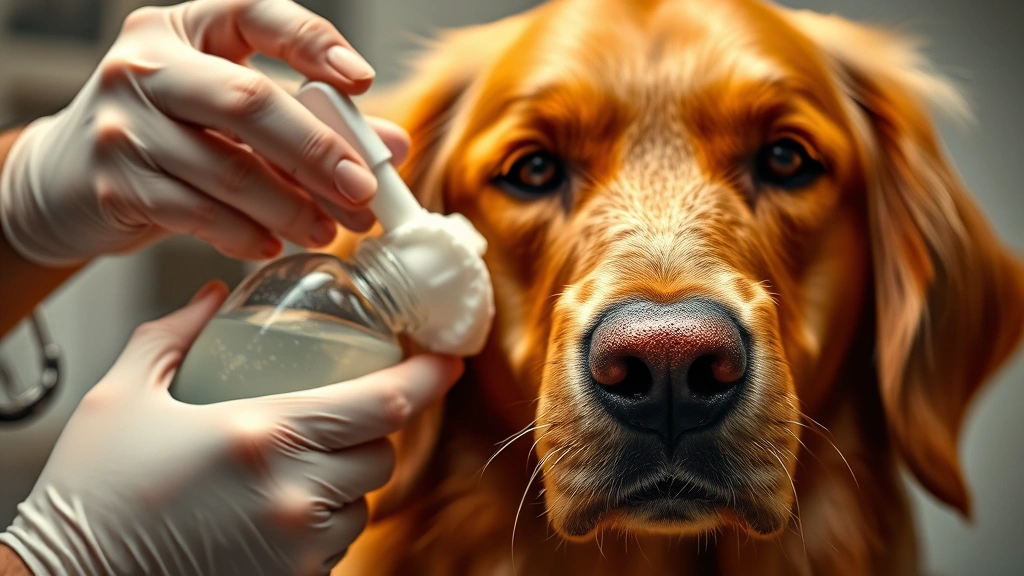
Figuring out what to use to clean dogs ears doesn’t have to feel like you’re performing surgery in your kitchen—but let’s be honest, your pup might act like you are. Ear cleaning is one of those essential grooming tasks that keeps your dog comfortable, infection-free, and blissfully scratch-free. Whether your furry friend has floppy ears that trap moisture like tiny water balloons or perky ears that seem to collect dirt magnetically, we’ve got the solutions that actually work.
Table of Contents
- Why Your Dog’s Ears Need Regular Cleaning
- Commercial Ear Cleaning Solutions: The MVP Players
- Hydrogen Peroxide and Vinegar: The DIY Darlings
- Natural Solutions: Coconut Oil and Beyond
- Prescription Ear Medications: When You Need the Big Guns
- The Proper Technique: Because Application Matters
- Best Practices for Different Ear Types
- Red Flags: When to Skip DIY and Call Your Vet
- Prevention: The Best Medicine
- Frequently Asked Questions
- Summary: Your Ear Cleaning Arsenal
Why Your Dog’s Ears Need Regular Cleaning
Before we dive into the arsenal of ear-cleaning solutions, let’s talk about why this matters. Dogs’ ears are basically the perfect storm for bacteria and yeast growth—warm, dark, moist environments that would make any microorganism throw a party. Unlike humans with our conveniently vertical ear canals, dogs have L-shaped ear canals that trap debris like tiny funnels of doom. Add in the fact that many dogs love swimming and rolling in mud, and you’ve got a recipe for ear infections that’ll make both you and your pup miserable.
Commercial Ear Cleaning Solutions: The MVP Players
When it comes to commercial products, you’re looking at solutions specifically formulated to break down cerumen (that’s fancy talk for earwax), remove debris, and maintain a healthy pH balance. These aren’t just water—they’re scientifically designed to do the heavy lifting.
Veterinary-Grade Ear Cleaners are your first line of defense. Brands like Virbac Epi-Otic and Dechra MalAcetic are trusted by vets worldwide because they actually work. These solutions contain ingredients that gently dissolve buildup without irritating the sensitive ear canal. Most come with applicator bottles that make it easier to get the solution deep into the ear without accidentally flooding your dog’s entire head.
The beauty of these products is they’re formulated to be safe even if your dog shakes their head violently (and they will). They typically contain surfactants that help lift debris and allow it to drain naturally. You’re not forcing anything out—you’re just making it easier for the ear to clean itself.
Hydrogen Peroxide and Vinegar: The DIY Darlings
Now, before your vet emails me angry messages, let me be clear: diluted hydrogen peroxide and apple cider vinegar can work, but they’re not without risks. Many dog owners swear by the 50/50 mix of white vinegar and water, and honestly, it does have some merit.
Vinegar’s acidic nature helps maintain a healthy ear pH, which makes it less hospitable for yeast and bacteria. The downside? It can sting if your dog has any micro-tears in their ear canal, and it won’t dissolve stubborn cerumen as effectively as commercial solutions. If you go this route, use it as maintenance cleaning for healthy ears, not as treatment for infected ones.
Hydrogen peroxide is trickier. While it fizzes and feels like it’s doing something magical, that fizzing action can actually push debris deeper into the ear canal if you’re not careful. If you use it, dilute it significantly (at least 50% with water) and use it sparingly. Better yet, stick with commercial solutions that are specifically formulated for ear canals.
Natural Solutions: Coconut Oil and Beyond
The wellness crowd loves coconut oil, and for good reason—it has natural antimicrobial properties. A tiny bit of virgin coconut oil can help soothe irritated ears and has some antibacterial benefits. However, it’s not a replacement for proper ear cleaning if your dog has significant buildup.
Here’s the thing about natural solutions: they’re great for maintenance and prevention, but they’re not miracle workers. If your dog already has an ear infection, you need actual medication. Regarding essential oils, be cautious—rosemary oil safety and lemongrass oil safety for dogs are topics worth researching thoroughly before applying anything to your pup’s sensitive ears.
Prescription Ear Medications: When You Need the Big Guns
If your dog has an active ear infection, over-the-counter cleaning solutions won’t cut it. This is where prescription medications like Mometamax for dogs come into play. These contain antifungal, antibacterial, and anti-inflammatory ingredients that actually treat infections, not just clean ears.
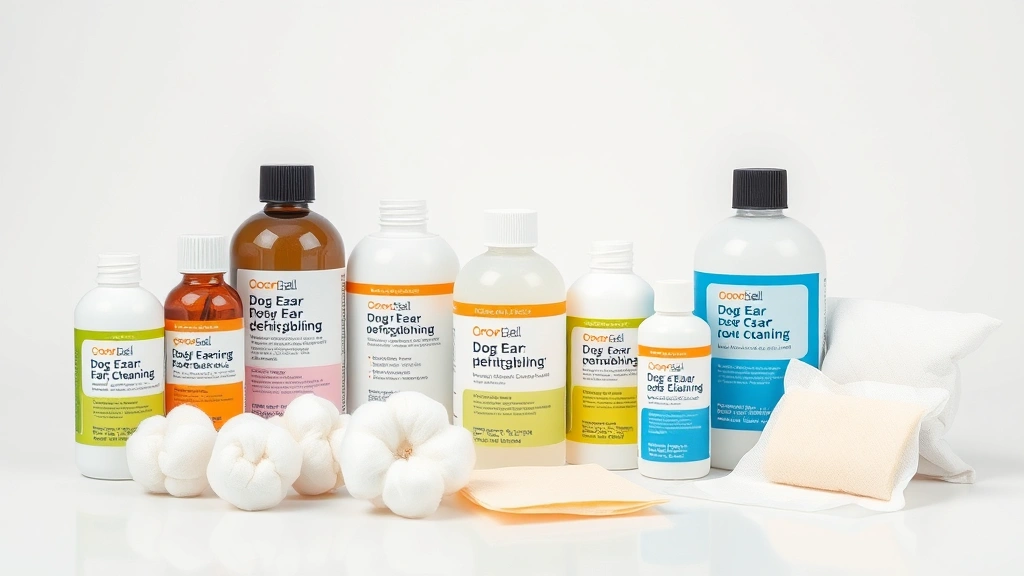
Mometamax, for example, combines three active ingredients to tackle infections from multiple angles. It’s designed to be applied directly into the ear canal and typically requires a vet visit to diagnose the infection first. Don’t skip that vet visit—ear infections can be caused by bacteria, yeast, or parasites, and each requires different treatment approaches.
The Proper Technique: Because Application Matters
Here’s where most dog owners go wrong: they’re not using their chosen cleaning solution correctly. Whether you’re using a commercial cleaner or a home remedy, technique is everything.
Start by gently filling your dog’s ear canal with the solution—yes, you want to fill it. This seems counterintuitive, but the solution needs to reach the entire canal to be effective. Then, gently massage the base of the ear (the part where the ear meets the head) for about 30 seconds. This helps the solution work its way through the canal and loosen debris.
Now comes the fun part: your dog will shake their head, and ear cleaning solution will go everywhere. Protect your furniture, your clothes, and your sanity. After the shake, use a cotton ball or gauze pad to gently wipe away the loosened debris. Never use cotton swabs deep in the ear—you risk perforating the eardrum.
For dogs with chronic ear issues, cleaning frequency matters. Some dogs need weekly cleaning, while others do fine with monthly maintenance. Your vet can recommend the right schedule for your specific pup.
Best Practices for Different Ear Types
Floppy-eared dogs like Cocker Spaniels and Basset Hounds need more frequent cleaning because their ear flaps trap moisture and prevent air circulation. These breeds benefit from weekly or bi-weekly cleaning, especially if they’re swimmers or low maintenance dogs that don’t get professional grooming.
Dogs with upright ears like German Shepherds typically have better natural ear ventilation and might only need monthly cleaning unless they’re prone to infections. The key is observing your individual dog—if their ears smell funky or they’re scratching more than usual, it’s cleaning time.
Red Flags: When to Skip DIY and Call Your Vet
Some situations absolutely require professional intervention. If your dog’s ears are red, swollen, or producing discharge (especially if it’s thick, discolored, or smelly), that’s an infection that needs diagnosis and treatment. If your dog is in pain when you touch their ears, stop immediately and call your vet.
Also watch for head tilting, loss of balance, or excessive scratching—these can indicate infections that have progressed beyond simple cerumen buildup. Ear infections are nothing to mess around with. They can spread to the middle and inner ear, causing serious complications.
Prevention: The Best Medicine
The best solution for ear health is prevention. Regular cleaning, keeping ears dry after swimming, and maintaining overall health with proper nutrition (supplements like milk thistle for dogs support liver function which impacts immune health) all contribute to healthy ears.
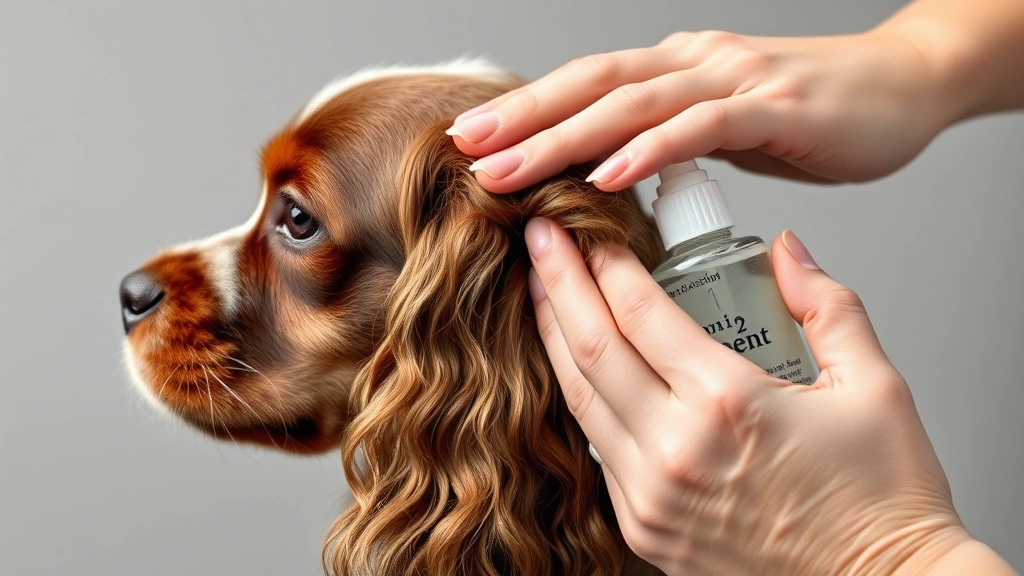
Dry your dog’s ears thoroughly after baths or swimming. Use a towel to gently dry the outer ear, and if your dog has floppy ears, consider using a hair dryer on the lowest setting to ensure the ear canal dries completely. This simple step prevents so many infections.
Frequently Asked Questions
Can I use regular water to clean my dog’s ears?
Plain water isn’t ideal because it doesn’t have the antimicrobial or pH-balancing properties of proper ear cleaning solutions. Water can also leave residual moisture that promotes bacterial growth. Stick with solutions formulated specifically for canine ears.
How often should I clean my dog’s ears?
It depends on your dog’s breed, ear type, and health history. Dogs with floppy ears typically need weekly cleaning, while upright-eared breeds might only need monthly maintenance. Ask your vet for a personalized recommendation.
Is it normal for my dog’s ears to smell?
A slight waxy smell is normal, but a strong yeasty, fishy, or unpleasant odor indicates an infection or overgrowth. That’s your cue to clean more frequently and possibly visit the vet.
Can I use baby wipes to clean my dog’s ears?
Baby wipes aren’t formulated for the delicate ear canal pH and might leave residue. Use cotton balls or gauze pads dampened with proper ear cleaning solution instead.
What if my dog won’t let me clean their ears?
Start young and make it positive. Use treats, praise, and keep sessions short. If your dog is in pain, that’s why they’re resistant—get them checked by a vet. A dog without ear pain is usually cooperative with cleaning.
Summary: Your Ear Cleaning Arsenal
When deciding what to use to clean dogs ears, you’ve got solid options. Commercial veterinary-grade cleaners are your safest bet for regular maintenance and actual effectiveness. Diluted vinegar solutions work for prevention in healthy ears but aren’t treatment options. Natural remedies like coconut oil have a place in your routine but shouldn’t replace proper cleaning. And when infections happen, prescription medications are non-negotiable.
The bottom line? Invest in a quality ear cleaning solution, learn the proper technique, establish a regular cleaning schedule based on your dog’s needs, and don’t hesitate to involve your vet when something seems off. Your dog’s ears will thank you with fewer infections, less scratching, and that blissful relief that comes from being comfortable in their own skin—or rather, their own ears.





