
What was the first dog breed ever domesticated? This question has puzzled historians, geneticists, and dog lovers for centuries, and the answer might surprise you more than a Golden Retriever at a cat convention. The truth is messy, complicated, and way more interesting than a simple yes-or-no answer.
Table of Contents
- The Wolf-to-Dog Timeline: When Did It All Start?
- The Saluki: Possibly the OG Ancient Dog Breed
- The Basenji: Africa’s Ancient Wonder
- The Greyhound: Speed Demons of Antiquity
- Ancient Asian Breeds: The Shih Tzu and Pekingese Connection
- The DNA Revolution: What Genetic Studies Reveal
- Mesopotamian Dogs: The Mastiff Connection
- The Domestication vs. Breed Distinction
- Modern Breed Development: Victorian Era Game-Changer
- Regional Variations: How Geography Shaped Breeds
- Frequently Asked Questions
- The Bottom Line: Understanding Canine History
The Wolf-to-Dog Timeline: When Did It All Start?
Before we talk about specific dog breeds, we need to understand that dogs aren’t a breed at all—they’re a species created by humans over thousands of years. Scientists estimate that dogs were first domesticated somewhere between 15,000 and 40,000 years ago, depending on which study you believe. That’s right: the timeline is so fuzzy that it could fit a Poodle.
The domestication process didn’t happen overnight. Ancient humans didn’t wake up one day and decide to create a puppy. Instead, wolves that were less afraid of humans started hanging around human settlements, scavenging for food scraps. Over generations, the friendliest wolves bred with each other, and boom—you’ve got the beginning of man’s best friend. This process is called artificial selection, and it’s the foundation for every breed we know today.
The Saluki: Possibly the OG Ancient Dog Breed
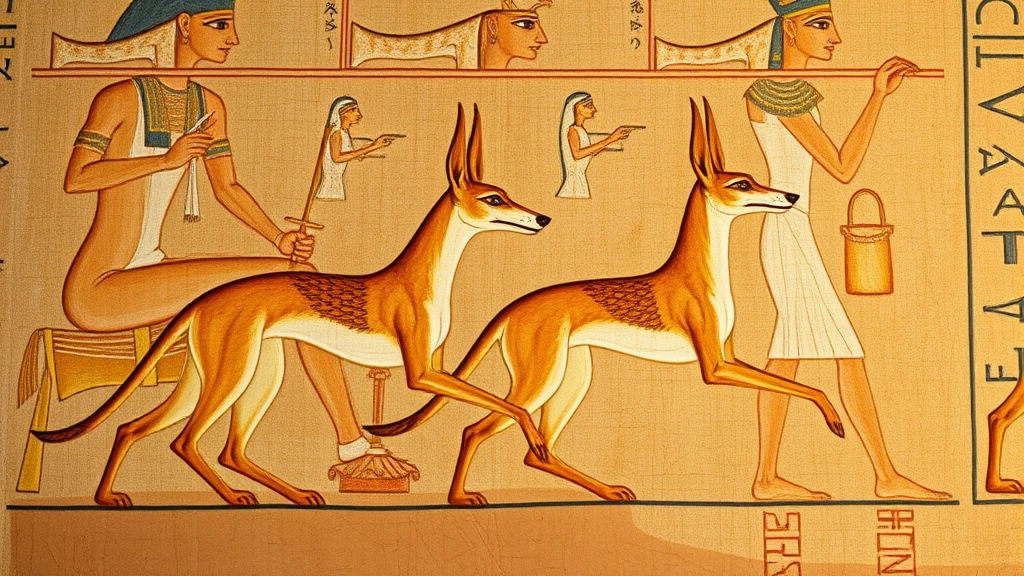
When it comes to the earliest recognizable dog breed, the Saluki often takes the crown. These sleek, elegant dogs were revered in ancient Egypt and the Middle East, with evidence suggesting they existed as a distinct breed as far back as 7000 BCE. Ancient Egyptians loved these dogs so much they mummified them and buried them alongside their owners. Talk about loyalty.
The Saluki’s refined appearance—long legs, narrow chest, and those adorable floppy ears—made them perfect hunting companions for ancient nobility. They were so prized that they were often depicted in tomb paintings and sculptures. If Instagram existed in 3000 BCE, Salukis would’ve broken the internet.
The Basenji: Africa’s Ancient Wonder
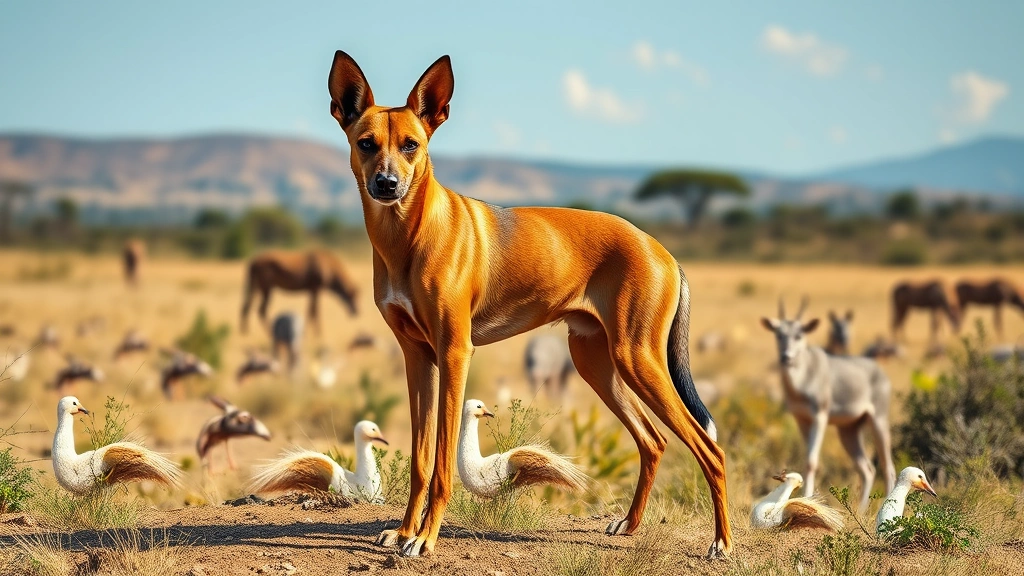
Another contender for the title of first dog breed is the Basenji, an African hunting dog that’s been around for thousands of years. These compact, muscular pups were originally bred by Central African hunters and were highly valued for their ability to track game silently. Unlike most dogs, Basenjis don’t bark—they make a unique yodeling sound called a “baroo.” Imagine having a dog that doesn’t bark; your neighbors would throw you a parade.
Ancient Egyptians also treasured Basenjis, and they appear in tomb paintings dating back to around 2100 BCE. These dogs were so valuable that they were often given as gifts to Egyptian pharaohs. The breed has remained virtually unchanged for thousands of years, making them living fossils of the canine world.
The Greyhound: Speed Demons of Antiquity
If you want to talk about ancient dog breeds, you can’t ignore the Greyhound. These long-legged speedsters were prized by ancient Greeks, Romans, and Egyptians for their hunting prowess. Historical records and artwork suggest Greyhounds have been around for at least 4,000 years, making them one of the oldest recognized breeds.
What makes Greyhounds special is their consistency. The breed has maintained its distinctive appearance and athletic abilities across millennia. Ancient Roman and Greek texts describe dogs that sound suspiciously like modern Greyhounds, complete with their famous racing abilities. If a time-traveling ancient Greek saw a modern Greyhound, they’d probably recognize it immediately—unlike, say, a Chihuahua.
Ancient Asian Breeds: The Shih Tzu and Pekingese Connection
Over in Asia, the story of ancient dog breeds takes a different path. The Shih Tzu and Pekingese are believed to have origins dating back over 1,000 years in China and Tibet. These small, fluffy lap dogs were bred by Buddhist monks and Chinese royalty, primarily for companionship rather than hunting.
The Pekingese, in particular, was so sacred in ancient China that owning one was restricted to imperial family members. These tiny tyrants were treated like royalty themselves, often carried in the sleeves of their owners’ robes. Stealing a Pekingese in ancient China could result in severe punishment—talk about a high-value pet.
The DNA Revolution: What Genetic Studies Reveal
Modern genetic analysis has completely revolutionized our understanding of dog breed origins. According to research from institutions like the American Kennel Club (AKC), scientists can now trace breed lineages back through DNA analysis. These studies have revealed that all modern dog breeds share a common ancestor: the gray wolf.
The fascinating part? Different populations of ancient humans independently domesticated wolves in different regions, leading to the development of distinct breeds suited to local environments and needs. This explains why Louisiana Catahoula Leopard Dog breeds look completely different from Alaskan Malamutes—they were bred for different purposes in different climates.
Mesopotamian Dogs: The Mastiff Connection
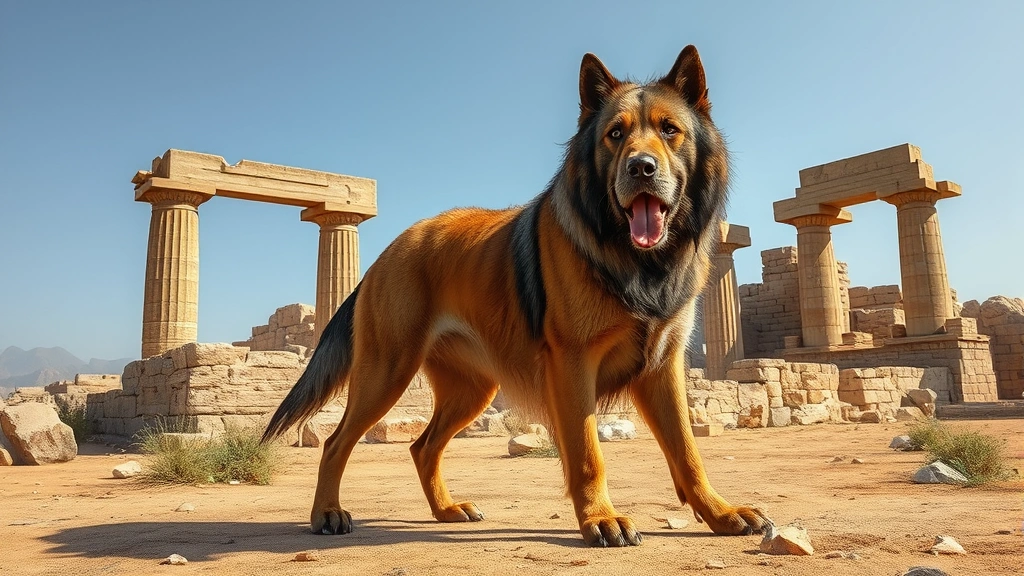
Archaeological evidence from ancient Mesopotamia (modern-day Iraq) suggests that Mastiff-type dogs were among the earliest domesticated breeds. Ancient Sumerian and Babylonian texts describe large, powerful dogs used for hunting and protection, dating back to around 3000 BCE. These proto-Mastiffs were likely the ancestors of modern kinds of pitbull dogs and other large, muscular breeds.
Mesopotamian art depicts dogs that bear striking similarities to modern Mastiffs, complete with their characteristic powerful build and protective nature. These dogs were so important to ancient societies that they appear frequently in artwork, literature, and even laws governing their treatment.
The Domestication vs. Breed Distinction
Here’s where things get tricky: domestication and breed development are two different things. The first domesticated dogs (around 15,000-40,000 years ago) weren’t “breeds” in the modern sense. They were just dogs—a mixed bag of canines that had learned to coexist with humans.
True “breeds” with consistent physical and behavioral characteristics only emerged much later, probably within the last 5,000 years. Ancient peoples selectively bred dogs for specific purposes—hunting, herding, guarding, companionship—which eventually led to the distinct breeds we recognize today. It’s the difference between having a dog and having a type of dog.
Modern Breed Development: Victorian Era Game-Changer
While ancient breeds are fascinating, most modern dog breeds as we know them were formally developed during the Victorian era (1837-1901). This is when kennel clubs were established, breed standards were documented, and dog shows became popular. Breeders became obsessed with creating specific physical characteristics, which is why we now have low shedding dog breeds and lazy dog breeds—breeds engineered for specific lifestyles.
The Victorian era essentially codified what makes a breed a breed. Before this, dogs were more about function than form. A hunting dog was a hunting dog; it didn’t matter if it looked exactly like another hunting dog from a different region. But Victorians wanted perfection, documentation, and consistency—and that’s when modern dog breeding really took off.
Regional Variations: How Geography Shaped Breeds
One of the most interesting aspects of ancient dog domestication is how geography influenced breed development. Dogs in cold northern regions developed thick coats and larger bodies for warmth and strength. Dogs in desert regions became leaner and more heat-resistant. Dogs in mountainous areas developed the strength and agility needed for herding livestock on steep terrain.
This natural selection, combined with human selective breeding, created the incredible diversity we see in dogs today. A Chihuahua and a Great Dane share the same species but look like they’re from different planets—and it’s all because of where and how humans bred them over thousands of years.
Frequently Asked Questions
What was the very first dog breed ever?
There’s no single “first” dog breed. Dogs were domesticated gradually over thousands of years, and the earliest recognizable breeds—like the Saluki and Basenji—emerged around 7,000 years ago. Before that, domesticated dogs existed but weren’t standardized breeds.
Are ancient dog breeds still around today?
Yes! Many ancient breeds still exist, including Salukis, Basenjis, Greyhounds, and certain Asian breeds. However, modern versions may differ slightly from their ancient ancestors due to selective breeding and genetic changes over time.
How did ancient people breed dogs without modern knowledge?
Ancient peoples practiced selective breeding by choosing dogs with desired traits and allowing them to reproduce. Over many generations, these traits became more pronounced. It’s the same principle modern breeders use today, just without the genetic testing.
Why did ancient civilizations value certain dog breeds?
Ancient cultures bred dogs for practical purposes: hunting, herding, protection, and companionship. Dogs with useful traits were more valuable and were bred more frequently, leading to the development of distinct breeds suited to specific tasks and environments.
The Bottom Line: Understanding Canine History
So what was the first dog breed? The honest answer is that there wasn’t one single “first” breed. Instead, dog domestication was a gradual process spanning thousands of years, with different ancient civilizations developing their own breeds suited to their needs and environments. The Saluki, Basenji, and Greyhound are among the oldest recognizable breeds, with evidence dating back 4,000-7,000 years.
What’s truly remarkable is how much effort ancient humans put into developing dogs for specific purposes. From the sleek hunting Saluki of Egypt to the powerful Mastiffs of Mesopotamia, our ancestors understood selective breeding and created the foundation for every breed we know today. Modern dog breeds are the result of thousands of years of human ingenuity, cultural preferences, and environmental adaptation.
The next time you pet your dog, remember: you’re touching the result of an ancient partnership between humans and wolves that transformed one species into hundreds of distinct breeds. That’s pretty incredible when you think about it.





