

Learning how to put a harness on a dog is an essential skill that every pet owner should master, especially when dealing with energetic pups who seem to have endless reserves of enthusiasm. Unlike traditional collars, harnesses distribute pressure across your dog’s chest and back, providing better control while protecting their delicate neck area. This makes them particularly valuable for dogs that pull, jump, or exhibit high energy levels during walks and outdoor activities.
The process of harnessing your dog doesn’t have to be a wrestling match filled with frustration and stress. With the right techniques, patience, and understanding of your dog’s behavior, you can transform this daily routine into a smooth, cooperative experience. Whether you’re dealing with a bouncing puppy, an anxious rescue dog, or simply want to improve your current harnessing technique, mastering this skill will enhance both your and your dog’s quality of life.
Choosing the Right Harness for Your Dog
Selecting the appropriate harness is the foundation of successful harnessing. The market offers various types, including back-clip, front-clip, and dual-clip harnesses, each designed for specific purposes and dog behaviors. Back-clip harnesses work well for calm, trained dogs, while front-clip harnesses provide better control for dogs that tend to pull during walks.
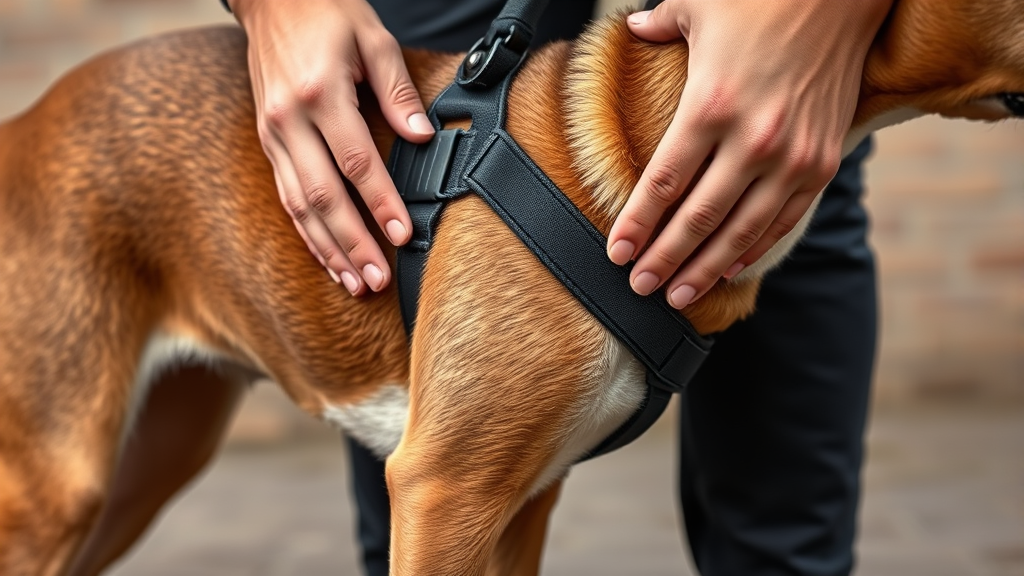
Size and fit are crucial factors that directly impact your dog’s comfort and your ability to put the harness on easily. A properly fitted harness should allow you to slip two fingers between the harness and your dog’s body. Measure your dog’s chest circumference at the widest part, typically just behind the front legs, and neck circumference where a collar would naturally sit.
Consider your dog’s coat type when selecting materials. Dogs with thick, long coats may benefit from harnesses with wider straps to prevent matting, while short-haired breeds might be more comfortable with padded options. For dogs requiring specialized training, such as those learning how to become service dogs, specific harness types may be recommended by professional trainers.
Preparation Steps Before Harnessing
Successful harnessing begins long before you touch the harness itself. Create a calm environment by choosing a quiet space free from distractions like other pets, loud noises, or high-traffic areas. Your energy and demeanor significantly influence your dog’s response, so approach the task with patience and confidence.
Gather all necessary items beforehand, including the harness, treats for positive reinforcement, and any tools you might need for adjustments. Having everything within reach prevents you from having to leave your dog mid-process, which could increase anxiety or excitement levels.
Establish a routine by consistently using the same location and time for harnessing. Dogs thrive on predictability, and creating a structured approach helps them understand what’s expected. Some pet owners find success in incorporating this routine with other positive activities, such as regular ear cleaning sessions, to create overall positive associations with handling.
Step-by-Step Guide to Putting on a Harness
The specific steps for putting on a harness vary depending on the style you’ve chosen, but the general principles remain consistent. For step-in harnesses, begin by laying the harness flat on the ground with the D-ring facing up. Guide your dog’s front paws into the appropriate loops, then lift the harness up and fasten the buckle across their back.
Over-the-head harnesses require a different approach. Start by loosening all straps to their maximum size, then gently slip the harness over your dog’s head, ensuring their ears don’t get caught. Position the chest piece properly, then reach under your dog to grab the belly strap and secure it.
Regardless of the style, always check the fit after securing all buckles and straps. The American Kennel Club recommends ensuring you can fit two fingers comfortably under any part of the harness. Adjust straps as needed, but avoid making them too loose, as this can cause chafing and reduce control effectiveness.
Dealing with Resistance and Anxiety
Many dogs initially resist harness wearing due to unfamiliarity, past negative experiences, or general anxiety about restraint. Understanding that this resistance is normal helps you approach the situation with appropriate patience and techniques. Never force a harness onto a struggling dog, as this will likely increase their anxiety and make future attempts more difficult.
Desensitization is a powerful tool for overcoming harness resistance. Begin by simply showing your dog the harness and rewarding calm behavior with treats and praise. Gradually progress to touching them with the harness, then placing it loosely around them without fastening, and finally securing it for short periods.

For dogs with severe anxiety, consider consulting with a professional dog trainer or veterinary behaviorist. Some dogs may benefit from anxiety-reducing techniques or, in extreme cases, anti-anxiety medications prescribed by a veterinarian. The American Veterinary Medical Association provides excellent resources on addressing behavioral concerns in dogs.
Common Mistakes to Avoid
One of the most frequent mistakes dog owners make is rushing the harnessing process. Taking time to properly position and adjust the harness prevents discomfort and ensures safety. Rushing often leads to improper fit, which can cause chafing, restrict movement, or allow the dog to escape from the harness during walks.
Another common error is using the wrong size harness. Many owners guess at sizing rather than taking proper measurements, leading to harnesses that are either too tight, causing discomfort and potential injury, or too loose, reducing control and safety. Always measure your dog and consult sizing charts provided by manufacturers.
Failing to regularly inspect and maintain the harness can lead to safety issues. Just as you would monitor other aspects of your dog’s health, such as addressing excessive paw licking, harness condition should be checked regularly for wear, fraying, or damaged buckles that could fail during use.
Training Tips for Harness Success
Positive reinforcement is the most effective method for teaching your dog to accept and enjoy wearing a harness. Use high-value treats, praise, and gentle petting to create positive associations with the harnessing process. Start training sessions when your dog is calm and receptive, avoiding times when they’re overly excited or tired.
Practice the “harness command” by using a consistent verbal cue such as “harness time” or “let’s get ready” before beginning the process. Over time, your dog will learn to associate this command with the routine and may even begin to cooperate more readily. Some dogs become so accustomed to the routine that they’ll automatically position themselves for easy harnessing.
Incorporate harness training into your dog’s overall behavioral training program. Dogs that are learning impulse control and basic obedience commands often adapt more quickly to harness wearing. For dogs with specific training needs, such as those being prepared for service dog work, professional guidance can ensure proper harness training integration.
Harness Maintenance and Care
Proper harness maintenance extends its lifespan and ensures your dog’s safety and comfort. Regular cleaning prevents the buildup of dirt, oils, and bacteria that can cause skin irritation or unpleasant odors. Most harnesses can be machine washed on a gentle cycle, but always check manufacturer instructions for specific care requirements.
Inspect your harness regularly for signs of wear, including frayed straps, loose stitching, or damaged hardware. Pay particular attention to stress points where the most tension occurs, such as where the leash attaches and around buckle areas. Replace harnesses showing significant wear rather than risking failure during use.
Store harnesses properly when not in use to prevent damage and maintain their shape. Hang them in a dry, well-ventilated area away from direct sunlight, which can degrade certain materials over time. Proper storage also makes the harness more readily available for use, supporting your training routine consistency.
Consider having multiple harnesses if you frequently engage in different activities with your dog. A lightweight harness for daily walks might not be appropriate for hiking or training sessions. Just as you might address various behavioral issues like excessive digging with different strategies, different harnesses serve different purposes in your dog’s activity routine.
Frequently Asked Questions
How long does it typically take for a dog to get used to wearing a harness?
Most dogs adapt to wearing a harness within 1-2 weeks with consistent, positive training. However, the timeline varies significantly based on the dog’s age, previous experiences, and temperament. Puppies often adapt more quickly than adult dogs, while rescue dogs with unknown histories may require more time and patience. The key is maintaining consistency and positive reinforcement throughout the adjustment period.
Can I leave a harness on my dog all day?
It’s not recommended to leave a harness on your dog continuously. Harnesses should be removed when your dog is unsupervised, sleeping, or resting at home to prevent chafing, matting of fur, and to allow the skin to breathe. Continuous wear can also cause the dog to become dependent on the harness for behavioral control. According to the Humane Society, harnesses are designed for active supervision and walking purposes.
What should I do if my dog keeps backing out of their harness?
If your dog consistently escapes from their harness, the fit is likely incorrect. First, recheck all measurements and adjust straps accordingly. The harness should be snug but not tight, allowing two fingers to fit underneath. Consider switching to a different harness style, such as a front-clip or no-pull design, which may provide better security. For persistent escape artists, consult with a professional dog trainer who can assess both the fit and your dog’s behavior.
Are there specific harnesses better for puppies versus adult dogs?
Yes, puppies have different needs than adult dogs. Puppy harnesses should be lightweight, adjustable, and made from soft materials to accommodate rapid growth and sensitive skin. Look for harnesses with multiple adjustment points and consider purchasing adjustable options rather than sized-specific ones. Adult dogs may benefit from more specialized harnesses based on their activity level, behavior, and any specific training requirements they may have.
How do I know if a harness fits properly?
A properly fitted harness allows you to slip two fingers comfortably between the harness and your dog’s body at any point. The chest piece should sit snugly across the chest without restricting breathing or movement. Check that the harness doesn’t shift excessively when your dog moves and that there are no areas of chafing or pressure points. The PetMD guidelines provide detailed fitting instructions for different harness types.
Can using a harness help with leash training?
Absolutely! Harnesses are often more effective than collars for leash training because they provide better control without putting pressure on the dog’s neck. Front-clip harnesses are particularly useful for dogs that pull, as they redirect the dog’s forward momentum. The improved control and comfort can make leash training sessions more productive and less stressful for both dog and owner.
What’s the difference between a no-pull harness and a regular harness?
No-pull harnesses typically feature a front chest attachment point that redirects pulling force, naturally discouraging the behavior. When a dog pulls forward, the harness gently turns them back toward the handler. Regular harnesses usually have back attachment points and don’t provide the same pulling correction. According to Whole Dog Journal, front-clip harnesses can significantly reduce pulling behavior when used consistently with proper training techniques.





