

When a dog poops blood, it’s one of those moments that makes your stomach drop faster than a tennis ball at a dog park. You’re standing there with a poop bag in hand, staring at something that definitely wasn’t on your bingo card for today, and suddenly you’re spiraling through Google like a caffeinated squirrel. Don’t worry—we’re going to break down what bloody stools actually mean, what might be causing them, and when you need to panic versus when you need to stay chill.
Table of Contents
- Understanding Bloody Dog Poop: The Basics
- Cause #1: Dietary Indiscretion (The Garbage Disposal Syndrome)
- Cause #2: Parasitic Infections and Intestinal Worms
- Cause #3: Inflammatory Bowel Disease (IBD) and Colitis
- Cause #4: Hemorrhagic Gastroenteritis (HGE)
- Cause #5: Anal Gland Issues and Rectal Problems
- When to Panic: Red Flags That Mean Vet Visit NOW
- When to Monitor at Home: The Wait-and-See Approach
- The Vet Visit: What to Expect
- Prevention: Keeping Your Dog’s Digestive System Happy
- Special Considerations: Age and Health Status
- Frequently Asked Questions
- The Bottom Line
Understanding Bloody Dog Poop: The Basics
First things first: bloody stools in dogs aren’t always a sign of something catastrophic. Your pup’s digestive system is basically a complex highway, and sometimes things go a little sideways. The blood you’re seeing could be coming from different parts of that highway—the upper digestive tract, the intestines, or the colon. The color and consistency of the blood actually tells you something important about where the problem is happening.
If the blood is bright red and visible in chunks, it’s usually coming from somewhere lower down—think colon or rectum. If it’s dark and mixed in with the stool, that’s blood from higher up in the digestive system that’s been partially digested. Either way, your dog is trying to tell you something, and we need to listen.
Cause #1: Dietary Indiscretion (The Garbage Disposal Syndrome)
Let’s be real—dogs are basically furry vacuum cleaners with zero impulse control. Your dog ate something they shouldn’t have. Maybe it was that mysterious thing they found in the backyard, last week’s pizza crust, or the entire contents of the trash can while you were in the shower. This is probably the most common reason for bloody stools, and honestly? It’s usually not the end of the world.
When dogs eat something inappropriate, it can irritate their digestive tract and cause inflammation. The result? Bloody poop. Usually, this resolves on its own within a few days as their system processes and clears out whatever contraband they consumed. However, if your dog is acting normal otherwise—eating, drinking, playing fetch like they didn’t just commit a dietary crime—you can often manage this at home with a bland diet and monitoring.
The key here is observation. Keep track of what your dog ate (if you know), how many times they’re pooping blood, and whether they’re showing other symptoms. If they’re acting like their normal goofy self, you’ve probably got a case of dietary indiscretion on your hands.
Cause #2: Parasitic Infections and Intestinal Worms
Parasites are like unwanted roommates that your dog didn’t sign up for. Hookworms, roundworms, whipworms, and giardia can all cause bloody stools in dogs. These little troublemakers attach to the intestinal walls and cause bleeding, inflammation, and general digestive chaos. Puppies are especially susceptible, but adult dogs can get them too, particularly if they’re spending time outdoors or around other infected dogs.
The thing about parasitic infections is that they often come with a whole package of symptoms. Your dog might have diarrhea, weight loss, a dull coat, or visible worms in their stool (gross, but important to notice). Some parasites are zoonotic, meaning they can spread to humans, so this isn’t just about your dog’s health—it’s about your family’s health too.
The good news? Parasites are treatable. Your vet can run a fecal exam to identify what’s going on and prescribe the appropriate medication. This is one of those situations where a vet visit isn’t optional—it’s necessary. And honestly, this is why regular preventative care and vaccinations matter.
Cause #3: Inflammatory Bowel Disease (IBD) and Colitis
Sometimes your dog’s digestive system gets angry at the world, and inflammatory bowel disease is what that looks like. IBD causes chronic inflammation of the digestive tract, leading to bloody stools, diarrhea, vomiting, and weight loss. Colitis is similar but specifically affects the colon. These conditions are more serious than dietary indiscretion and require actual veterinary diagnosis and management.
The tricky part about IBD is that it’s not always obvious what triggers it. Sometimes it’s food sensitivities, sometimes it’s stress, sometimes it’s just your dog’s immune system being dramatic. Certain breeds are more prone to IBD, and it can develop at any age, though it’s more common in middle-aged dogs.
If your dog has recurring bloody stools, especially if they’re accompanied by weight loss or chronic diarrhea, IBD might be the culprit. Your vet might recommend dietary changes, medications, or specialized food trials to figure out what’s causing the inflammation. This is a long-term management situation, not a quick fix.
Cause #4: Hemorrhagic Gastroenteritis (HGE)
Hemorrhagic gastroenteritis sounds terrifying because it kind of is. HGE is when the intestinal lining bleeds, and you’ll see blood in your dog’s stool and vomit. The stool often looks like strawberry jam—bright red blood mixed with feces. This condition comes on suddenly and can be serious if not treated quickly.
HGE is one of those situations where your dog might go from normal to seriously unwell in hours. They might have severe diarrhea, vomiting, lethargy, and loss of appetite. The cause isn’t always clear—sometimes it’s stress, sometimes it’s a food change, sometimes it just happens. But regardless of the cause, this requires immediate veterinary attention.
Treatment usually involves IV fluids, antibiotics, and supportive care. Most dogs recover well with proper treatment, but waiting around to see if it resolves on its own is a bad idea. If your dog is showing signs of HGE, get them to the vet today. This is the “don’t mess around” category of bloody stools.
Cause #5: Anal Gland Issues and Rectal Problems
Your dog has anal glands—two small sacs that produce a lovely-smelling substance that dogs use to mark territory. Sometimes these glands get infected, impacted, or just generally angry, and the result is bloody stools, scooting, and a very uncomfortable pup. This is more common in smaller dogs and dogs with dietary issues.
You might also see blood if your dog has hemorrhoids, fissures, or other rectal problems. These issues are usually less serious than some of the other causes we’ve discussed, but they’re still uncomfortable for your dog and worth addressing. Your vet can express the anal glands if they’re impacted or prescribe antibiotics if they’re infected.
If your dog is scooting their butt across the carpet like they’re doing the world’s slowest break-dancing move, anal gland problems are likely involved. It’s not glamorous, but it’s fixable.
When to Panic: Red Flags That Mean Vet Visit NOW
Okay, so when do you actually need to freak out? Here are the situations that require immediate veterinary attention: your dog is lethargic or acting seriously ill, they’re vomiting along with the bloody stools, they’re not eating or drinking, they have a fever, they’re showing signs of shock (pale gums, rapid heartbeat, weakness), or the bloody stools are accompanied by severe abdominal pain.
Also, if your dog is on blood thinners or has a bleeding disorder, bloody stools are always a vet emergency. If the bleeding is profuse or continuous, don’t wait. If your dog is a puppy or senior and showing these symptoms, err on the side of caution. Your vet would rather see you when it’s nothing than have you wait when it’s something serious.
When to Monitor at Home: The Wait-and-See Approach
If your dog is acting completely normal otherwise—happy, eating, drinking, playing—and you saw blood once or maybe twice, you can often safely monitor at home for 24-48 hours. Keep them on a bland diet (boiled chicken and rice), make sure they’re staying hydrated, and keep an eye on their stools. If the blood clears up and they’re back to normal, you’ve probably got dietary indiscretion.
However, if the bloody stools continue beyond a couple of days, if your dog starts showing other symptoms, or if you’re just genuinely worried, call your vet. There’s no prize for toughing it out at home, and your vet would rather assess your dog and give you peace of mind than have you stress about it.
The Vet Visit: What to Expect
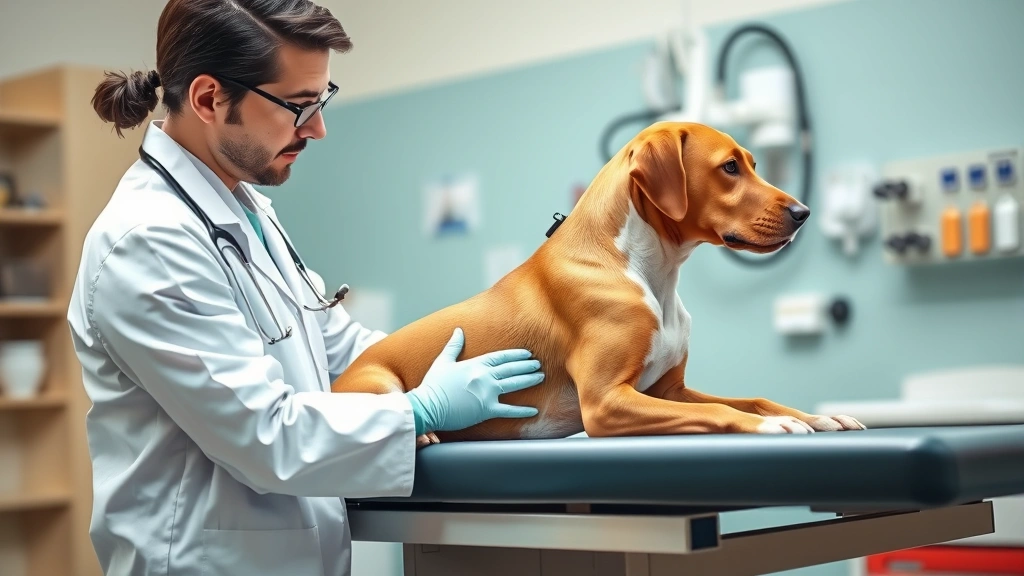
When you take your dog to the vet for bloody stools, here’s what usually happens: they’ll do a physical exam, ask you detailed questions about your dog’s diet and symptoms, and probably recommend a fecal exam to check for parasites. Depending on what they find, they might recommend bloodwork, imaging, or dietary trials.
Bring a stool sample if you can—yes, really. Your vet wants to see what’s actually going on in there. Be honest about what your dog might have eaten, any recent diet changes, and whether there are other symptoms you’ve noticed. The more information you provide, the better your vet can help.
Prevention: Keeping Your Dog’s Digestive System Happy
Here’s the good news: a lot of bloody stool situations are preventable. Keep your dog on a consistent, high-quality diet. Don’t make sudden diet changes—transition gradually over 7-10 days. Keep garbage and other tempting non-food items away from your pup. Make sure your dog is up-to-date on parasite prevention and vaccinations. Feed appropriate portions and avoid table scraps.
For dogs prone to digestive issues, talk to your vet about dietary adjustments or supplements like probiotics or specialized therapeutic diets. Some dogs do better on limited ingredient diets or grain-free options, though this varies by individual dog.
Special Considerations: Age and Health Status
Puppies are more susceptible to parasites and dietary indiscretion, so bloody stools in a young dog warrant a vet visit. Senior dogs might have different underlying causes—older dogs are more prone to certain cancers, bleeding disorders, and chronic conditions that can manifest as bloody stools. If your senior dog suddenly develops this symptom, definitely get them checked out.
Dogs with pre-existing health conditions—especially those affecting the immune system, blood clotting, or digestive system—need special attention. If your dog is on medications or has a known condition, mention that to your vet immediately when discussing bloody stools.
Frequently Asked Questions
Is a little bit of blood in dog poop normal?
Not exactly normal, but occasionally seeing a small amount of bright red blood can happen with minor issues like anal gland problems or slight dietary upset. However, if it’s recurring or accompanied by other symptoms, it warrants a vet visit. When in doubt, call your vet—they can tell you whether it’s something to monitor or something to treat.
Can stress cause bloody stools in dogs?
Yes, absolutely. Stress can trigger colitis and other digestive issues in dogs. Major life changes, loud noises, travel, or new pets can all stress your dog out and cause temporary digestive upset. If you know your dog has been stressed and the bloody stools resolve once things calm down, stress might be the culprit. However, if the problem persists, investigate further.
What should I feed my dog after bloody stools?
Stick with a bland diet: boiled chicken (no skin or bones), plain rice, and plain pumpkin are your friends. Avoid anything with spices, fats, or artificial ingredients. You can also try plain sweet potato. Once your dog’s stools return to normal for a few days, gradually transition back to their regular food over 7-10 days. If the problem recurs when you switch back, talk to your vet about a different food option.
Can bloody stools in dogs be caused by stress or anxiety?
Stress-related colitis is definitely a thing in dogs. Anxiety can trigger digestive issues, including bloody stools. If your dog experiences stress or anxiety, work with your vet on management strategies. This might include behavior modification, environmental changes, or in some cases, medication. Also, check out whether your dog is actually happy and content in their current situation.
How long does it take for bloody stools to resolve?
This depends entirely on the cause. Dietary indiscretion might resolve in 2-3 days. Parasites need medication and usually improve within a week or two. IBD is a chronic condition requiring long-term management. HGE improves with treatment within a few days. The point is: timeline depends on diagnosis, so get your dog checked out to know what you’re dealing with.
Should I give my dog probiotics for bloody stools?
Probiotics can be helpful for some digestive issues, particularly those related to dysbiosis (imbalanced gut bacteria). However, they’re not a cure-all, and they won’t help with parasites or infections. Talk to your vet before starting probiotics—they can recommend specific strains that are actually beneficial and rule out conditions that need different treatment.
The Bottom Line
When a dog poops blood, it’s definitely alarming, but it’s not automatically a catastrophe. The key is figuring out what’s causing it. Sometimes it’s something simple like dietary indiscretion that resolves on its own. Sometimes it’s parasites that need medication. Sometimes it’s a more serious condition requiring ongoing management. The only way to know is to get your dog checked out by a vet, especially if the bloody stools persist or your dog is showing other symptoms.
Trust your gut (pun intended). If something feels wrong, it probably is. If you’re unsure, call your vet. They’re not going to judge you for being concerned about your dog’s health—they’d much rather see you when it’s nothing than miss something important. Your dog is counting on you to be their advocate, and sometimes that means making a vet appointment when you see blood in their poop. That’s not overreacting—that’s being a responsible pet parent.
Remember, bloody stools are your dog’s way of communicating that something’s not quite right. By paying attention and taking appropriate action, you’re helping ensure your pup gets back to their happy, healthy self as quickly as possible. And hey, at least now you have a conversation starter for your next vet visit that’s more interesting than the weather, right?
For more information about keeping your dog healthy, check out resources like the American Kennel Club, PetMD, and your local veterinary college resources. And if your dog’s scooting is getting out of hand, we’ve got info on other quirky dog behaviors too.





