
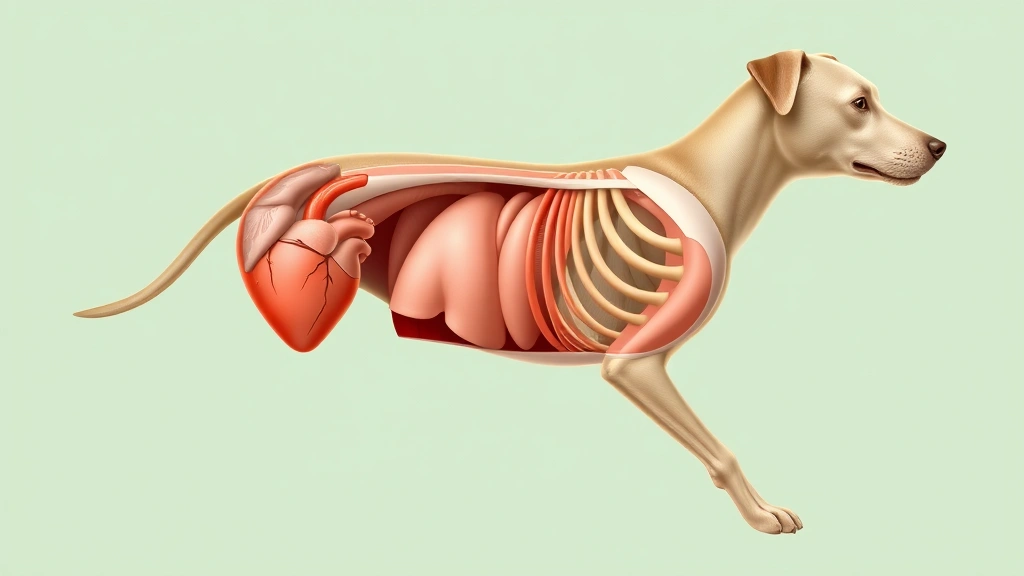
If you’ve ever wondered where is a dog’s heart located, you’re not alone—and the answer might surprise you with how similar it is to our own, yet fascinatingly different in some key ways. Your furry best friend’s heart is a muscular powerhouse that keeps them running, playing, and loving you unconditionally, but understanding its anatomy can help you recognize when something’s wrong and keep your pup healthy for years to come.
Table of Contents
- The Basic Location: Left Side of the Chest Cavity
- Understanding Canine Heart Anatomy: More Than Just a Pump
- Heart Rate and Pulse: What’s Normal for Your Pup?
- The Four Chambers Explained: A Dog’s Cardiac Blueprint
- Blood Flow and Circulation: The Journey Through Your Dog’s Body
- Common Heart Conditions in Dogs: When Things Go Wrong
- Signs Your Dog’s Heart Might Need Attention
- Nutrition and Heart Health: Fueling Your Dog’s Ticker
- Exercise and Activity: Keeping That Heart Strong
- Preventive Care: Keeping Your Dog’s Heart Healthy Long-Term
- Diagnostic Tools: How Vets Assess Your Dog’s Heart
- Treatment Options: From Medication to Lifestyle Changes
- Frequently Asked Questions
- Conclusion: Your Dog’s Heart Deserves Your Attention
The Basic Location: Left Side of the Chest Cavity
A dog’s heart sits in the thoracic cavity (that’s the chest area, for those of us without a medical degree), positioned slightly to the left of center, just like in humans. If you place your hand on your dog’s left side, behind the front leg, you’re in the general vicinity of where this vital organ is pumping away. The heart is nestled between the lungs and protected by the ribcage, which acts like nature’s armor against injury. This positioning is crucial for both protection and functionality, allowing the heart to efficiently pump blood throughout the entire body. The exact placement can vary slightly depending on your dog’s breed, size, and body composition—a Great Dane’s heart sits differently than a Chihuahua’s, obviously.
Understanding Canine Heart Anatomy: More Than Just a Pump
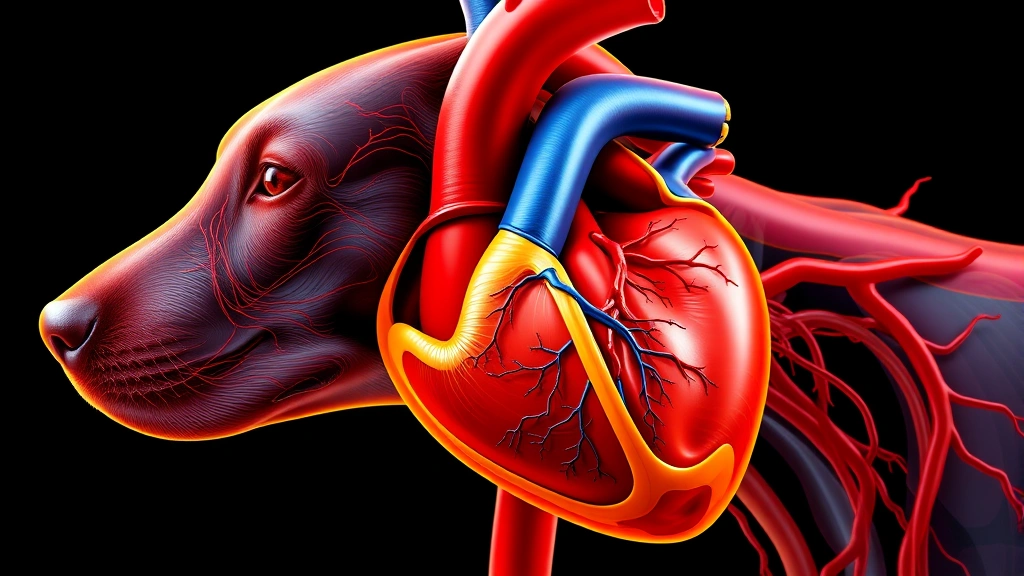
A dog’s heart is a four-chambered organ, just like yours, consisting of two upper chambers called atria and two lower chambers called ventricles. The right side receives oxygen-poor blood from the body and sends it to the lungs, while the left side receives oxygen-rich blood from the lungs and pumps it out to the body. The septum is the wall dividing the left and right sides, and it’s absolutely essential for keeping these two circuits separate. A dog’s heart is proportionally larger than a human’s heart relative to body weight, which makes sense given how active and energetic most dogs are. The organ typically weighs between 0.5% to 1% of your dog’s total body weight—so a 50-pound dog might have a heart weighing around 5-8 ounces.
Heart Rate and Pulse: What’s Normal for Your Pup?
A healthy adult dog’s resting heart rate typically ranges from 60 to 100 beats per minute, though smaller breeds tend to have faster rates (up to 140 bpm), and larger breeds might sit closer to 60-80 bpm. You can check your dog’s pulse by placing two fingers (index and middle) on the inside of their hind leg, where the femoral artery runs. Count the beats for 15 seconds and multiply by four to get the beats per minute. Puppies have even faster heart rates, sometimes reaching 220 bpm—don’t panic, that’s totally normal for the little furballs. If your dog seems lethargic in dogs or their resting heart rate seems unusually elevated or depressed, it’s worth a vet visit to rule out underlying issues.
The Four Chambers Explained: A Dog’s Cardiac Blueprint
Let’s break down each chamber and what it does. The right atrium receives deoxygenated blood from the body through the superior and inferior vena cava. The right ventricle then pumps this blood to the lungs via the pulmonary artery. The left atrium receives freshly oxygenated blood from the lungs through the pulmonary veins. Finally, the left ventricle—the most muscular chamber—pumps oxygen-rich blood throughout the entire body via the aorta. This four-chambered system is incredibly efficient, allowing your dog’s body to get the oxygen it needs to run after squirrels, play fetch, and shower you with endless affection. The valves (tricuspid, pulmonary, mitral, and aortic) ensure blood flows in only one direction, preventing any backflow that could compromise circulation.
Blood Flow and Circulation: The Journey Through Your Dog’s Body
Understanding how blood circulates through a dog’s body helps explain why heart health is so critical. Deoxygenated blood returns from the body to the right atrium, gets pumped to the lungs for oxygenation, returns to the left atrium, and then gets powerfully ejected to the body by the left ventricle. This entire cycle happens continuously, roughly 60-100 times per minute in a resting dog. The coronary arteries supply the heart muscle itself with oxygen-rich blood—yes, the heart needs its own blood supply to function. Any disruption in this delicate system can lead to serious health consequences. If you notice your dog has a dry cough and then gags, heart disease could be a contributing factor, so mention it to your vet.
Common Heart Conditions in Dogs: When Things Go Wrong
Several heart conditions can affect our canine companions, and knowing the signs can be lifesaving. Dilated cardiomyopathy (DCM) is one of the most common, where the heart becomes enlarged and weakened, reducing its pumping efficiency. Mitral valve disease affects the valve between the left atrium and left ventricle, particularly common in small breeds and older dogs. Heartworm disease, transmitted by mosquitoes, can cause severe damage to the heart and lungs if left untreated. Arrhythmias (irregular heartbeats) can range from harmless to life-threatening depending on severity. Congenital heart defects are present from birth and vary widely in their impact on your dog’s quality of life. Regular vet checkups, especially as your dog ages, are essential for catching these conditions early when treatment options are most effective.
Signs Your Dog’s Heart Might Need Attention
Watch for symptoms like excessive panting, difficulty breathing, coughing (especially at night), lethargy, fainting or collapse, abdominal distension, and reluctance to exercise. Some dogs might eat less or seem less interested in activities they normally love. If it’s too hot to walk your dog, excessive heat can also stress the cardiovascular system, so be mindful during summer months. Weight gain, especially rapid weight gain, can also indicate fluid retention related to heart problems. Any of these symptoms warrant a veterinary evaluation, as early intervention can significantly improve outcomes. Your vet might recommend an echocardiogram, EKG, or chest X-rays to assess your dog’s heart health.
Nutrition and Heart Health: Fueling Your Dog’s Ticker
Diet plays a crucial role in maintaining cardiovascular health throughout your dog’s life. Foods rich in omega-3 fatty acids support heart function and reduce inflammation. Adequate taurine is essential—some breeds are prone to taurine deficiency, which can lead to DCM. Limiting sodium intake is important for dogs with existing heart conditions, as excess salt can worsen fluid retention. Quality protein supports muscle maintenance, including the heart muscle itself. If your dog has kidney issues or heart disease, a specialized kidney diet for dogs might be recommended by your veterinarian. Always consult with your vet before making major dietary changes, especially if your dog has existing health conditions. Some prescription diets are specifically formulated to support cardiac health and can be game-changers for dogs with heart disease.
Exercise and Activity: Keeping That Heart Strong
Regular, moderate exercise is fantastic for your dog’s cardiovascular health, but intensity and duration should be appropriate for your dog’s age, breed, and fitness level. Puppies shouldn’t engage in strenuous exercise before their growth plates close, as this can stress a developing heart. Senior dogs benefit from gentle, consistent activity rather than intense bursts. Dogs with existing heart conditions might need restricted exercise—your vet will guide you on what’s appropriate. A healthy dog typically needs 30 minutes to 2 hours of exercise daily, depending on breed and age. Swimming is excellent for cardiovascular conditioning while being gentle on joints. Always warm up and cool down during exercise sessions, just like humans should. Avoid exercising your dog immediately after eating, as this can increase the risk of bloat, which can stress the heart.
Preventive Care: Keeping Your Dog’s Heart Healthy Long-Term
Prevention is always better than treatment when it comes to heart health. Regular veterinary checkups allow your vet to listen for heart murmurs and monitor your dog’s overall cardiovascular status. Maintain a healthy weight—obesity is a significant risk factor for heart disease in dogs. Keep up with parasite prevention, particularly heartworm prevention, which is crucial in many regions. Provide a balanced diet with appropriate nutrients for your dog’s life stage. Limit stress and provide a calm, stable environment. Avoid secondhand smoke exposure. Monitor your dog’s dental health, as periodontal disease can increase the risk of heart problems. For breeds predisposed to heart conditions, genetic screening might be recommended. According to the American Kennel Club, certain breeds like Cavalier King Charles Spaniels and Boxers are more prone to heart disease, so extra vigilance is warranted.
Diagnostic Tools: How Vets Assess Your Dog’s Heart
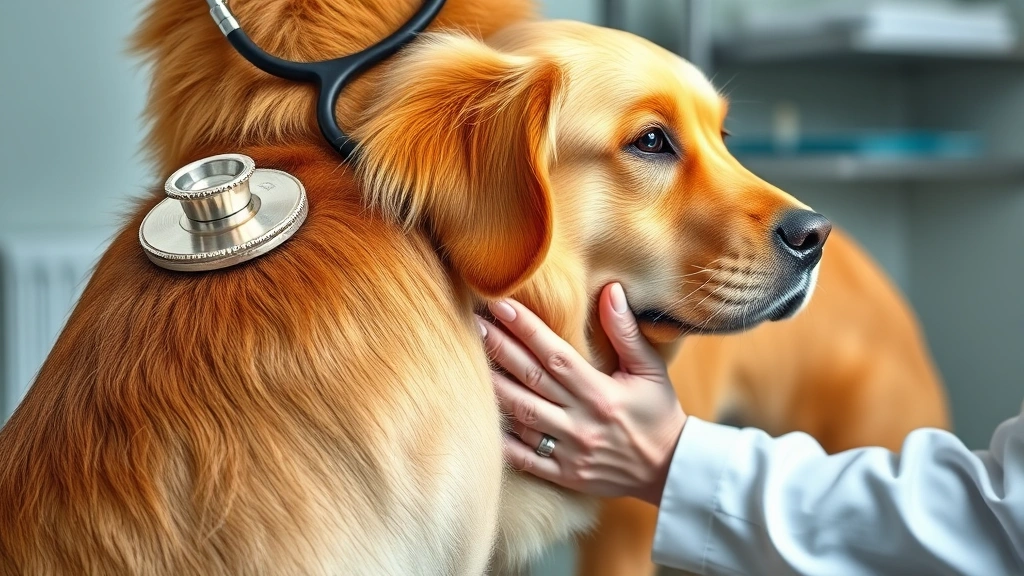
When your vet suspects a heart problem, several diagnostic tools come into play. A stethoscope examination is often the first step, allowing your vet to listen for murmurs, arrhythmias, or other abnormal sounds. An electrocardiogram (EKG) records the electrical activity of the heart and can reveal arrhythmias. Echocardiography (ultrasound of the heart) provides detailed images of the heart’s structure and function, allowing vets to measure chamber sizes and assess valve function. Chest X-rays show the overall size and shape of the heart and can reveal fluid in the lungs. Blood tests might reveal elevated BNP (B-type natriuretic peptide), a marker of heart stress. Holter monitors record heart rhythm over 24-48 hours to catch intermittent arrhythmias. According to PetMD, these diagnostic tools have revolutionized our ability to detect and manage canine heart disease. Your vet might recommend one or several of these depending on your dog’s symptoms and history.
Treatment Options: From Medication to Lifestyle Changes
Heart disease treatment varies depending on the specific condition and severity. Medications like ACE inhibitors help reduce the workload on the heart, while diuretics help manage fluid buildup. Beta-blockers can slow heart rate and reduce blood pressure. Inotropic agents strengthen heart contractions. Anticoagulants might be prescribed if there’s a risk of blood clots. Dietary modifications, particularly sodium restriction and specific nutrient supplementation, often accompany medication. In some cases, surgery might be an option—for example, certain congenital defects can be surgically corrected. Supplements like CoQ10, carnitine, and taurine are sometimes recommended to support heart function. According to research from veterinary cardiology institutions, many dogs with heart disease can live comfortably for years with appropriate management. Your vet will develop a treatment plan tailored to your dog’s specific condition and needs.
Frequently Asked Questions
Can I feel my dog’s heartbeat?
Absolutely! Place your hand on your dog’s left side, just behind the front leg, and you should be able to feel the heartbeat, especially if your dog is calm. It might take some practice, but it’s a great way to monitor your pup’s heart rate and get a sense of what’s normal for them.
What’s the difference between a dog’s heart and a human heart?
Both have four chambers and similar basic structure, but dogs have faster heart rates, their hearts are proportionally larger relative to body weight, and they’re more prone to certain conditions like mitral valve disease. Dogs also have a different cardiac output relative to their size.
How long can a dog live with heart disease?
This depends entirely on the type and severity of heart disease and how well it’s managed. Some dogs live for years after diagnosis with appropriate treatment, while others might have a shorter prognosis. Early detection and consistent management significantly improve outcomes.
Is heart disease hereditary in dogs?
Yes, some heart conditions have genetic components. Certain breeds are predisposed to specific heart diseases. If you’re getting a puppy from a breeder, ask about health screening and genetic testing in the parents.
What should I do if I suspect my dog has heart disease?
Schedule a veterinary appointment as soon as possible. Describe any symptoms you’ve noticed, and your vet will perform an examination and recommend appropriate diagnostic testing. Early intervention can make a significant difference in your dog’s prognosis and quality of life.
Conclusion: Your Dog’s Heart Deserves Your Attention
Understanding where is a dog’s heart and how it works is more than just satisfying curiosity—it’s empowering you to be a better pet parent. Your dog’s heart is located on the left side of their chest cavity, protected by ribs and working tirelessly to keep them healthy and active. By staying informed about heart anatomy, recognizing warning signs, maintaining preventive care, and providing appropriate nutrition and exercise, you’re doing everything you can to keep that precious organ functioning optimally. Regular vet checkups are non-negotiable, especially as your dog ages or if they belong to a breed predisposed to heart issues. Remember, your dog’s heart literally beats for you—let’s make sure we give it the care and attention it deserves. With knowledge, vigilance, and proper veterinary care, you can help ensure your furry friend enjoys a long, healthy, and happy life by your side.





